

`cultural-continuity` Related Article Results
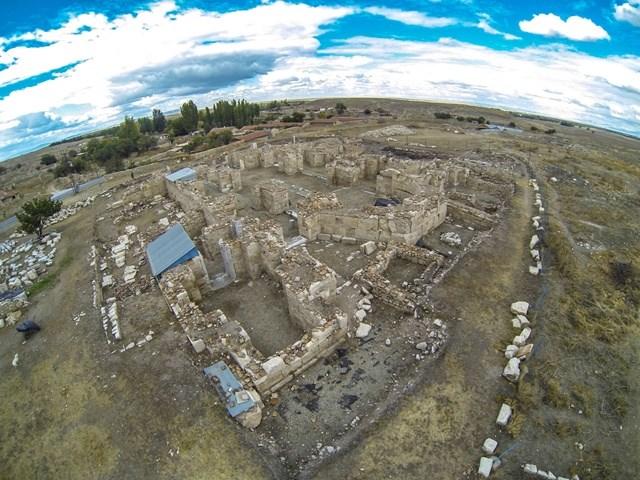
Ancient City of Amorium
The Ancient City of Amorium is an archaeological settlement located within the boundaries of Hisar Neighborhood of the town of Davulga, in the district of Emirdağ, Afyonkarahisar Province, Turkey. Situated in the region of Phrygia during Antiquity, Amorium is a significant settlement that bears the traces of seven different civilizations, from the Hittites to the Ottomans, and has witnessed approximately 4,000 years of uninterrupted habitation. The city is divided into two main sections: the Low
EN
Melahat Pamuk
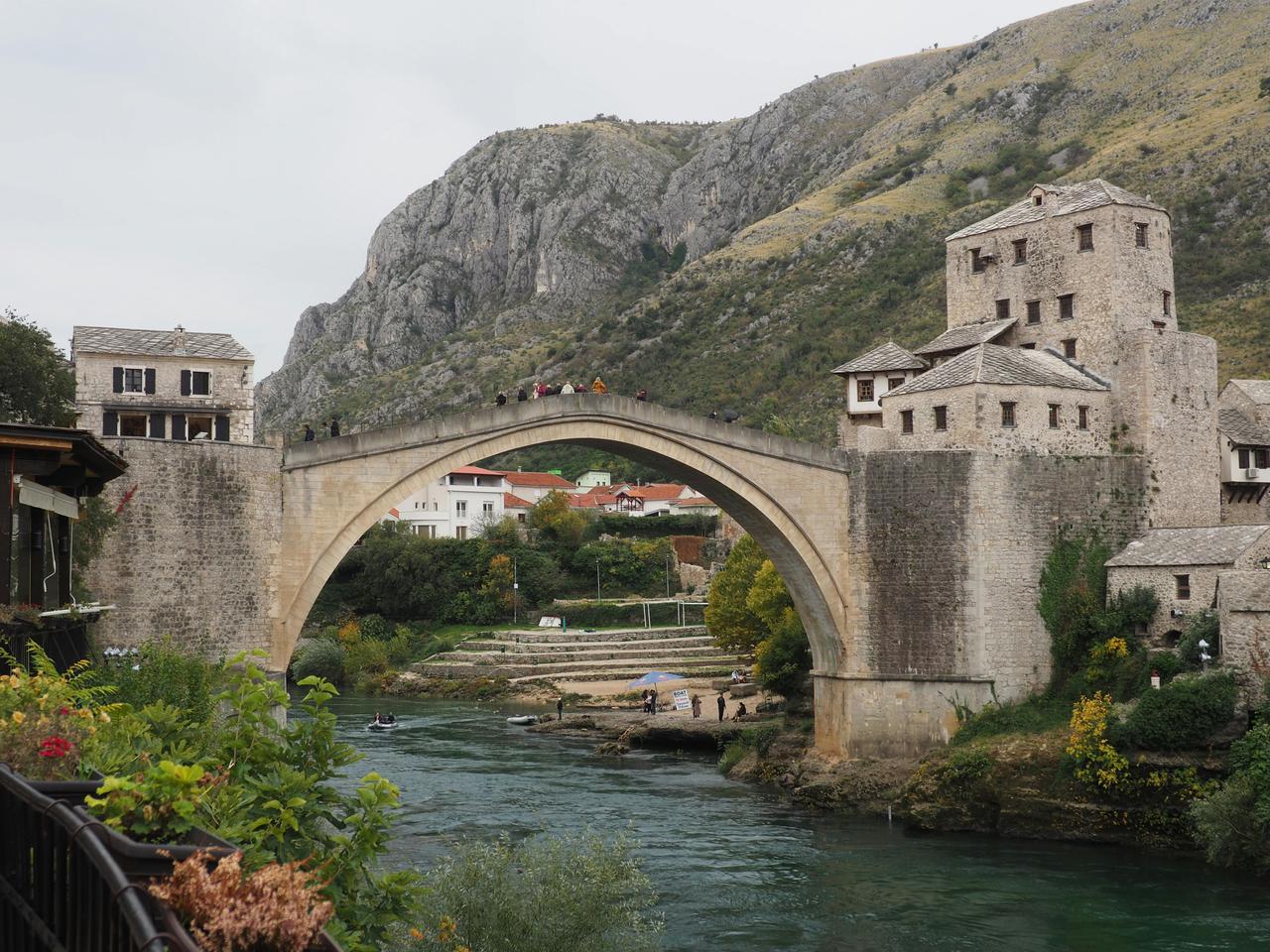
Balkan Architecture
Balkan architecture is a building tradition in Southeast Europe shaped over centuries by the convergence of diverse cultural, religious, and political influences. The region has been under the rule of various powers, from the Roman Empire to Byzantine, and from the Ottoman Empire to Austria-Hungary. This historical layering created fertile ground for the development of distinct architectural types and forms across the region. Different belief systems, ethnic diversity, and geographic conditions
EN
Esra Özkafa
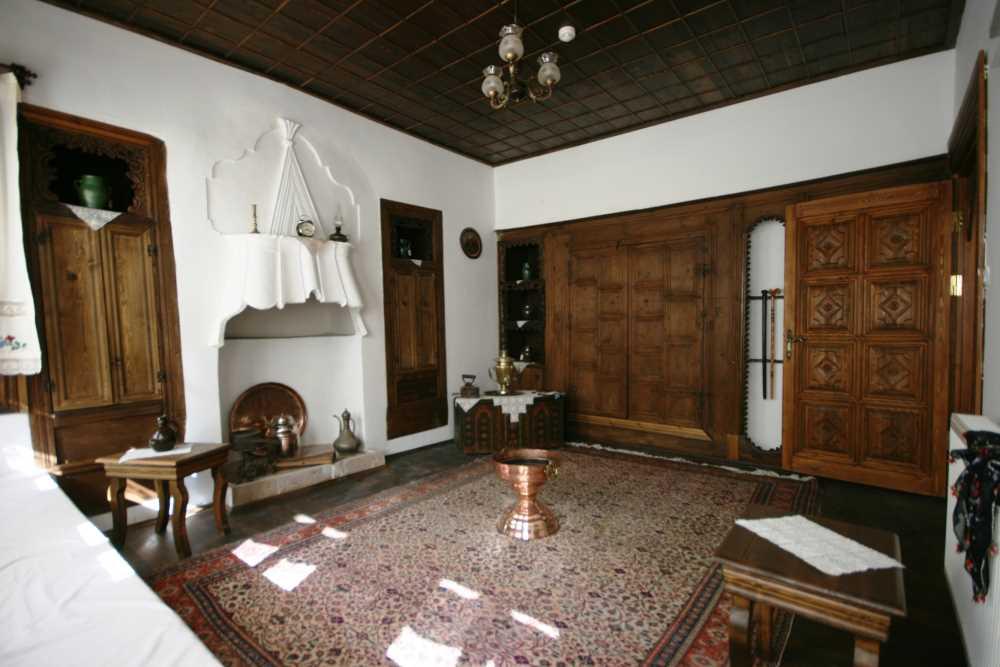
Tokat Culture House
Tokat Culture House is an ethnographic space in the center of Tokat that preserves traditional Turkish domestic architecture and displays cultural elements related to folk life. The building is one of the representative examples of civil architecture reflecting Tokat’s historical urban fabric, offering visitors and researchers visual and written materials about the city’s cultural past. Location and General Characteristics Tokat Culture House is located in the center of Tokat, situated within an
EN
Yusuf İslam Tuğla
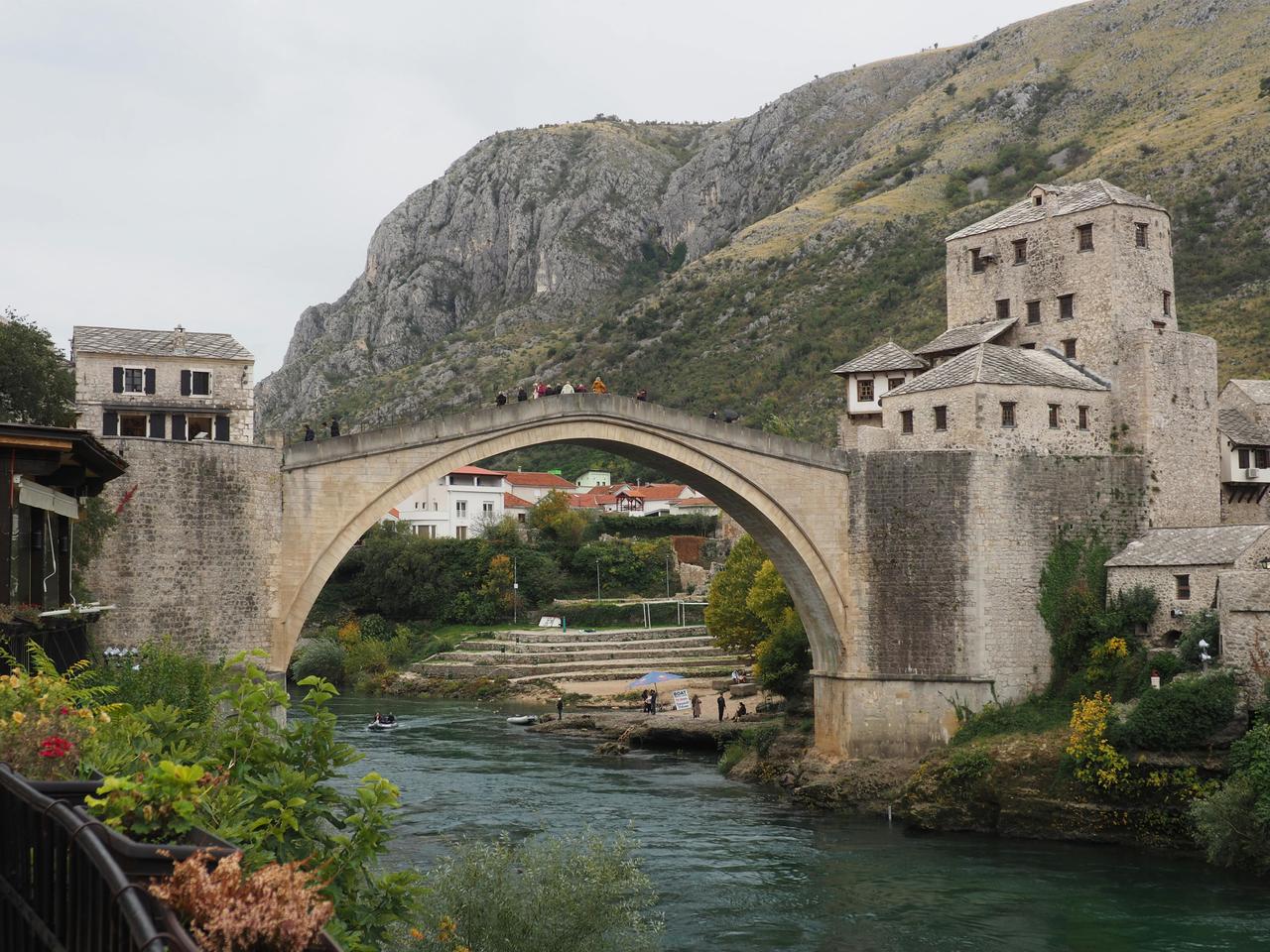
Balkan Architecture
Balkan architecture is a building tradition that emerged in Southeast Europe through the convergence of diverse cultural, religious, and political influences throughout history. The region has been under the rule of various powers, from the Roman Empire to Byzantium, and from the Ottomans to Austria-Hungary. This situation created the conditions for the development of distinct architectural types and forms at a regional scale. Different belief systems, ethnic diversity, and geographic conditions
EN
Esra Özkafa
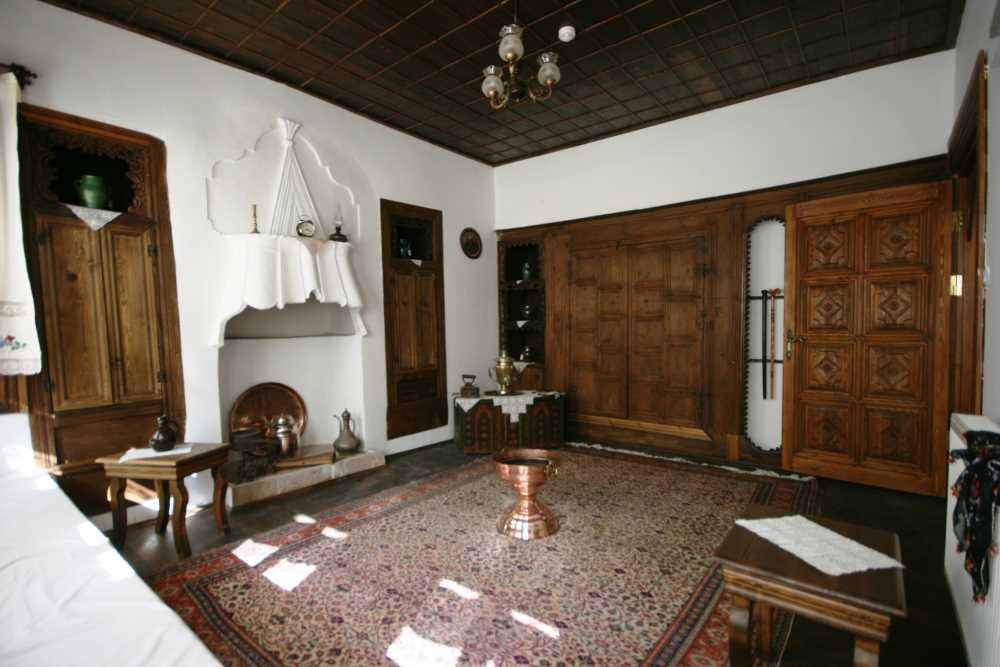
Tokat Culture House
Tokat Culture House is an ethnographic space in the center of Tokat that preserves traditional Turkish domestic architecture and displays cultural elements related to folk life. The building is one of the civil architectural examples reflecting Tokat’s historical urban fabric and provides visual and written materials about the city’s cultural past to both visitors and researchers. Location and General Characteristics Tokat Culture House is located in the center of Tokat, situated in an area that
EN
Yusuf İslam Tuğla
 Ka
KaKayseri Archaeological Museum
Kayseri Archaeology Museum is a cultural heritage institution located within Kayseri Castle in the city center of Türkiye. The museum operates to collect, preserve, scientifically classify, and exhibit archaeological artifacts from various historical periods found in Kayseri and its surroundings. The museum’s collection includes stone objects, statues, child mummies, clay tablets, coins, monumental tombs, tear bottles, cubes, ornaments, and fired clay artifacts spanning a broad chronological ran
EN
Meltem Saraç
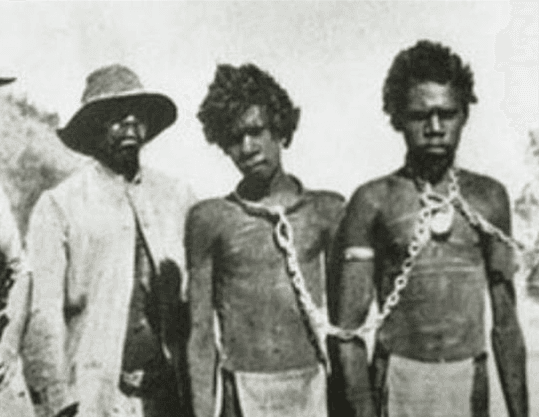
Aborigines
Aboriginal peoples are communities representing the Indigenous inhabitants of the Australian mainland, embodying a continuous historical and cultural presence spanning thousands of years across the continent. Under this umbrella, hundreds of distinct communities are included, each with unique geographic regions, languages, and self-identifications. In Australia, Indigenous peoples are generally categorized into two main groups: Aboriginal peoples and Torres Strait Islander peoples. Aboriginal pe
ENYusuf İslam Tuğla