

`coffee` Related Article Results

SÜVARİ KAHVESİ
Süvari kahvesi is a type of coffee that developed particularly in Western Anatolia as a regional interpretation of Turkish coffee culture, distinguished by its unique serving style and intense aroma. Served in slender-waisted glass tea glasses, its simple and unadorned preparation carries both practical and traditional significance. This coffee variety is not merely a beverage; it is also a cultural symbol deeply embedded in the social memory of Anatolia. Historical Background The origins of süv
EN
Kübra Firat
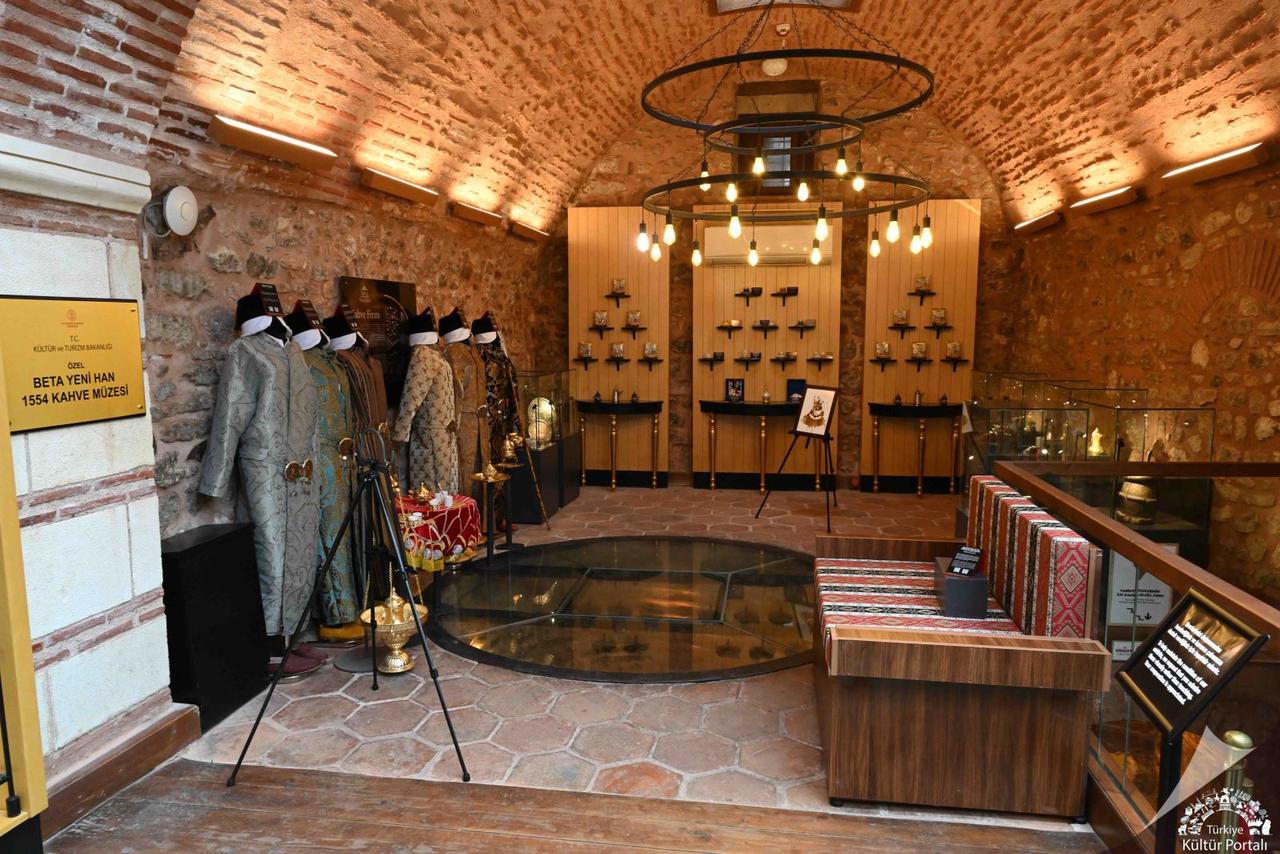
Beta Yeni Han 1554 Coffee Museum - Istanbul
Hans were large buildings where merchants and travelers journeying between cities would rest and securely store their goods hundreds of years ago. Beta Yeni Han in Istanbul is one such structure. However, it possesses a particularly significant feature that distinguishes it from others: its strong connection to the history of coffee. 📜 How Did Hans Operate in the Past? In earlier times, hans functioned like a combination of today’s hotels and shopping centers. They typically featured a large op
EN
Nida Üstün

Moka Pot
Moka Pot is a coffee brewing device that operates using steam pressure. It functions on the principle of passing hot water through ground coffee under the influence of steam pressure generated by the boiling water. Considered a precursor to home espresso machines, this method dissolves coffee components through its simple mechanical structure and heat transfer-based extraction system. It is typically made from aluminum or stainless steel. During the brewing process, as the water in the lower cha
EN
Nursena Güller
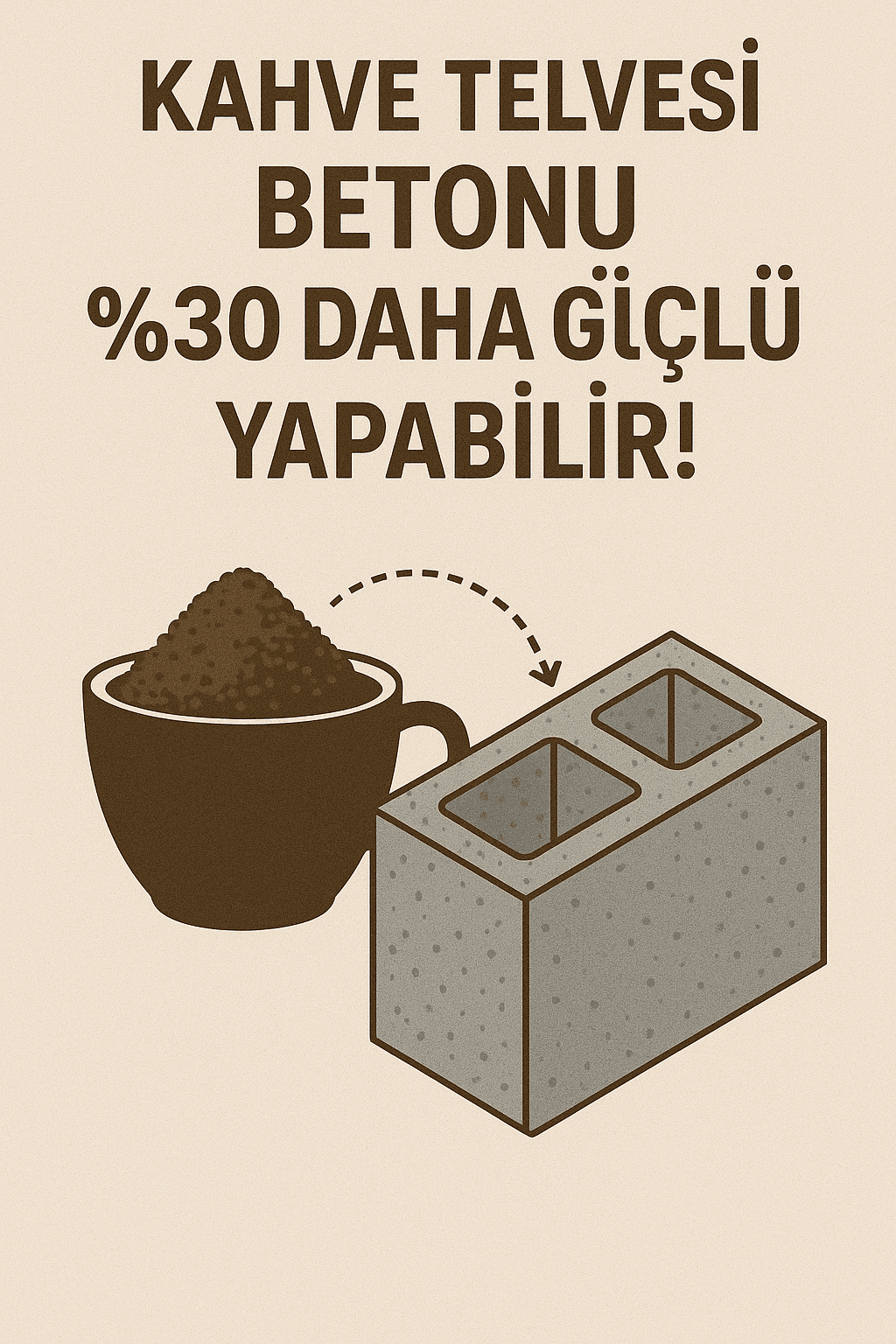
Coffee Pulp Concrete Can Make Concrete 30% Stronger!
Coffee, which has been part of our lives for approximately 500 years and is consumed during ceremonies, holidays, special occasions or simply for pleasure, has become an indispensable beverage in our culture. Coffee, said to have beneficial effects on human health, holds a unique and ancient place in our culture due to its history, the structures named after it, its brewing method, the way it is served and consumed, and the tools used in its preparation. Because of its rich cultural foundation,
EN
Ufuk Yarar
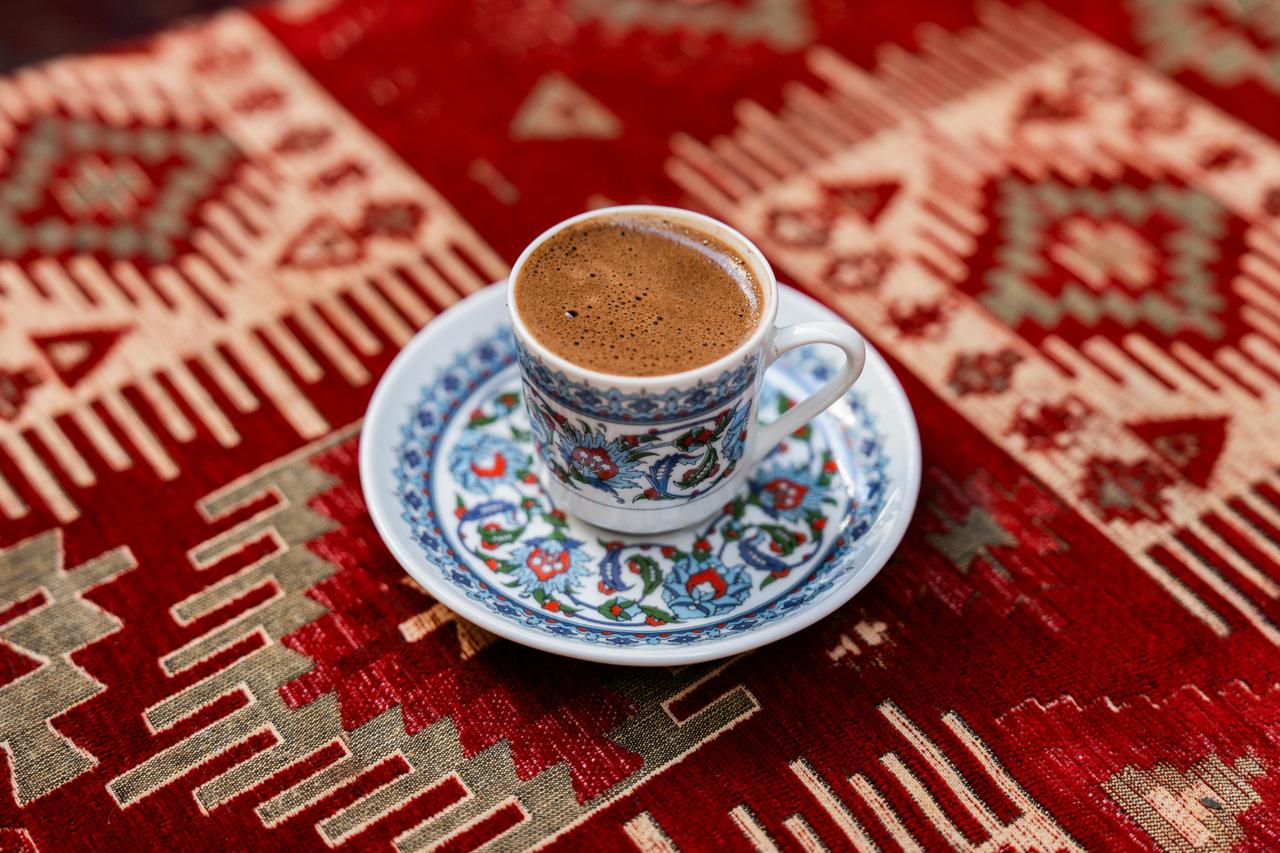
Kalk Git Café
Kalk git kahvesi is a symbolic coffee offering that signals to guests that it is time to leave a yâran sohbeti gathering. Served after the meal and game segments, this coffee indicates that the open, guest-inclusive phase of the conversation has ended. Rather than a direct verbal cue, it functions as a traditional and ritualistic signal. Its Place in Yâran Sohbetleri Yâran sohbetleri are disciplined, rule-bound gatherings conducted within a defined structure and hierarchy. Each phase of the meet
EN
Meryem Şentürk Çoban

What Is Coffee?
What Is Coffee? Coffee is one of the most beloved beverages in the world. It is made from the seeds of the coffee plant, which grows in tropical regions. The seeds are roasted, ground, and brewed with hot water to create this flavorful drink. People drink coffee in the morning for energy, to chat with friends, or simply for enjoyment. Now let’s learn how coffee travels from the tree to your cup! From Tree to Seed Coffee grows on a plant known as the coffee tree. These trees thrive in warm climat
EN
Mehmet Salih Çoban
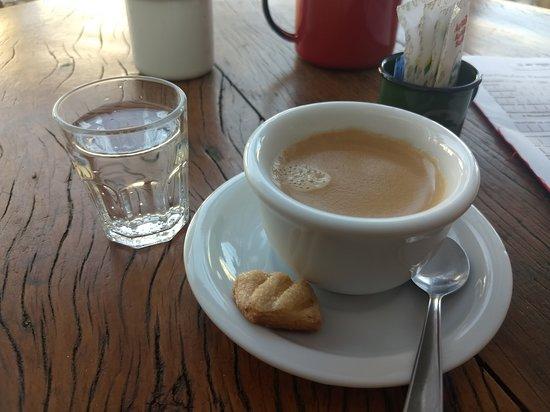
Cafezinho
Cafezinho is a strong and aromatic type of coffee served in a small cup and is an indispensable part of Brazilian cuisine. In Brazil, cafezinho is especially consumed after meals and is regarded as a symbol of hospitality and social interaction. The term originates from Portuguese, meaning “little coffee.”【1】 Characteristics Preparation Method Cafezinho is not prepared using a drip or espresso method. It has its own unique brewing technique. Typically, finely ground coffee is brewed by pouring h
EN
Doğan Eşkinat

Cold Coffee
The origins of iced coffee are traced in one story to 17th century Vienna, where citizens are said to have experimented with new brewing methods after encountering large quantities of coffee beans left behind by a retreating Ottoman army. Another story suggests that iced coffee evolved from a French beverage known as Mazagran, made from espresso, lemon, and ice. Many different types of iced coffee exist. For example, in Greece, iced coffee is a frothy mixture of coffee and sugar with added ice a
EN
Sertaç Arısoy
 Us
UsUse of Coffee in Private and Public Areas
Coffee holds a distinguished reputation and profound significance worldwide. With its diverse material and spiritual meanings across many cultures, coffee is one of the most important and valued elements of Turkish culture. The saying, “A cup of coffee is worth forty years,” illustrates the deep value assigned to coffee. This significance has given rise to social institutions such as the coffeehouse in the Ottoman era. As one of the key dynamics of society, coffeehouses served as tools for socia
EN
İrem İğde
UsUse Of Coffee In Private And Public Areas
Coffee has a great reputation and significance all around the world. Coffee which has many and different material and spiritual meanings in many cultures is one of important and valuable pieces in Turkish culture. “A coffee has a sake forty years.” is that these dicta demonstrate us how essential coffee’s value is. The value leads to some formations that is like coffee houses in Ottoman. Coffee houses being one of the societies dynamics is that a tool which enable society progress by socializing
TRİrem İğde