

`cinematography` Related Article Results
 18
18180 Degree Rule
The 180-Degree Rule is a fundamental principle in cinematography used to maintain spatial relationships between characters or objects on screen and to preserve the viewer’s sense of direction. This rule, camera movement, and shooting angle guideline aims to ensure visual consistency. Core Principle Axis Line (Imaginary Line): An imaginary axis is established between two characters on screen or between a character and an object. Maintaining the 180-Degree Angle: The camera must remain on one side
EN
Meryem Betül Kaya
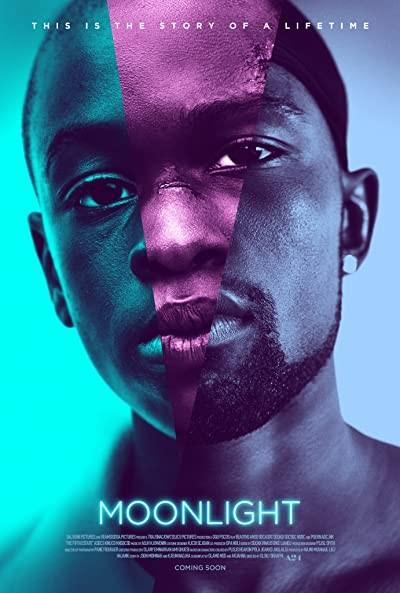
Moonlight (Film)
Moonlight, written and directed by Barry Jenkins, is an American film released in 2016. The film explores the childhood, adolescence, and adulthood of an individual. It addresses themes such as identity, belonging, and emotional connection, while issues like gender roles, race, and social class are subtly interwoven into the narrative backdrop. Notable for its visual storytelling, the film poses various questions about social dynamics through a personal story. Plot Moonlight portrays three stage
EN
Nida Üstün
MaManaki Brothers
Manaki Brothers, in the final period of the Ottoman Empire, were pioneering figures in photography and cinema history who operated in the Balkans. Of Ottoman subjects and ethnically Vlach (Aroman), the brothers documented the social, cultural, and political history of the Balkans through short documentary-style footage they began capturing from the early 20th century. Documentary on the Manaki Brothers (TRT 2) " youtube-video-element-format="right" youtube-video-id="Tqjg67pVeOo"> Lives Childh
EN
Duygu Şahinler
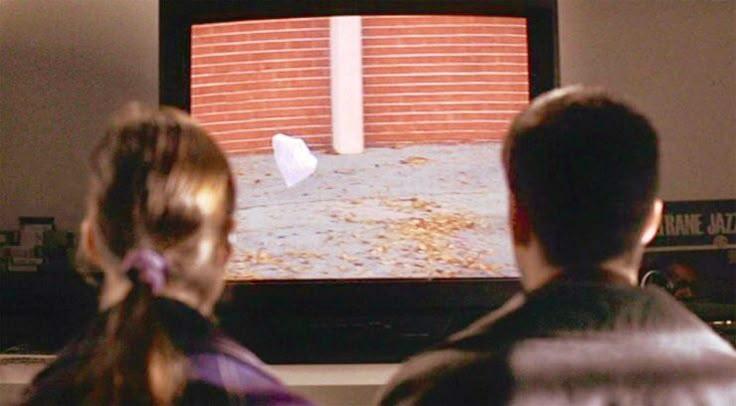
Awakening from a Perfect Coma: Image, Rebellion, and Truth in American Beauty
When you write about or adapt into cinema certain truths of society, people who are themselves part of the very things being criticized can find elements in the story that they perceive as false or taboo. Yet these are in fact naked realities that exist within the ordinary flow of life and that we must accept. The entrenched taboos and conservative moral frameworks of society, however, narrow our perspectives and blind us to cinematic truth. Sam Mendes’s 1999 masterpiece American Beauty is one o
EN
Aleyna Aysima ŞAHİN
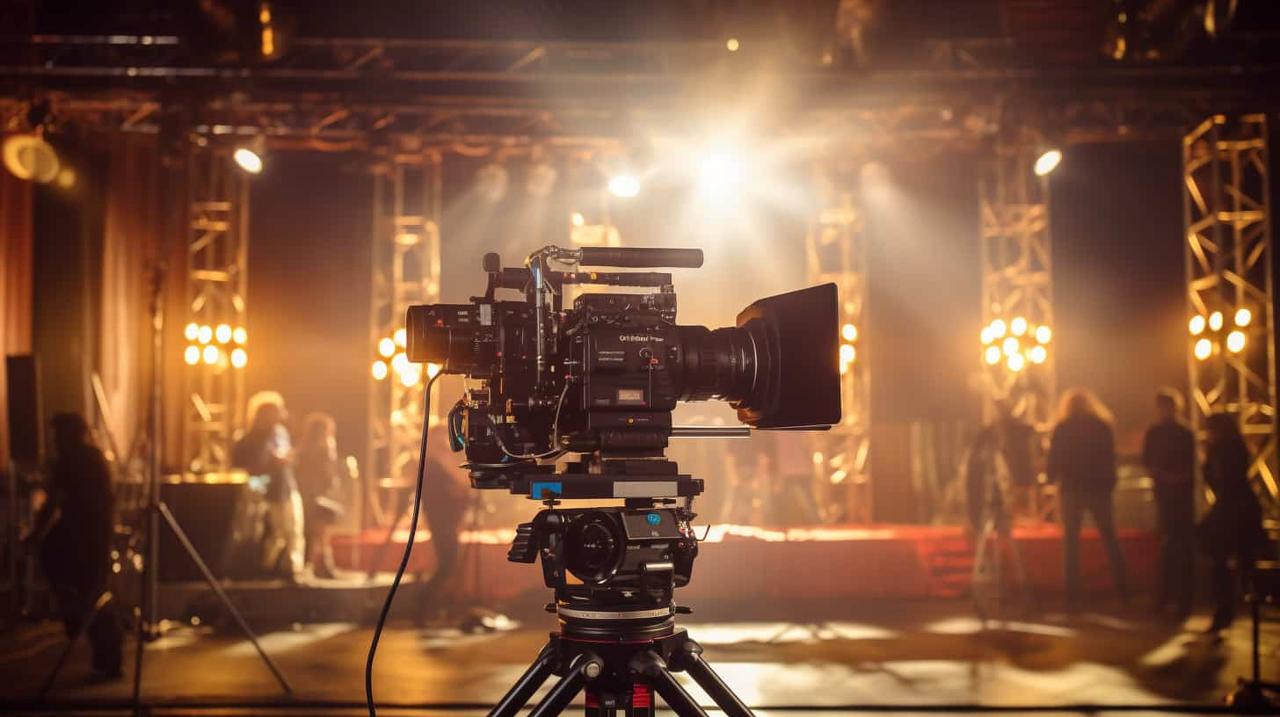
Cinematography
Cinematography is the process of visually recording moving images and creating a narrative language. The term is derived from the Greek words “kinesis” (movement) and “graphein” (to write), meaning “writing movement.” Cinematography plays a fundamental role in both the aesthetic and technical dimensions of cinema; it integrates elements such as light, color, composition, and camera movement to support visual storytelling. Sinematografi, hareketli görüntülerin görsel olarak kaydedilmesi ve anlatı
EN
Abdurrahman Abdul Mujeeb
IsIs Nolan’s "The Odyssey" more realistic, or Cüneyt Arkın’s Trambolini?
Christopher Nolan. This name is synonymous with mind-bending narratives, an obsession with practical effects, and a pursuit of “realism.” I am referring to the man who collaborated with scientists to depict black hole physics in Interstellar and flew actual wartime aircraft in Dunkirk. Clearly, my reaction upon watching the trailer resembled the sudden shock and alienation I felt when my then-girlfriend, during our cinema viewing of Dunkirk, panicked at the hyper-realistic engine noises and crie
EN
Hamza Aktay
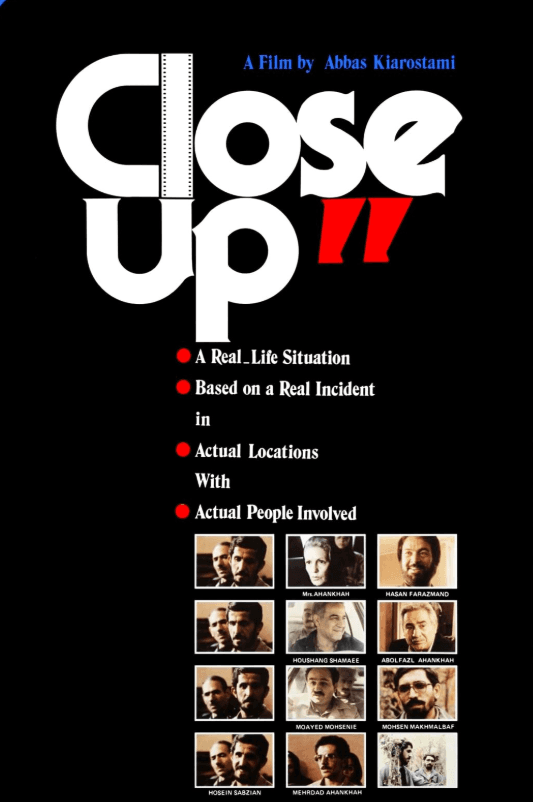
Close Range (Film)
Close-Up (Original Persian title: Nema-ye nazdik, international English title: Close-Up) is a 1990 feature film written and directed by Abbas Kiarostami. The film stands out for its hybrid structure blending documentary and fiction, its use of real people reenacting their own stories, and its philosophical reflections on the nature of cinema. As one of the key works of the Iranian New Wave, it has earned international acclaim and occupies a distinguished place in Kiarostami’s career. Close-Up ch
EN
Kadriye Beyza Kirenci
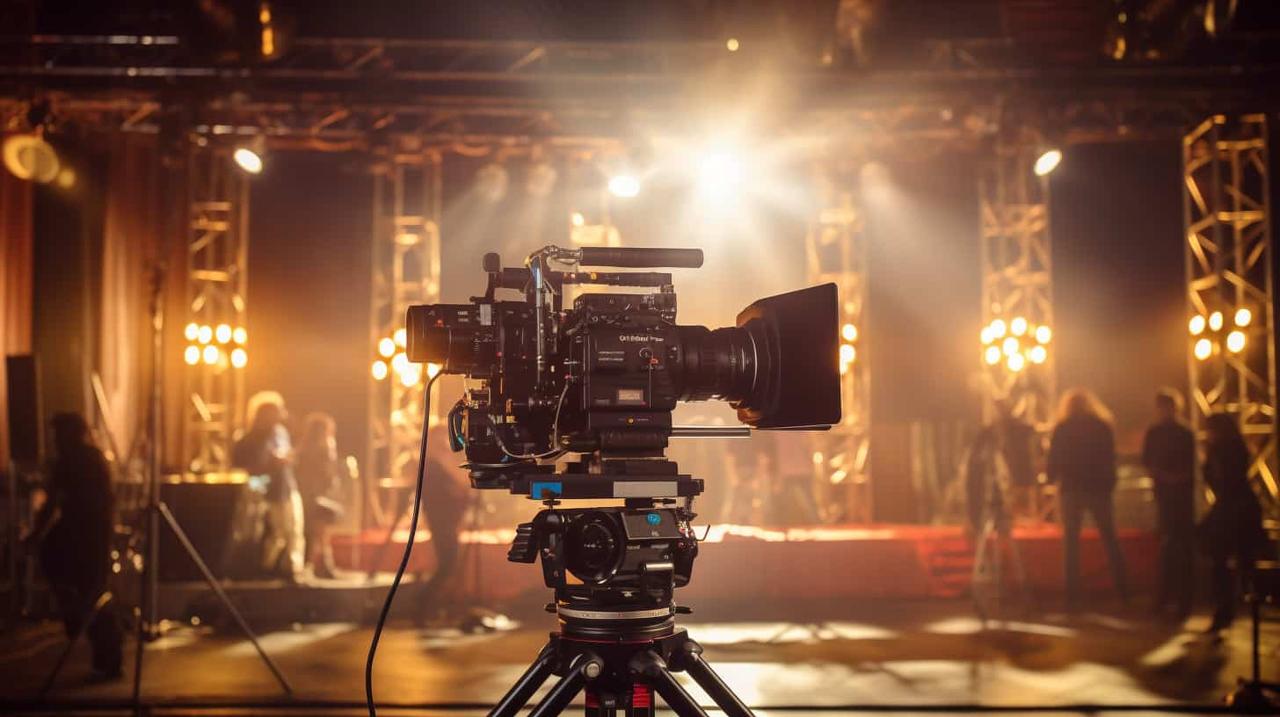
Cinematography
Cinematography is the process of visually recording moving images and constructing a narrative language. The term is derived from the Greek words "kinesis" (movement) and "graphein" (to write), meaning "writing movement" in word. Cinematography plays a fundamental role in both the aesthetic and technical dimensions of cinema; it integrates elements of light color, composition and camera motion as compositional tools to support visual storytelling. Professional camera and lighting equipment used
EN
Abdurrahman Abdul Mujeeb
CiCinematographic Instruments in the Middle Ages
Although “cinematic” devices did not exist in the modern sense during the Middle Ages, certain optical devices were used for performance and entertainment purposes. These technologies reflected human interest in visual illusions by combining science and art. During the Middle Era and later the Renaissance period, particularly the magic lantern (laterna magica) and magic boxes emerged as captivating optical display devices. These instruments created early period cinematic effects through the mani
EN
Nihal Fırat Özdemir
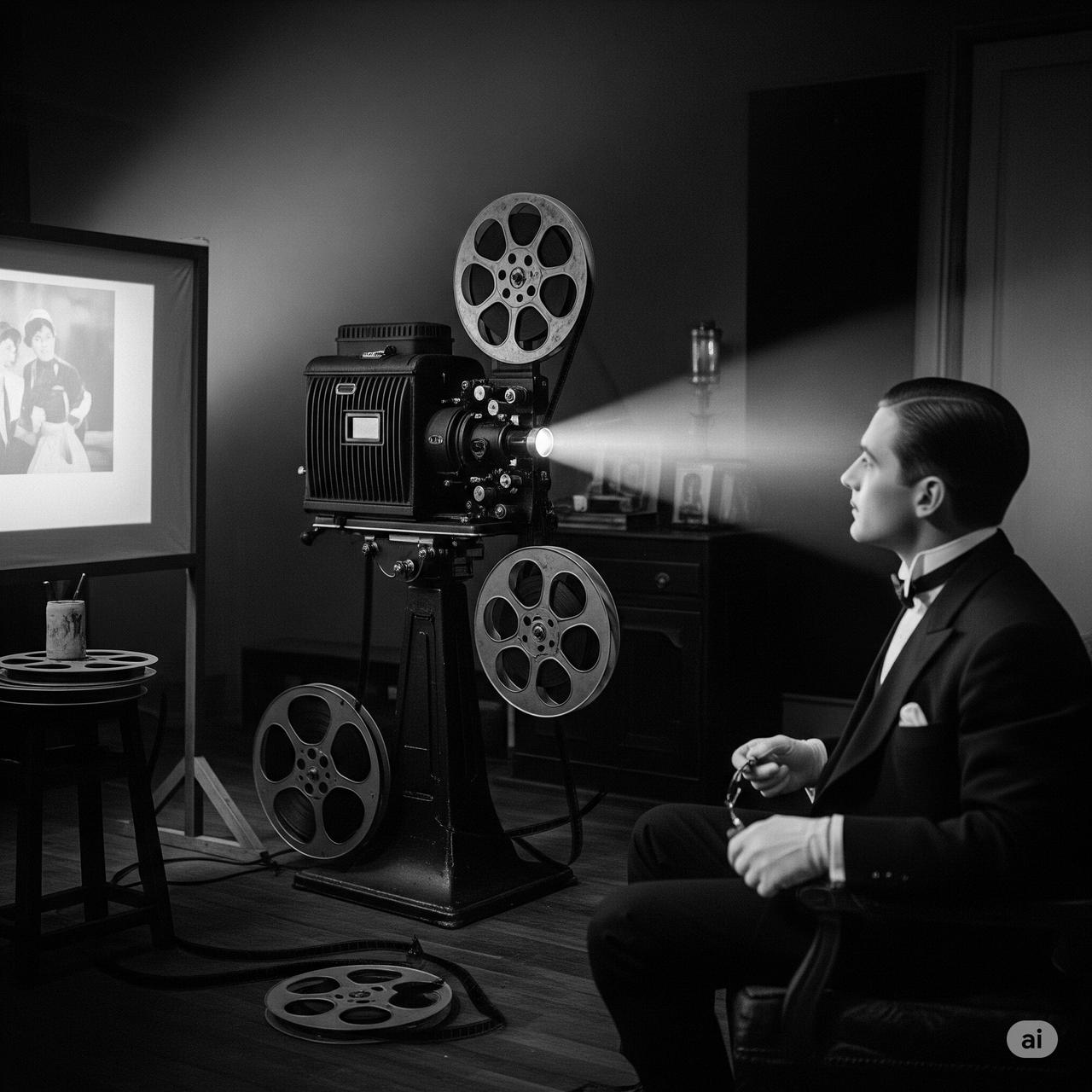
Silent Film Era
The Silent Film Era is the period in cinema history spanning from the late 1890s to the late 1920s during which films lacked synchronized dialogue and recorded sound effects. Narrative during this era relied on actors’ gestures and facial expressions visual composition and intertitles that conveyed the story or dialogue. Screenings were typically accompanied by live music performed by a pianist or orchestra to enhance the film’s atmosphere. This era, born out of technological limitations, is reg
EN
Nursena Şahin