This article was automatically translated from the original Turkish version.
Director | Abbas Kiarostami | ||||||||
|---|---|---|---|---|---|---|---|---|---|
Screenwriter | Abbas Kiarostami | ||||||||
Production Company | Kanoon Parvaresh Fekri | ||||||||
Genre | Biography, Crime, Drama | ||||||||
Language | Persian, Azerbaijani | ||||||||
Duration | 98 minutes (1 hour 38 minutes) | ||||||||
Release Date | 30 October 1991 (France) | ||||||||
Main Actors | Hossain Farazmand – Reporter Abbas Kiarostami – Himself | ||||||||
Main Actors | Hossain Sabzian (Himself) Mohsen Makhmalbaf (Himself) Abolfazl Ahankhah (Himself) Mehrdad Ahankhah (Himself) Hossain Farazmand (Reporter) Reporter Abbas Kiarostami (Himself) | ||||||||
Official Trailer. (TRT2)
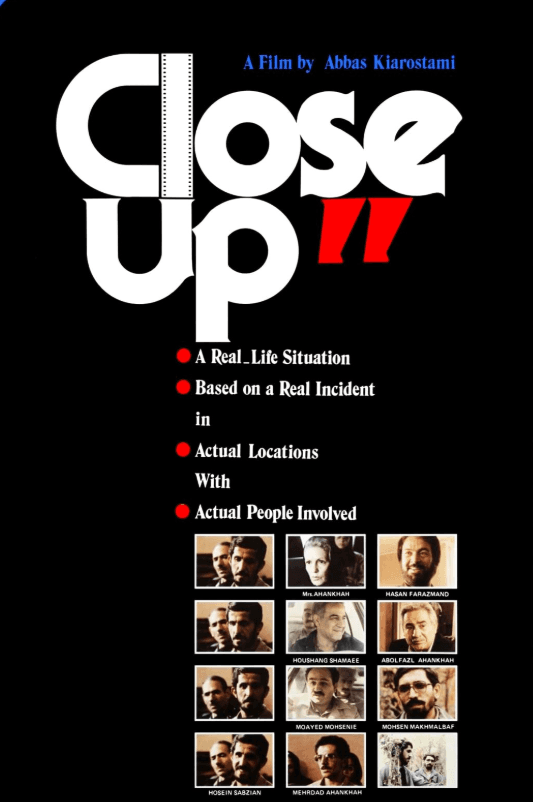
Close-Up (Original Persian title: Nema-ye nazdik, international English title: Close-Up) is a 1990 feature film written and directed by Abbas Kiarostami. The film stands out for its hybrid structure blending documentary and fiction, its use of real people reenacting their own stories, and its philosophical reflections on the nature of cinema. As one of the key works of the Iranian New Wave, it has earned international acclaim and occupies a distinguished place in Kiarostami’s career.
Close-Up challenges the viewer to question themes such as reality and falsehood, identity, and cinema’s capacity to reflect truth, creating an original cinematic language within the “docudrama” genre.
Filmden Bir Kare (Austin Film Society)
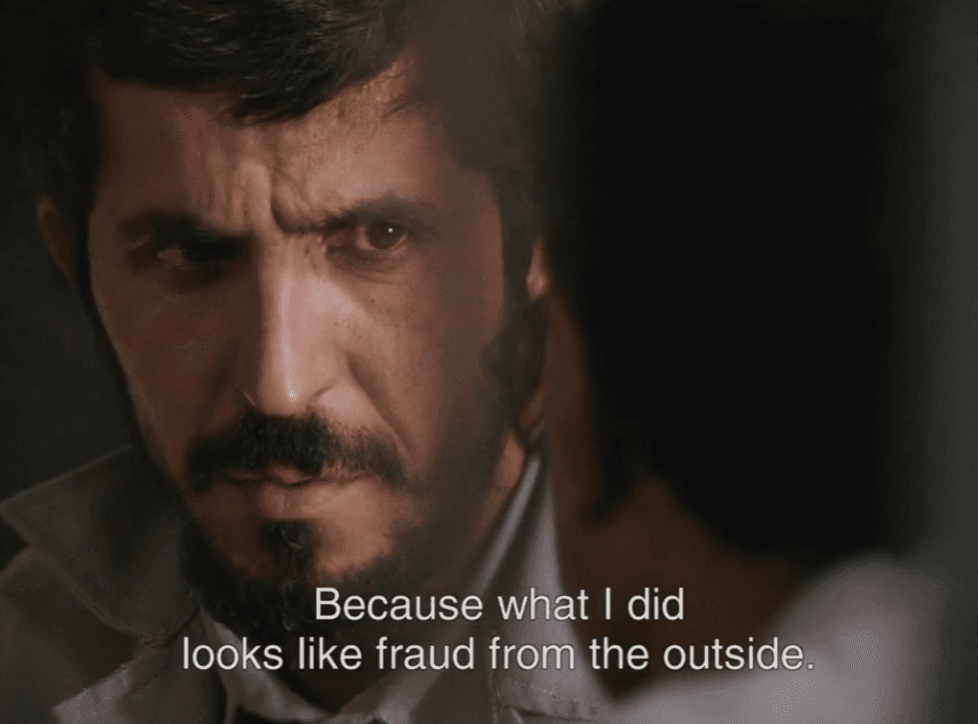
Close-Up centers on Ali Sabzian (Hossain Sabzian), a cinema enthusiast who impersonates the renowned director Muhsin Makhmalbaf (Mohsen Makhmalbaf) and infiltrates the lives of the affluent Ahankhah family in Tehran, convincing them that he will cast them in his upcoming film. Sabzian is later arrested on suspicion of fraud. Upon learning of the incident from a newspaper article, Abbas Kiarostami abandons his other project and begins investigating the case.
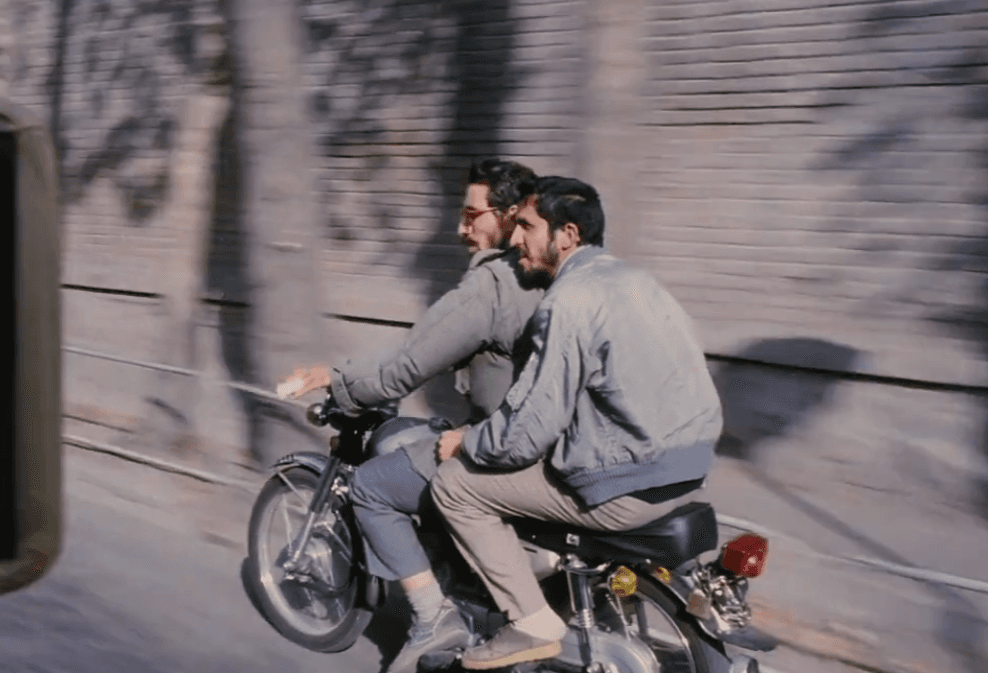
The real protagonists of the story—Sabzian, the Ahankhah family, and the journalist who reported the incident—appear before Kiarostami’s camera to reenact their experiences, while the film also presents actual courtroom recordings. Throughout the film, individual identity, artistic passion, and the boundaries of truth are explored through Sabzian’s courtroom defense and the reenactments outside the courtroom.
Filmden Bir Kare (Austin Film Society)
Close-Up is fundamentally built upon the questioning of the boundary between reality and simulation. The narrative examines the individual’s quest for truth through the medium of cinematic construction. Kiarostami draws on conceptual frameworks such as Sufi notions of “zahir-batin” (outer-inner) and the “point metaphor” representing the replication of reality to explore the fragmented and fragile nature of truth.
The film employs a “reflexive” approach, constantly reminding the viewer that they are watching a film. Sabzian’s defense of his deception reveals his deep yearning for art, opening a metaphorical discussion on class divisions in real society and the ordinary person’s connection to artistic expression.
Filmed in Tehran, the capital of Iran, the film was produced with support from the Kanoon Parvaresh Fekri organization. After learning of the incident, Kiarostami acted swiftly to obtain court permissions and completed filming in just 40 days. Instead of professional actors, Kiarostami cast the real participants of the events. The rough 16 mm footage of the actual courtroom proceedings is interwoven with smoother, fictionalized reenactment scenes.
Duruşma Sahnesinden Bir Yakın Çekim (Austin Film Society)
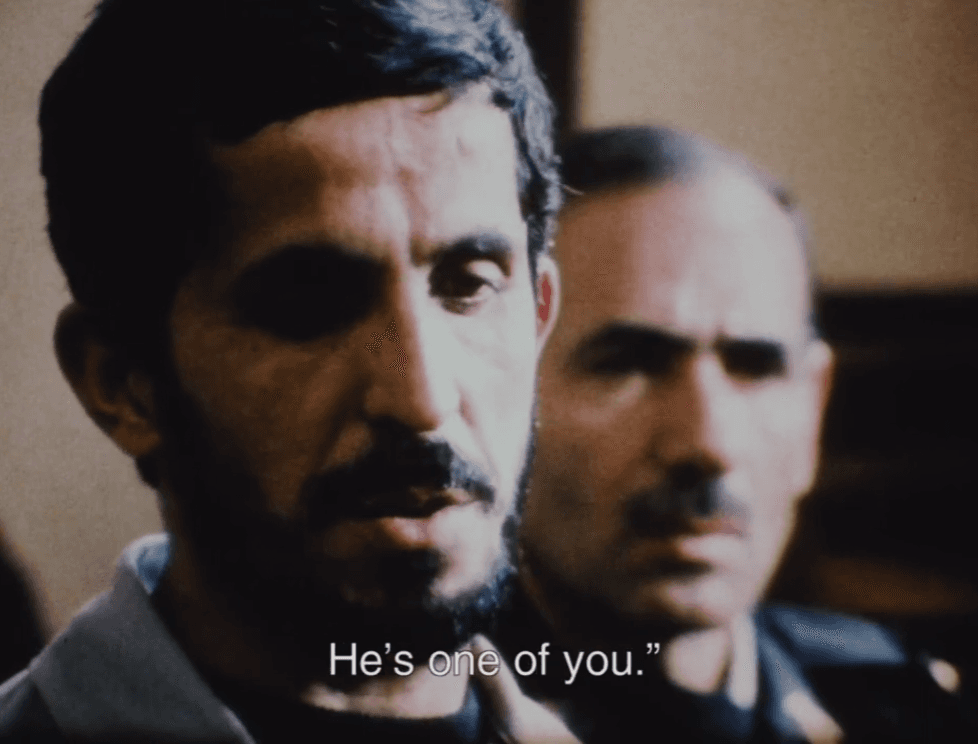
The film’s title, derived from the cinematic technique of the “close-up,” is not merely a visual choice but a central metaphor for the act of seeking truth. Uninterrupted close-ups of Sabzian’s face in the courtroom reflect the inner turmoil of the character.
Unlike classical cinema, Kiarostami deliberately disregards the “shot-reverse shot” rule in dialogue scenes. This draws attention to the unseen areas beyond the frame (the blind spot or “batin”), emphasizing that what is visible (the “zahir”) is only a partial representation. This technique creates in the viewer the sense that they are witnessing not the complete truth, but only the fragmented reality presented by the director.
Following its release, the film received numerous awards and nominations at prestigious international festivals:【1】
Austin Film Society. “AFS Presents: CLOSE-UP.” YouTube, 1:05. August 23, 2023. Accessed July 23, 2026.
IMDb. "Close-Up (1990) - Awards". IMDb. Accessed July 22, 2026.https://www.imdb.com/title/tt0100234/awards/?ref_=tt_awd
IMDb. "Close-Up (1990) - Release Info." Accessed July 22, 2026.https://www.imdb.com/title/tt0100234/
IMDb. "Yakın Plan (1990)." Accessed July 22, 2026.https://www.imdb.com/title/tt0100234/
Kiarostami, Abbas, dir. *Yakın Plan.* İran: Kanoon Parvaresh Fekri, 1990.
Şahin, Murat. "Abbas Kiarostami Filmlerinde Gerçekçilik: Yakın Çekim (Nema-ye Nazdik – 1990) Filminin Nokta Metaforuyla Yeni Bir Okuması." *Selçuk İletişim Dergisi* 14, no. 3 (2021): 1341-1370. Accessed July 22, 2026.https://dergipark.org.tr/tr/download/article-file/1589929
[1]
IMDb, "Close-Up (1990) - Awards", IMDb, erişim tarihi: 22 Temmuz 2026, https://www.imdb.com/title/tt0100234/awards/?ref_=tt_awd

Director | Abbas Kiarostami | ||||||||
|---|---|---|---|---|---|---|---|---|---|
Screenwriter | Abbas Kiarostami | ||||||||
Production Company | Kanoon Parvaresh Fekri | ||||||||
Genre | Biography, Crime, Drama | ||||||||
Language | Persian, Azerbaijani | ||||||||
Duration | 98 minutes (1 hour 38 minutes) | ||||||||
Release Date | 30 October 1991 (France) | ||||||||
Main Actors | Hossain Farazmand – Reporter Abbas Kiarostami – Himself | ||||||||
Main Actors | Hossain Sabzian (Himself) Mohsen Makhmalbaf (Himself) Abolfazl Ahankhah (Himself) Mehrdad Ahankhah (Himself) Hossain Farazmand (Reporter) Reporter Abbas Kiarostami (Himself) | ||||||||
Plot
Theme
Cast and Characters
Production
Close-Up Shooting Technique
Awards and Nominations