

`cesme` Related Article Results
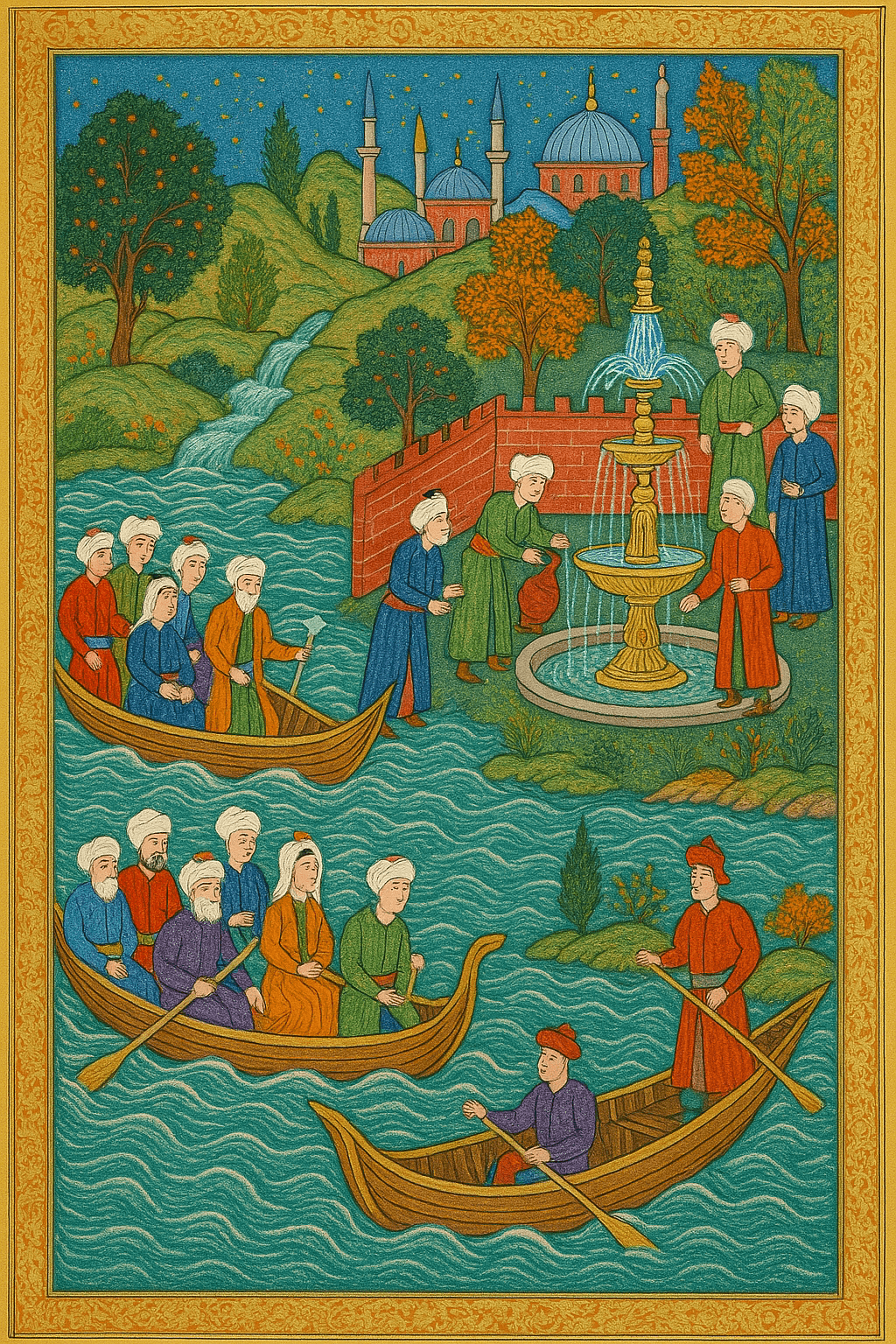
Water and Fountain Culture in the Ottoman Empire
The Ottoman civilization emerged as a society that placed great emphasis on water and the construction of water structures. The architectural layout of cities was shaped in accordance with the social life and charitable outlook of the Ottoman people, where fountains, sebils and water structures became cultural elements at the heart of communal life, not merely decorative features but central spaces for social interaction place. Water and Çeşme Culture in the Ottoman Era. (Generated
EN
Hayrunnisa Akın
 Al
AlAlaçatı Kutlu Aktaş Dam
Alaçatı Kutlu Aktaş Dam is a water source located in the Çeşme district of İzmir Province, Türkiye, serving the place area through important and connected via water. Constructed in conjunction with the Alaçatı Regulator and transmission line Dam, it was built to meet the drinking and utility water needs of the region to meet. The dam supplies a significant portion of Çeşme’s drinking water and is managed by the İzmir Water and Sewerage Administration (İZSU). Alaçatı Kutlu Aktaş Dam – İZSU " imag
EN
Nurten Yalçın
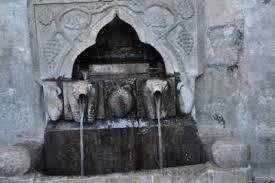
Mardin Walnut Fountain
Mardin is an ancient city renowned for its stone houses and narrow streets. Water was of great importance to the people who lived in this city, which is why numerous fountains were constructed in various parts of the city. The Ceviz Çeşmesi (also known as Ayn'Cevz or Babessor Çeşmesi) is one of these old and significant fountains in Mardin. It is a fine example that illustrates how valuable water was to people and how such waters were transported in earlier times. Mardin Ceviz Çeşmesi (Culture P
EN
Nida Üstün
Mardin Ceviz Çeşmesi
Mardin, taş evleri ve dar sokaklarıyla ünlü, eski bir şehirdir. Bu şehirde yaşamış insanlar için su çok önemliydi. Bu yüzden, şehrin farklı yerlerinde pek çok çeşme yapılmıştır. Ceviz Çeşmesi (Bazen Ayn'Cevz veya Babessor Çeşmesiolarak da geçer), Mardin'deki o eski ve önemli çeşmelerden biridir. Suyun insanlar için ne kadar değerli olduğunu ve eskiden bu suların nasıl ulaştırıldığını gösteren güzel bir yapıdır. Mardin Ceviz Çeşmesi (Kültür Portalı) " image-element-format="right" image-source="ht
TRNida Üstün
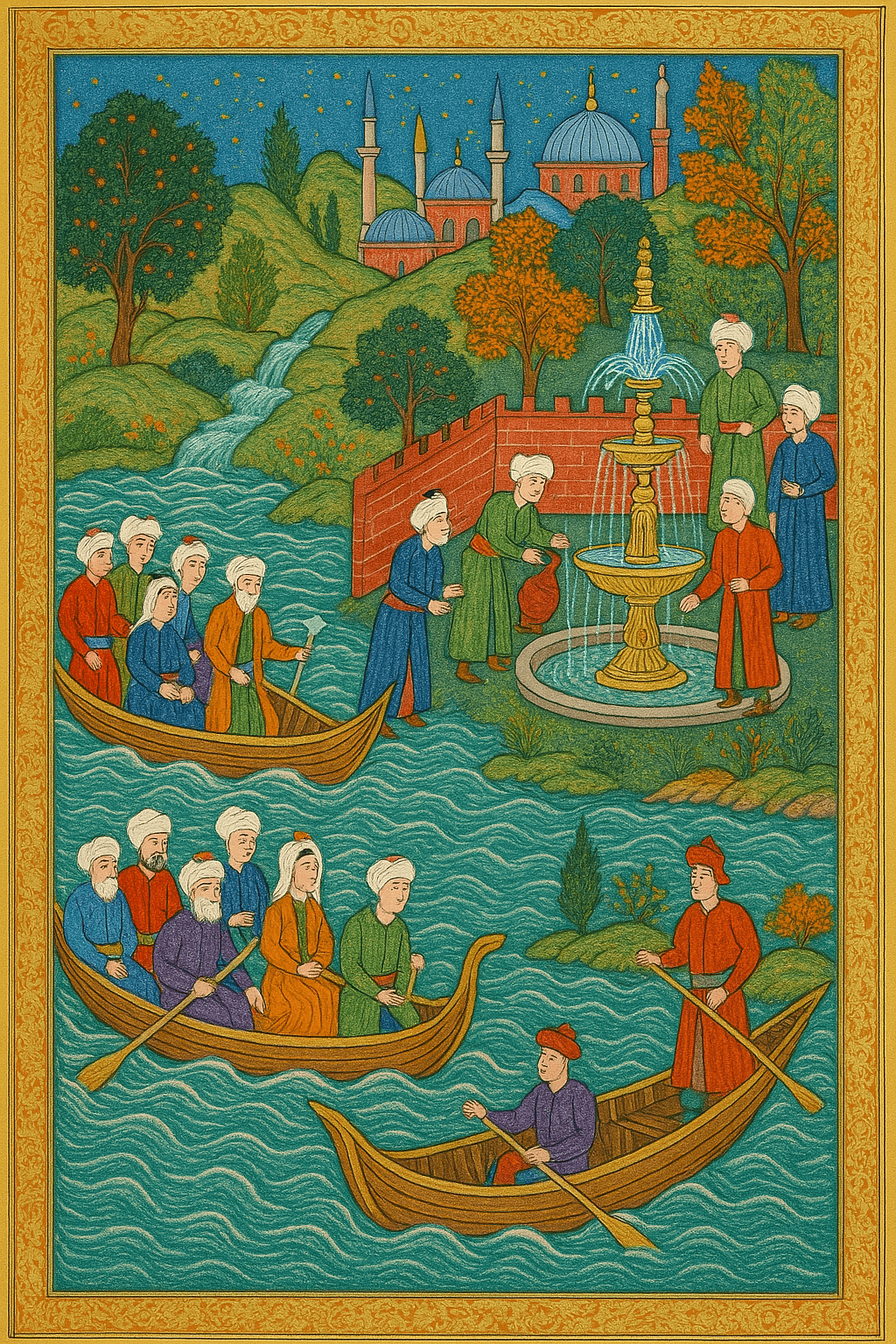
Osmanlı’da Su ve Çeşme Kültürü
Osmanlı medeniyeti, suya ve su yapılarının inşasına büyük önem veren bir uygarlık olarak öne çıkmıştır. Şehirlerin mimari düzeni, Osmanlı insanının sosyal hayatı ve hayır anlayışı doğrultusunda şekillenmiş, çeşmeler, sebiller ve su yapıları sadece birer altyapı unsuru değil, aynı zamanda toplumsal hayatın merkezinde yer alan kültürel unsurlar haline gelmiştir. Osmanlı'da Su ve Çeşme Kültürü. (Yapay Zekayla Oluşturulmuştur.) " image-alternate="" image-element-format="right"> Osmanlı Şehirlerin
TR
Hayrunnisa Akın
İzmir (İl)
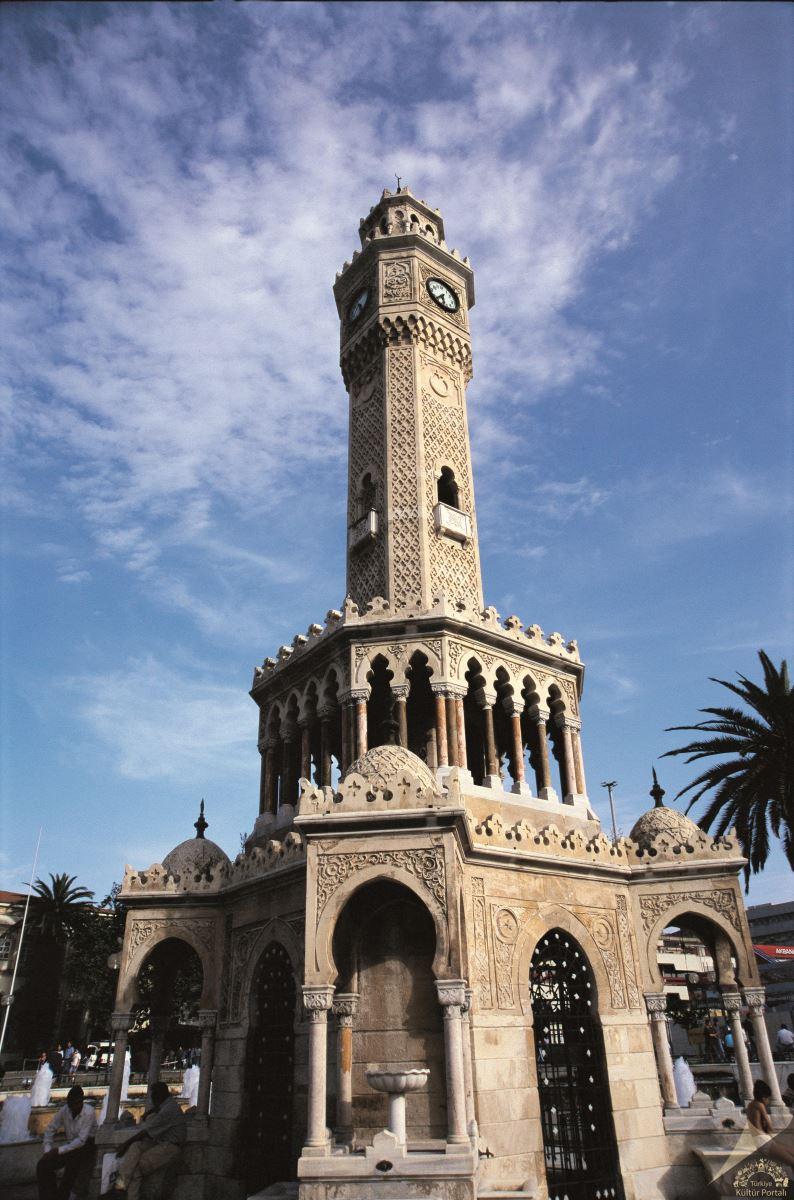
İzmir, binlerce yıllık geçmişiyle Anadolu'nun en önemli kentlerinden biri olarak dikkat çeker. Kentin kökenleri, Bayraklı'daki Tepekule Höyüğü'nde yapılan arkeolojik kazılara göre M.Ö. 3000 yılına kadar uzanmaktadır. Eski İzmir'in ilk yerleşimi, savunma kolaylığı ve ticari avantajları nedeniyle yarımada üzerinde kurulmuştu. Smyrna adıyla bilinen bu yerleşim, zaman içinde gelişerek ticaret ve denizcilik faaliyetlerinde önemli bir merkez haline gelmiştir. Özellikle Roma, Osmanlı ve Cumhuriyet döne
TR
Ahmet Dağ
AlAlaçatı Kutlu Aktaş Barajı
Alaçatı Kutlu Aktaş Barajı, Türkiye'nin İzmir ilinde, Çeşme ilçesinde yer alan önemli bir su kaynağıdır. Baraj, Alaçatı Regülatörü ve iletim hattı ile birlikte, bölgenin içme ve kullanma suyu ihtiyacını karşılamak amacıyla inşa edilmiştir. Çeşme ilçesinin içme suyu ihtiyacının önemli bir kısmını sağlayan baraj, İzmir Su ve Kanalizasyon İdaresi (İZSU) tarafından yönetilmektedir. Alaçatı Kutlu Aktaş Barajı - İZSU " image-alternate="" image-element-format="right"> Teknik Özellikler ve Kapasite M
TR
Nurten Yalçın
İzmir (Province)
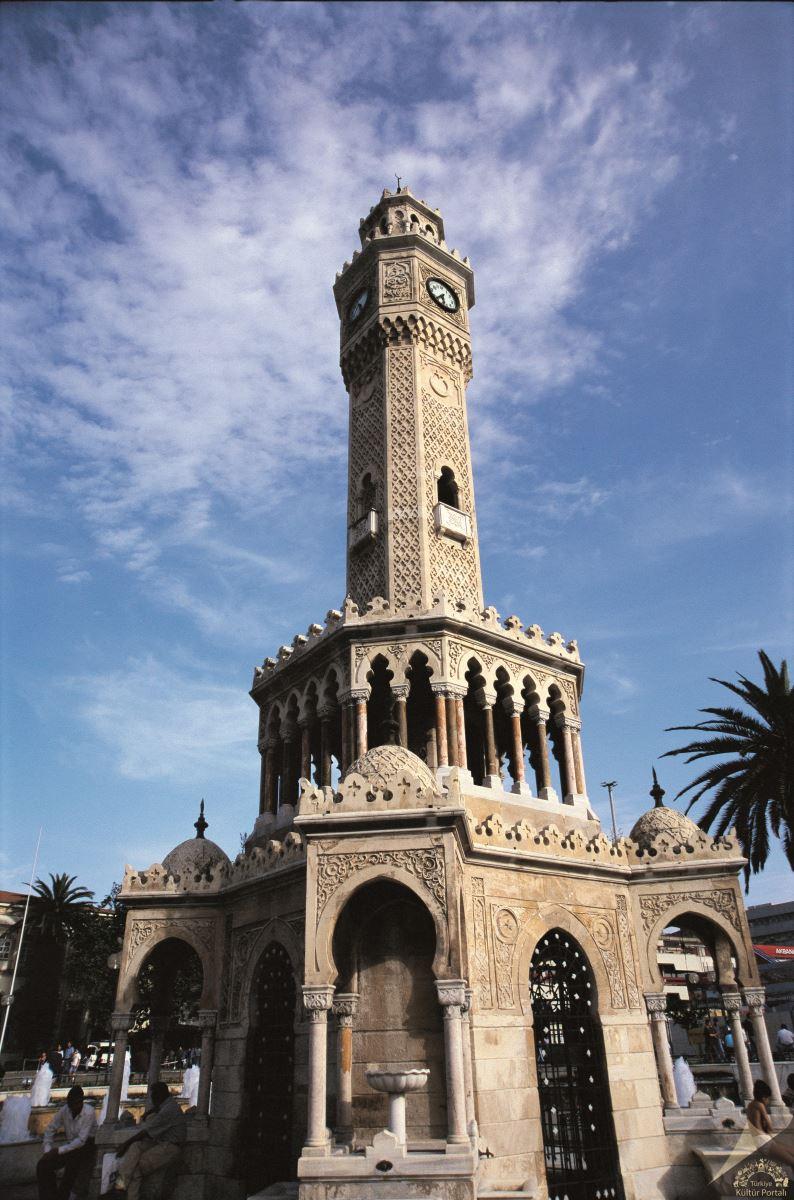
İzmir, with its thousands of years of history, stands out as one of Anatolia's most important cities. The origins of the city extend back to 3000 BCE, according to archaeological excavations at the Tepekule Höyüğü in Bayraklı. The first settlement of ancient İzmir was established on a peninsula due to its defensive advantages and commercial benefits. Known as Smyrna, this settlement developed within time and became an important trade and maritime hub. Its significance continuously grew during th
EN
Ahmet Dağ
Water and Fountain Culture in the Ottoman Empire
Ottoman civilization emerged as a society that placed great importance on water and the construction of water structures. The architectural layout of cities was shaped in accordance with the social life and charitable outlook of the Ottoman people, and fountains, sebils, and water systems became not merely infrastructure elements but also cultural features at the heart of social life. Water and Çeşme Culture in the Ottoman Era. (Generated by Artificial Intelligence.) " image-element-format="righ
ENHayrunnisa Akın
AlAlaçatı Kutlu Aktaş Dam
Alaçatı Kutlu Aktaş Dam, located in the Çeşme district of İzmir province, Türkiye, is an important water source. The dam, together with the Alaçatı Regulator and transmission line, was constructed to meet the region’s drinking and utility water needs. The dam supplies a significant portion of Çeşme’s drinking water and is managed by the İzmir Water and Sewerage Administration (İZSU). Alaçatı Kutlu Aktaş Dam - İZSU " image-alternate="" image-element-format="right"> Technical Specifications and
ENNurten Yalçın