

`bulgaria` Related Article Results
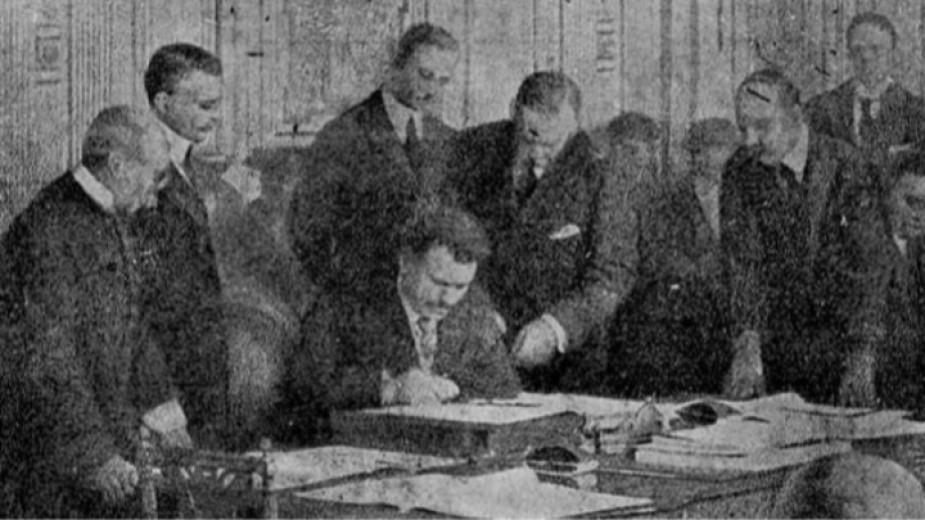
Treaty of Neuilly
The Treaty of Neuilly, signed on 27 November 1919 between Bulgaria and the Allied Powers following Bulgaria’s defeat in World War I, imposed significant territorial losses and heavy military and economic obligations. World War I (1914–1918) was a period in which Bulgaria failed to achieve its national objectives and suffered massive losses. Having entered the war with the ambition of establishing regional dominance in the Balkans, Bulgaria emerged in an even more precarious position. The Treaty
EN
Mehmet Salih Çoban
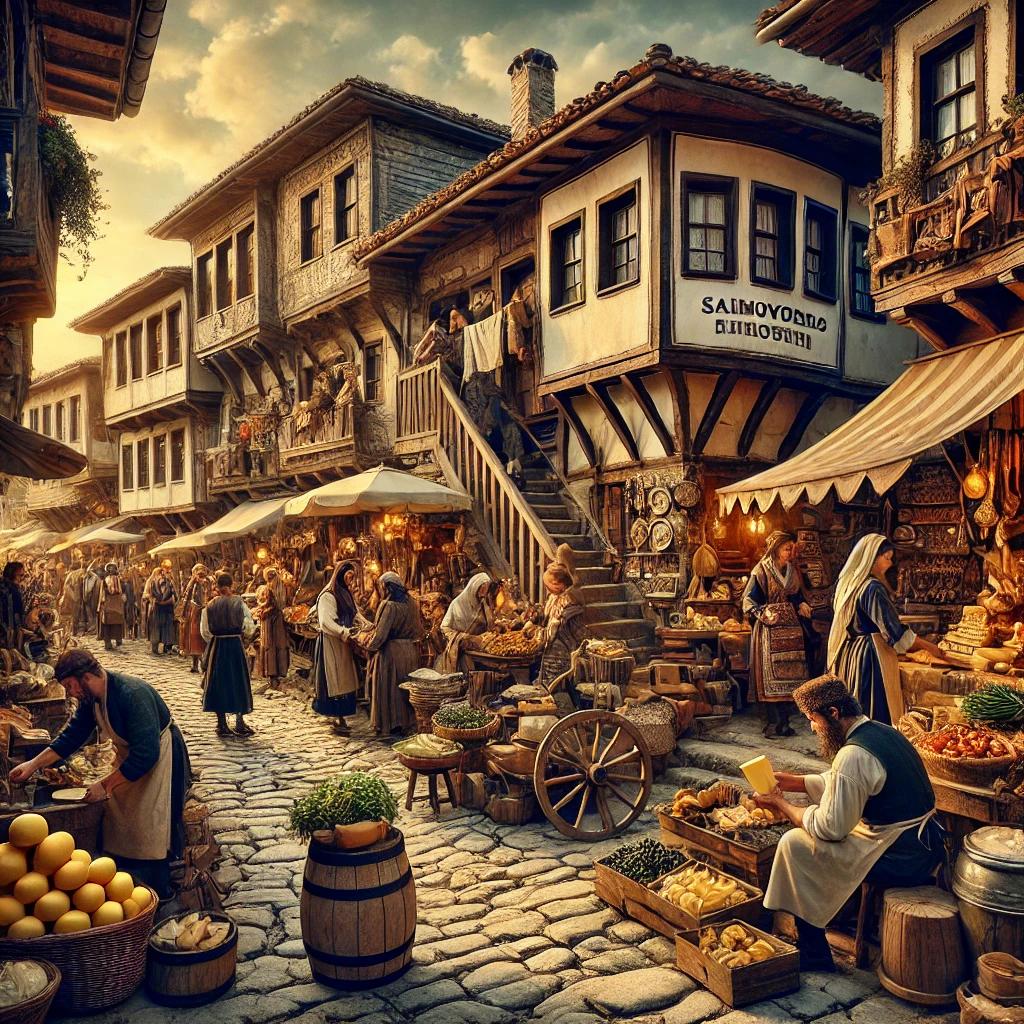
Samovodska Market (7-12)
Samovodska Bazaar is a historic market located in the heart of Tırnova, Bulgaria. Established in the 19th century, this market served for many years as the city’s key economic and cultural center. On Wednesdays and Fridays especially, the bazaar was particularly crowded. People came here to purchase food items such as fresh milk, cheese, and butter. Blacksmithing and Copperwork: Household items and decorative objects were crafted. Weaving and Textiles: Traditional clothing was woven. Ceramics an
EN
Mehmet Salih Çoban
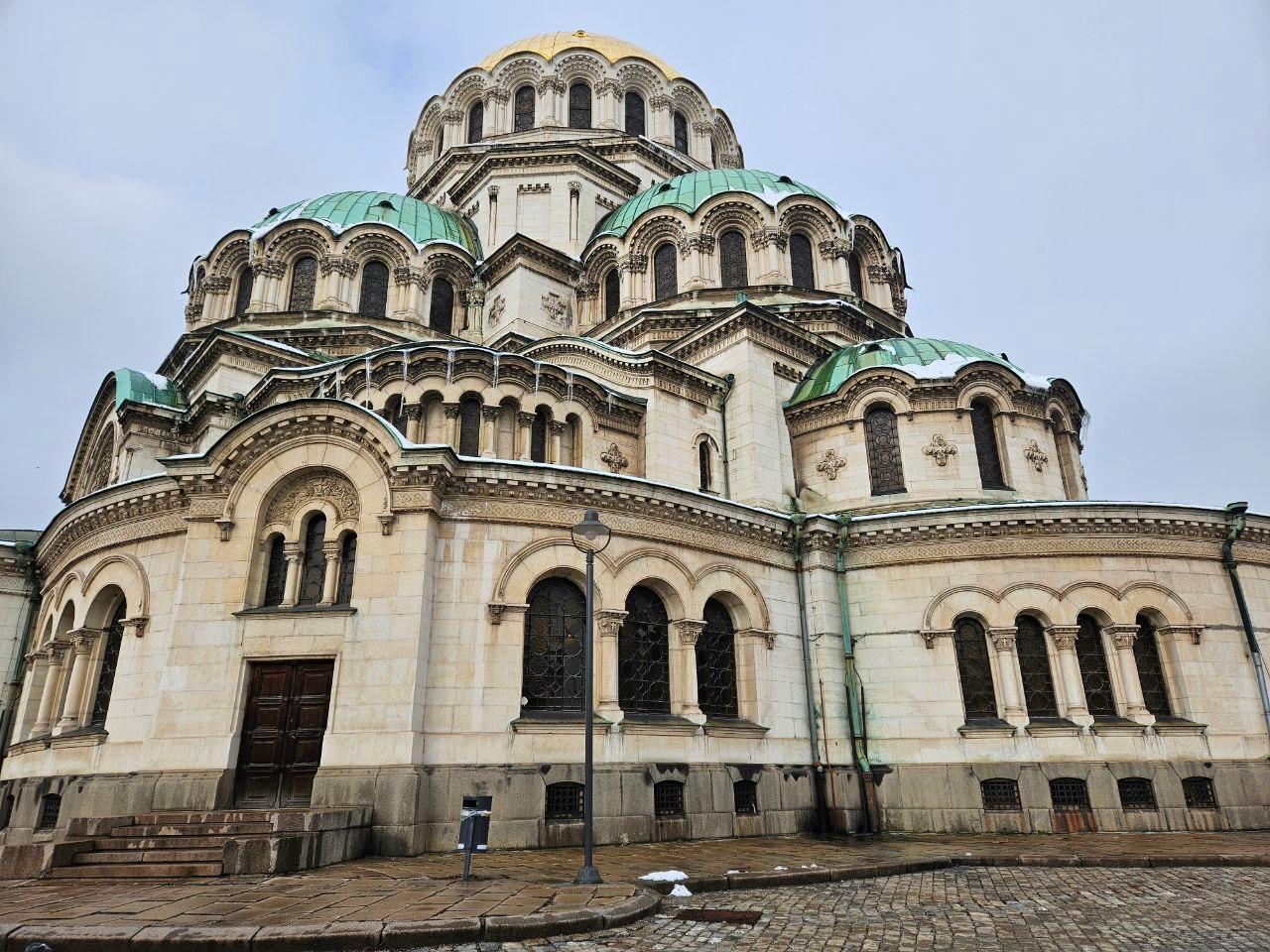
St. Alexander Nevski Cathedral
St. Alexander Nevski Cathedral is a patriarchal cathedral located in Sofia, the capital of Bulgaria, and one of the country’s most significant symbolic structures. Built as a monument to national independence and religious identity, it is among Bulgaria’s most renowned landmarks due to its architectural grandeur, interior and exterior decorations, and historical significance. History The idea of constructing St. Alexander Nevski Cathedral emerged after Bulgaria gained independence following the
EN
Meryem Şentürk Çoban
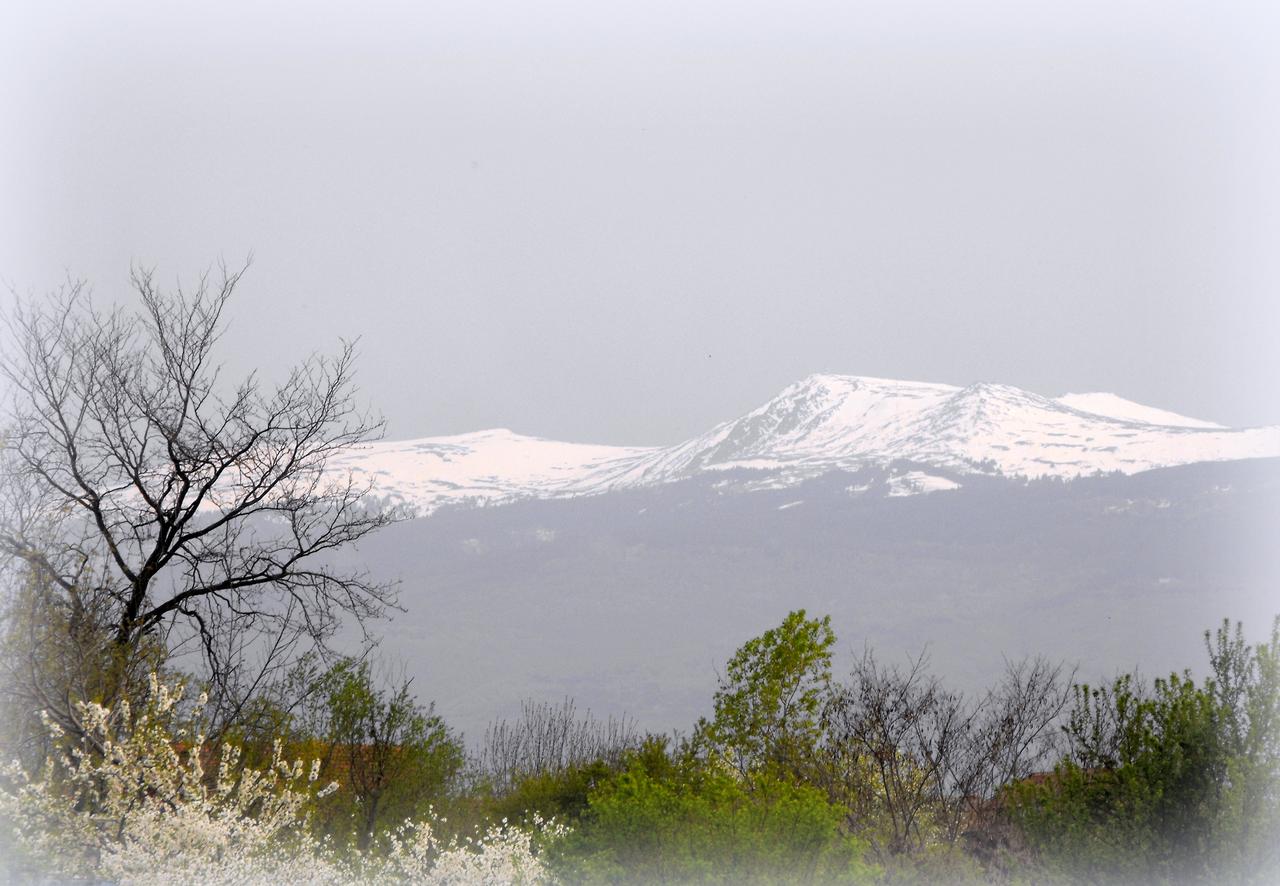
Vitosha Mountain
Vitosha Mountain is a mountain massif located immediately south of Bulgaria’s capital Sofia and is one of the country’s most renowned natural symbols. Its proximity to the center of Sofia—less than 10 kilometers away—has made it the capital’s closest recreational and tourism destination. The highest point of the mountain is the peak of Cherni Vrah (Black Peak), reaching 2290 meters. With an area of 278 km², it covers approximately 0.25 percent of Bulgaria’s total land area. Geographical Location
ENMeryem Şentürk Çoban
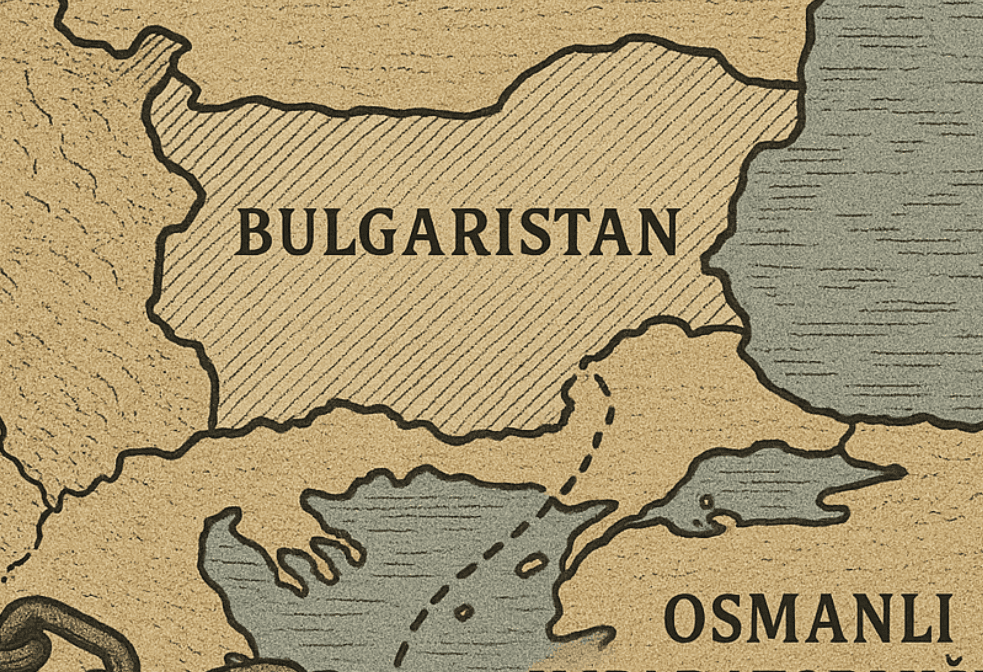
How Did Bulgaria Separate from the Ottoman Empire? A Brief Assessment
Along with the wave of nationalism, Russia, through its Pan-Slavist policy, began inciting all Slavic communities against Ottoman State. Russia pursued an intensive campaign to spread Pan-Slavism by engaging in material and cultural activities among the Bulgarians. By the final quarter of the century, Bulgarians had placed their hopes for independence in the Tsar. Many Bulgarians received scholarships to study in Russia and came under the influence of Pan-Slavism. The administration of Ottoman p
ENMehmet Salih Çoban
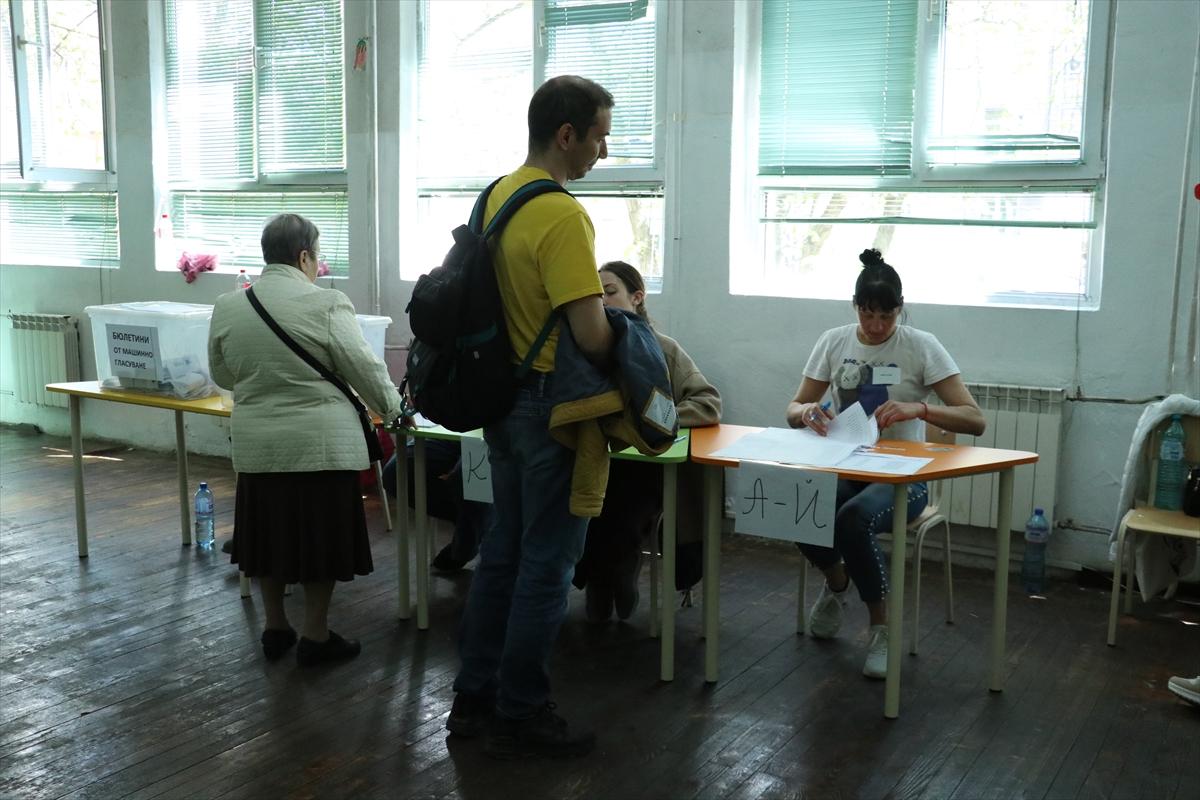
2026 Bulgaria General Elections
2026 Bulgarian Parliamentary Elections, held on 19 April 2026, were the eighth general election in the last five years for Bulgaria’s 240-seat National Assembly. In this election, the Progressive Bulgaria coalition led by former President Rumen Radev came in first place with approximately 44.6–44.7 percent of the vote. This result marked the first time since 1997 that a single political force achieved an absolute majority in Bulgaria’s parliament. The election process was shaped by deepening pol
EN
Edanur Karakoç
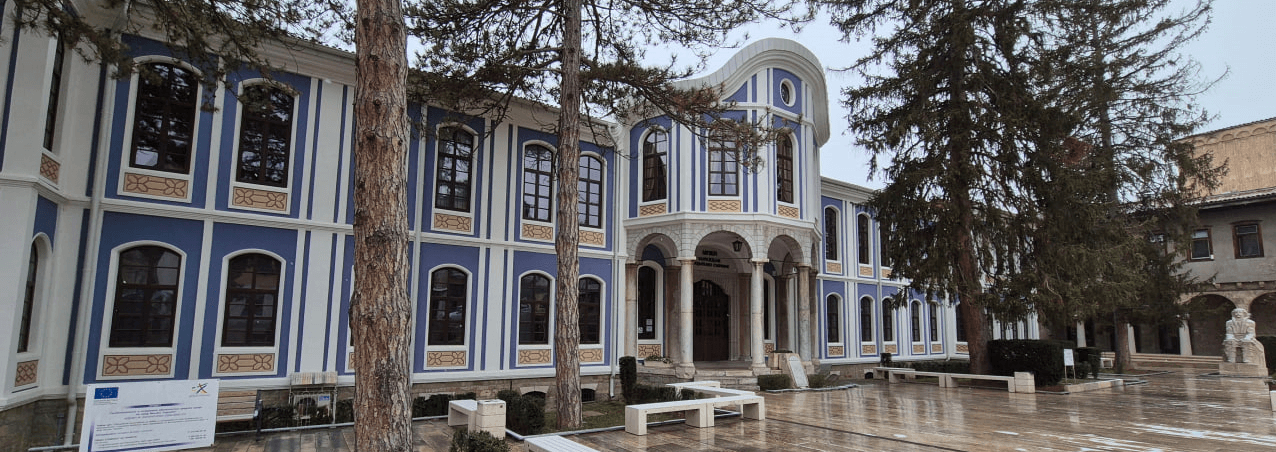
Museum of Revival and Constituent Assembly
The Museum of Revival and Constituent Assembly is located in the northern part of Saedinenie Square (Unification Square) in the city of Veliko Tarnovo, Bulgaria. The museum operates in an old Turkish konak, which was used as a police station during the Ottoman period. This architectural monument was built in 1872 by one of the leading Bulgarian masters of the 19th century, Kolyu Ficheto. The building has two floors on the northern side and four on the southern side, and its transformation into a
ENMehmet Salih Çoban
 Ly
LyLyutenitsa
Lyutenitsa is a staple of Balkan cuisine, known for its rich, spicy flavor and vegetable-based composition. The name derives from the Bulgarian, Serbian, and Macedonian words lyuto, ljuto, or luto, meaning "spicy" or "hot." Popular in Bulgaria, Serbia, North Macedonia, and Türkiye, this unique relish holds a special place in both traditional and modern kitchens. Ingredients and Varieties The key ingredients of lyutenitsa include red peppers, tomatoes, eggplant, carrots, garlic, sunflower oil, an
ENMehmet Salih Çoban
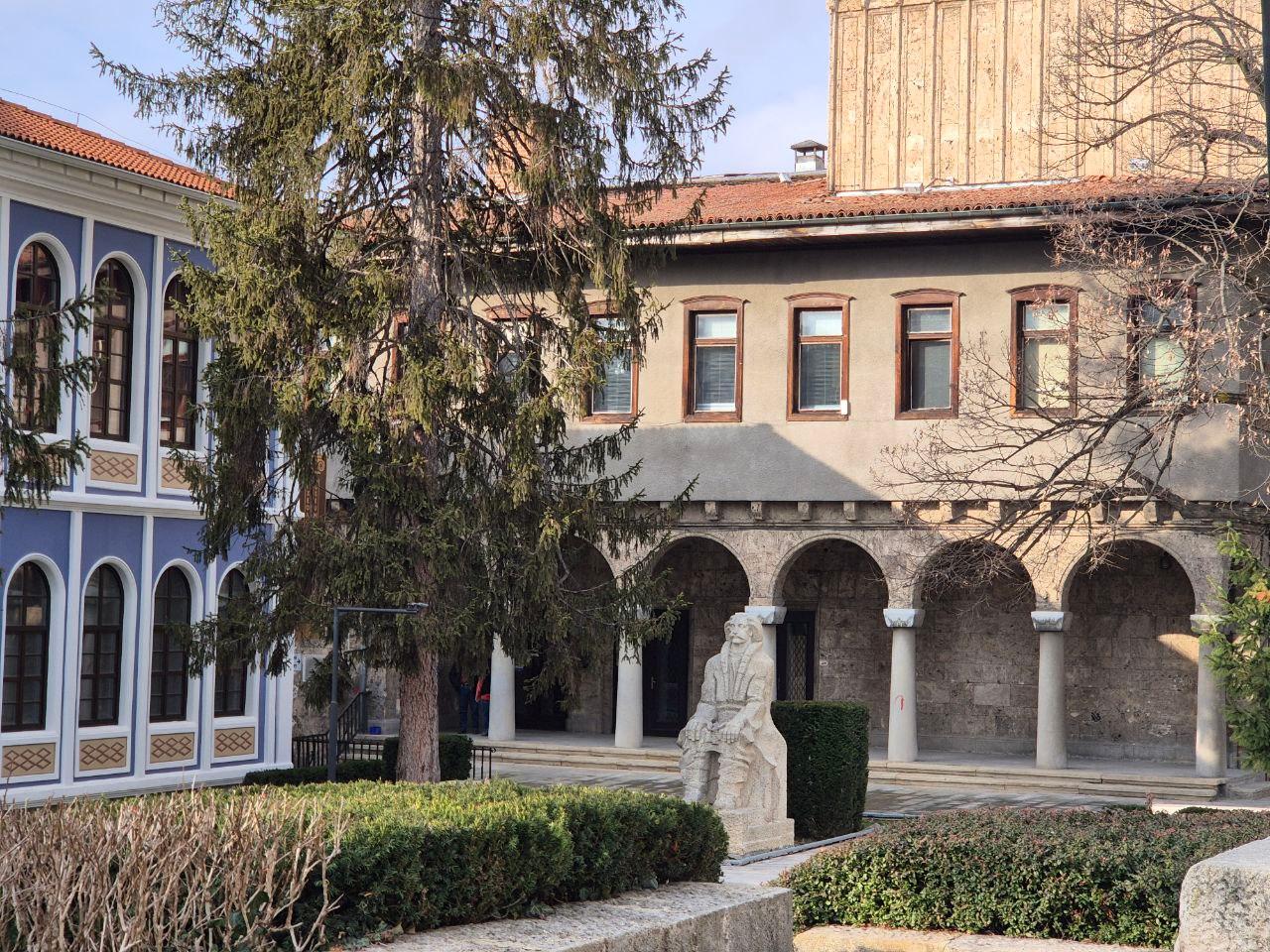
Petko R. Slaveykov Regional Public Library
Petko R. Slaveykov Regional Public Library in Veliko Tarnovo is Bulgaria's third major book depository, established in 1889, serving as a cultural and educational hub with over 600,000 volumes and a rich history of innovation and public service. Foundation and Early Years "Petko R. Slaveykov" Regional Public Library in Veliko Tarnovo was established in 1889 as the first public library in the city. It became the third major book depository in Bulgaria, following the National Library in Sofia and
ENMehmet Salih Çoban
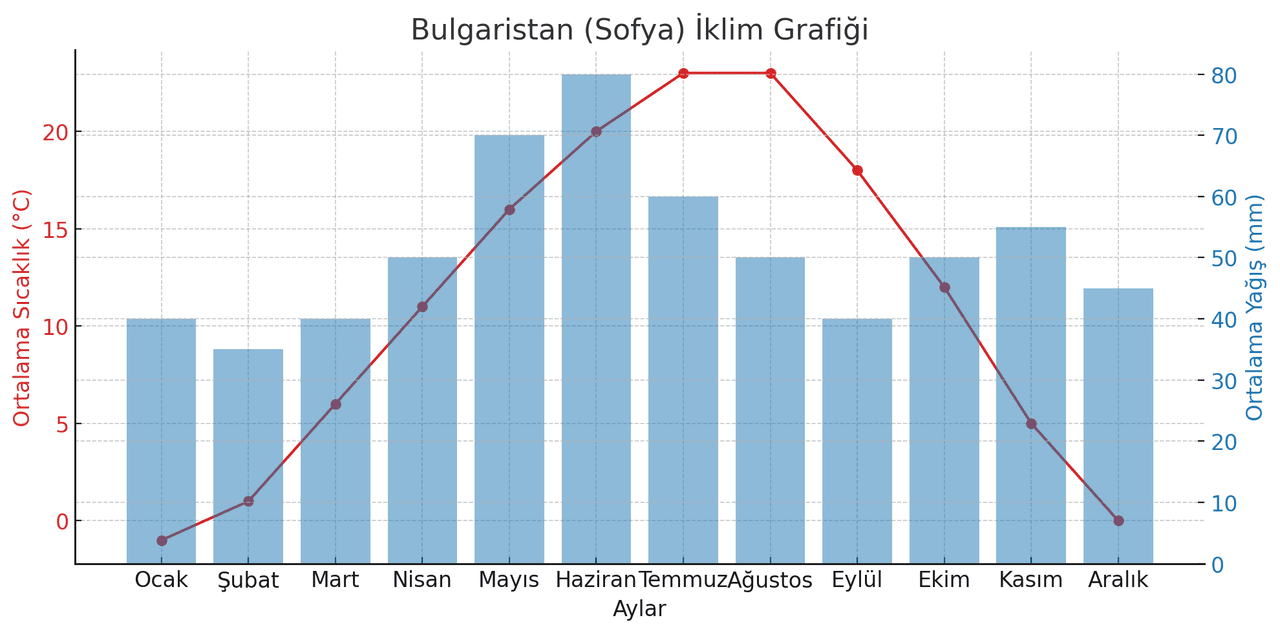
Bulgaria
Bulgaria is a East Europe country located in place and bordering the Black Sea. With an area of 110,910 km², country shares its northern border with Romania, its western border with Serbia and North Macedonia, and its southern border with Greece and Türkiye. Its capital and largest city is Sofia. Bulgaria is known for its rich historical heritage, cultural diversity, and natural beauty. Plovdiv, one of the country’s oldest cities, is recognized as one of Europe’s oldest continuously inhabited se
ENMehmet Salih Çoban