

`big-bang` Related Article Results
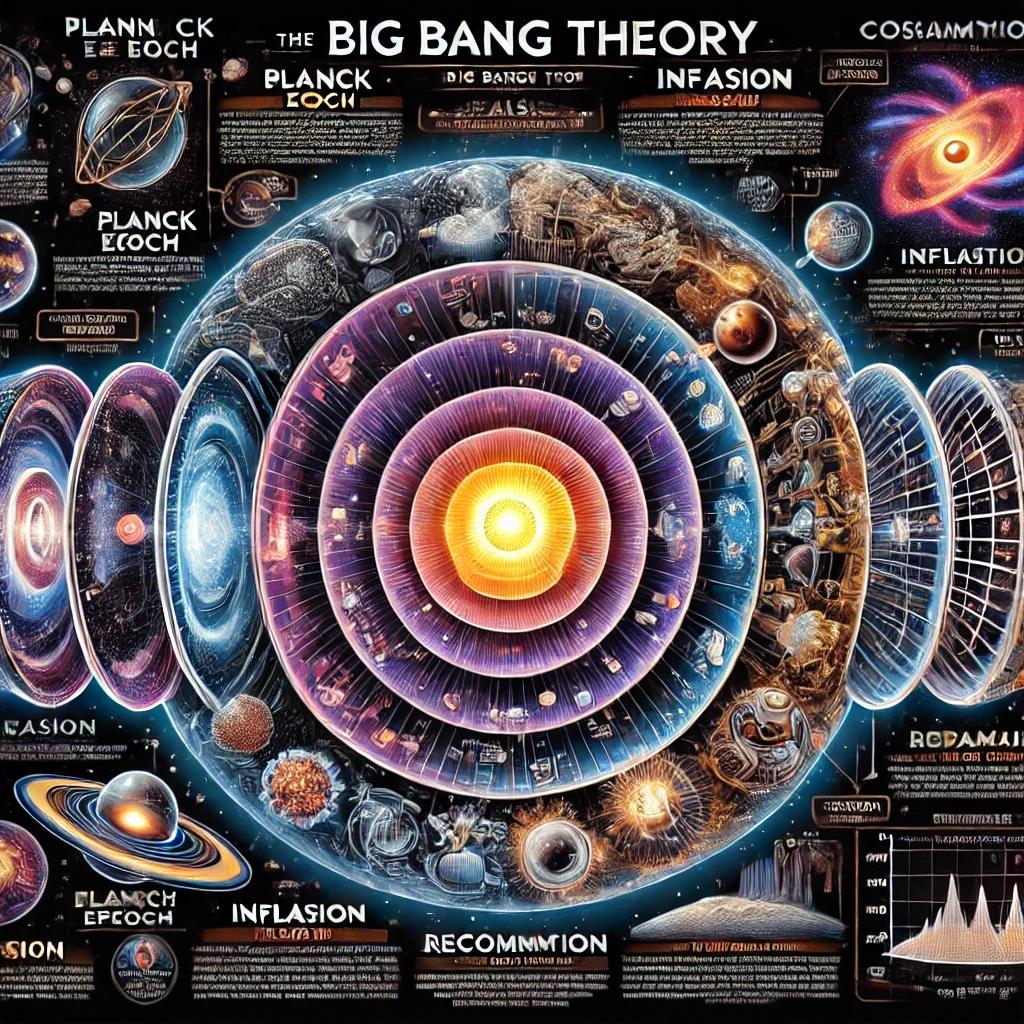
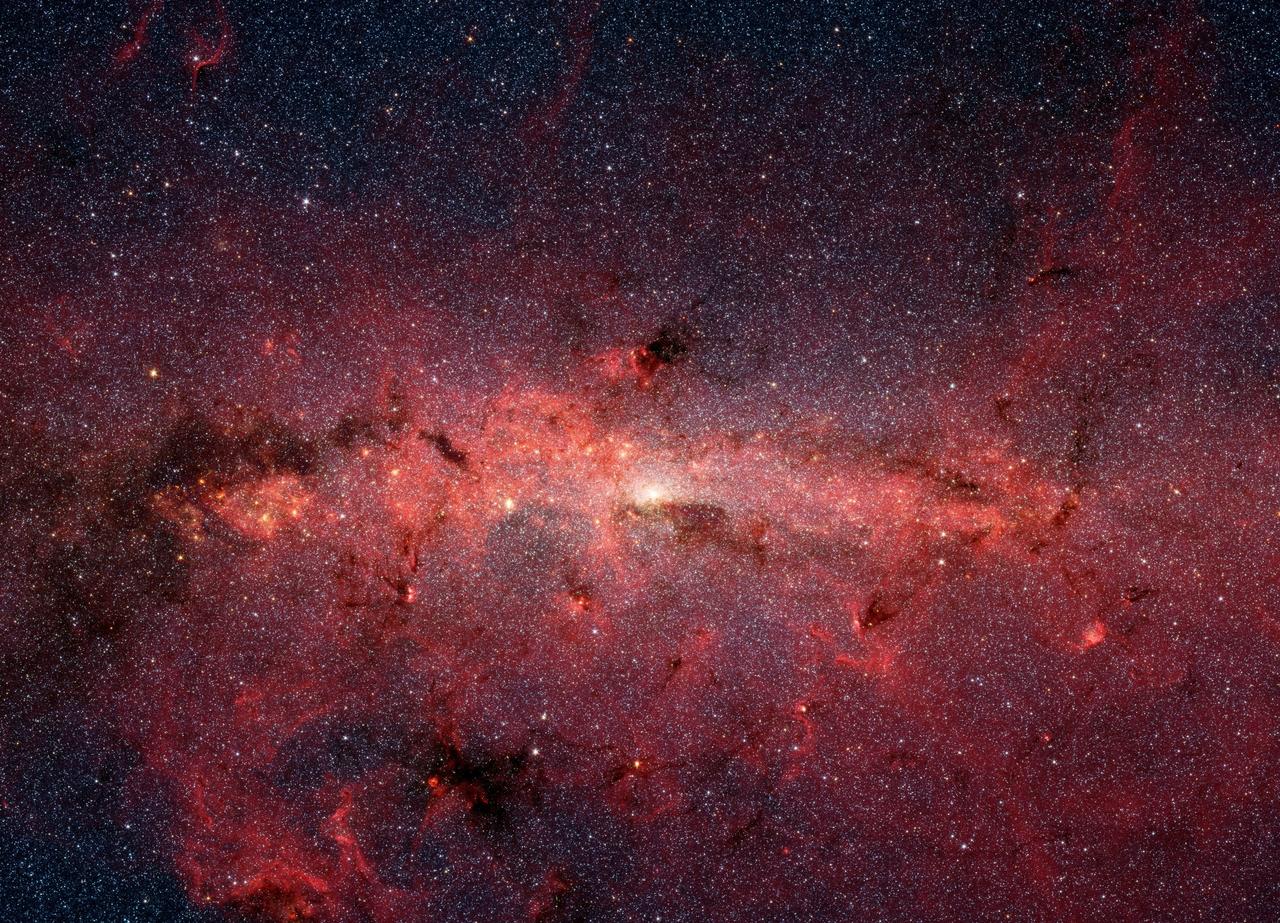
Big Bang Theory
The Big Bang Theory is the most widely accepted scientific model and theory underlying modern cosmology, providing the leading explanation for the origin and evolution of the universe. According to this theory, the universe began expanding from an extremely dense, hot state referred to as a "singularity" approximately 13.8 billion years ago. The Big Bang model provides a scientific framework for understanding the initial conditions of the universe and its subsequent changes over time. Historical
EN
Osman Özbay
Cosmology: Drawing the Big Picture
Cosmology is a discipline that conducts scientific research on the origin, structure, evolution, and ultimate fate of the universe. It seeks to understand how the universe was formed on the largest scales, how it has changed, and what might happen in the future. The Origin of the Universe: The Big Bang Theory The most widely accepted theory about the origin of the universe today is the Big Bang Theory. According to this theory, the universe began to expand about 13.8 billion years ago from an ex
EN
Mustafa Güven
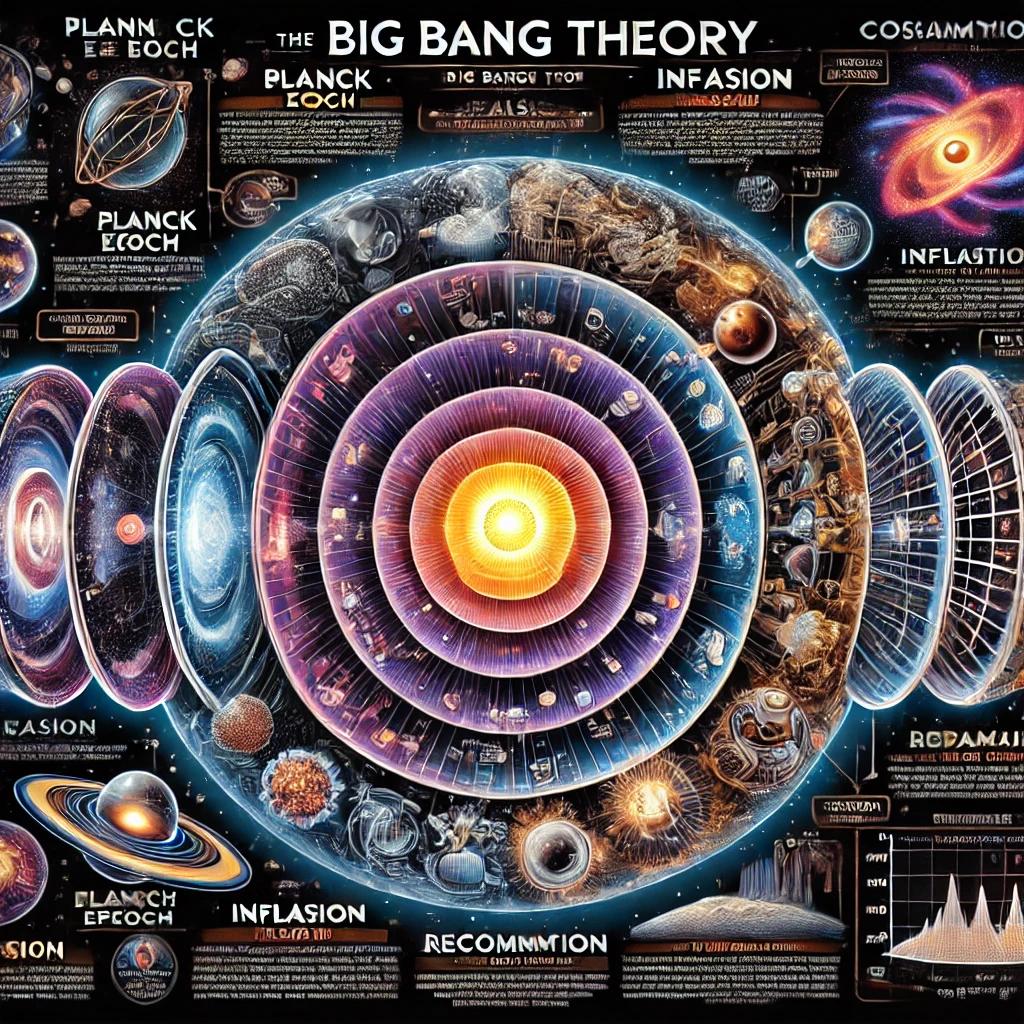
Big Bang Theory
The Big Bang Theory is the most widely accepted scientific model and theory that forms the foundation of cosmology and describes the origin and evolution of the universe. According to this theory universe, the universe began expanding approximately 13.8 billion years ago from an extremely dense, hot state known as a "singularity." The Big Bang model provides a scientific framework for understanding the initial conditions of the universe and its subsequent changes over time. Historical Developmen
EN
Osman Özbay
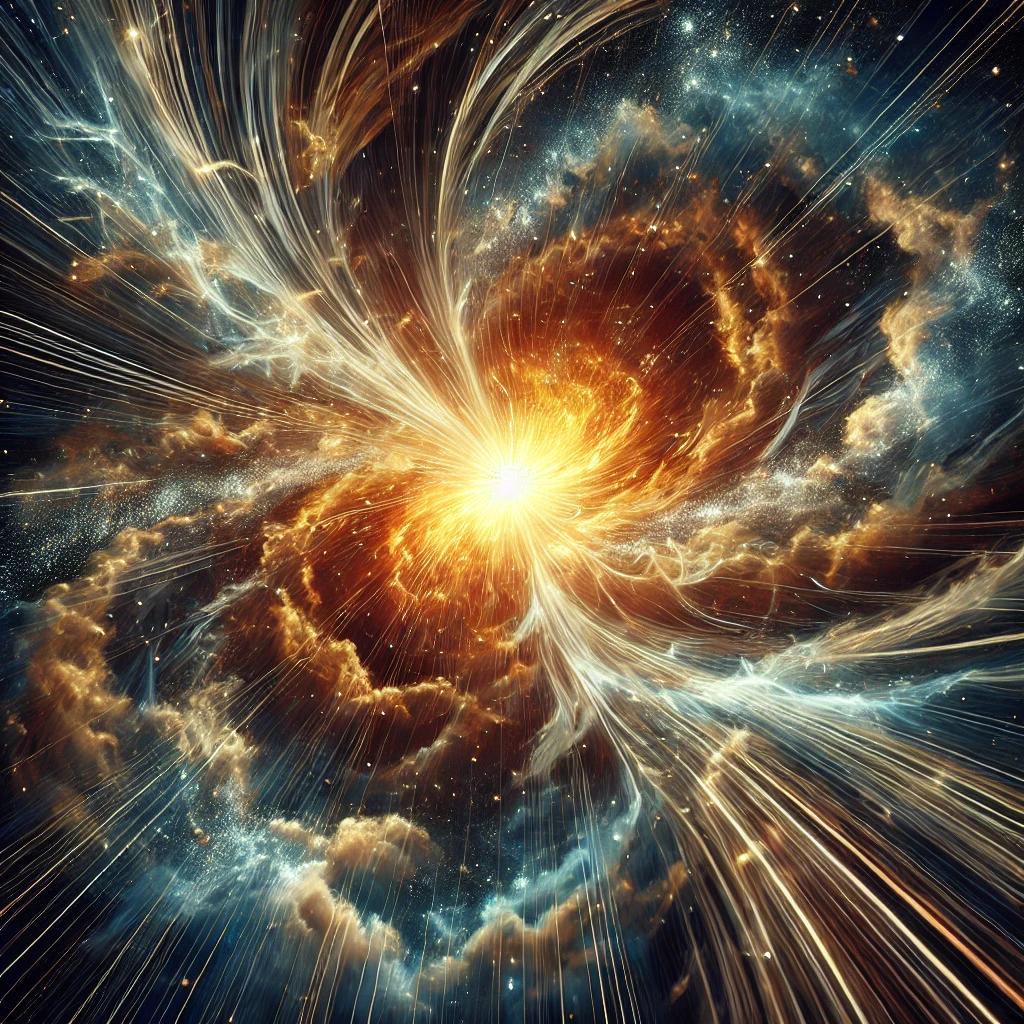
Big Bang Theory
The Big Bang Theory, or theorem, is the most widely accepted scientific model and theory regarding the origin and evolution of the universe, forming the foundation of modern cosmology. According to this theory, the universe began expanding approximately 13.8 billion years ago from a hot, dense point referred to as a “singularity.” The Big Bang model provides a scientific framework for understanding the initial conditions of the universe and the changes it has undergone over time. Historical Deve
ENOsman Özbay
The Miracle of the Expansion of the Universe (Quran)
The expansion of the universe is a miraculous process that has been ongoing since the Big Bang and has caused the dimensions of the observable universe to increase over time. The Universe Is Continuously Expanding: What Does This Mean? When we look up at the sky, we see stars, galaxies, and the dark void. Although they appear static, the universe is in fact a dynamic structure—and not only that, it is constantly expanding. So what exactly does the expansion of the universe mean? Are galaxies mov
EN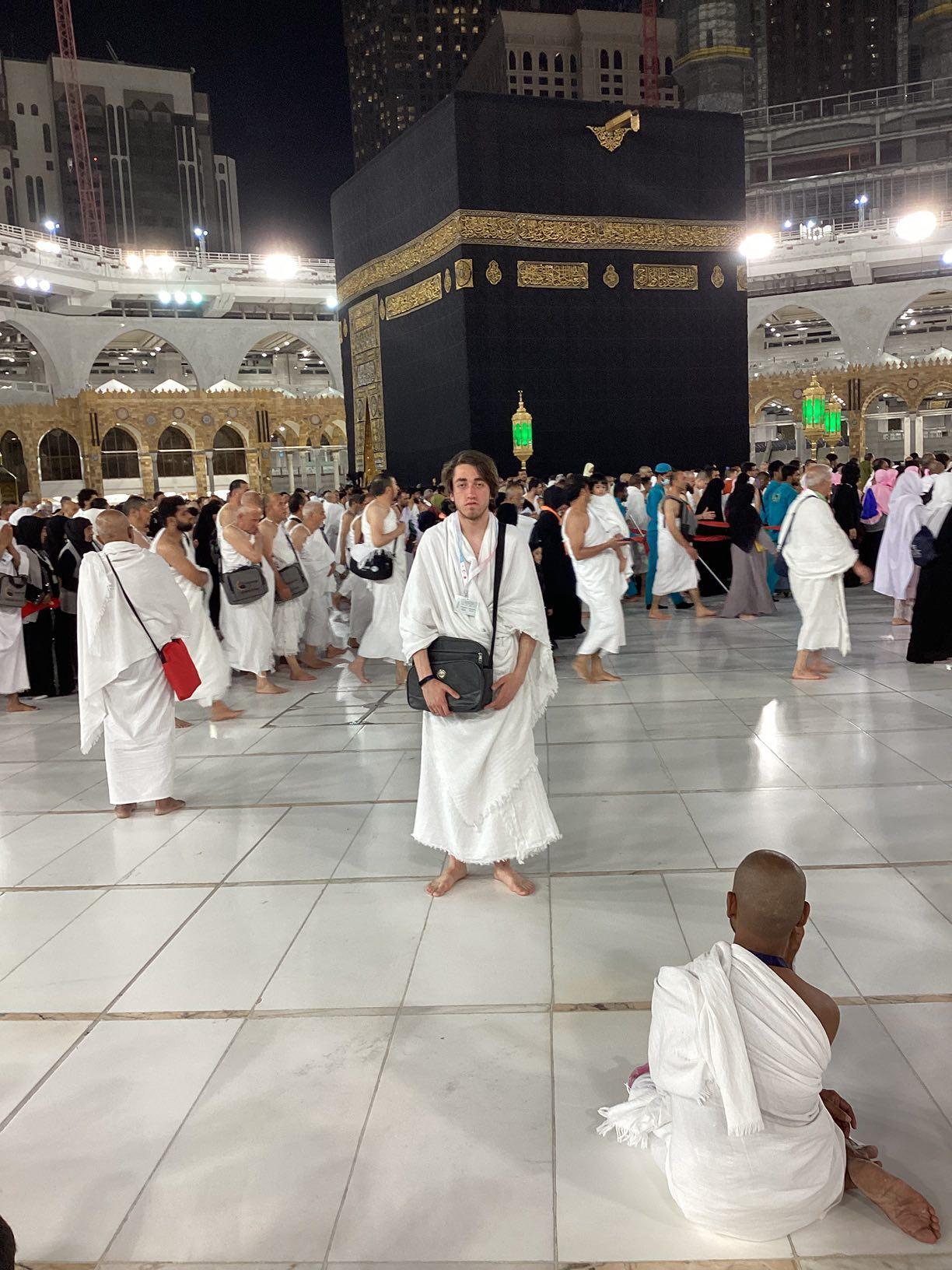
Mehmet Bağcı
GN-z11 Galaxy
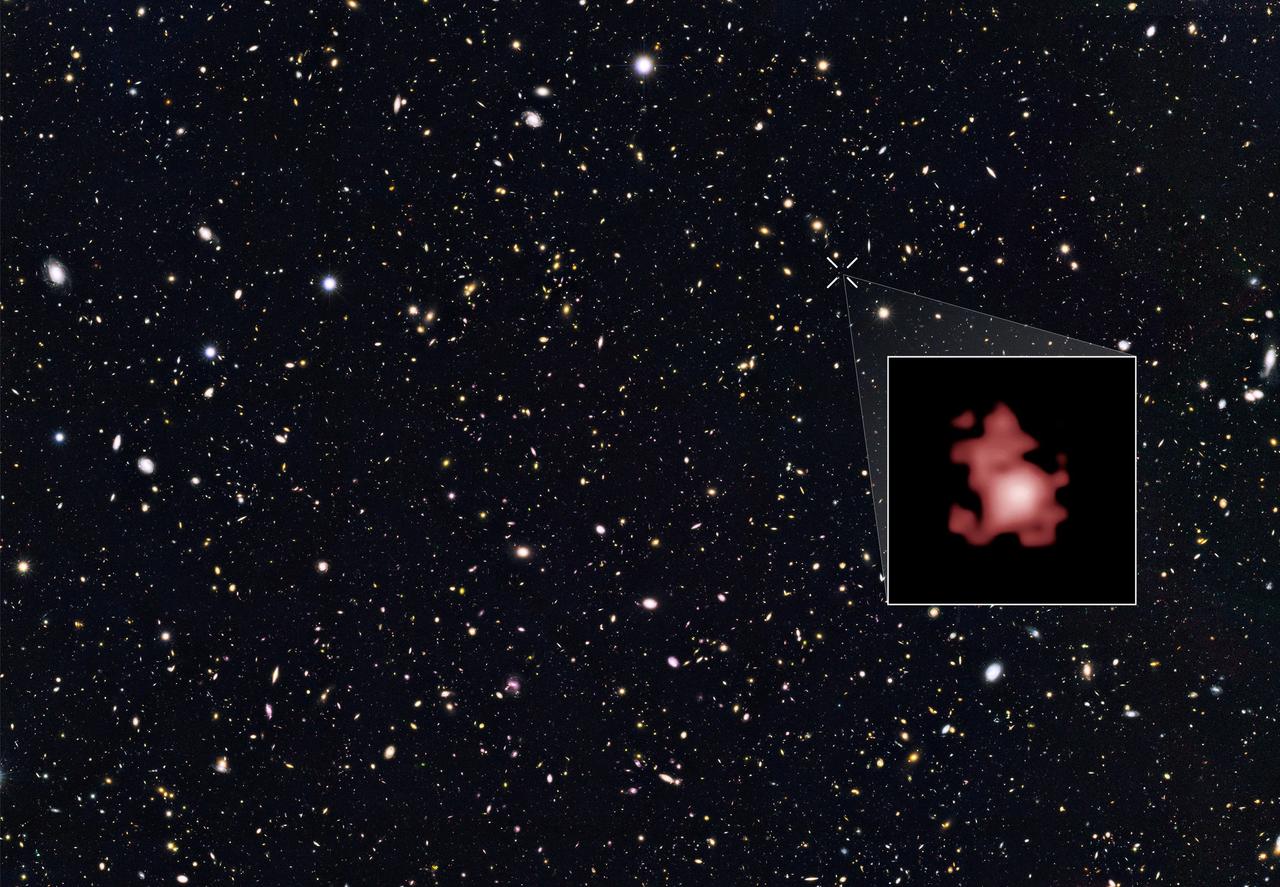
GN-z11 Galaxy is a galaxy considered one of the most distant and oldest known galaxies in astronomy literature today. It was first discovered and confirmed through observations made by the Hubble Space Telescope in 2016. According to the cosmic timeline, GN-z11 formed approximately 400 million years after the Big Bang, that is, around 13.4 billion years ago. With this feature, it sheds light on the early periods of the universe, providing information about galaxy formation, matter accumulation,
ENOsman Özbay
The Sun Is Shining But Space Is Dark: Why?
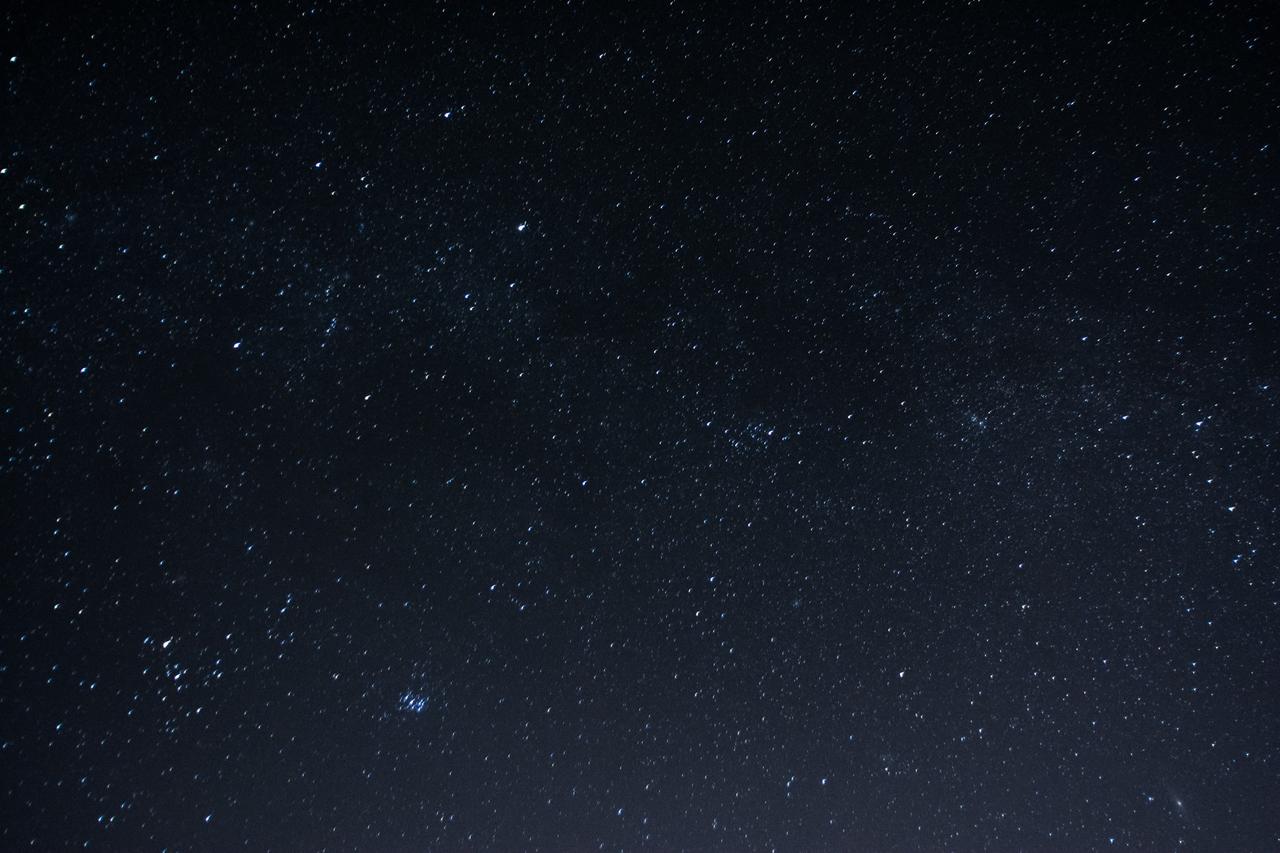
When we lift our heads to the night sky, we encounter a dark void. Aside from a few twinkling stars, and if we are lucky, a planet or perhaps a satellite, there is vast darkness. At first glance, the reason for this seems simple: sunlight does not reach the side of Earth facing away from the Sun, so the sky appears dark. But the truth is far deeper and more thought-provoking. This question—“Why is the night sky dark?”—has occupied curious minds and scientists for centuries. This mystery is known
ENMehmet Bağcı