

`atom` Related Article Results
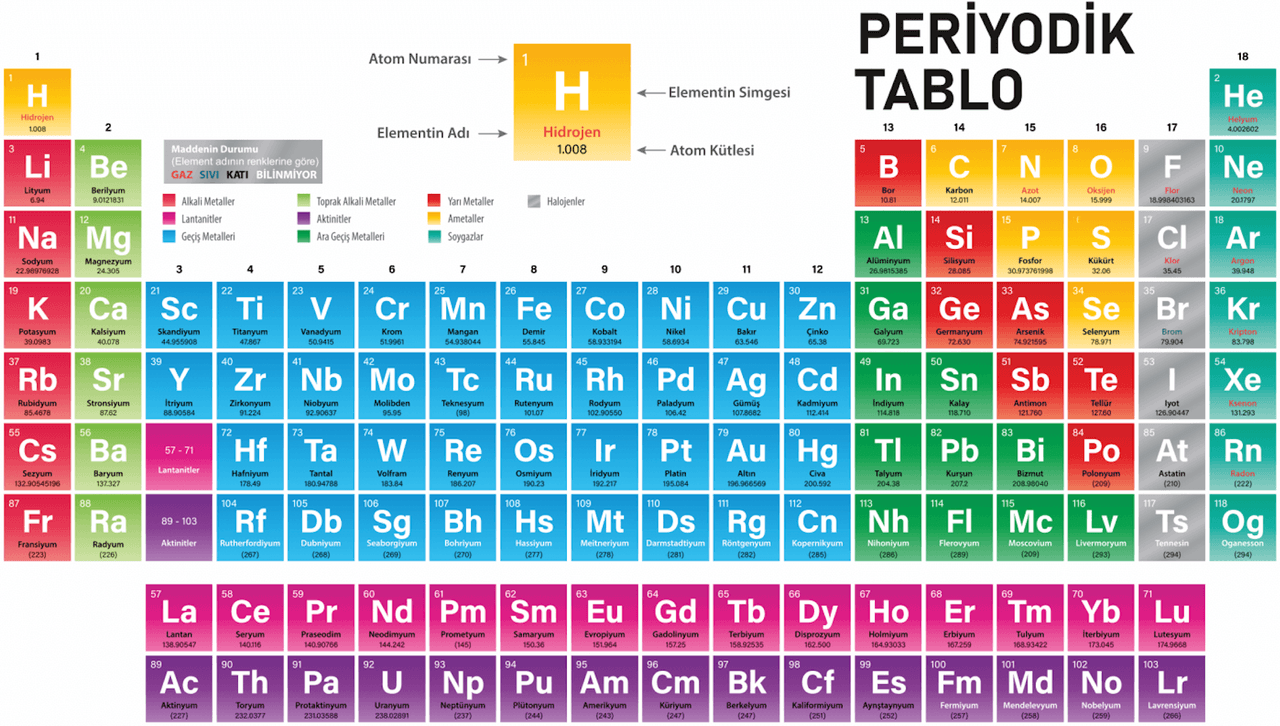
Element
An element is a pure chemical substance composed entirely of atoms of a single type, pure. Each atom in an element is defined by its atomic number, which represents the number of proton in its nucleus. This atomic number distinguishes one element from another; in other words, each element has a unique atomic number. For example, all atoms with six protons are carbon (C), while those with eight protons are oxygen (O). Elements are the fundamental building building blocks of all matter in the univ
EN
Fatih Birinci
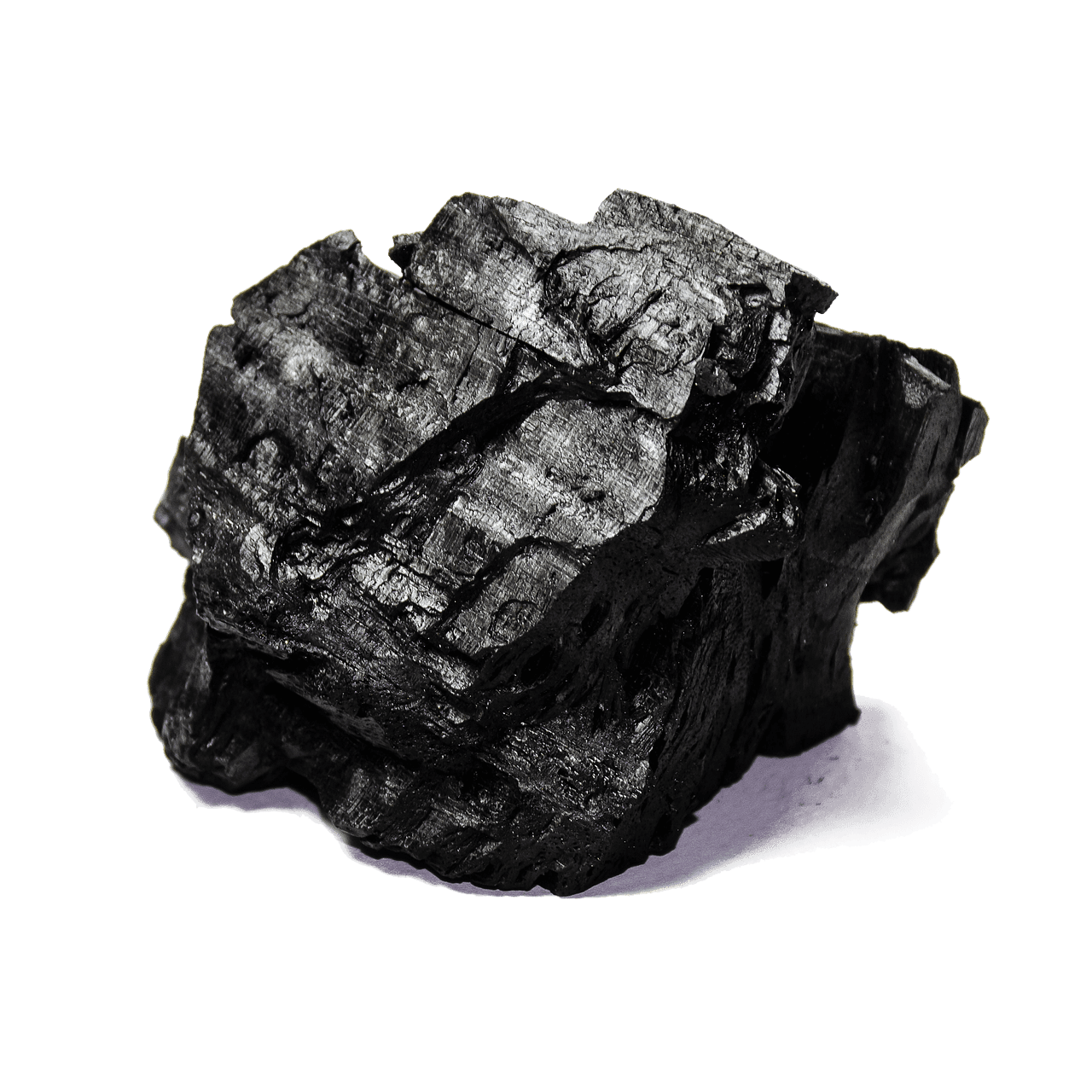
Carbon Element (C)
Carbon is a chemical element with atomic number 6, located in group 14 of the periodic table and represented by the symbol C. It is one of the most abundant elements in nature and forms the fundamental building block of all living organisms. Carbon atoms, with their four valence electrons, readily form bonds with many different atoms, enabling the creation of a vast array of complex molecules. Chemical and Physical Properties Under standard conditions, carbon exists in solid form. It has a high
ENEmirhan Özkan
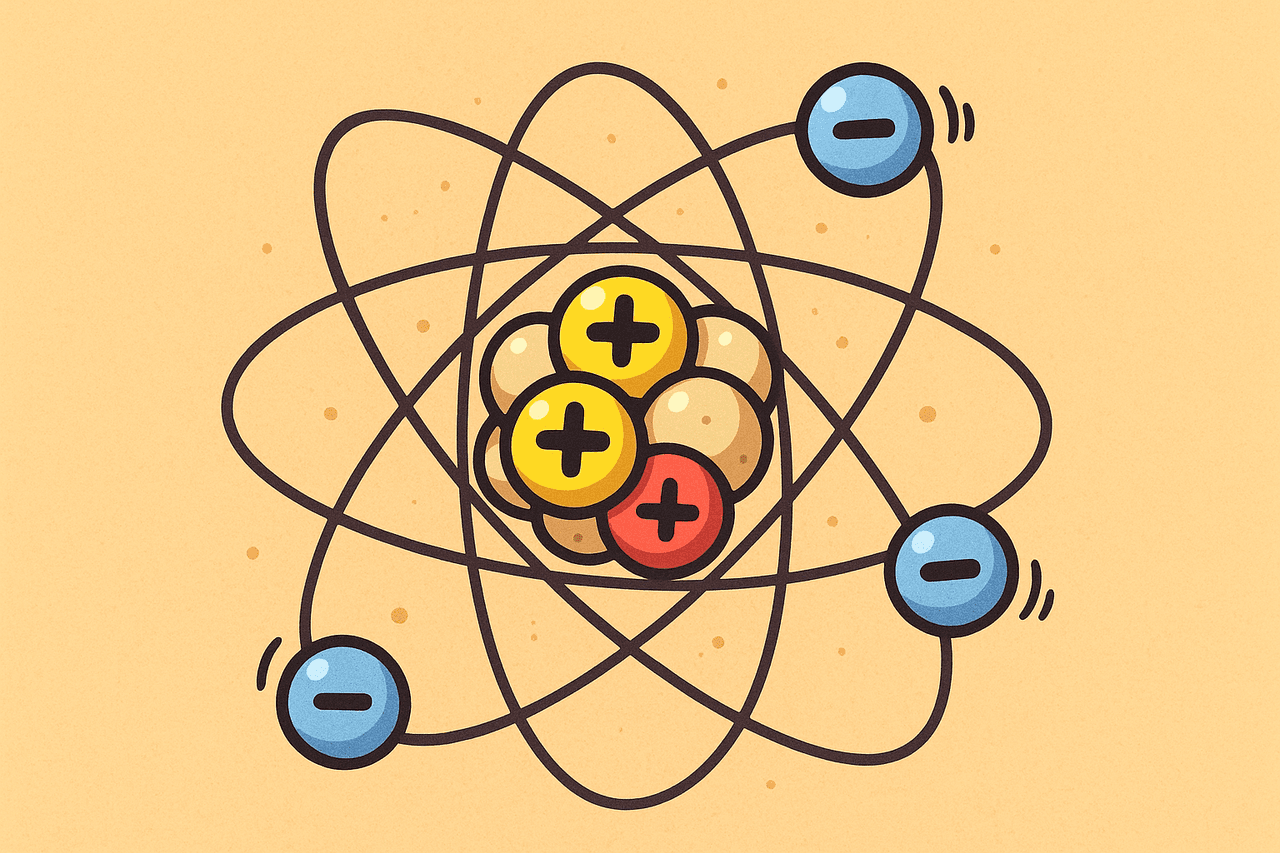
What is an Atom?
Atom is the smallest unit of matter. Everything we see around us — rocks, plants, animals, and even ourselves — is composed of countless atoms. Atoms are so small that even a single grain of sand contains trillions of them. An atom consists of two main parts: the nucleus and the electron cloud surrounding it. The nucleus contains protons (positively charged particles) and neutrons (neutral particles). Electrons (negatively charged particles) move rapidly around the nucleus. Structure of the Atom
EN
Melahat Pamuk
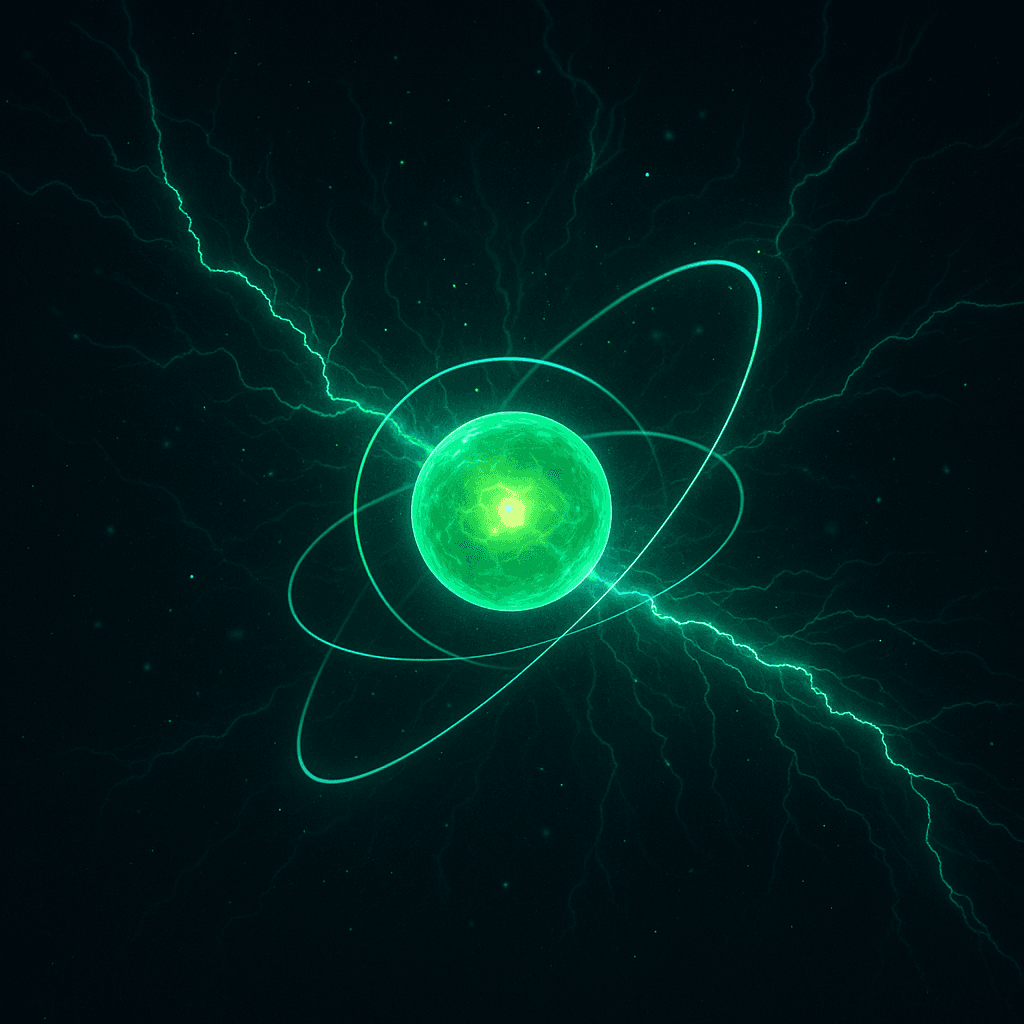
Discovery of the Electron
An electron is a fundamental subatomic particle with a negative electric charge. It is found in orbits around the atomic nucleus or may exist freely. In the Standard Model of particle physics, it is a member of the family of particles known as leptons. It was discovered in 1897 by the British physicist Joseph John Thomson through experiments on cathode rays. This discovery overturned the prevailing belief that atoms were indivisible, creating a breakthrough in modern physics and chemistry and pa
EN
Ömer Said Aydın
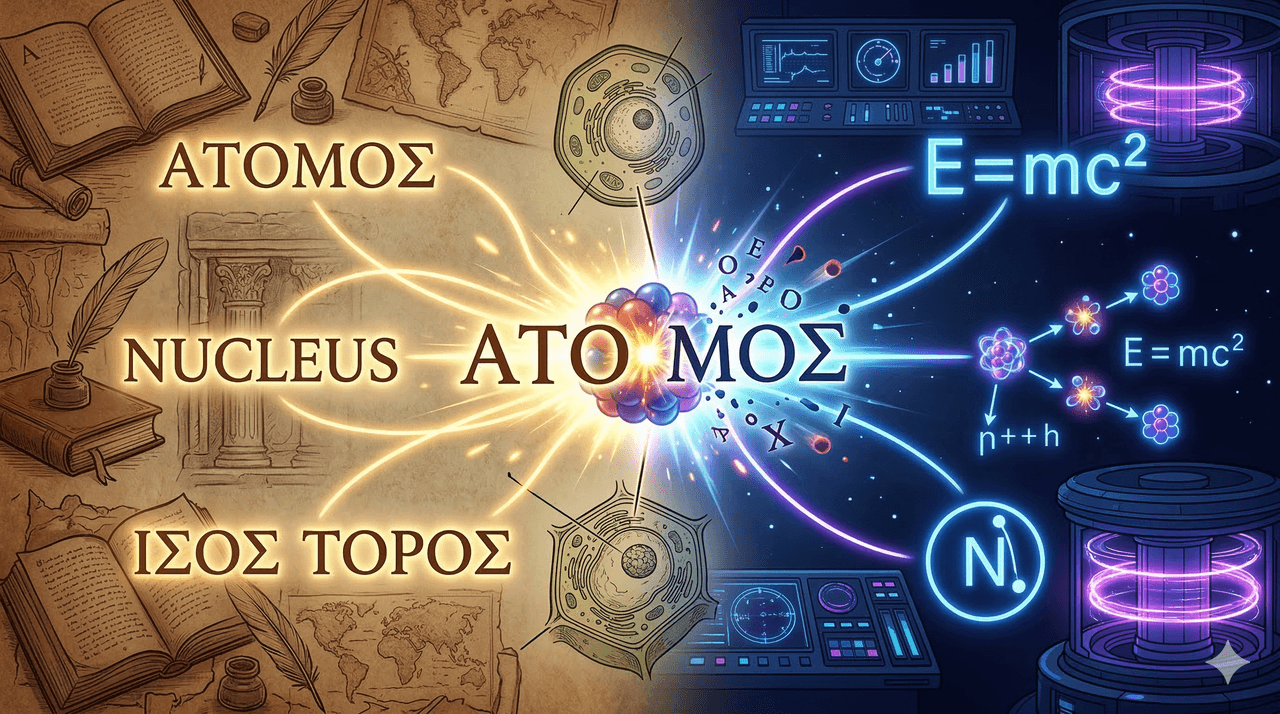
From Indivisibility to Chain Reaction: The Etymological Journey of Nuclear Science
Science explains the workings of the universe through mathematics and experiments, and typically draws on the languages of the past, especially Ancient Greek and Latin, to name its findings. The nuclear terminology that describes immense energy potential and complex engineering systems is no exception to this rule. The etymological origins of these words, stretching from laboratories to reactor cores, reveal the academic depth of science’s evolution over centuries. Atom: The Fragmentation of the
ENAybüke Yılmaz
 Çe
ÇeÇekirdek
Köken Çekirdek kelimesi, Eski Türkçede fıstık veya fındık anlamında kullanılan çekirtük sözcüğünden evrilmiştir. Kelime zamanla yalnızca bitki tohumlarını değil, bir şeyin merkezi, özü veya temel kısmını ifade eden anlamlar da kazanmıştır. Kullanım Alanları Günlük dil: Meyve çekirdeklerini ve kuruyemiş olarak tüketilen tohumları ifade eder. Botanik: Bitkilerin tohum yapısını tanımlamak için kullanılır. Biyoloji: Hücrenin merkezinde bulunan ve genetik bilgiyi taşıyan yapıyı belirtir. Fizik: Atomu
TR
Gökhan Güller
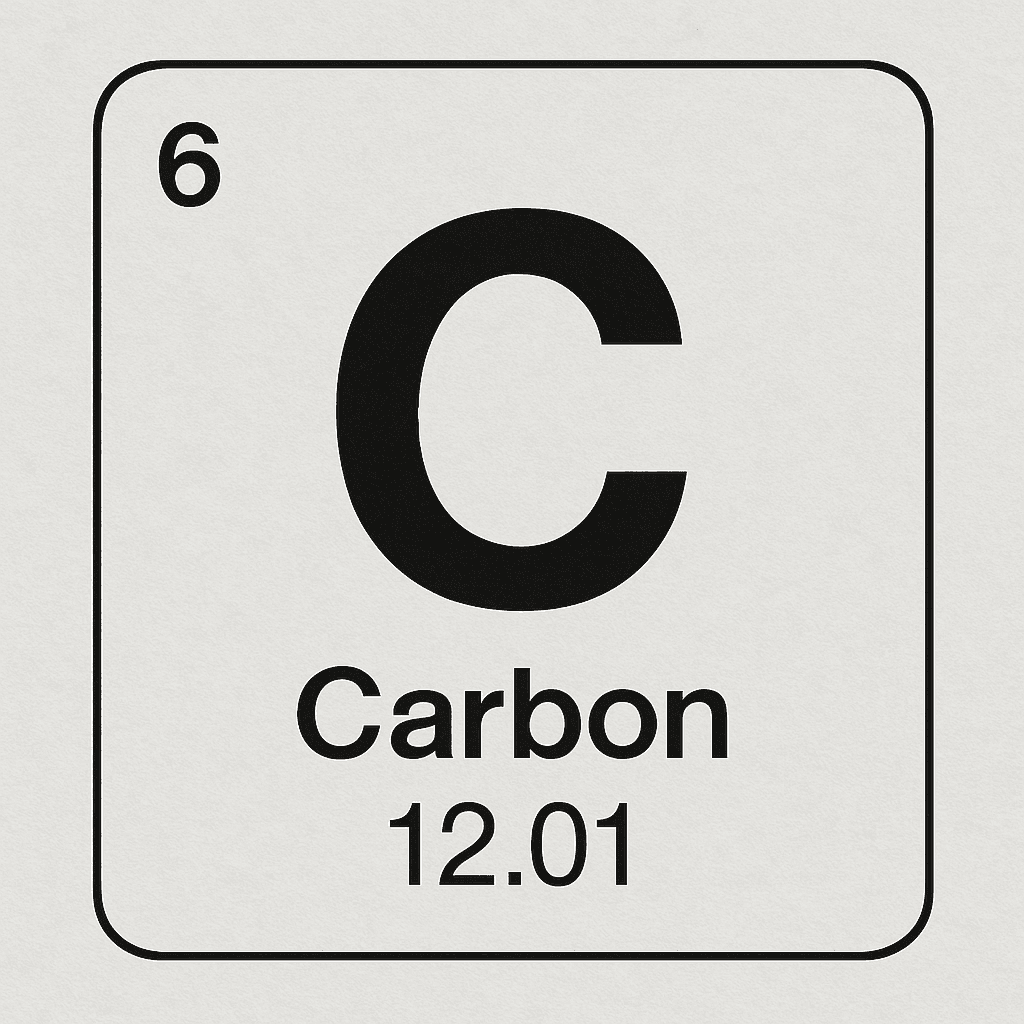
Karbon Elementi
Karbon, doğada farklı yapılarla bulunan ve kimyada organik bileşiklerin temelini oluşturan bir elementtir. Canlı organizmaların yapı taşlarından sanayi ürünlerine kadar geniş bir kullanım alanına sahip olan bu element, aynı zamanda çevresel döngülerde ve enerji dönüşümlerinde de önemli bir rol oynar. Atomik Yapısı ve Elektron Dizilimi Karbon atomu, 6 proton ve genellikle 6 nötrona sahip olup, atom numarası 6’dır. Elektron dizilimi 1s² 2s² 2p² şeklindedir. Dört değerlik elektronu sayesinde dört k
TR
Zehra Yayla
Karbon Elementi (C)
Karbon, atom numarası 6 olan, periyodik tablonun 14. grubunda yer alan ve simgesi C olan kimyasal bir elementtir. Karbon, doğada en bol bulunan elementlerden biri olup tüm canlı organizmaların temel yapı taşını oluşturur. Karbon atomları dört değerlik elektronu sayesinde birçok farklı atomla kolayca bağlanarak, çok çeşitli ve karmaşık moleküllerin oluşmasını sağlar. Kimyasal ve Fiziksel Özellikleri Karbon, standart koşullar altında katı formda bulunur. Kimyasal bağlanma kapasitesi yüksektir; tek
TREmirhan Özkan
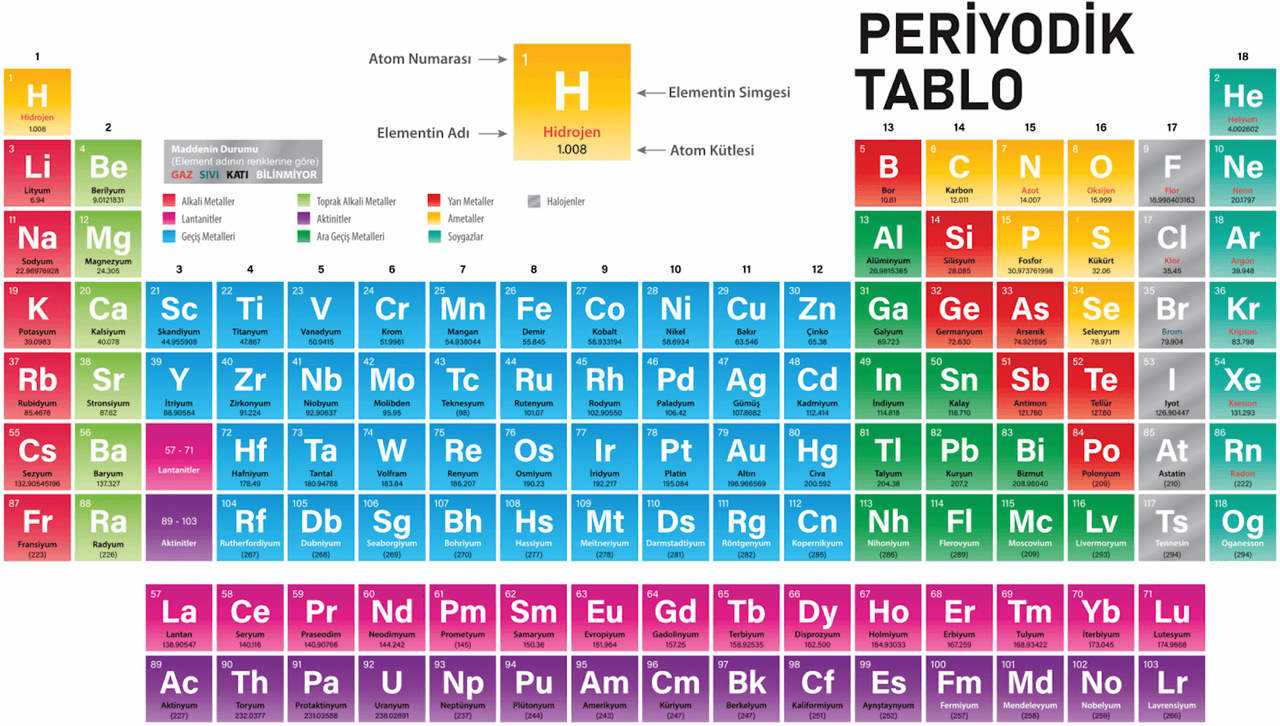
Element
An element is a pure chemical substance composed entirely of atoms of a single type. Each atom in an element is defined by its atomic number, which represents the number of protons in its nucleus. This atomic number distinguishes one element from another; in other words, each element has a unique atomic number. For example, all atoms with six protons are carbon (C), while those with eight protons are oxygen (O). Elements are the fundamental building blocks of all matter in the universe. They are
ENFatih Birinci
IlIllusion of Participation
The human brain perceives the world as solid and fixed structured. We can comfortably rest our hands on a table, lean against walls, and in general, feel materials as solid. However, theories about whether things are truly solid are far more complex. The state of being "solid" arises from the strong recording forces and quantum interactions within the atomic world. Solidity at the Atomic Level Atoms, the fundamental building building blocks of everything, are in fact composed of a network of wor
ENElif Nas Örsün