

`architectural-design` Related Article Results
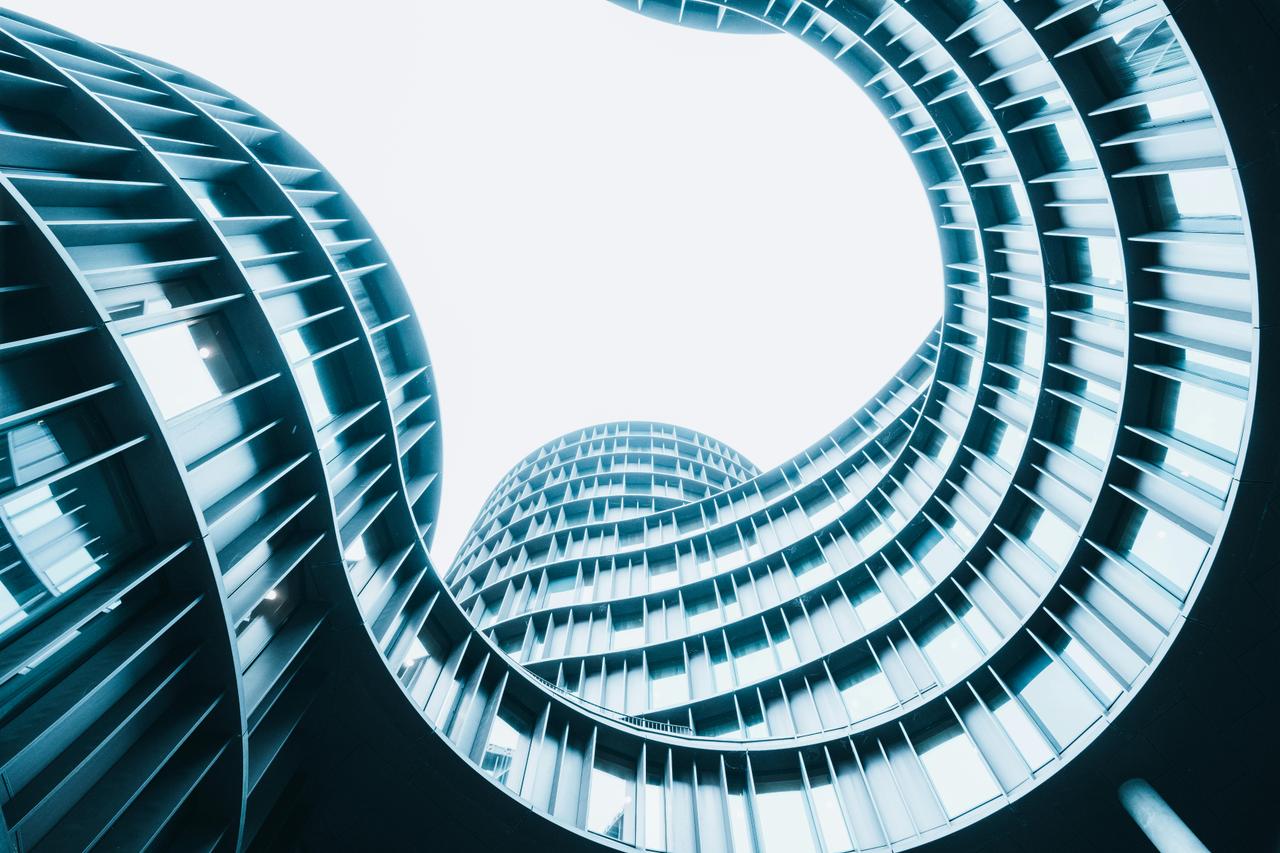
Architecture: Mass and Volume
In architecture, the concepts of “mass” and “volume” are regarded as fundamental design components that constitute the physical presence of a building. Mass defines the formal unity of a building as perceived from the outside; volume, by contrast, refers to the interior spatial emptiness enclosed by this mass and made available for use. The mass-volume relationship not only determines the physical character of a building but also shapes the user’s perception and experience of space. These two co
EN
Esra Özkafa
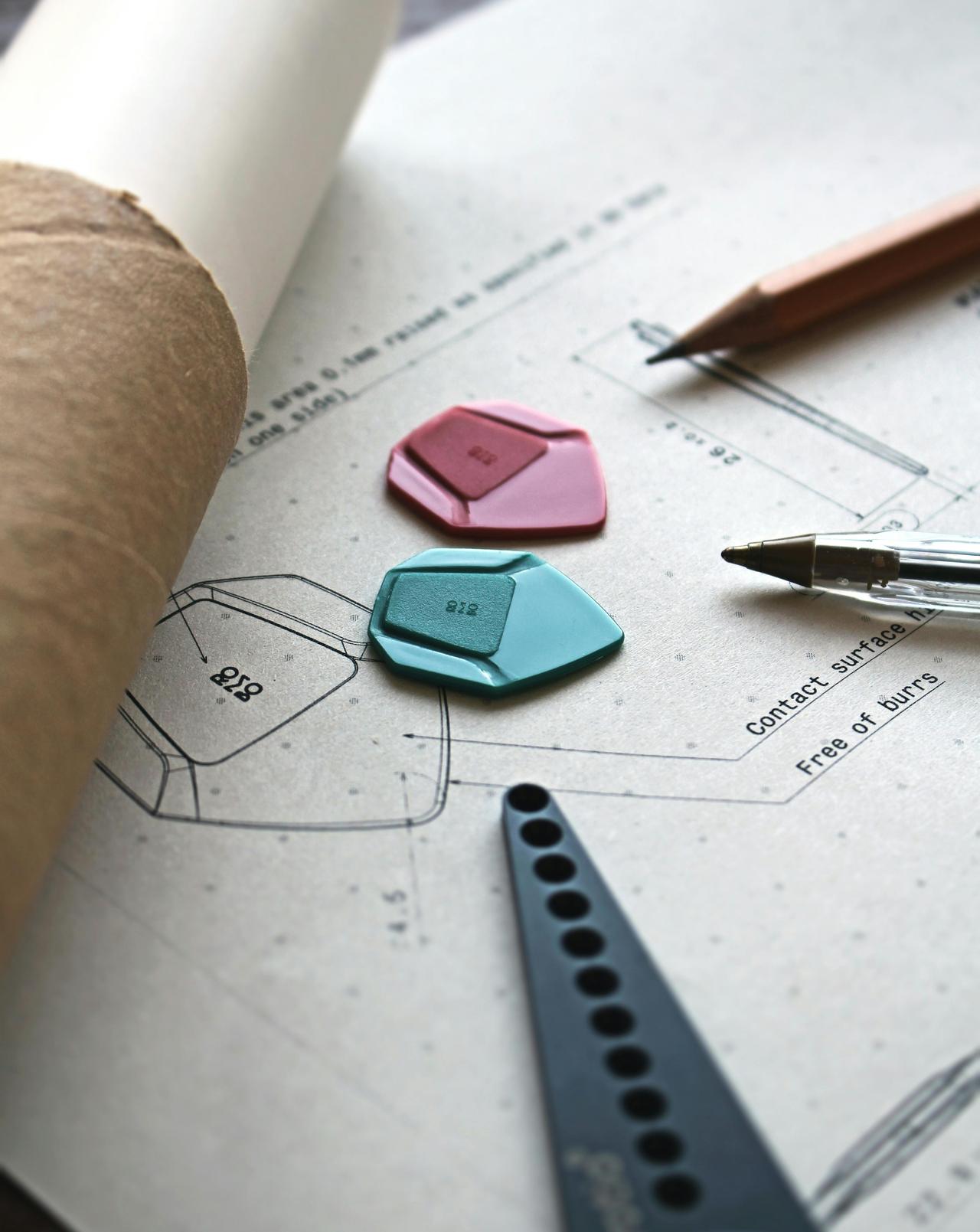
Ergonomics in Architecture
In architecture, ergonomics is a design approach grounded in human-environment interaction, aiming to create healthy, safe, and comfortable living and working spaces that align with human physical, psychological, and social needs. Within the framework of architecture’s fundamental objective—human-centered design—ergonomics seeks to enable users to move physically comfortably within built environments, perform activities efficiently in functional spaces, and experience psychologically secure and
EN
Esra Özkafa
 Od
OdOdunpazarı Modern Museum (OMM) Building
Odunpazarı Modern Museum (OMM) is a contemporary art museum located in the Odunpazarı district of Eskişehir. Opened on 7 July 2019, this building was designed by the Japanese architectural firm Kengo Kuma and Associates. In addition to serving as a space for exhibiting modern art, the museum is also notable for its architectural design. As a space that presents modern art in harmony with the region’s historical fabric, OMM makes a significant contribution to Eskişehir’s cultural structure. Archi
EN
Sümeyra Uzun
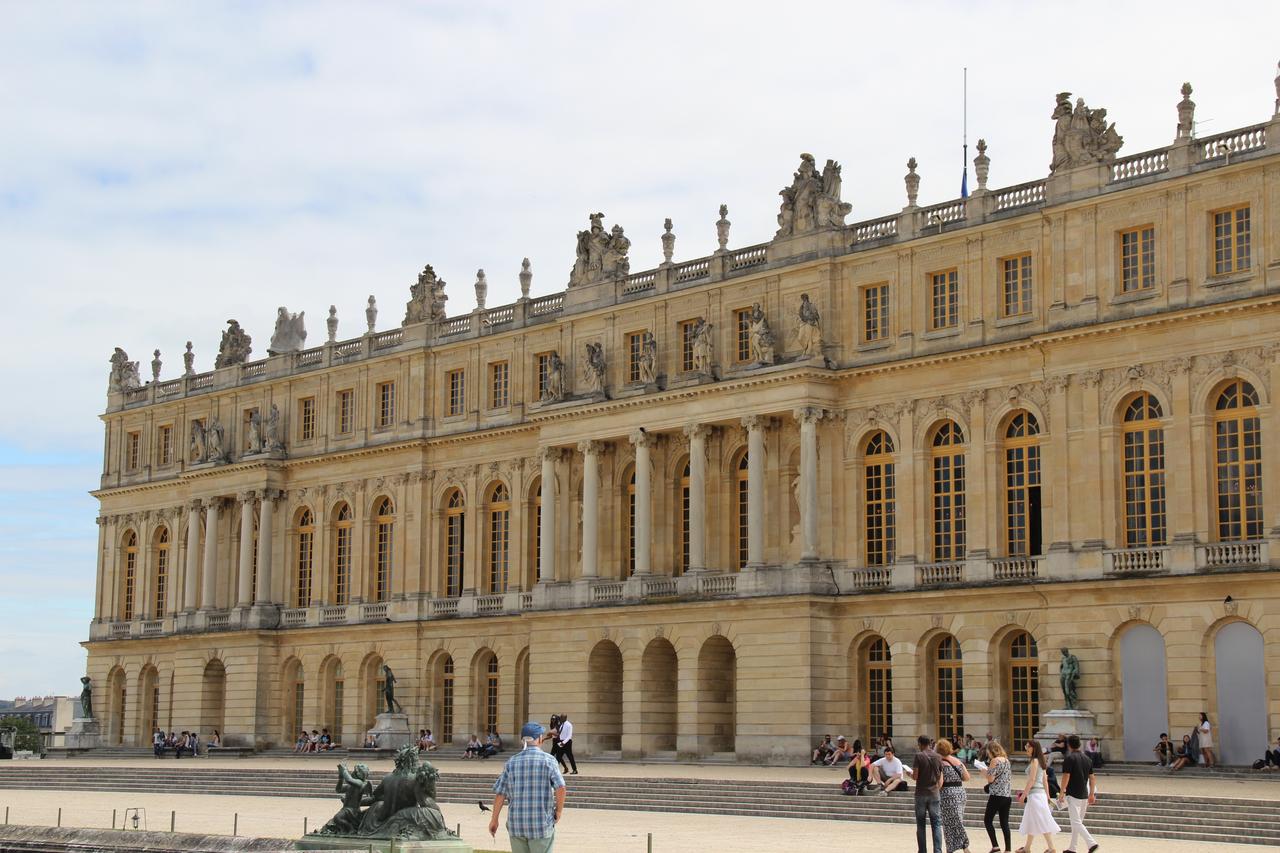
Palace of Versailles
Palace of Versailles, France’s Île-de-France region, located southwest of Paris, is a royal palace regarded as one of the most important representatives of 17th-century French art. It has been listed on the UNESCO World Heritage List since 1979 and holds universal value both architecturally and in terms of landscape design. Originally constructed as a small hunting lodge by Louis XIII, it was transformed and expanded by his son Louis XIV in 1682 into the royal residence and center of government.
EN
Miray GÜR
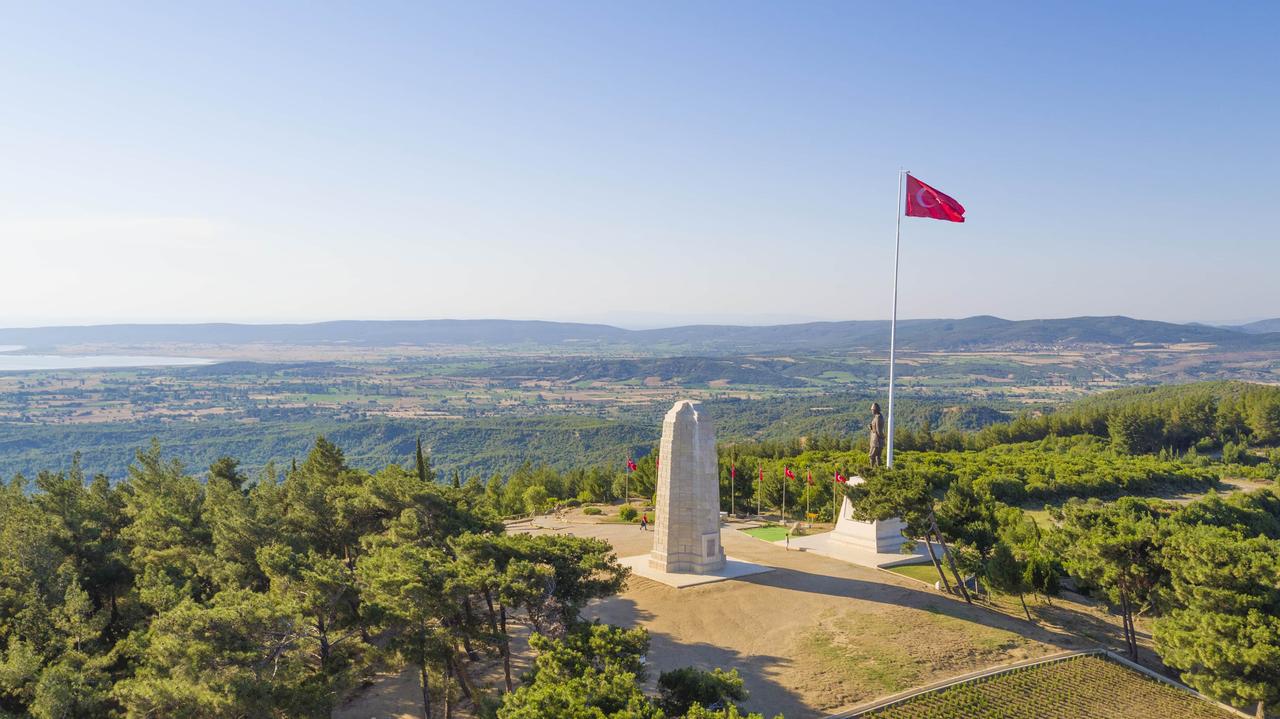
New Zealand National Monument
New Zealand National Memorial is the most prominent structure built in memory of New Zealand soldiers on the Gallipoli Peninsula. Located atop the Conkbayırı summit, this memorial was erected as the largest New Zealand memorial on the peninsula in commemoration of the battles that took place on 8 August 1915. The structure was completed in 1925 by the Commonwealth War Graves Commission (CWGC).【1】 Architectural Features and Design The memorial was designed by New Zealand architect S. Hurst Seager
EN
Gözde Cabadak
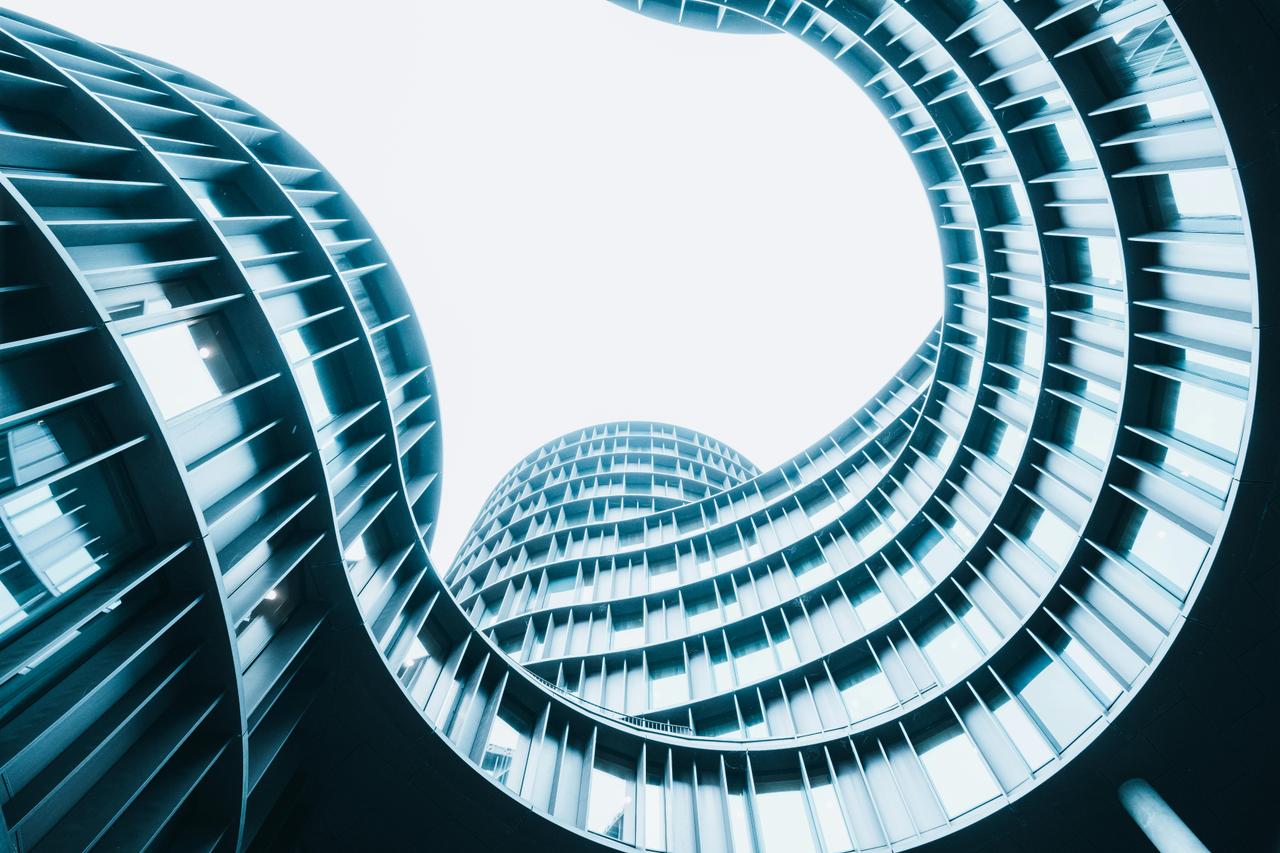
Architecture: Mass and Volume
In architecture, the concepts of “mass” and “volume” are regarded as fundamental design components that constitute the physical presence of a building. Mass defines the formal unity perceived from the exterior, while volume describes the interior spatial emptiness enclosed by that mass. The mass-volume relationship not only determines the physical character of a building but also shapes the user’s perception and experience of space. These two concepts have been addressed throughout architectural
ENEsra Özkafa
YıYıldız Integrated Kocaeli Stadium
General Information The Kocaeli Stadium is located in the area of Ali Kahya Sports Facilities in eastern Kocaeli, approximately 7 kilometers from the city center. Designed to serve as one of Kocaeli’s iconic structures, the stadium has a total built-up area of approximately 90,000 square meters. Stadium has a seating capacity of around 35,000, including VIP and UEFA-compliant seats. In addition to the 752 chair-capacity loge section, there are a total of 187 loges across the east and west stands
EN
Burak Enes

Architecture
Architecture is a multidisciplinary field concerned with shaping the physical environment, integrating aesthetic, functional, and technical considerations. It provides solutions to fundamental human needs such as shelter, production, education, transportation, and cultural activity, while simultaneously operating as an activity deeply embedded within social, historical, environmental, and technological contexts. Architecture has evolved over time as both a theoretical and practical domain of kno
EN
Sümeyye Akkanat Terzioğlu

Circulation in Architecture
One of the fundamental elements of architectural design, circulation, refers to the systems of movement and access that directly influence the functioning of a building or space and the user experience. Circulation plays a decisive role in organizing transitions between spaces, ensuring functional coherence, and designing user guidance. According to Ching (2002), circulation is not only a physical means of passage but also a design element that shapes spatial perception and wayfinding behavior.
ENEsra Özkafa
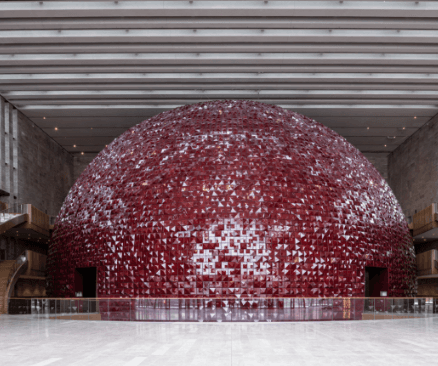
Türk Telekom Opera Hall
Türk Telekom Opera Hall is a performing arts hall located within the building of the Atatürk Cultural Center (AKM) in Istanbul's Beyoğlu district. It was completed and opened for use in 2021 as part of the reconstruction project carried out by the Ministry of Culture and Tourism of the Republic of Türkiye. The venue has been allocated for use by various art institutions, primarily the Istanbul State Opera and Ballet Directorate. Türk Telekom Opera Hall (AKMİstanbul) " image-element-format="justi
EN
Elyesa Köseoğlu