

`archaeologicalartifact` Related Article Results
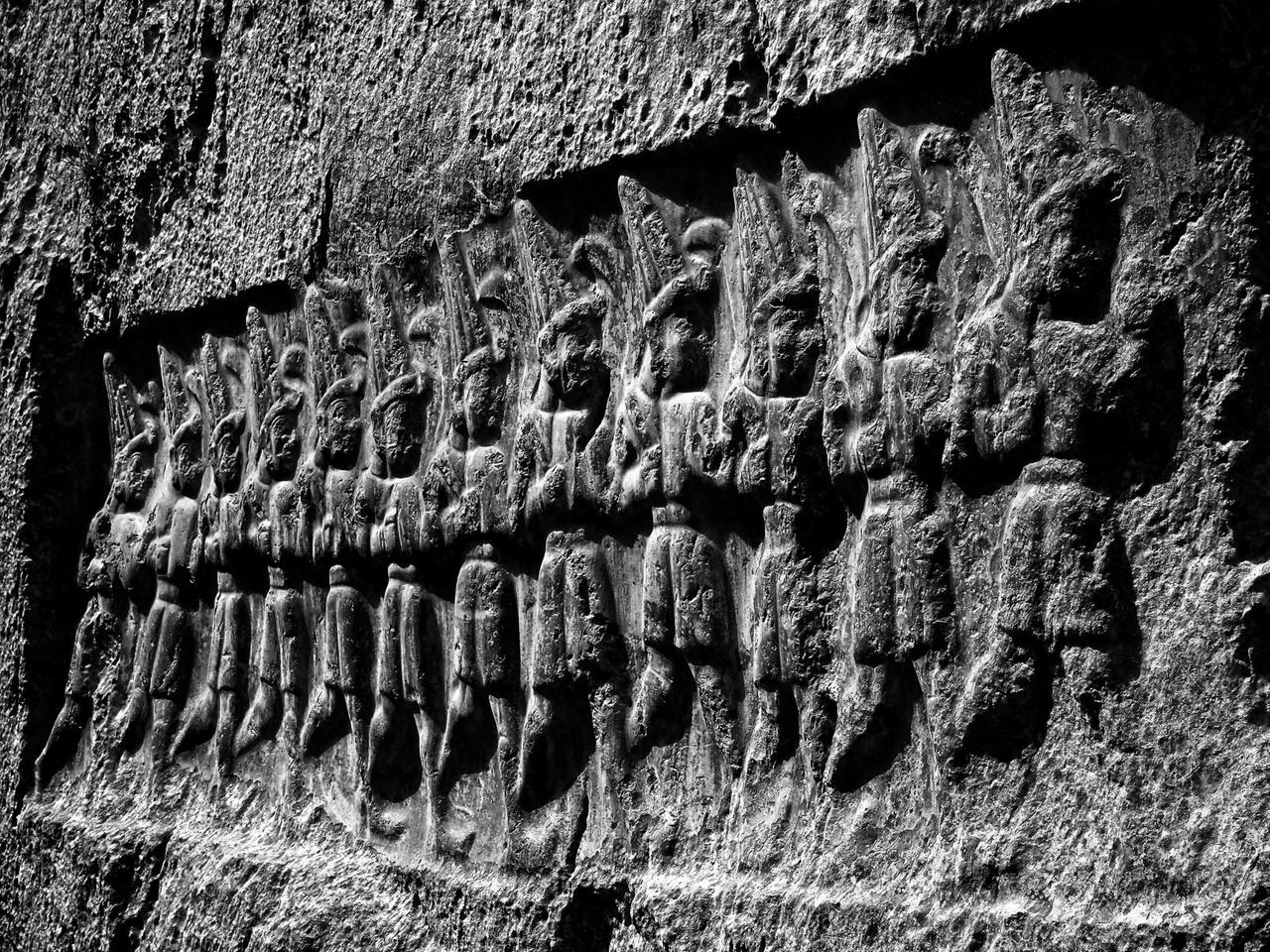
Hittite Art
Hittite art is one of the most powerful religiously grounded artistic traditions in Anatolia. For the Hittites, art was not merely an aesthetic expression; it was a means to make the presence of the gods visible, to solidify ritual practice, and to sanctify social order. Therefore, understanding Hittite art is equivalent to understanding their religion and mythological worldview. Artistic production was constructed entirely upon the foundations of worship, ritual, and divine representation. The
EN
Meryem Şentürk Çoban
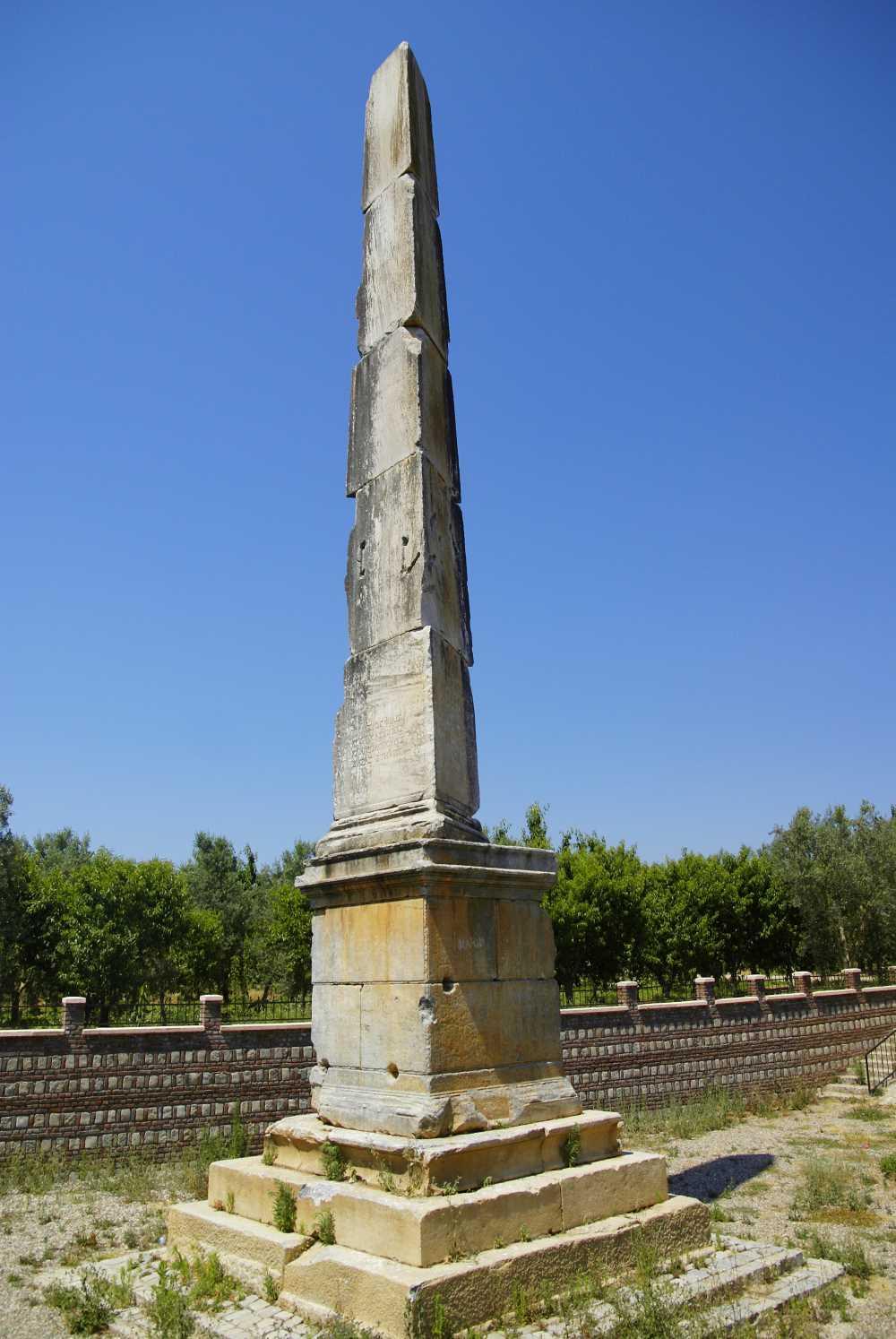
Dikilitaş (İznik)
Dikilitaş is an monumental burial structure located in the district of İznik, Bursa Province, dating to the second century of the Roman Empire. It is believed to have been erected in memory of Lucius Cassius Philiscus, son of Asklepiodos, and is regarded as one of the significant examples of Roman commemorative and funerary architecture in Anatolia. Situated within the İznik Plain, the structure has survived largely intact despite its nearly two-thousand-year history, making it one of the rare a
EN
Furkan Güçlü