

`ancient-egypt` Related Article Results
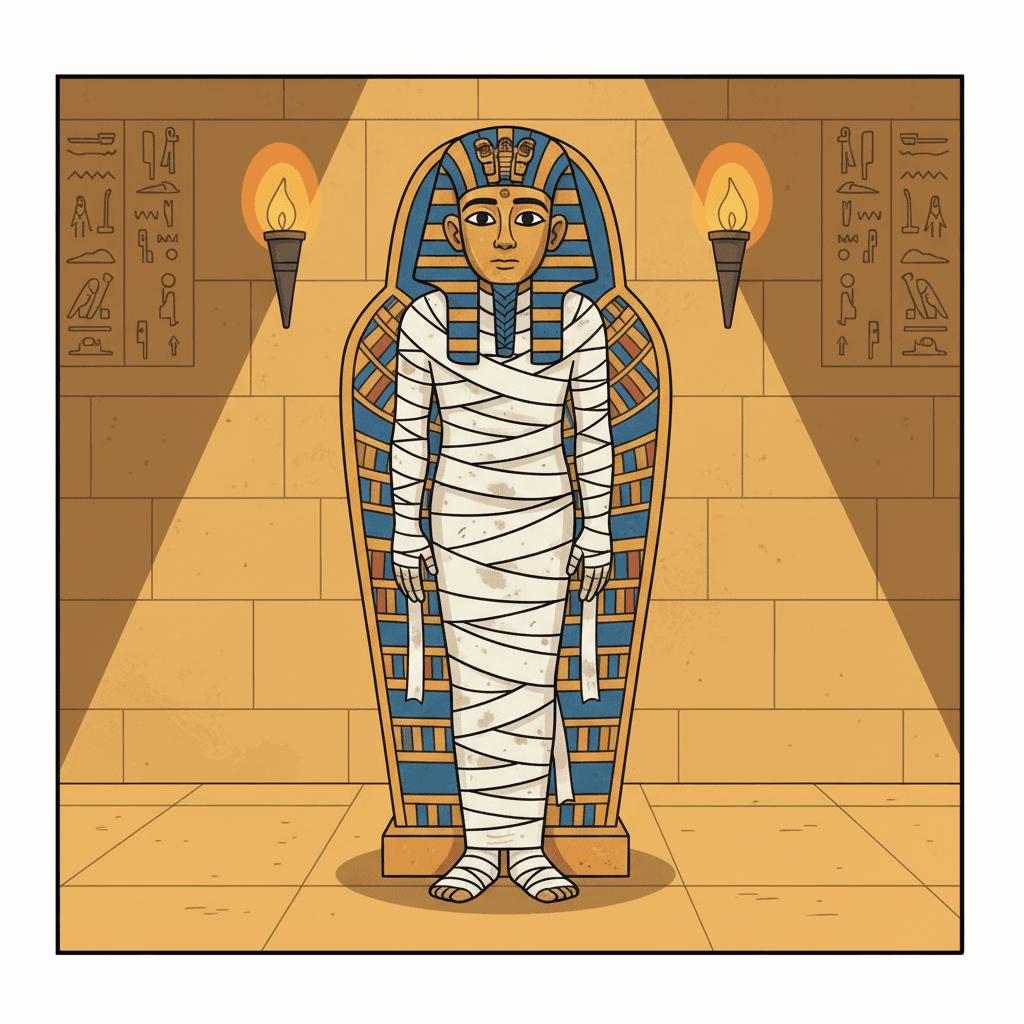
The Mysterious World of Mummies
Have you ever wondered about the mummies you’ve seen in films or documentaries—those ancient figures gazing at us as if time had stood still for thousands of years? Now we will uncover the secrets of these mysterious “mummies”! ⏳The Ancient History of Mummification Mummification is the process of preserving a deceased person’s body so that it does not decay and can remain intact for many years. When did this idea first emerge? When thinking of mummification, Ancient Egypt immediately comes to mi
EN
Nida Öztürkmen
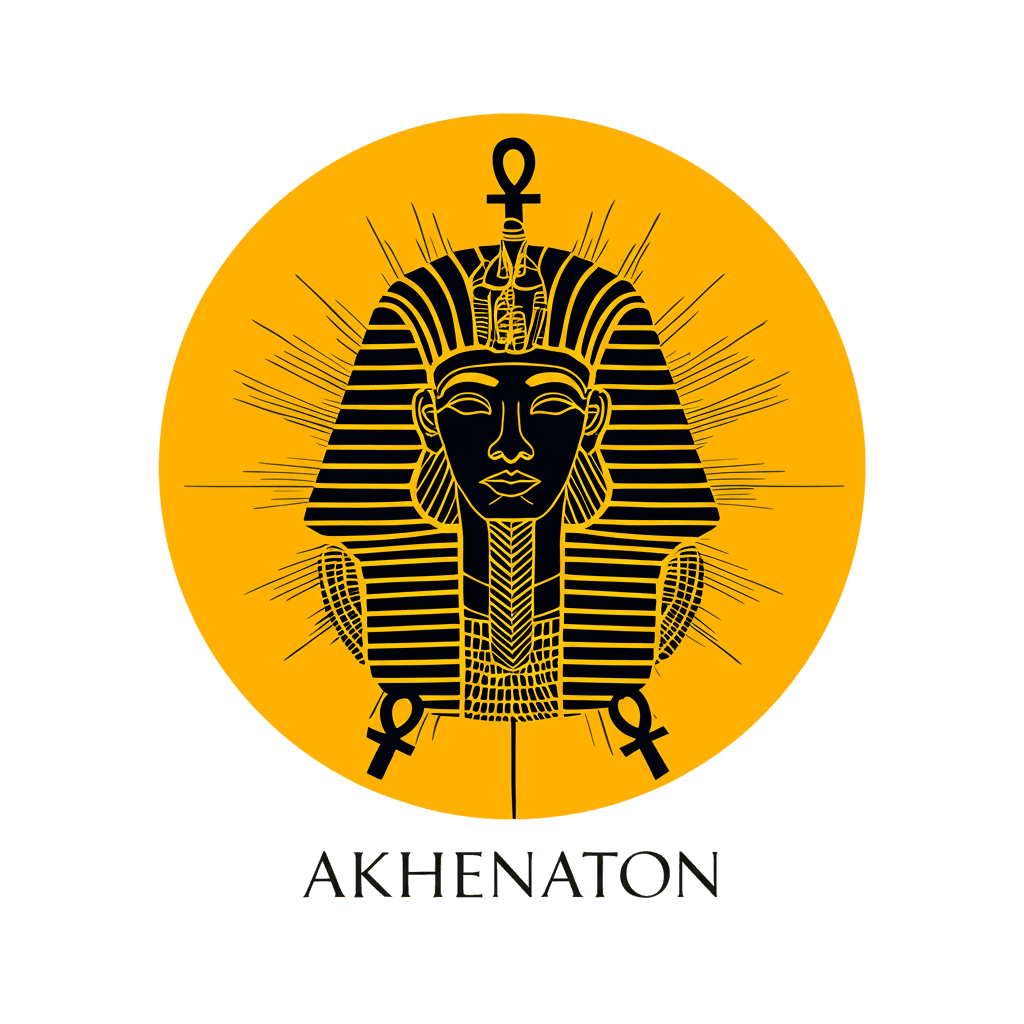
Akhenaten: A Pharaoh in the Shadow of the One God
For thousands of years, a stable order reigned along the banks of the Nile, the sacred life source of ancient Egypt, beneath the shadows of colossal pyramids and the silence of majestic temples. Pharaohs were elevated as earthly manifestations of the gods, while the people lived with unwavering devotion to these divine rulers. Yet in 1353 BCE, a single pharaoh rose to shatter this ancient order from its roots: Akhenaton. His story is a breathtaking example of how courage, unshakable faith, and c
EN
Büşra Özdeş
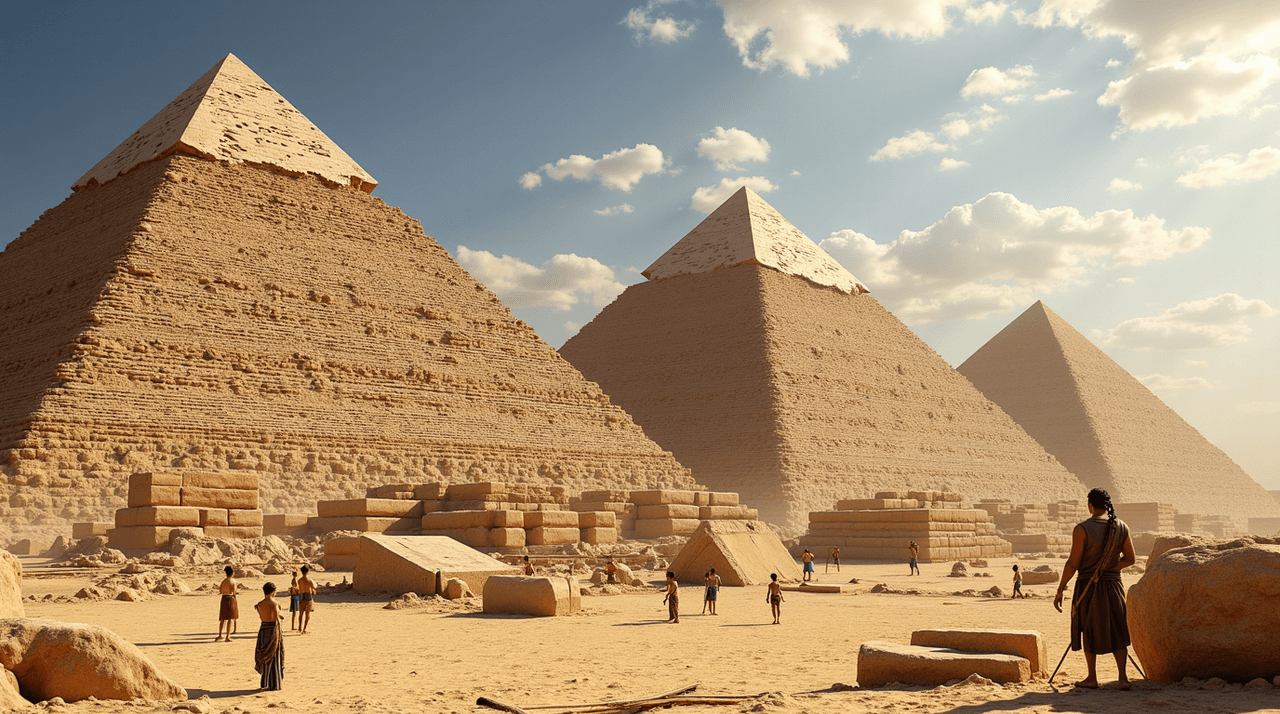
Pyramid
Pyramids are geometric structures with a broad base that narrows toward the top and are typically covered with four triangular faces. Throughout history, many civilizations have constructed them as monuments, tombs, or temples. In ancient Egypt, pyramids were used as pharaohs’ tombs, while in Mesopotamia they were built in the form of ziggurats dedicated to the gods. In Mesoamerica, the Maya, Aztecs, and Olmecs used pyramids for religious ceremonies and sacrificial rituals. These structures not
EN
Fatihhan Adana
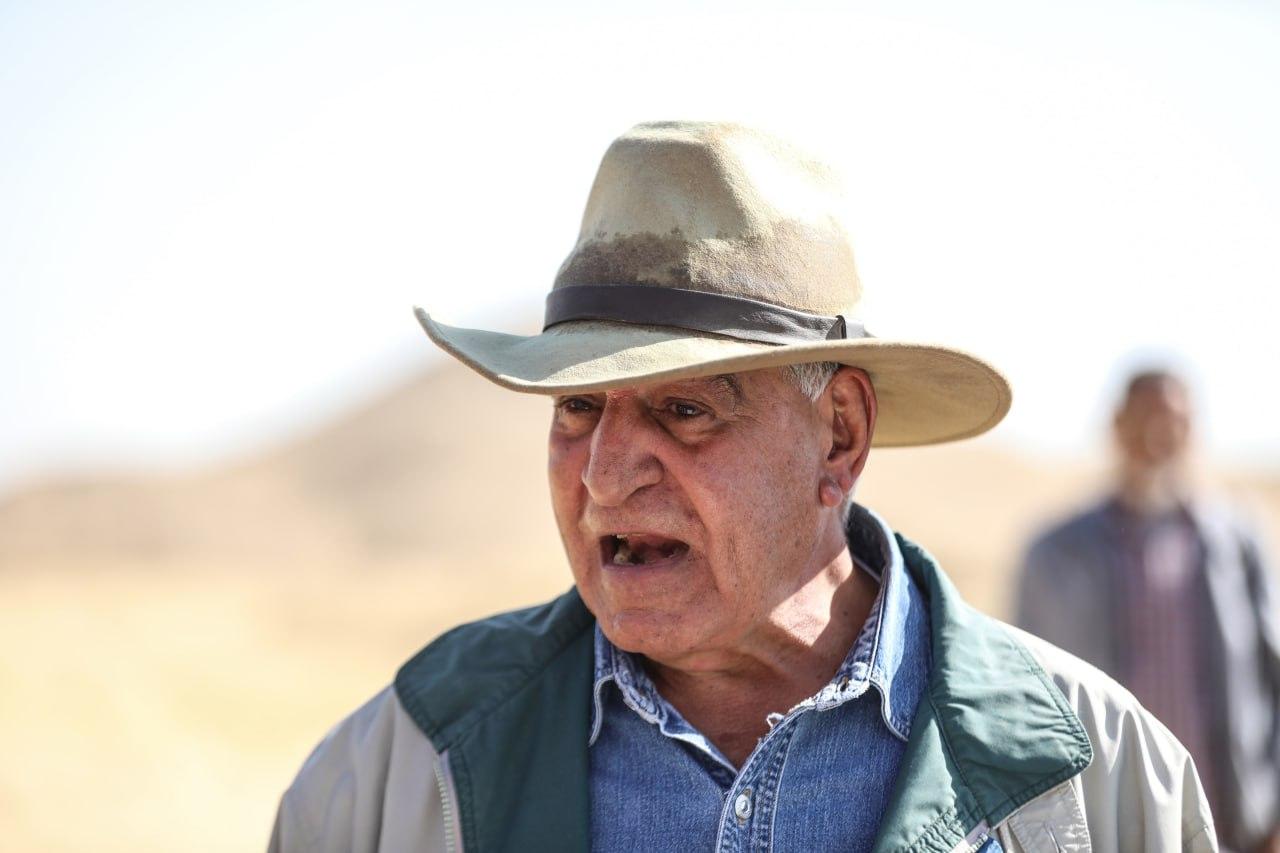
Zahi Hawass
Dr. Zahi Hawass (b. 1947, Abeedya, near Damietta, Egypt) is one of the most renowned and prolific figures in modern Egyptology. He is known for his work as an archaeologist, antiquities administrator, author, and public cultural ambassador through education, fieldwork, institutional reforms, publishing, media engagement, and campaigns for the repatriation of cultural heritage. Early Life, Education, and Professional Beginnings (1947–1990) Zahi Hawass was born in 1947 in the small village of Abee
EN
Elif Laçin
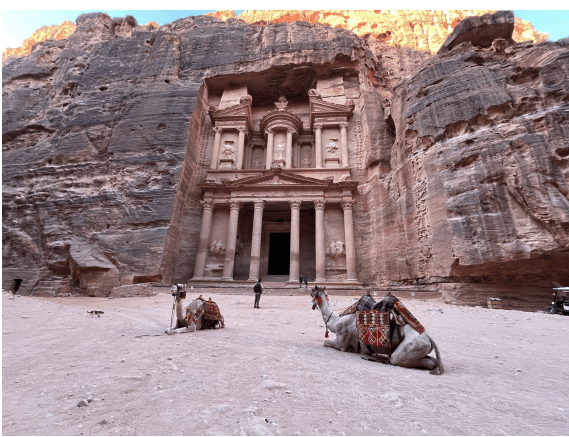
Al-Khazneh
Al-Khazneh (Arabic: Al-Khazneh) is the most famous monumental structure in the ancient city of Petra in southern Jordan, also known as "The Treasury." Carved directly into the rock by the Nabataeans, it is located at the end of the Siq, the main entrance to the city, and is widely regarded as Petra’s most iconic symbol. History and Function Although the exact date of construction remains uncertain, architectural style and archaeological evidence point to a period between the 1st century BCE and
ENAbdulsamet Suçeken
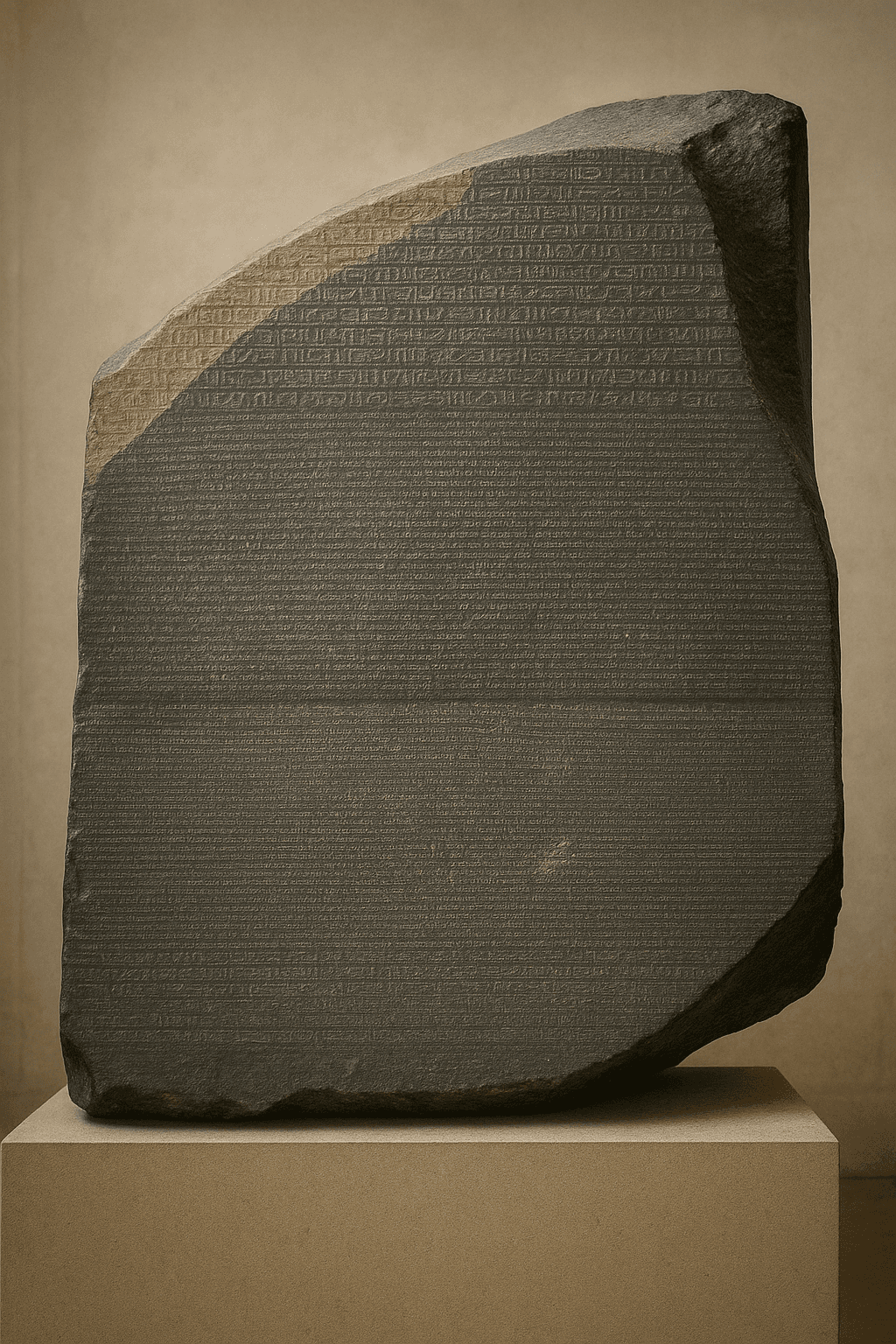
Rosetta Stone
The Rosetta Stone is an inscribed stone from Ancient Egypt, rediscovered on 19 July 1799 by Lieutenant Pierre-François Bouchard during Napoleon’s Egyptian Campaign in the town of Rashid (Rosetta), Egypt. Representative image of the Rosetta Stone (generated by AI) " image-element-format="right" image-source="https://cdn.t3pedia.org/media/uploads/2025/09/04/yaRrtLGxNlAsR4Mnf6i1VFEboLeb9jAo.png"> Discovery and Characteristics Standing approximately 36 inches (91 cm) high, 28 inches (71 cm) wide,
ENAyşe İkbal Özsakın
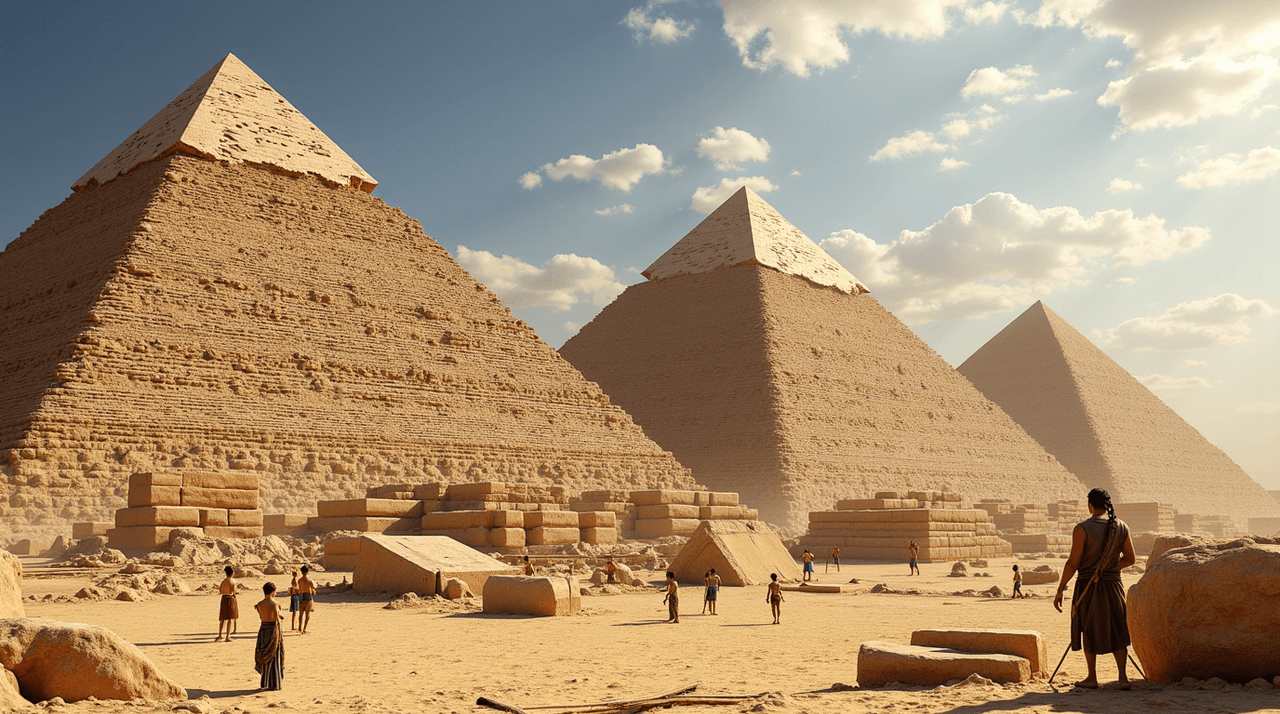
Pyramid
Pirams are geometric structures with a broad base that narrows toward the top and are typically covered by four triangular faces. Throughout history, they have been constructed by many civilizations as monuments, tomb or temples. In ancient Egypt, pirams were used as pharaohs’ tombs, while in Mesopotamia they were built as ziggurats dedicated to the gods. In Mesoamerica, the Maya, Aztecs, and Olmecs used pirams for religious ceremonies and sacrifice rituals. Over time, these structures not only
EN
Fatihhan Adana
 He
HeHepatoscopy
Hepatoscopy is a divinatory practice observed in ancient Mesopotamian and Anatolian cultures, based on the systematic examination of the liver of a sacrificed animal, particularly in political, military, and religious decision-making processes. Within the institutionalized structure of Mesopotamian divination, hepatoscopy emerged as one of the primary methods for interpreting divine signs concerning the future. The supportive role of divination in reinforcing state authority is especially eviden
ENEren Aydın
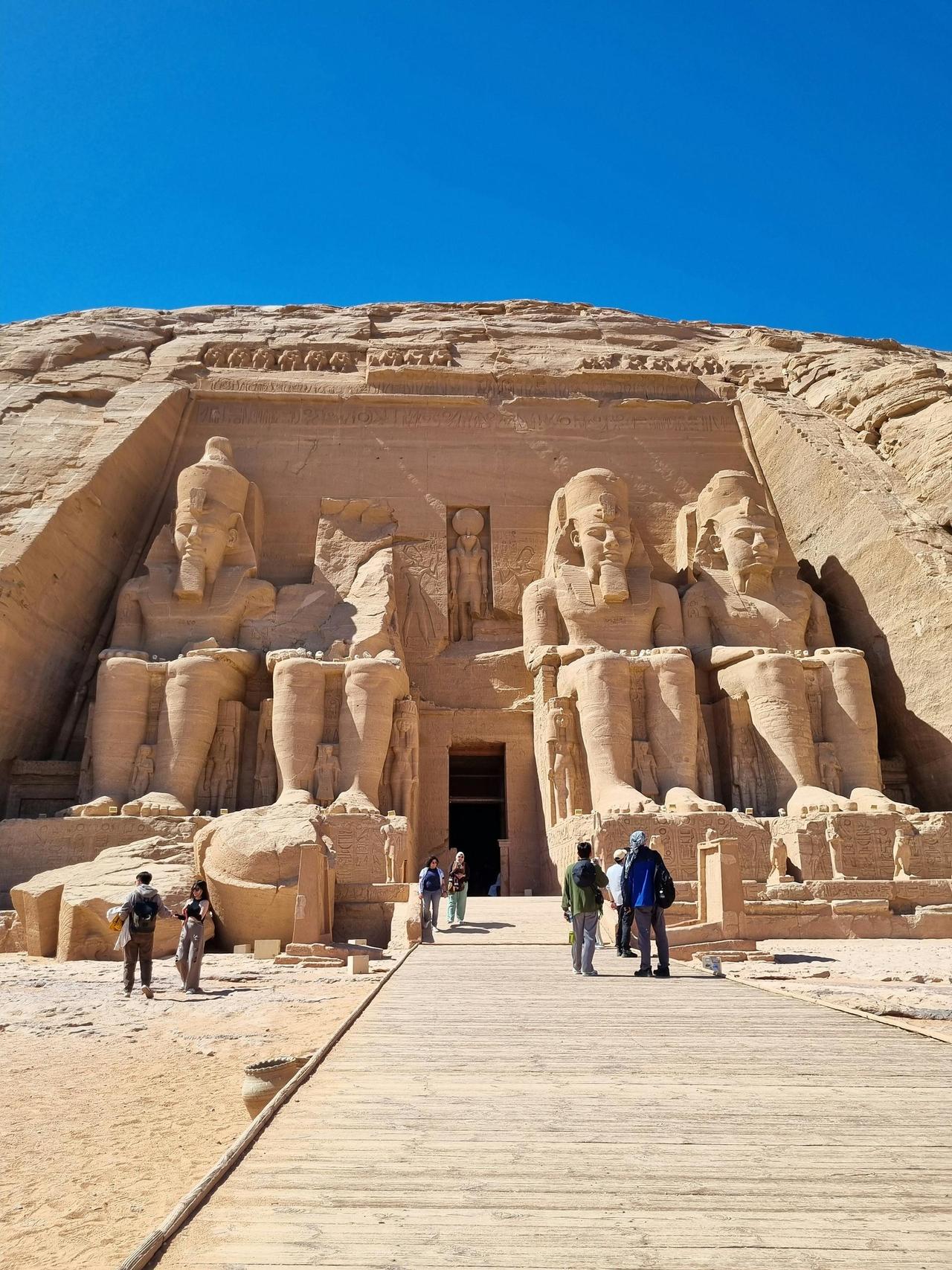
Abu Simbel Temple
Abu Simbel is an archaeological complex consisting of two rock-cut temples located in the Nubia region of Upper Egypt, within the boundaries of Aswan Governorate. The temples were carved into the mountain during the reign of Ramses II of the 19th Dynasty. The complex comprises the Great Temple, dedicated to Ra-Horakhty, Amun, Ptah and the deified Ramses II, and the Small Temple, dedicated to Hathor and Ramses II’s chief wife Nefertari. Its current location is on the western shore of Lake Nasser,
EN
Yusuf Bilal Akkaya
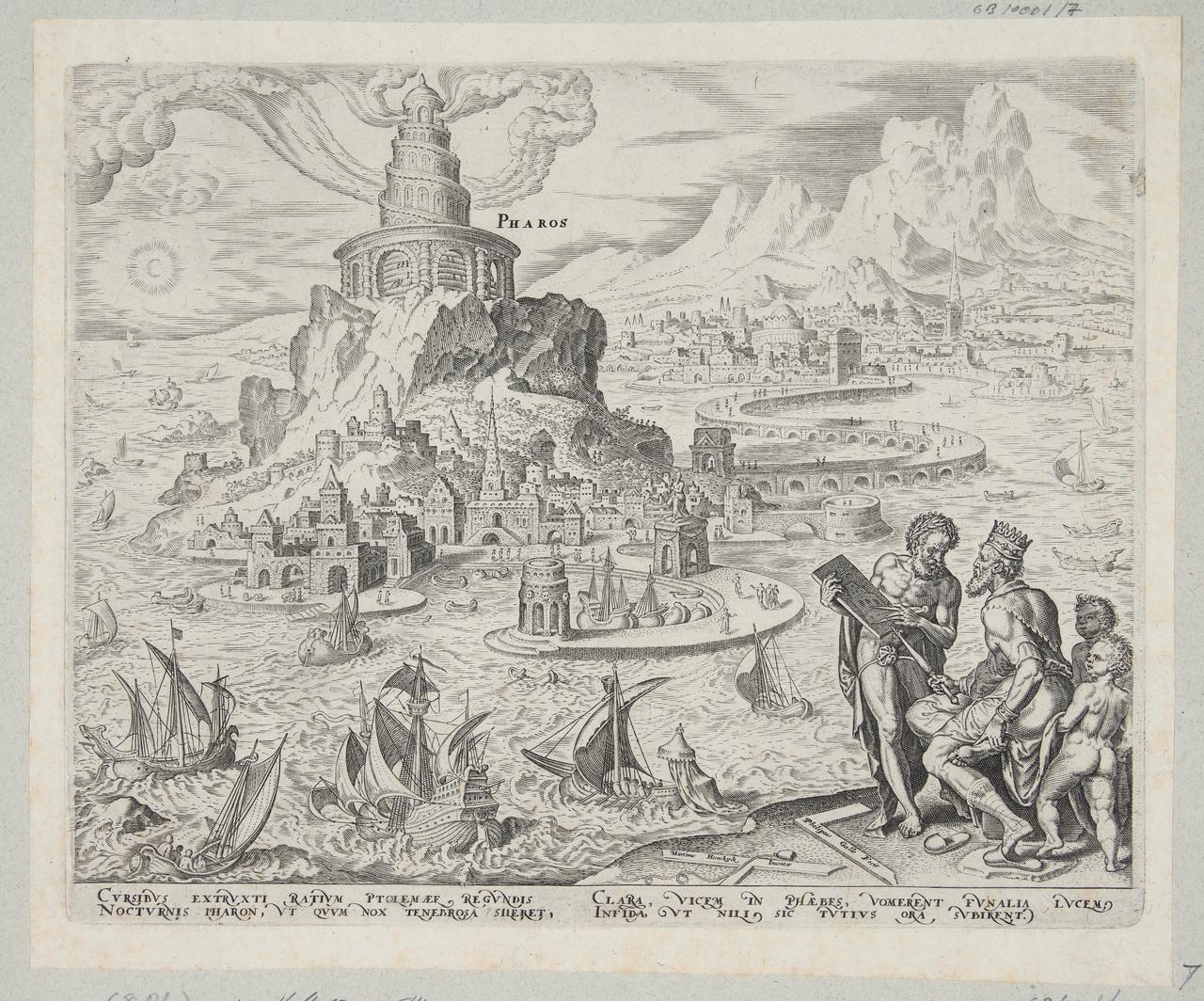
Lighthouse of Alexandria
Lighthouse of Alexandria is a monumental sea lighthouse constructed in the 3rd century BCE on the island of Pharos off the coast of Alexandria in Egypt and recognized as one of the Seven Wonders of the Ancient World. It is considered one of the earliest examples of lighthouse construction and remained standing for centuries on the site of the later Qaitbay Citadel until the 14th century. Also known as the Pharos Lighthouse, it was built on Pharos, a small rectangular island located on the wester
EN
Nursena Şahin