


This article was automatically translated from the original Turkish version.
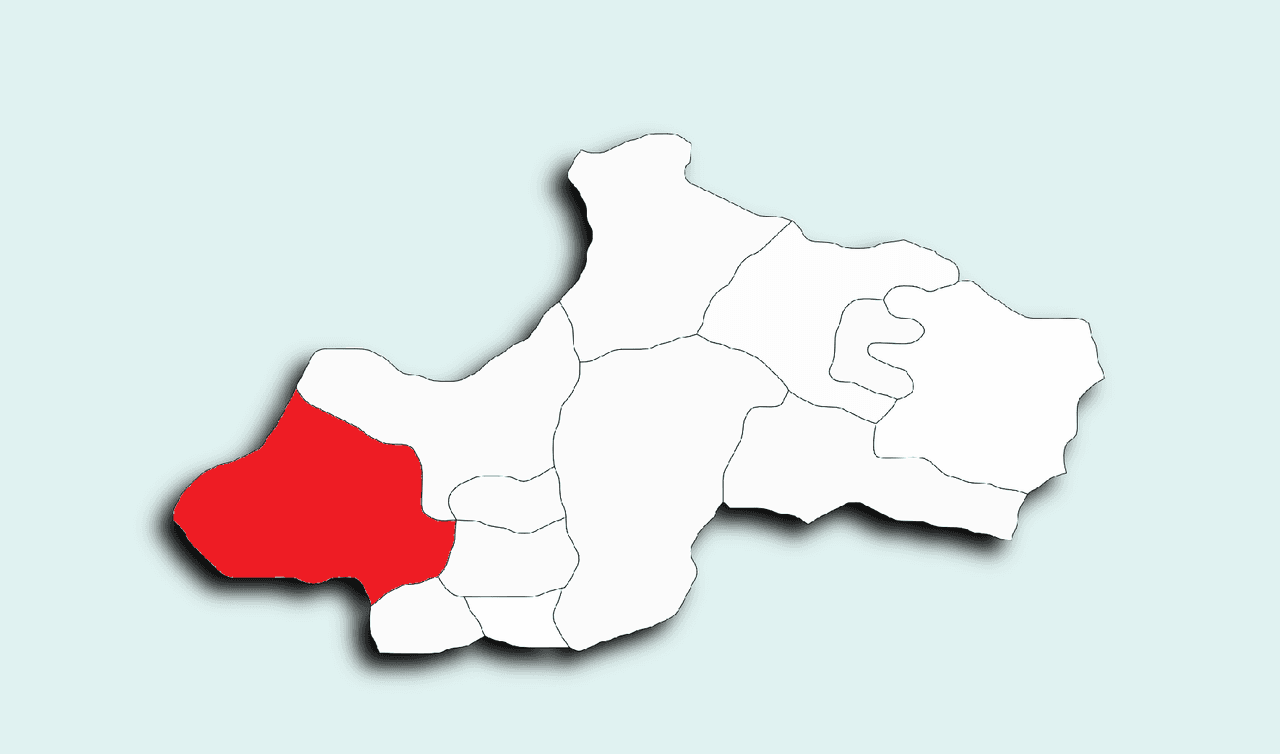
Zile
Province | Tokat | ||||||||
|---|---|---|---|---|---|---|---|---|---|
Elevation | 710 metres | ||||||||
Area | 1511 km² | ||||||||
Population (2024) | 53.668 | ||||||||
Important Building | Ulu Cami Maşat Höyük Roma Tiyatrosu Zile Kalesi | ||||||||
Mayor | Şükrü Sargın | ||||||||
District Governor | Çağlar Tekin | ||||||||
Tokat province’s western region lies the district of place, which throughout history has served as a home to many civilizations, distinguished by its rich cultural heritage, natural beauty, and agricultural production. Zile, a continuously inhabited settlement since antiquity, bears traces of numerous cultures from the Hittites to the Romans and from the Byzantines to the Ottomans. Zile is also notable for its historical significance; it is the very place where Julius Caesar uttered his famous phrase “Veni, vidi, vici” (I came, I saw, I conquered) after his victory at the Battle of Zile.
Zile is located approximately 67 km from the center of Tokat province. It borders Turhal to the north, Artova to the east, Yeşilyurt to the south, and the districts of Gümüşhacıköy and Suluova of Amasya province to the west. Situated within the Yeşilırmak basin, the district features fertile plains and a temperate continental climate, making it highly suitable for agriculture.
Zile’s history dates back around 3,000 years. The region was first settled during the Hittite period and later came under the rule of the Phrygians, Persians, Macedonians, and Romans. During the Kingdom of Pontus, it became a strategic center and emerged as a key point of resistance against the Roman Empire. In 47 BCE, after defeating the Pontic army in the Battle of Zile, Julius Caesar sent his famous letter to the Roman Senate containing the phrase “Veni, vidi, vici” from this location.
During the Byzantine period, Zile became an important religious and military center and was subsequently utilized by the Seljuks and later the Ottomans. Under Ottoman rule, it served as an administrative district center.
The district of Zile consists of 17 neighborhoods, including the central district and over 80 surrounding villages. Some of these neighborhoods include:
Zile offers a blend of traditional and modern life through both its urban center and village communities.
Zile’s economy is largely based on agriculture and livestock farming. The fertile Zile Plain is especially known for the cultivation of sugar beet, wheat, barley, sunflower, maize, and tomatoes. In recent years, production of cherry, sour cherry, grape, and apple has also increased. Zile grapes are regionally renowned for their quality.
Livestock farming is widespread, with both large and small animal husbandry being common. Milk production and dairying are among the most important sources of income in the villages.
Additionally, the district features small-scale food processing facilities, flour mills, agricultural machinery production, lumbering, and traditional peksimet manufacturing. Zile peksimet is known for both its durability and flavor.
Education in Zile is widely available from primary school through high school, and the district is also home to higher education institutions such as the Zile Dinçerler Tourism and Hospitality Vocational School. There are numerous primary, middle, and high schools in the district. Notably, Zile Science High School and Zile Anatolian High School are among the most preferred schools in the region.
Culturally, Zile is one of the most vibrant districts of Tokat. It continues to preserve its cultural values through traditional crafts, village weddings, folk dances, and events such as the Zile Fair.
Zile is home to numerous historical and natural sites:
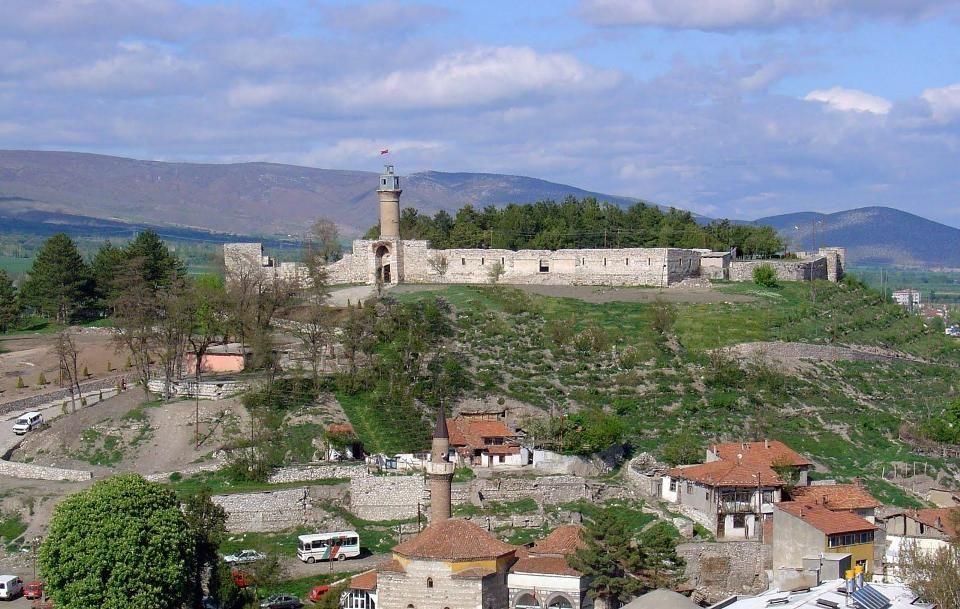
Zile Kalesi (Zile Belediyesi)
Zile is connected to Tokat city center and surrounding districts by road. The nearest railway connection is via Turhal. The opening of Tokat Airport has expanded transportation opportunities.
Zile features various sports facilities. Schools and youth centers include sports halls, carpet courts, and basketball courts. Zile Belediyespor, an active local club, competes in amateur leagues and supports young athletes.
Additionally, the district offers various courses for youth and children through its public education center, including training in traditional crafts and music.
Life in Zile proceeds simply but meaningfully, in harmony with nature. Each year, during the summer months, the return of expatriates to their villages increases activity. During this time, village festivals, fairs, and open-air events bring social life to life.
T.C. Tokat Valiliği. "Zile." Accessed April 13, 2025. tokat.gov.tr
T.C. Zile Kaymakamlığı. "Zile Kaymakamlığı Resmî Web Sitesi." Accessed April 13, 2025. zile.gov.tr
Zile Belediyesi. "Zile Belediyesi Resmî Web Sitesi." Accessed April 13, 2025. zile.bel.tr
Zile Turizm Platformu. "Tarih – Arkeolojik." Accessed April 13, 2025. zileturizm.com

Zile
Province | Tokat | ||||||||
|---|---|---|---|---|---|---|---|---|---|
Elevation | 710 metres | ||||||||
Area | 1511 km² | ||||||||
Population (2024) | 53.668 | ||||||||
Important Building | Ulu Cami Maşat Höyük Roma Tiyatrosu Zile Kalesi | ||||||||
Mayor | Şükrü Sargın | ||||||||
District Governor | Çağlar Tekin | ||||||||
Location and Neighbors
History
Neighborhoods and Settlements
Economy
Education and Culture
Historical and Natural Attractions
Transportation
Sports and Social Life