


This article was automatically translated from the original Turkish version.
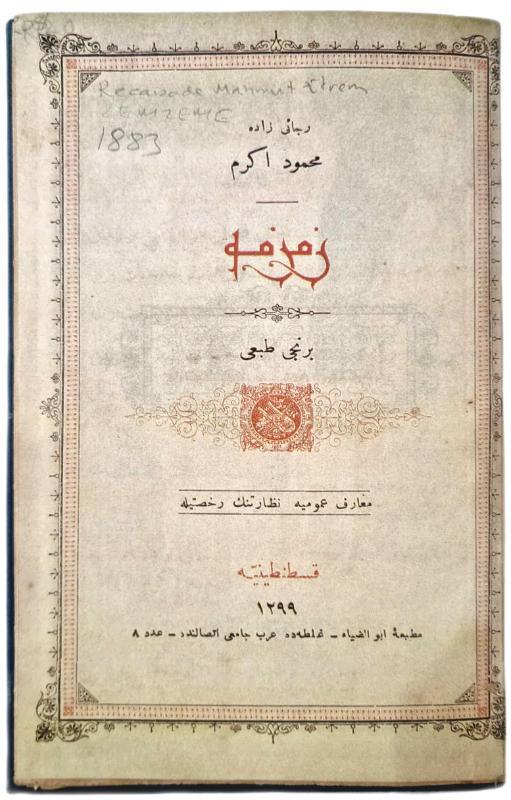
The original edition of the Zemzeme work written in Ottoman Turkish
Author | Recaizade Mahmud Ekrem | ||||||||
|---|---|---|---|---|---|---|---|---|---|
Country | Türkiye | ||||||||
Language | Türkçe | ||||||||
Genre | Şiir | ||||||||
Publication | 1885 | ||||||||
Recaizâde Mahmut Ekrem’s aesthetic understanding in Tanzimat literature is reflected in Zemzeme, a significant poetry collection in three volumes. It also embodies his view that “Kafiye, kulak içindir.” Published in 1885, this eser stirred considerable yankı in the literary circles of the time and became central to the old-new literature debates.
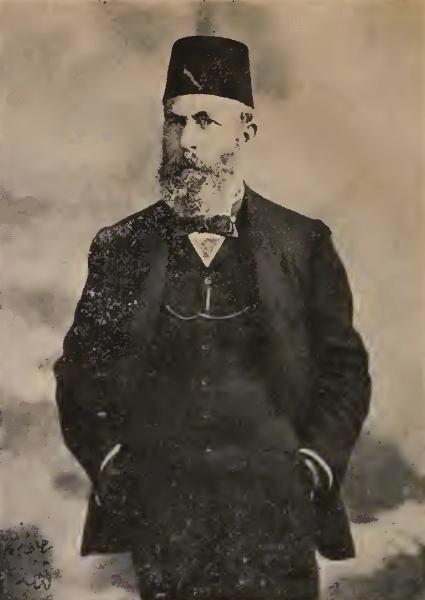
The author of Zemzeme is Recaizâde Mahmut Ekrem
Zemzeme consists of poems aiming to offer an alternative to the Divan literary tradition. In the preface of the third volume especially, Recaizâde Mahmut Ekrem articulated his views on poetry and aesthetics, revealing his interest in Batı literature. While traditional elements such as vezin and kafiye are preserved, the work exhibits an innovative approach in content and style. These features made it a guide for young writers seeking renewal during the Tanzimat period.
Each of the three volumes is structured around distinct subjects and themes:
Recaizâde Mahmut Ekrem’s Zemzeme is one of the most important texts that clarified the distinction between old and new in Tanzimat literature. The work symbolizes the conflict between the established aesthetics of Divan literature and the new literary sensibility inspired by Batı. Zemzeme served as a platform for Recaizâde’s innovative stance and drew attention through his critical approach to Divan literature. His aim was to demonstrate that old literature was not merely based on formal beauty but also needed enrichment through innovation in duygu, fikir, and hayal.
Zemzeme became the catalyst for a literary debate between Recaizâde Mahmut Ekrem and Muallim Nâci. In the preface of the third volume, Recaizâde criticized the inadequacies of the old style and subtly challenged Muallim Nâci’s loyalty to Divan literature. This durum prompted Muallim Nâci to respond directly with his work Demdeme. Demdeme intensified the debate by delivering sharp criticisms of Recaizâde’s new literary approach.
Muallim Nâci’s defense rested on the idea that literature is a social and artistic heritage. He argued that the formal and aesthetic values of Divan literature must be preserved. Recaizâde, however, contended that modernization was impossible without abandoning the constraints of old literature and urged young poets to adopt a new aesthetic.
Zemzeme’s publication caused the old-new literature debate to acquire an ideological dimension alongside its aesthetic concerns. In his work, Recaizâde highlighted both the limitations of Divan literature and the potential of the new literary movement, exemplifying the tension between modernleşme and localization in Tanzimat literature. Advocates of renewal, under Recaizâde’s leadership, sought to develop a new poetic aesthetic but did not argue for the complete rejection of traditional literature.
Zemzeme is an important source for understanding the aesthetic outlook of the Tanzimat period and examining the influence of Batı literature. While laying the foundations of a new poetic sensibility, the poet did not neglect the values of traditional Türk literature. This denge played a crucial role in the literary debates of the time.
Gizem Akyol, "RECAİZADE EKREM’İN ŞİİRLERİNDE KONUYA GÖRE SEÇİLEN NAZIM ŞEKLİ VE VEZİN KÜLTÜRÜ" (6), 1-16, (2022).
Kılıç, Fikret A., and Handan Gürbüz. “Recaizade Mahmut Ekrem’in Edebiyata Dair Bazı Dikkatleri ve Eleştirileri.” Erzincan Üniversitesi Sosyal Bilimler Enstitüsü Dergisi 12, no. 2 (December 2019): 223–245.https://dergipark.org.tr/tr/pub/erzisosbil
Nejdet Sançar, "Recaizâde Ekrem’in Eserleri ve Eserlerinin Çeşitli Basımları." Millî Kütüphane Dergisi: 130-147.

The original edition of the Zemzeme work written in Ottoman Turkish
Author | Recaizade Mahmud Ekrem | ||||||||
|---|---|---|---|---|---|---|---|---|---|
Country | Türkiye | ||||||||
Language | Türkçe | ||||||||
Genre | Şiir | ||||||||
Publication | 1885 | ||||||||
Purpose and Characteristics of the Work
Content and Themes
Debates and Influences
Rise of the Old-New Literature Debate
Recaizâde Mahmut Ekrem and Muallim Nâci Debate
Aesthetic and Ideological Dimensions
Literary Value