


This article was automatically translated from the original Turkish version.
+2 More
The Yenisey River, with a length of 5,539 kilometers, is the longest river in Central Asia and one of the most important waterways in Siberia. It has significant impacts on ecosystems, transportation, energy production and regional climate across the world. The river originates in the center of Russia and flows northeastward, eventually joining the Ob River, which drains into the Caspian Sea. As a waterway, it connects the interior regions of Siberia and holds particular importance for hydroelectric power generation. Additionally, the surrounding flora and fauna enhance the region’s biological diversity and support livelihoods such as agriculture and fishing for local populations. It serves as a vital water route for industrial areas of Russia.
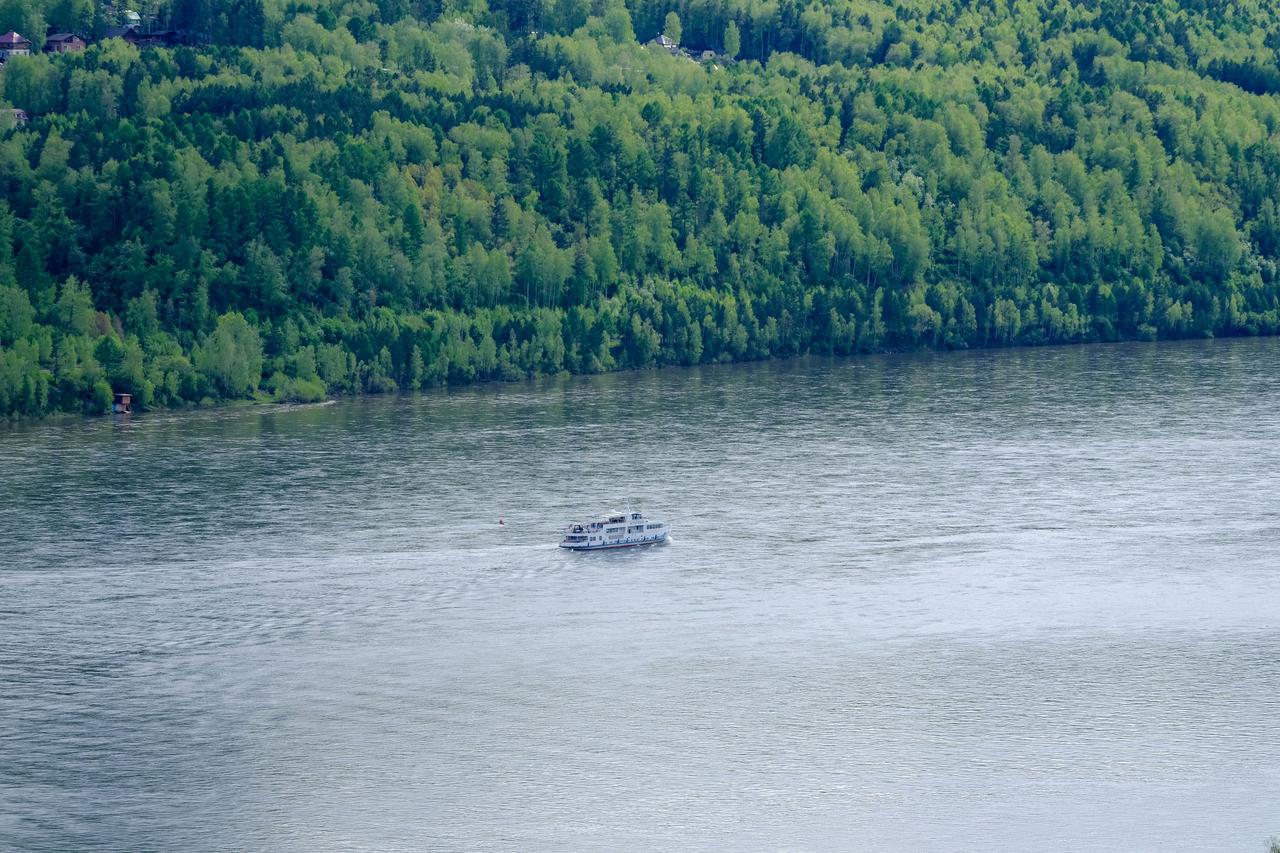
Yenisey River (Photo: Kir Shu, unsplash.com)
The Yenisey River originates in the Sayan Mountains and flows through valleys between various mountain ranges. Its source is near the Yenisey Lake in the Altai Republic of Russia. This region forms the highest and most mountainous section of the river. As the river progresses, it follows a broader channel, passing through extensive forested areas rich in flora and fauna. Although the Yenisey experiences freezing during the winter months, it provides a major water source during the summer due to fluctuations in water levels.
The Yenisey River possesses a rich ecosystem supported by the vast natural areas surrounding it. Its banks are covered by Siberian forests and tundra, which provide critical habitats for wildlife. Numerous animal species inhabit the region, including brown bears, wolves, various species of deer, reindeer and waterfowl found here. The river’s waters are also significant for fishing. The Yenisey serves as an ideal spawning ground for species such as carp and salmon.
The area around the Yenisey River has historically hosted various settlements. Along its course, villages and small towns are located, typically based on livelihoods such as agriculture and fishing. The Yenisey is also situated near some of Russia's major industrial centers. In these cities, transportation via the river, energy production (particularly through hydroelectric plants), and industrial activities play significant economic roles.
The Yenisey River carries traces of ancient Turk peoples such as the Göktürks and Uyghurs of Central Asia. The Göktürks settled around the Yenisey River, making this region their center and establishing dominance along its course. Göktürk inscriptions and artifacts related to Uyghur culture have been excavated from this area. This historical process played a vital role in the political and cultural development of Turkic peoples in Central Asia.
In the 13th century, the founder of the Mongol Empire, Genghis Khan, and his successors crossed the Yenisey River to continue their conquests across vast regions of Siberia. During this period, the Yenisey became a route of movement for both Mongol armies and other Central Asian peoples. Mongol expansion toward Russia increased the strategic importance of the Yenisey River.
In the early 20th century, during the Soviet Union’s industrial revolution, the Yenisey witnessed the construction of major hydroelectric projects. The Soviet government built several dams on the river to increase electricity production and used the river to process Siberia’s natural resources. This period transformed the economic structure around the Yenisey.
Today, the natural environment around the Yenisey River is under threat from environmental disasters and industrial activities. Moreover, water resources and energy projects along the Yenisey play a major role in shaping regional policies. These projects influence both regional development within Russia and international relations.
The Yenisey River begins in the northeastern part of Central Asia and flows across vast areas of Siberia toward the north. It passes through the extensive interior regions of Russia, connecting remote areas by land. This strategic location makes the Yenisey important both for local and international relations.
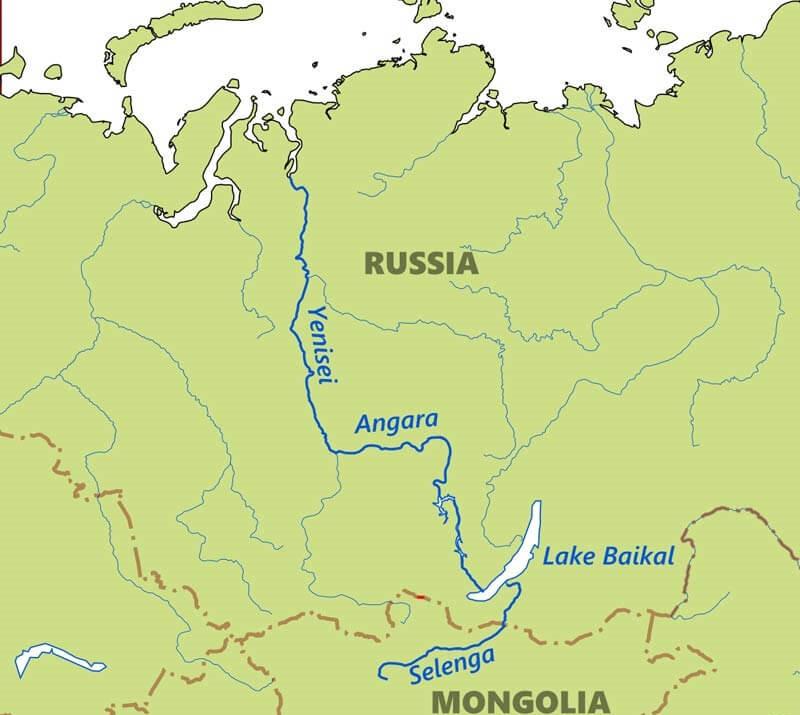
(Photo:
The Yenisey River plays a critical role in transportation. From the 1950s onward, during the Soviet era, large hydroelectric dams were constructed along the river. These dams are important not only for energy production but also for navigation.
The region surrounding the Yenisey faces environmental threats. Industrial pollution, the impacts of hydroelectric plants and deforestation endanger the river’s ecosystem. This poses a significant risk to local populations and natural habitats.
Bene, Nota. "Sayan and Yenisei: The Rapids." Kaspersky Daily. Accessed March 19, 2025.https://eugene.kaspersky.com/2017/09/11/sayan-and-yenisei-the-rapids/
Free World Maps. "Rivers of Russia." Accessed March 19, 2025.https://www.freeworldmaps.net/russia/rivers.html
Kir Shu. "The view of river Yenisey, Siberia, Russia." Unsplash. Accessed March 22, 2025.Accessed adresi.
Mustafa Kalkan. "Kırgız Boylarının Yenisey'den çıkarılmaları ve Coğrafi Dağılımları." Accessed March 19, 2025.https://dergipark.org.tr/en/download/article-file/683133
SPUTNIK. "Sibirya Yenisei Nehri." Anlatılan Anotesi. Accessed March 19, 2025.https://anlatilaninotesi.com.tr/20160907/sibirya-yenisey-nehri-1024754394.html
World Atlas. "Where Does the Yenisei River Flow?" Accessed March 19, 2025.https://www.worldatlas.com/articles/where-does-the-yenisei-river-flow.html

Ecosystem
Human Settlements and Culture
History
Geographical Location and Proximity
Nearby Regions and Cities
River Transport and Dams
Environmental Threats