

`river` Related Article Results
 Ye
YeYenisey River
The Yenisey River, with a length of 5,539 kilometers, is one of the most important waterways in Central Asia and Siberia. It has significant impacts on ecosystems, transportation, energy production, and regional climate across its basin. It originates in the center of River and flows northeastward, joining the Ob River, which empties into Caspian Sea. As a waterway, it connects the interior regions of Siberia and holds particular importance for hydroelectric power generation. Additionally, the s
EN
Hümeyra Yılmaz
Ceyhan River
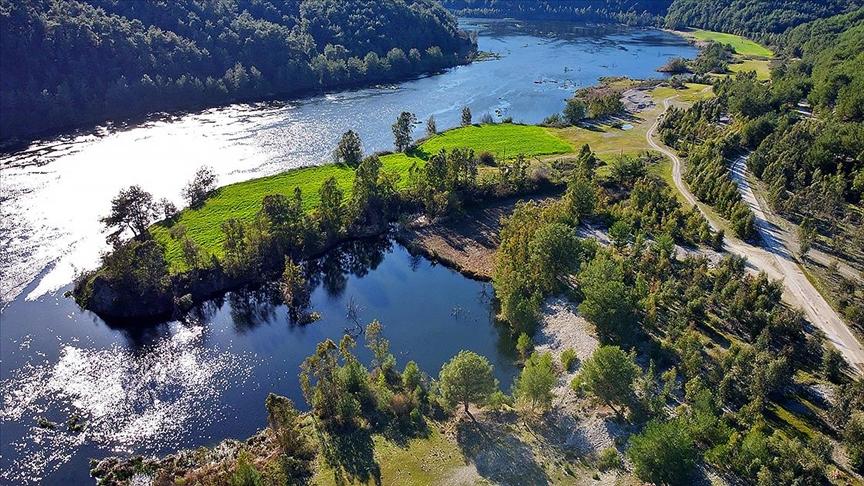
The Ceyhan River is one of the most important rivers in southern Türkiye that flows into the Mediterranean Sea. Originating from Kahramanmaraş in southern Türkiye, the river was known in antiquity as Pyramos. Throughout history, it has witnessed the lives of many civilizations. Settlements along its banks—such as the ancient city of Anavarza—demonstrate the cultural as well as natural importance of the river. In terms of both the volume of water it carries and the fertile lands it irrigates, the
EN
Güzide Uygun
What is a River?
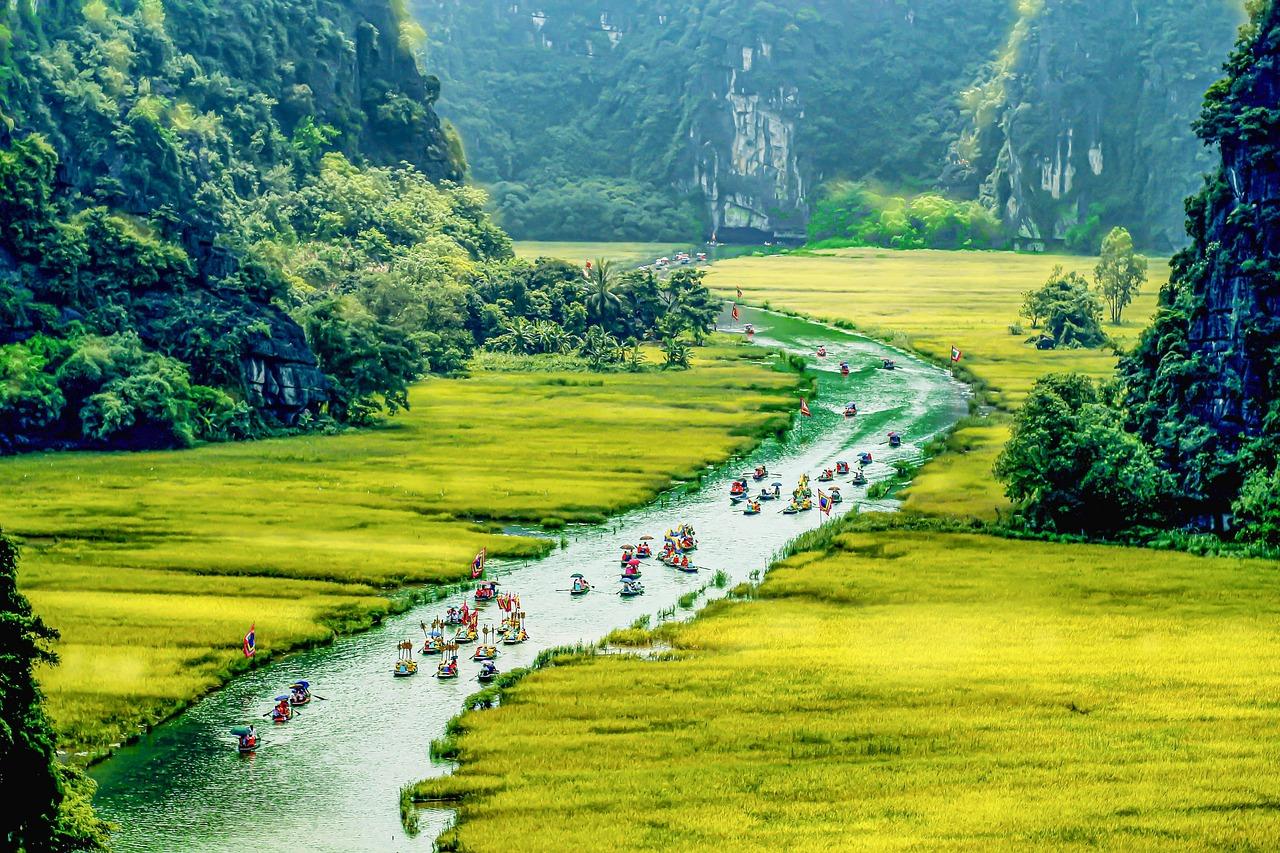
Rivers are surface water masses that move along the slope of the Earth’s surface under the influence of gravity and follow a defined channel. Rivers that originate from a source and flow into a sea, lake, or another river are active components of the hydrosphere. These systems, formed by surface runoff, play fundamental roles in shaping the land surface and sustaining the water cycle. General Characteristics Rivers flow either continuously or seasonally. Continuous rivers exhibit a consistent di
EN
İbrahim Filiz
What is a River?
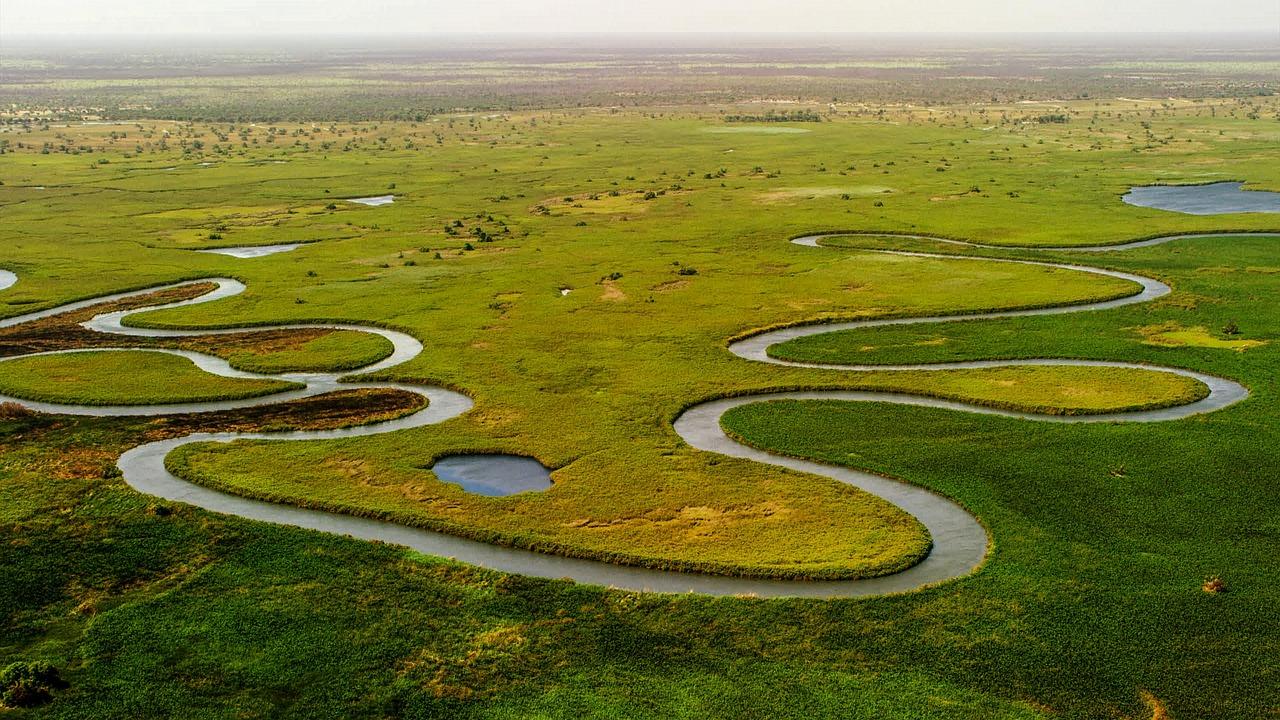
A river is a natural watercourse fed by rainfall, snowmelt, or spring waters; it flows continuously within a defined channel and typically reaches seas, lakes, or other rivers. Key Characteristics Rivers originate at a point known as the "source." As they flow, they gather smaller tributaries such as streams and brooks, increasing in volume and discharge. Ultimately, they empty into a sea, lake, or other body of water at a point called the "mouth." Parts of a River A river consists of three main
ENİbrahim Filiz
YeYenisey River
The Yenisey River, with a length of 5,539 kilometers, is the longest river in Central Asia and one of the most important waterways in Siberia. It has significant impacts on ecosystems, transportation, energy production and regional climate across the world. The river originates in the center of Russia and flows northeastward, eventually joining the Ob River, which drains into the Caspian Sea. As a waterway, it connects the interior regions of Siberia and holds particular importance for hydroelec
EN
Hümeyra Yılmaz
ZiZinav Canyon
Zinav Canyon is a natural canyon located within the boundaries of the Reşadiye district in Tokat province, Türkiye, covering an area of place. Renowned for its natural beauty, rich biodiversity, and ecological significance, canyon is also one of the region’s key nature tourism destinations. Geographical Location Zinav Canyon is approximately 90 kilometers from the city center of Tokat and about 25 kilometers from the district center of Reşadiye. The canyon lies immediately adjacent to Zinav Lake
ENSalih Baba
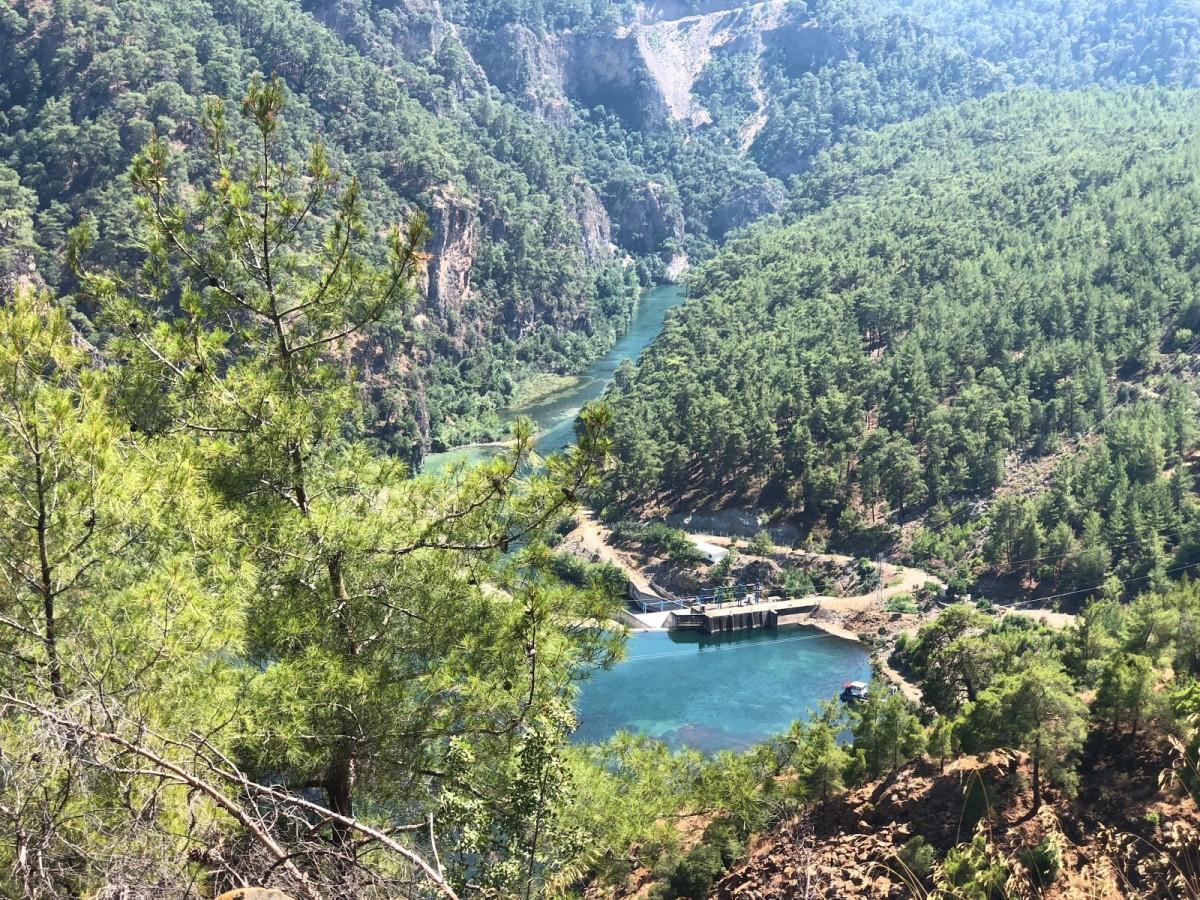
Dalaman River
Dalaman Çayı is a strategic river approximately 229 kilometers long, located between the provinces of Muğla, Denizli and Burdur in southwestern Türkiye. Originating from the Çameli and Dirmil plateaus, the river is fed by tributaries from the Gölgeli and Boncuk Mountains, which are an extension of the Western Taurus Mountains, and flows through the Dalaman and Ortaca plains before emptying into the Mediterranean Sea. Known in antiquity as "Indos," the river is of vital importance to the regional
EN
Yağmur Binici
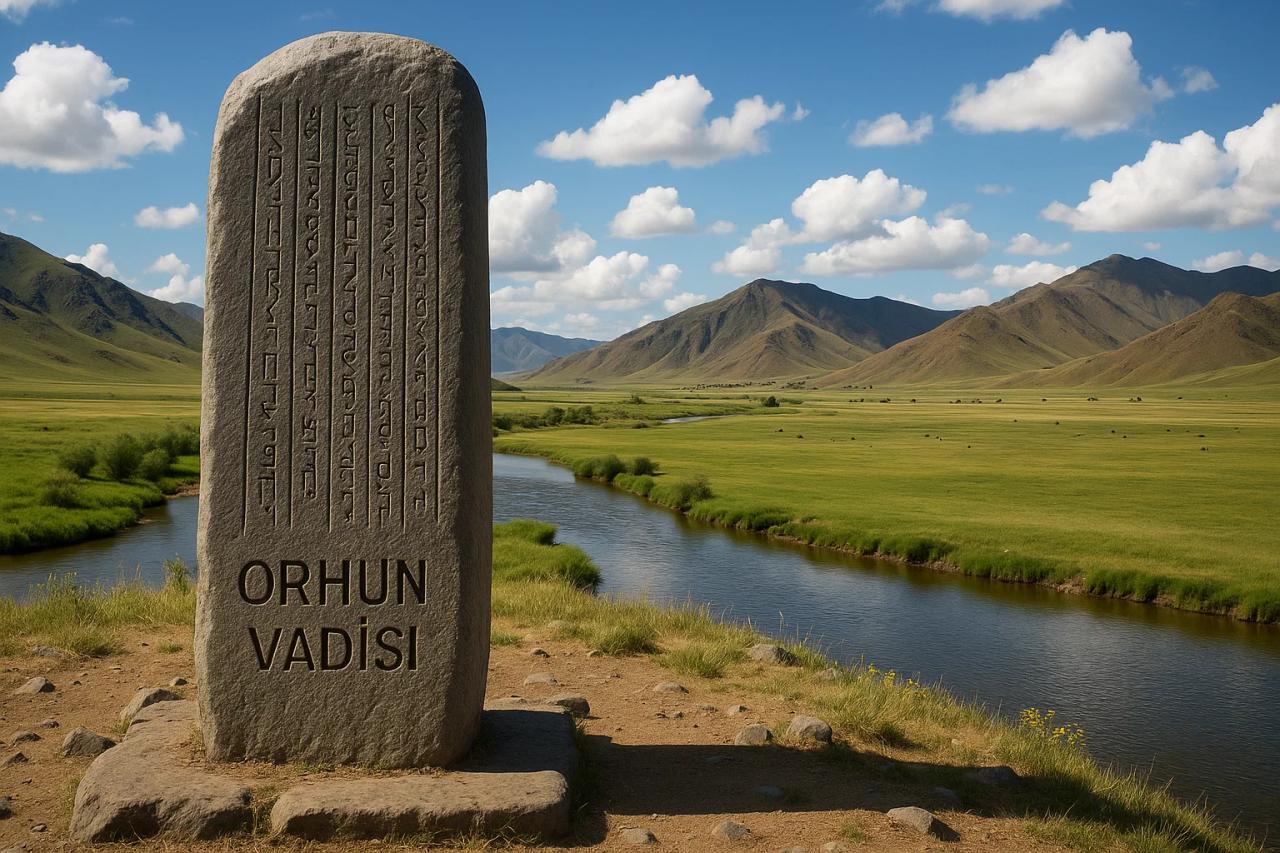
Orkhon Valley
Orkhon Valley is a geographical region located in the Mongolian area of Central Asia that has held central political, cultural, and socio-economic significance for the Turkic peoples throughout history. The valley is best known for the presence of the Orkhon Inscriptions, which date back to the Göktürk period. These inscriptions are of great importance for the study of the Turkic language and history as the oldest known written records of the Turkic peoples. History The historical significance o
ENHümeyra Yılmaz

Hudson River Helicopter Crash (2025)
On April 10, 2025, a crash occurred in New York City, United States, when a helicopter plunged into the Hudson River during a sightseeing flight. Six people lost their lives in the accident. Among those killed were Agustín Escobar, Chief Executive Officer of Rail Infrastructure at Siemens Mobility, his wife Mercè Camprubí Montal, their three children, and the helicopter pilot place. Sequence of Events The helicopter crash occurred at 15:17 local time over the Hudson River, near Hoboken in the st
EN
Edanur Karakoç
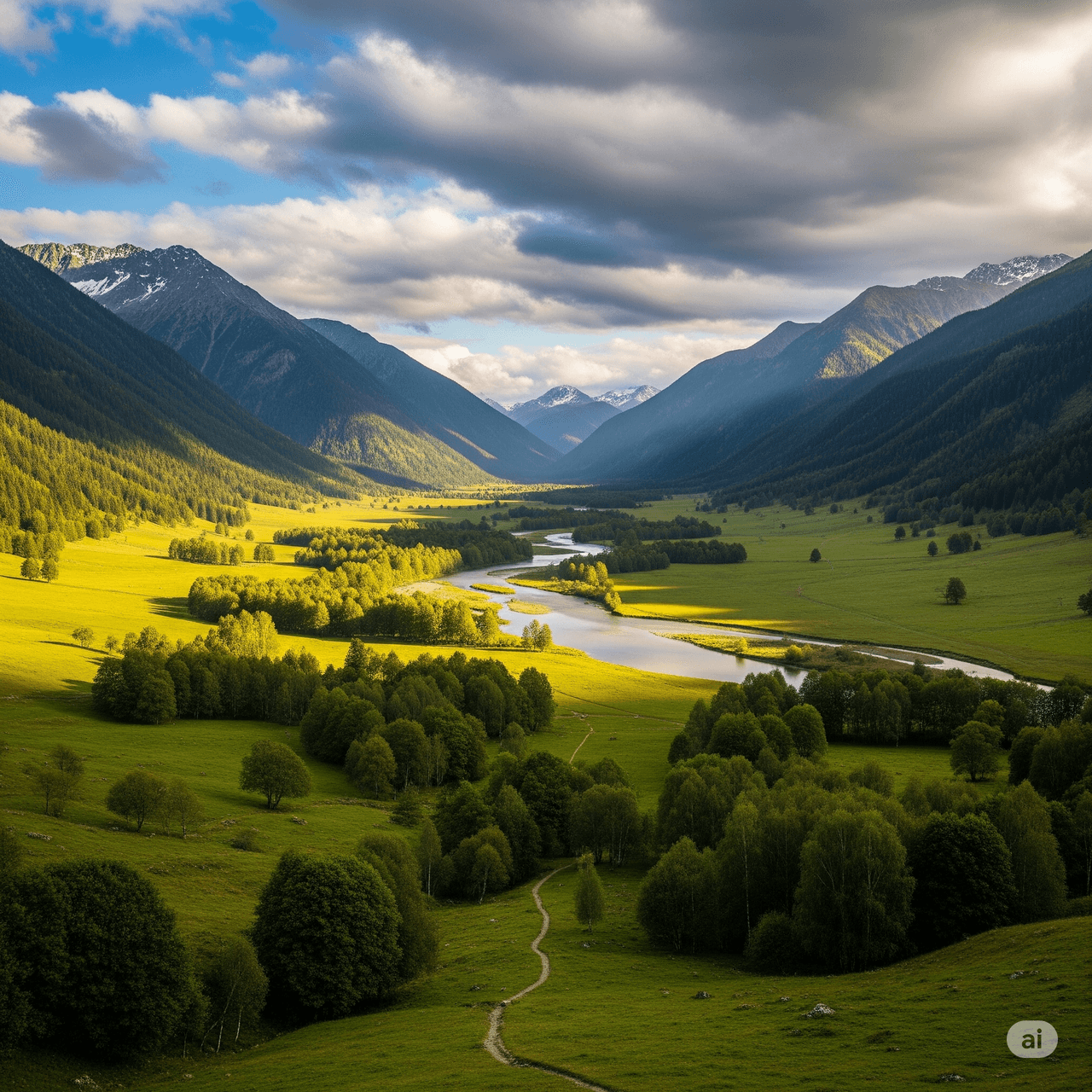
What is a Valley?
A valley is a natural, elongated, and depressed area typically found between mountains or hills. Valleys are formed by the erosion of the Earth’s surface by rivers or glaciers. These eroded valleys play a significant role in shaping the Earth’s topography. How Are Valleys Formed? Valleys are primarily formed by the erosion of the Earth’s surface by rivers or glaciers. In river valleys, rivers gradually erode the soil and rocks along their course, creating long and deep depressions known as valle
ENİbrahim Filiz