This article was automatically translated from the original Turkish version.
Location | Karabük Türkiye | ||||||||
|---|---|---|---|---|---|---|---|---|---|
Foundation | 1661 | ||||||||
Architecture(s) | 48 Wooden Shops | ||||||||
Craft | Yemenicilik (Traditional Leather Shoes) | ||||||||
Historical Significance | Meeting the Army's Shoe Needs During the National Struggle | ||||||||
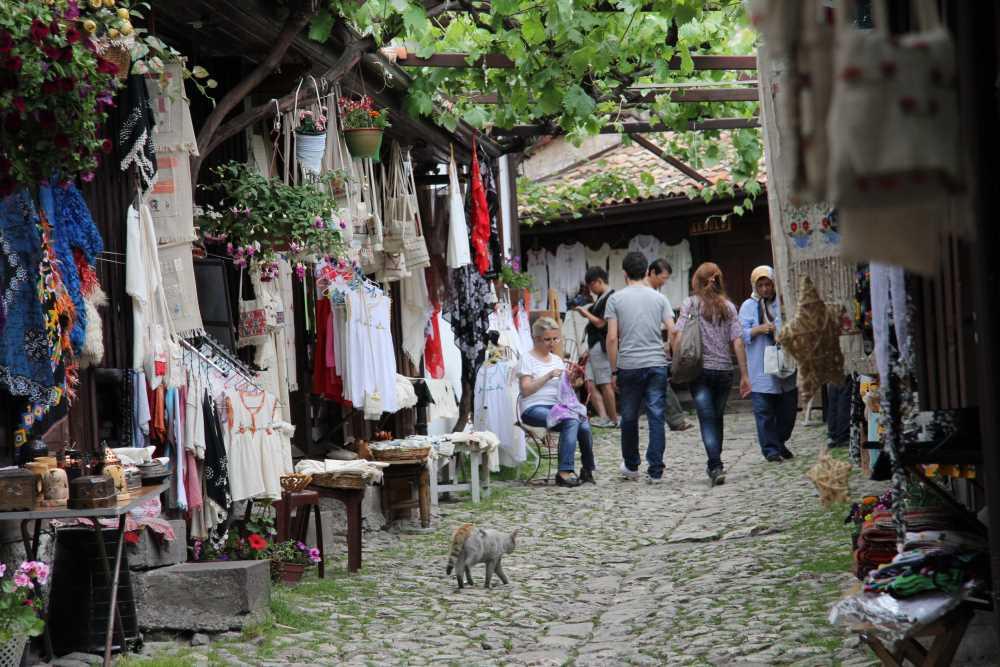
Yemeniciler Arastası is located adjacent to the Köprülü Mehmet Paşa Camii in the district of Safranbolu, Karabük. Built under the guild system during the Ottoman period, the bazaar was established in 1661. Safranbolu was a major stopover and trade center along the Gerede-Sinop caravan route; therefore, bazaars such as Yemeniciler Arastası played a central role in the city’s economic life.
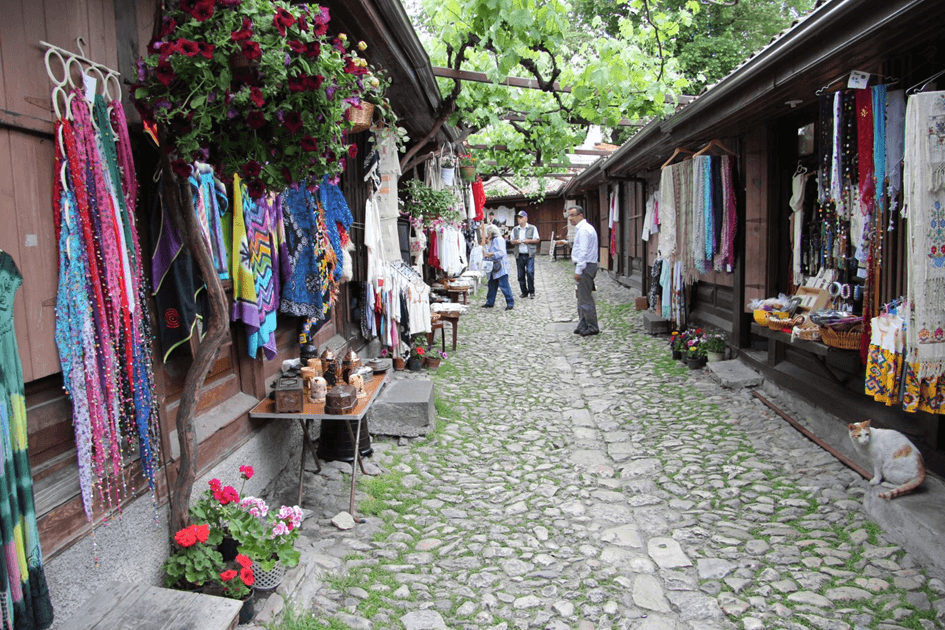
Yemeniciler Arastası (Türkiye Culture Portal)
The bazaar consists of 48 wooden shops arranged side by side in an equilateral triangular layout. These structures, characterized by prominent wood and stone craftsmanship, reflect traditional Ottoman arasta architecture. The contiguous arrangement of the shops and the overall plan of the arasta enabled masters to continue their trades in accordance with the guild system of the period.
Yemeniciler Arastası is a guild bazaar where “yemeni,” entirely handcrafted leather shoes, were produced. Yemeni shoes are made with upper leather, goat skin lining, and buffalo hide soles; all stitching is done by hand. This craft remained a significant trade in Safranbolu until the late 1950s.
During the National Struggle, Yemeniciler Arastası met the army’s footwear needs within available resources. The bazaar also facilitated the emergence of various production and trade establishments in its vicinity. Alongside trades such as blacksmithing, coppersmithing, silk dealing, and leatherworking in Safranbolu Bazaar, the guild tradition was sustained.
In the second half of the 19th century, the craft declined and many shops were abandoned. By decision of then Minister of Culture Ahmet Taner Kışlalı, the bazaar was restored and transformed into a center for traditional production and tourism. Today, the arasta serves a tourist function, and the Ahmet Demirezen Yemenicilik Museum is open to visitors on weekends.
Today, the only remaining yemeni master who has been active in Yemeniciler Arastası for many years is Erhan Başkaya. Together with his son Taha Başkaya, they continue to pass on the craft to future generations. The arasta now functions as a tourist center housing shops selling souvenirs alongside traditional workshops.
Since Safranbolu is inscribed on the UNESCO World Heritage List, the preservation and transmission of traditional bazaars such as Yemeniciler Arastası to future generations have been ensured. As an integral part of Safranbolu’s historical and cultural identity, the arasta is a vital space where Ottoman guild traditions and local crafts are kept alive.
Yemeniciler Arastası is one of the rare surviving examples reflecting the Ottoman guild tradition. Each shop was dedicated to a specific craft, and masters conducted their trades according to established rules. Yemenicilik played both an economic and social role within this guild system, preserving solidarity among masters, quality standards, and professional ethics.
Anadolu Ajansı. “355 Yıllık Çarşıda Tek Dükkan Kaldı.” Accessed August 16, 2025. https://www.aa.com.tr/tr/yasam/355-yillik-carsida-tek-dukkan-kaldi/696866#:~:text=UNESCO%20D%C3%BCnya%20Miras%20Listesi'nde%20bulunan%20Karab%C3%BCk'%C3%BCn%20Safranbolu%20il%C3%A7esinde,355%20y%C4%B1lda%20tek%20yemenici%20kald%C4%B1
Kültür Portalı. "Yemeniciler Arastası." Kültür Portalı. Accessed August 16, 2025. https://www.kulturportali.gov.tr/turkiye/karabuk/gezilecekyer/yemeniciler-arastasi
Kültür ve Turizm Bakanlığı. “Yemeniciler ve Demirciler Arastaları.” Safranbolu Turizm Danışma Bürosu. Accessed August 16, 2025. https://safranboluturizmdanismaburosu.ktb.gov.tr/TR-166064/yemeniciler-ve-demirciler-arastalari.html

Location | Karabük Türkiye | ||||||||
|---|---|---|---|---|---|---|---|---|---|
Foundation | 1661 | ||||||||
Architecture(s) | 48 Wooden Shops | ||||||||
Craft | Yemenicilik (Traditional Leather Shoes) | ||||||||
Historical Significance | Meeting the Army's Shoe Needs During the National Struggle | ||||||||
No Discussion Added Yet
Start discussion for "Yemeni Intermediaries" article
Architectural Features
The Yemeni Craft
Social and Economic Role
Restoration and Tourism
Yemeniciler Arastası Today
Cultural and UNESCO Value
Guild and Craft Culture