This article was automatically translated from the original Turkish version.
+1 More
Yakovlev Yak-3
Country of Origin | Soviet Union | ||||||||
|---|---|---|---|---|---|---|---|---|---|
First Flight | 8 March 1944 | ||||||||
Retirement | 1950s | ||||||||
Crew | 1 | ||||||||
Length | 8.5–8.55 m | ||||||||
Wingspan | 9.2 m | ||||||||
Height | 2.42 m | ||||||||
Empty Weight | 2.105 kg | ||||||||
Engine | 1 × Klimov VK-105 / VK-107 V-12 piston engine | ||||||||
Maximum Speed | 645–720 km/h | ||||||||
Range | 547–1060 km | ||||||||
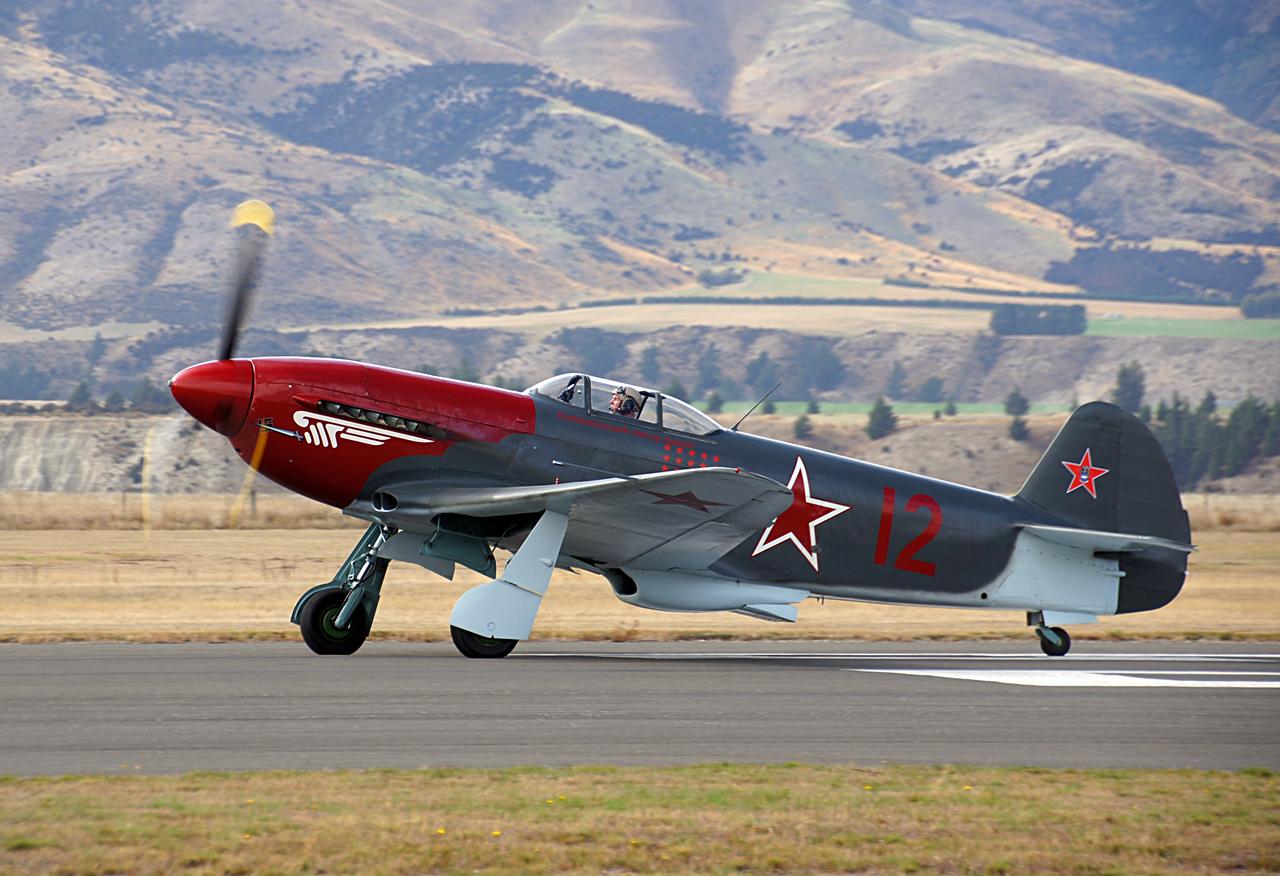
The Yakovlev Yak-3 is a single-engine, single-pilot fighter aircraft developed and used by the Soviet Union during World War II. Designed by the Yakovlev Design Bureau under the leadership of Alexander Sergeyevich Yakovlev, it emerged as a modernized and improved version of the existing Yak-1 model, intended to match the capabilities of contemporary German Luftwaffe fighter aircraft.
The Yakovlev Yak-3 project was conceived during World War II by Alexander Sergeyevich Yakovlev in the Soviet Union with the goal of modernizing the existing Yak-1 model and bringing its performance up to par with Luftwaffe fighter aircraft. The Soviet approach to fighter development during World War II focused on assigning different design bureaus specific technical challenges to overcome. In line with this strategy, the Yak-3 was developed for a critical mission: to create a tactical gap above the battlefield at low altitudes, enabling ground-attack aircraft such as the Il-2 Sturmovik to operate safely against German ground forces by establishing air superiority over the front lines.
However, the aircraft’s development was delayed and slowed due to the German offensives of 1941 and critical shortages of aluminum, a vital material for aircraft construction. After overcoming the initial shock of war and the aluminum shortage, the Yakovlev Design Bureau resumed and accelerated its design efforts in 1943 to enhance the Yak-1’s capabilities and produce a new fighter aircraft.【1】
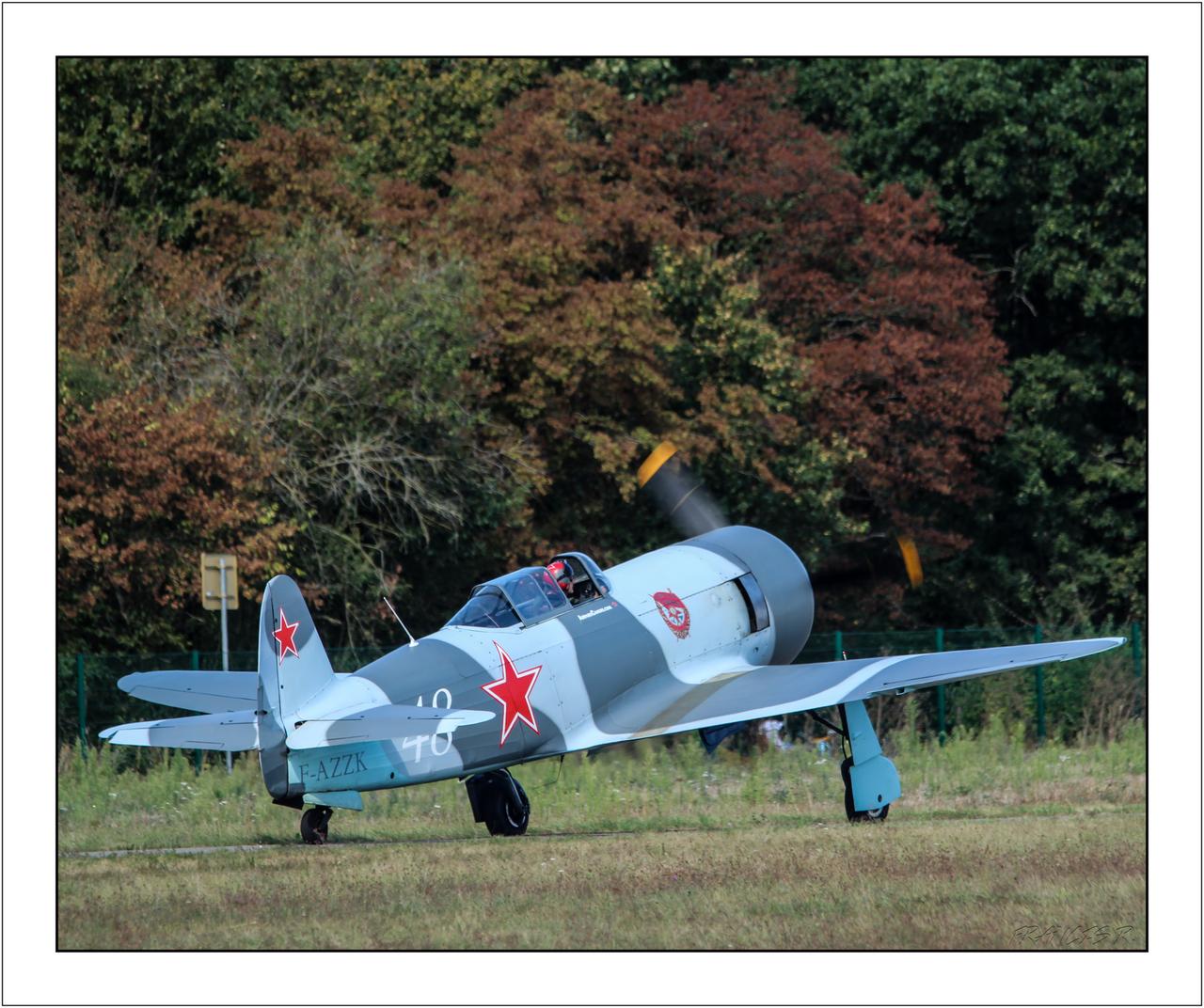
Yakovlev Yak -3 (Francis ROBERT)
With the acceleration of the design process, the Yak-3 model made its first flight in 1943. Initial test data indicated a high power-to-weight ratio, and it was noted for its exceptional climb rate and maneuverability, making it an effective fighter in close air combat. Reports from its first combat missions recorded that for every Yak-3 lost, 15 Luftwaffe aircraft were shot down. In later stages of development, Klimov VK-107 engines producing 1,700 horsepower were integrated into the system to further increase speed and performance, raising the maximum speed significantly.【2】
The entry into service and serial production timeline of the aircraft is assessed using two distinct chronological milestones. The aircraft entered service in July 1943. The first production prototype of the Yak-3, the final evolution of the Yakovlev series, made its maiden flight on 8 March 1944 and was delivered to frontline units during the summer of the same year for operational use. During World War II, a total of 34,000 Yakovlev-series fighter aircraft were produced, of which 4,848 were Yak-3 models.【3】
The development and production of the Yak-3 continued after the war. In 1991, the Yakovlev company initiated a limited new production run targeting the Western market. This production utilized original plans, molds, and technical equipment. These aircraft, continuing the serial number sequence from the last wartime unit, were equipped with Allison V-1710 engines due to the unavailability of the original Klimov VK-105 engines and were designated Yak-3M (a total of 11 units).
The Yak-3U variant, considered under the framework of technical continuity, was created in 1991 by the Strela Aircraft Company in Russia, which converted two-seat C-11 (Yak-11) training aircraft originally produced in Czechoslovakia in 1956 into single-seat fighter configurations.
The Yakovlev Yak-3 was designed as one of the smallest and lightest combat fighter aircraft produced during World War II. With a balanced structure in terms of power-to-weight ratio, climb performance, and maneuverability, the aircraft was particularly effective in close air combat roles. Thanks to its aerodynamic design and low weight, it demonstrated high performance at low altitudes, offering a distinct maneuverability advantage over other contemporary fighters in that altitude band.
The Yak-3’s system architecture was fundamentally mechanical and propulsion-oriented, consistent with the technological conditions of the era. The aircraft’s primary propulsion system consisted of liquid-cooled, V-12 cylinder Klimov engines. Early production series used VK-105 and VK-105 PF-2 engines producing between 1,290 hp and 1,650 hp. Later upgrades integrated VK-107 engines delivering approximately 1,700 horsepower. In post-1991 re-manufactured aircraft, due to the unavailability of the original engines, supercharged and liquid-cooled Allison V-1710 engines were selected.【4】
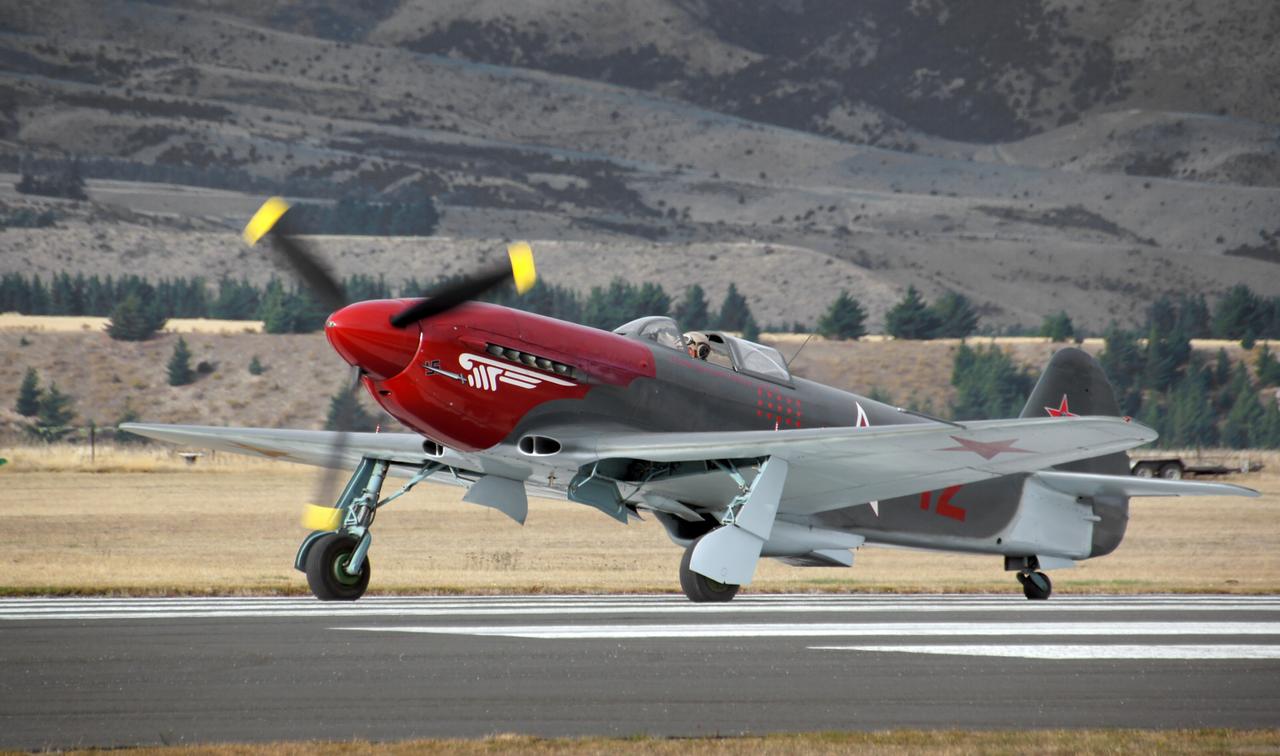
Yak-3M (Bernard Spragg. NZ)
The Yak-3 is a single-pilot fighter aircraft measuring approximately 8.5–8.55 meters in length, 9.2 meters in wingspan, and 2.42 meters in height. Its wing area is 14.85 m². The empty weight is approximately 2,105 kg, with a takeoff weight reaching 2,985 kg. Depending on the engine variant, power output ranges from 1,290 hp to 1,700 hp. Maximum speed varies between 645 km/h and 720 km/h, with a cruise speed of approximately 458 km/h. The range is between 547 km and 1,060 km, and the service ceiling reaches approximately 10,880 meters. Initial climb rate was measured at 3,645 feet per minute.【5】
The armament of the Yak-3 series features a centralized nose layout. A 20 mm ShVAK cannon firing through the propeller hub serves as the primary weapon, while machine guns mounted in the upper nose section function as secondary armament. These machine guns vary by production series and include either the 12.7 mm Berezin UBS or 7.62 mm caliber alternatives. At the time of its design, the aircraft lacked modern radar, electronic warfare systems, or advanced sensor technology; operational missions relied on visual contact, basic flight instruments, and radio communication. Armament integration was limited to Soviet-standard ammunition systems.
The Yak-3 platform was developed into several variants while retaining its basic airframe structure. The original Yak-3 model, produced during World War II, represents the baseline fighter configuration equipped with Klimov VK-105 and VK-107 engines. A total of 4,848 units of this model were produced during the war. The Yak-3M emerged from a limited production run initiated in 1991, rebuilt using original plans and tooling. Due to the substitution of engines, Allison V-1710 engines were adopted, and a total of 11 units were produced. The Yak-3U is a configuration derived from the conversion of two-seat C-11 (Yak-11) training aircraft produced in Czechoslovakia, reconfigured in 1991 by Strela Aircraft Company in Russia into a single-seat fighter.
Yakovlev Yak-3 (Aviation CZ)
The Yakovlev Yak-3 was designed during World War II to achieve air superiority at low altitudes and engage in close air combat against enemy fighter aircraft. In line with the Soviet Union’s fighter development strategy, the Yak-3 was assigned the mission of neutralizing enemy air elements above the battlefield and in the low-altitude band. Accordingly, the aircraft was actively deployed in the intense combat conditions of the Eastern Front.
One of the Yak-3’s primary operational functions was to escort Soviet ground-attack aircraft, ensuring their missions could be carried out more safely. This role was fulfilled not only by the Soviet Air Force but also by Free French pilots serving in the Normandie-Niemen Regiment. The aircraft’s power-to-weight ratio, climb performance, and maneuverability made it an effective platform for interception and close air combat missions.
Due to its combat-oriented design, the Yak-3 was never used for civilian transport or humanitarian missions during its active service. Following the dissolution of the Soviet Union in 1991, a shift toward civilian use occurred. During this period, the Yakovlev company undertook a limited production run targeting the Western market for classic warbird collectors.
The Yak-3M model produced under this initiative was developed for civilian aviation collectors using original production plans and technical infrastructure. Today, Yak-3 series aircraft are preserved and operated in civilian status within various museums and private collections. Their primary uses include preserving aviation history, public education through museum exhibitions, and flight demonstrations at airshows.
The Yakovlev Yak-3 was employed during World War II on the Eastern Front for achieving air superiority, low-altitude interception, and protecting Soviet ground assault forces from enemy air attacks. Aircraft delivered to the front lines beginning in 1944 actively participated in various combat missions. The primary operational role assigned to the Yak-3 was to clear enemy air threats from the operational zones of Soviet ground-attack aircraft. In this capacity, the aircraft was used not only by Soviet air units but also by Free French pilots serving in the Normandie-Niemen Regiment.
From its initial frontline deployment, the Yak-3 was regarded as an effective combat platform. Operational records indicate its advantages in speed and maneuverability at low altitudes. Pilots and ground crews assessed the aircraft as practical in terms of operation and maintenance, contributing to operational continuity under intense combat conditions. However, the limited durability of its wooden wing structure was noted as a technical concern.
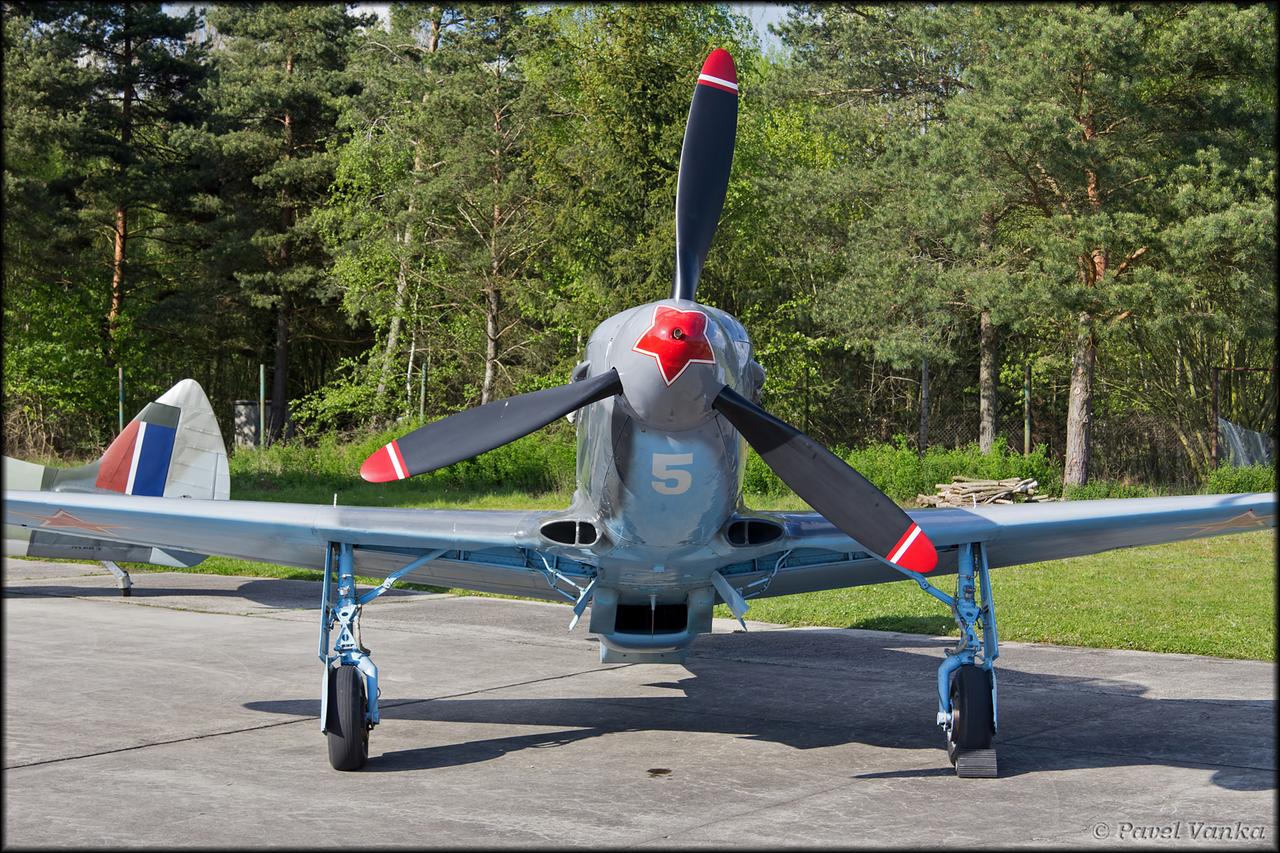
Yak-3 (Pavel Vanka)
Among the Yakovlev-series fighters produced during World War II, the Yak-3 holds a significant position in terms of production and operational use. A total of 4,848 units were built and widely deployed operationally during the later stages of the war.
One of the most notable examples in the Yak-3’s operational history is the activity of the Normandie-Niemen Regiment. This unit began operating the Yak-3 from late 1944 and quickly engaged in numerous air battles. Pilots within the regiment achieved success in aerial combat and were decorated with various military honors.【6】
After the end of the war, a portion of the Yak-3 aircraft used by the Normandie-Niemen Regiment were allocated to the pilots. These aircraft were flown back to France by the pilots in 1945.
Compared with other fighter aircraft developed during World War II, the Yakovlev Yak-3 represents a design philosophy focused on low- and medium-altitude combat performance. Contemporary German Luftwaffe fighters such as the Focke-Wulf Fw 190 and Messerschmitt Bf 109 were equipped with more powerful engines and optimized for high-altitude performance, but the Yak-3 offered superior maneuverability in close-range dogfights due to its lower weight and compact airframe. This gave the Yak-3 a distinct advantage in the low-altitude engagements typical of the Eastern Front.
Similarly, British Supermarine Spitfires and German Bf 109s were designed for balanced performance across multiple altitude bands, whereas the Yak-3 was optimized for peak performance within a specific altitude range. This design approach granted the Yak-3 superiority in targeted mission scenarios but limited its range and high-altitude performance. Heavier and more robust American fighters such as the Republic P-47 Thunderbolt offered advantages in speed and durability, yet exhibited inferior maneuverability at low altitudes compared to the Yak-3.
The Yak-3 was designed to meet the Soviet Air Force’s need for a short-range, highly agile tactical fighter. In contrast, the P-51 Mustang was developed as a multi-role fighter to escort long-range bombers, distinguished by its high-altitude performance and extended operational radius.
P-51 Mustang vs. Yakovlev Yak-3 (WarBirds)
In performance terms, the Yak-3, due to its low weight and high power-to-weight ratio, excels at altitudes below 5,000 meters with rapid climb rates, high acceleration, and tight turning capability—advantages that proved decisive in close air combat. The P-51 Mustang, powered by its Merlin engine, maintains speed and engine efficiency at high altitudes and can conduct long-range missions using external fuel tanks. This made the Mustang an indispensable escort fighter for strategic bombing campaigns.
In armament, the Yak-3 features a centrally mounted cannon and nose-mounted machine guns, optimized for short-range, precise engagements. The P-51 Mustang, with its wing-mounted machine guns, offered greater ammunition capacity and sustained engagement capability. Additionally, the Mustang’s ability to carry bombs and rockets enabled its use in fighter-bomber roles.
Operationally, the Yak-3 was employed on the Eastern Front to provide close air cover for ground-attack aircraft and intercept enemy fighters. The P-51 Mustang operated across Europe, escorting long-range bomber formations over vast geographic areas. Thus, the Yak-3’s most prominent advantages were maneuverability and low-altitude performance, while its key limitations were range and high-altitude capability. The P-51 Mustang’s strengths lay in its long range, multi-role capability, and high-altitude performance, but it exhibited lower agility than the Yak-3 in low-altitude dogfights.
Aero Corner. "Yakovlev Yak-3." Accessed July 5, 2026.https://aerocorner.com/aircraft/yakovlev-yak-3/
Aviation CZ. "Yakovlev Yak-3 82% SCALE REPLICA | FLYBY and WALK AROUND | 4K." YouTube. Accessed July 5, 2026.https://www.youtube.com/watch?v=VR9CCFmhj7g
Imperial War Museums. “How the P-51 Mustang Became a Legend.” Accessed July 5, 2026.https://www.iwm.org.uk/history/second-world-war/usa/how-the-p-51-mustang-became-a-legend
Military Aviation Museum. "Yakovlev Yak-3M." Accessed July 5, 2026.https://www.militaryaviationmuseum.org/aircraft/yakovlev-yak-3m/
Musée de l'Air et de l'Espace. "Yakovlev Yak-3." Accessed July 5, 2026.https://www.museeairespace.fr/en/collections/yakovlev-yak-3/
NZ, Bernard Spragg. *Yakovlev Yak 3-M.* Flickr, 19 April 2014. Accessed July 5, 2026.
National Air and Space Museum, Smithsonian Institution. “North American P-51D Mustang.” Accessed July 5, 2026.https://airandspace.si.edu/collection-objects/north-american-p-51d-30-na-mustang/nasm_A19600300000
Planes of Fame Air Museum. "Yak-3U." Accessed July 5, 2026.https://planesoffame.org/aircraft/plane-Yak-3U
ROBERT, Francis. *Yakovlev Yak-3.* Flickr. October 7, 2017. Accessed July 5, 2026.
Vanka, Pavel. *Yakovlev Yak-3.* Flickr, 6 May 2017. Accessed July 5, 2026.
Vanka, Pavel. *Yakovlev Yak-3.* Flickr, June 25, 2017. Accessed July 5, 2026.https://www.flickr.com/photos/pavelvanka/36506535933/
WarBirds. *P-51 Mustang vs. Yakovlev Yak-3 – A Warbird Comparison.* YouTube. Accessed July 5, 2026.https://www.youtube.com/watch?v=xEpdzsIPvp0
Warbird Aviation. "Yakovlev Yak-3." Accessed July 5, 2026.https://warbirdaviation.co.uk/Profiles/yakovlev-yak-3/
[1]
Planes of Fame Air Museum, "Yakovlev Yak-3U", Erişim tarihi 5 Temmuz 2026,https://planesoffame.org/aircraft/plane-Yak-3U.
[2]
Warbird Aviation, "Yakovlev Yak-3 G-OLEG/ former D-FLAK Will Greenwood", erişim tarihi 5 Temmuz 2026,https://warbirdaviation.co.uk/Profiles/yakovlev-yak-3/.
[3]
Planes of Fame Air Museum, "Yakovlev Yak-3U", Erişim tarihi 5 Temmuz 2026,https://planesoffame.org/aircraft/plane-Yak-3U.
[4]
Military Aviation Museum. “Yakovlev Yak-3M.” Erişim 5 Temmuz 2026. https://www.militaryaviationmuseum.org/aircraft/yakovlev-yak-3m/
[5]
Planes of Fame Air Museum, "Yakovlev Yak-3U", Erişim tarihi 5 Temmuz 2026,https://planesoffame.org/aircraft/plane-Yak-3U.
[6]
Musée de l'Air et de l'Espace. "Yakovlev Yak-3." Accessed July 5, 2026.

Yakovlev Yak-3
Country of Origin | Soviet Union | ||||||||
|---|---|---|---|---|---|---|---|---|---|
First Flight | 8 March 1944 | ||||||||
Retirement | 1950s | ||||||||
Crew | 1 | ||||||||
Length | 8.5–8.55 m | ||||||||
Wingspan | 9.2 m | ||||||||
Height | 2.42 m | ||||||||
Empty Weight | 2.105 kg | ||||||||
Engine | 1 × Klimov VK-105 / VK-107 V-12 piston engine | ||||||||
Maximum Speed | 645–720 km/h | ||||||||
Range | 547–1060 km | ||||||||
Development Process
Entry into Service and Production
Technical Specifications and Variants
Avionics and System Components
Technical Specifications
Armament Systems and Operational Capabilities
Variants
Purpose and Missions
Civilian Applications
Operational History and Achievements
Achievements and Key Developments
International Comparison
Comparison with the North American P-51 Mustang