


This article was automatically translated from the original Turkish version.
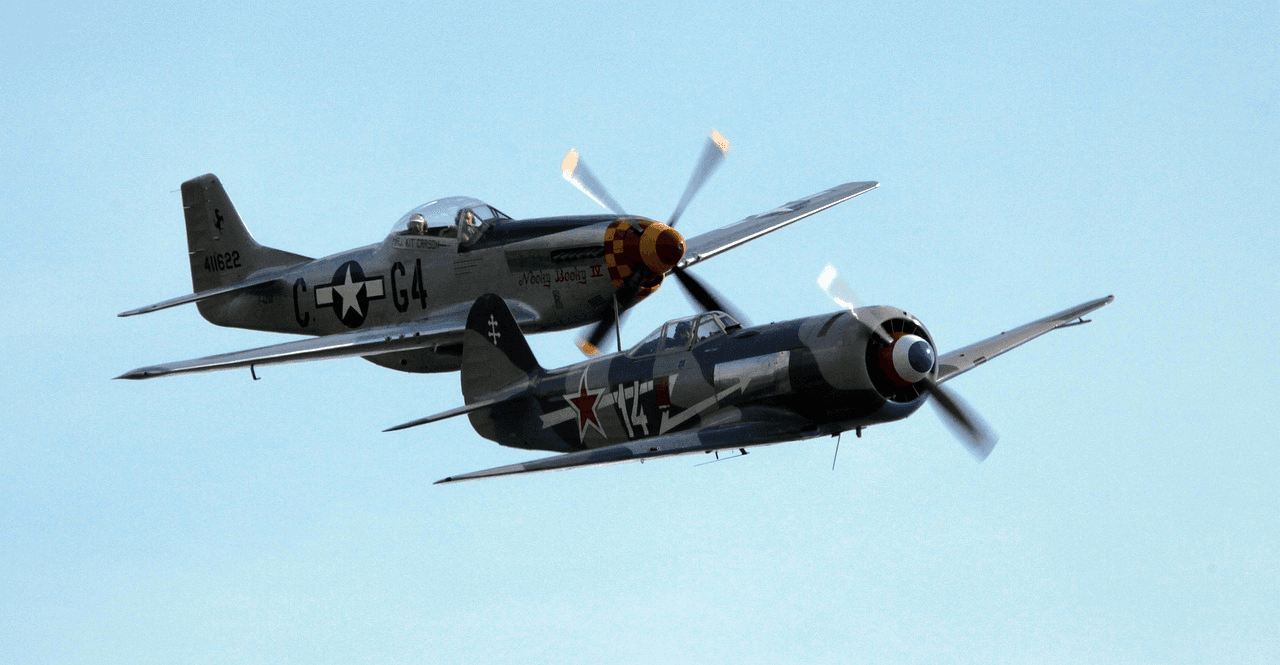
Yakovlev Yak-11
Producer(s) | Yakovlev Design Bureau (USSR) | ||||||||
|---|---|---|---|---|---|---|---|---|---|
First Flight(s) | 1945 | ||||||||
Entry into Service | 1947 | ||||||||
Aircraft Type(s) | Piston-engine advanced trainer aircraft (also used for light attack and reconnaissance missions) | ||||||||
Length(s) | 8.50 metres | ||||||||
Wingspan | 9.40 metres | ||||||||
Height(s) | 3.28 metres | ||||||||
Empty Weight | 2.175 kg | ||||||||
Maximum Speed | 460 km/h (285 mph) | ||||||||
Fuselage Material | with fabric covering in some areas (wings and control surfaces) Primarily metal construction | ||||||||
Usage Areas | advanced maneuver and weapons training light attack missions Military pilot training | ||||||||
The Yakovlev Yak-11 (NATO reporting name: "Moose") is a single-engine military trainer aircraft developed by the Yakovlev design bureau during the Soviet Union era. It played a significant role in the pilot training programs of the Soviet Air Forces and Warsaw Pact countries after World War II. It was typically used in advanced training phases and served as a transition platform to the jet age.

Yakovlev Yak-11 (Pixabay)
The development of the Yak-11 was initiated in 1946 to meet the training needs of wartime pilots following World War II. The aircraft was designed to provide a robust and durable platform capable of delivering both basic and advanced aerobatic and combat tactics training to pilots. The Yak-11 made its first flight in 1947 and quickly became widely used across the Soviet Union and its allies. By 1956 approximately 4,500 units had been produced, demonstrating its importance in training roles. Additionally it was manufactured under license in Czechoslovakia as the Let C-11.
Yakovlev Yak-11 Takeoff (Warbirds)
The Yakovlev Yak-11 stands out for its sturdy construction and design tailored for training missions:
The Yak-11 was used for many years by the air forces of the Soviet Union as well as East Germany Poland Czechoslovakia Hungary Bulgaria Romania and China for both basic and advanced pilot training. It served as a critical platform for teaching the fundamental characteristics of piston-engine fighter aircraft before the transition to jets.
Today most Yak-11s have been retired from military service. However due to their durability and flight characteristics they remain popular among collectors of historic military aircraft known as "warbirds" and aviation display enthusiasts. Many Yak-11s have been restored and returned to airworthy condition under civil registration. These aircraft are now displayed at airshows or held in private collections. Some are also used in aerobatic and air racing events.
Aircraft. "1995 Yakovlev Yak-11." Aircraft.com. Accessed May 27, 2025. https://www.aircraft.com/aircraft/200980511/1995-yakovlev-yak-11.
Platinum Fighters. "1954 Yakovlev Yak-11 MANIYAK." Platinum Fighters. Accessed May 27, 2025. https://www.platinumfighters.com/inventory/1954-yakovlev-yak-11-maniyak/.
Warbirds Flying. "Yakovlev Yak-11." Warbirdsflying.com. Accessed May 27, 2025. https://www.warbirdsflying.com/yakovlev-yak-11/.
Warbirds. "Yakovlev Yak-11 Engine Start, Takeoff and Landing." YouTube. Accessed May 27, 2025. https://www.youtube.com/watch?v=Tk6dnQTiIuA.

Yakovlev Yak-11
Producer(s) | Yakovlev Design Bureau (USSR) | ||||||||
|---|---|---|---|---|---|---|---|---|---|
First Flight(s) | 1945 | ||||||||
Entry into Service | 1947 | ||||||||
Aircraft Type(s) | Piston-engine advanced trainer aircraft (also used for light attack and reconnaissance missions) | ||||||||
Length(s) | 8.50 metres | ||||||||
Wingspan | 9.40 metres | ||||||||
Height(s) | 3.28 metres | ||||||||
Empty Weight | 2.175 kg | ||||||||
Maximum Speed | 460 km/h (285 mph) | ||||||||
Fuselage Material | with fabric covering in some areas (wings and control surfaces) Primarily metal construction | ||||||||
Usage Areas | advanced maneuver and weapons training light attack missions Military pilot training | ||||||||
Development Purpose and History
Design and Technical Specifications
Operational Use and Current Status