

`soviet-union` Related Article Results
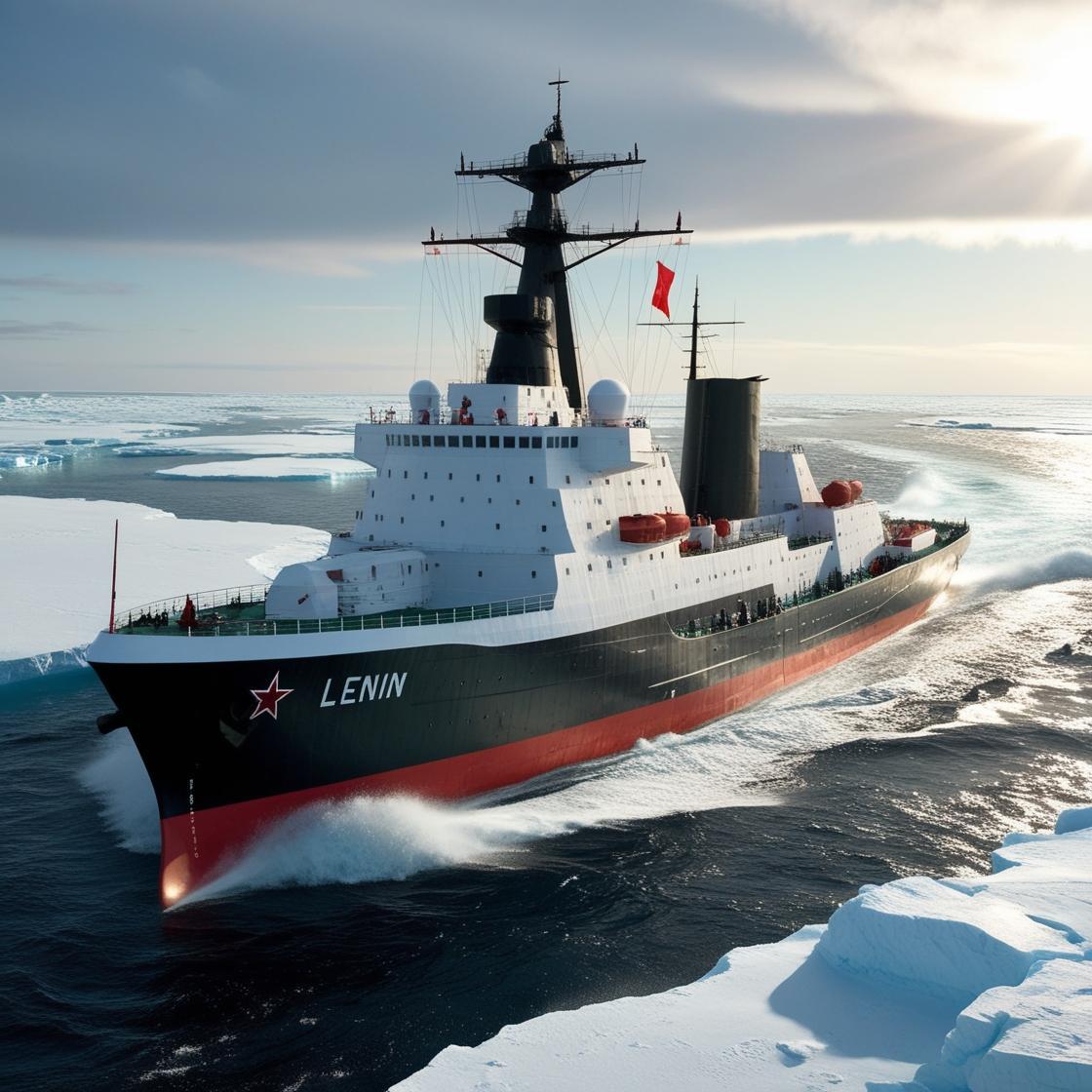
Lenin (Nuclear Icebreaker)
The nuclear icebreaker Lenin (Russian: Ленин) is a landmark in the maritime history of not only the Soviet Union but the entire world. Launched into service in 1959, it was the first vessel to use nuclear energy for civilian maritime purposes and enabled navigation through the harsh ice conditions of the North Pole for decades. Lenin was presented as a triumph of Soviet engineering and became a symbol of the technological competition during the Cold War. Historical Background and Construction Ar
EN
Caner Sefa Koçyiğit
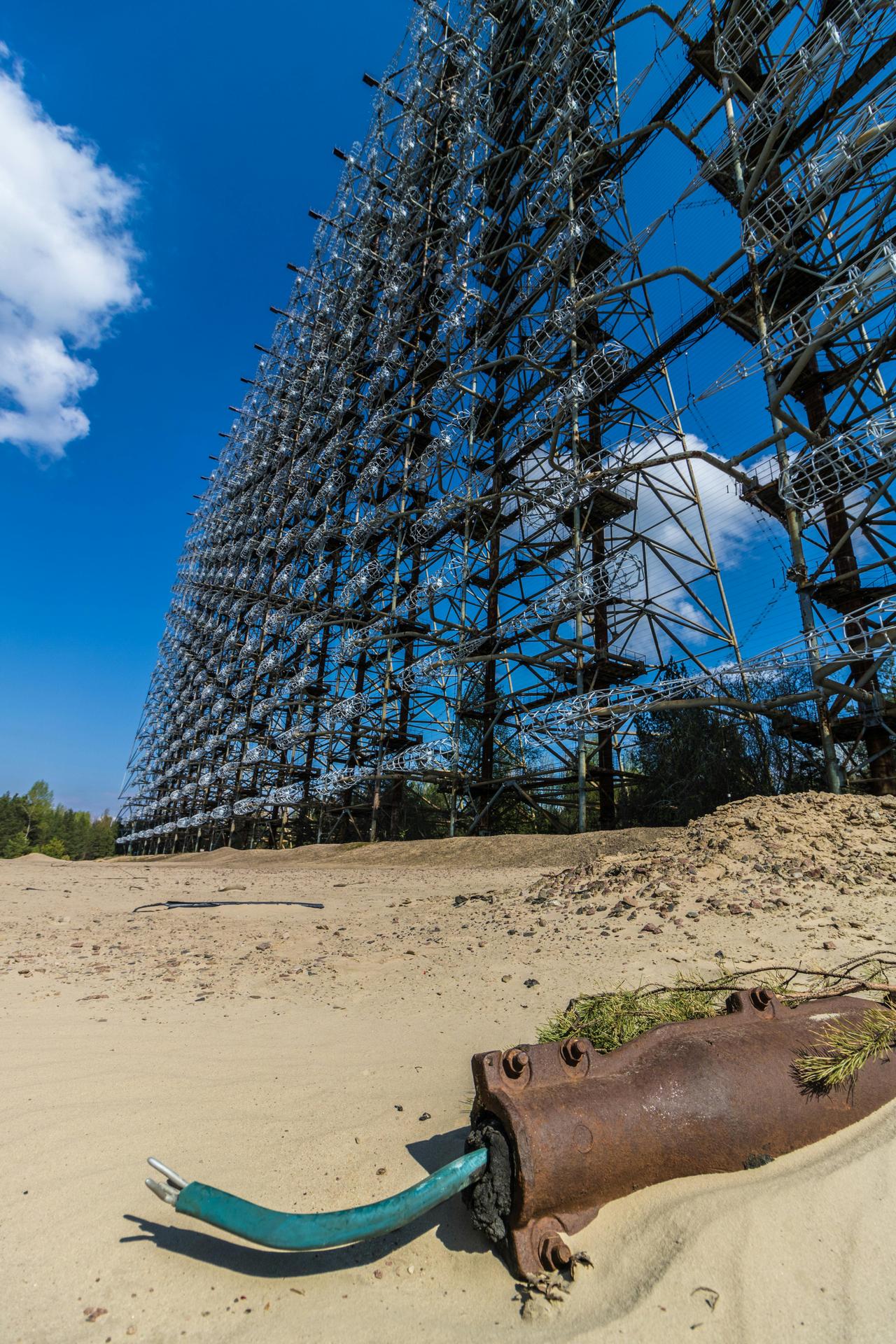
Duga-1 Radar Station
Duga-1 was part of an early warning network project designed to detect Soviet intercontinental ballistic missile (ICBM) launches by identifying the ionospheric traces left by exhaust plumes immediately after launch. Over-the-horizon radar technology relies on the principle of reflecting radio waves off the ionosphere to extend range thousands of kilometers beyond the line-of-sight limitations of conventional radar. By following a double-hop path—“ground-ionosphere-target-ionosphere-ground”—the s
EN
Caner Sefa Koçyiğit
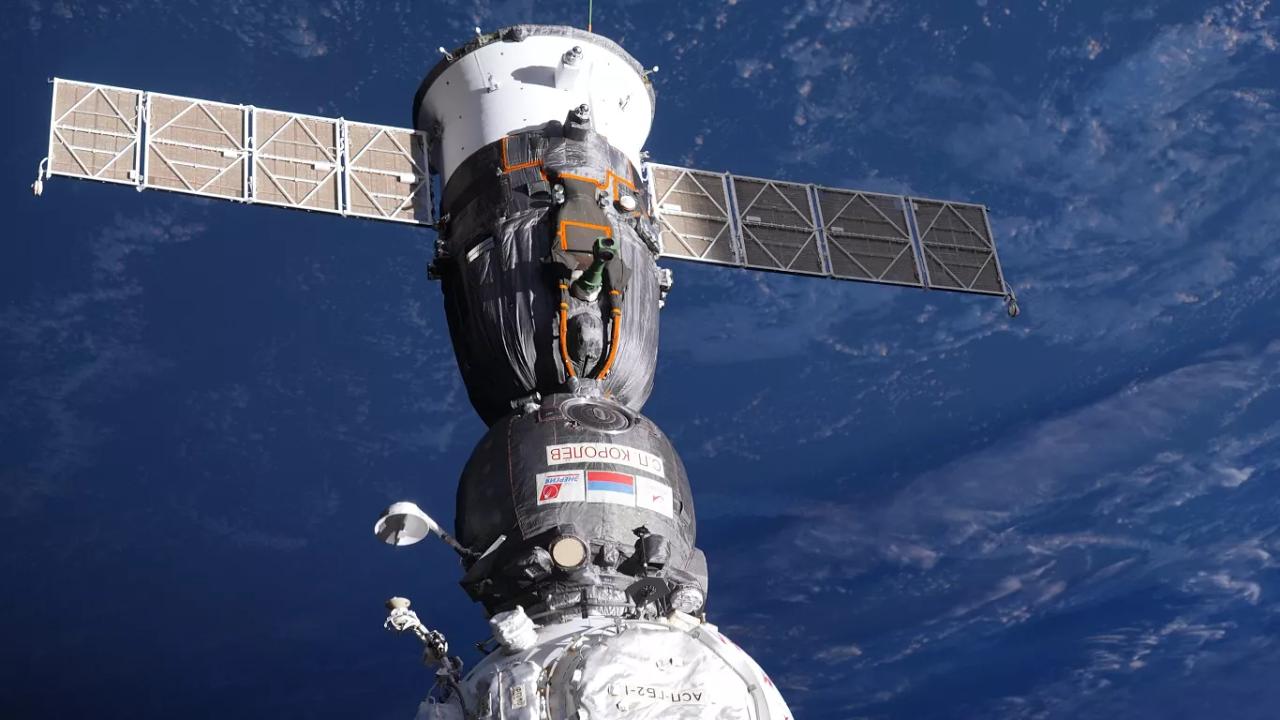
Soyuz Spacecraft
Soyuz (Russian: Союз, meaning "Union") is a series of spacecraft developed by Sergey Korolyov’s design bureau (today RKK Energiya) during the Soviet Union era and currently operated by the Russian Federal Space Agency (Roscosmos). Originally designed as part of the Soviet lunar program, Soyuz later became the primary vehicle for human spaceflight. It is regarded as one of the longest-serving and most reliable human spacecraft systems in history. History The development of the Soyuz spacecraft be
EN
Erhan Şencan
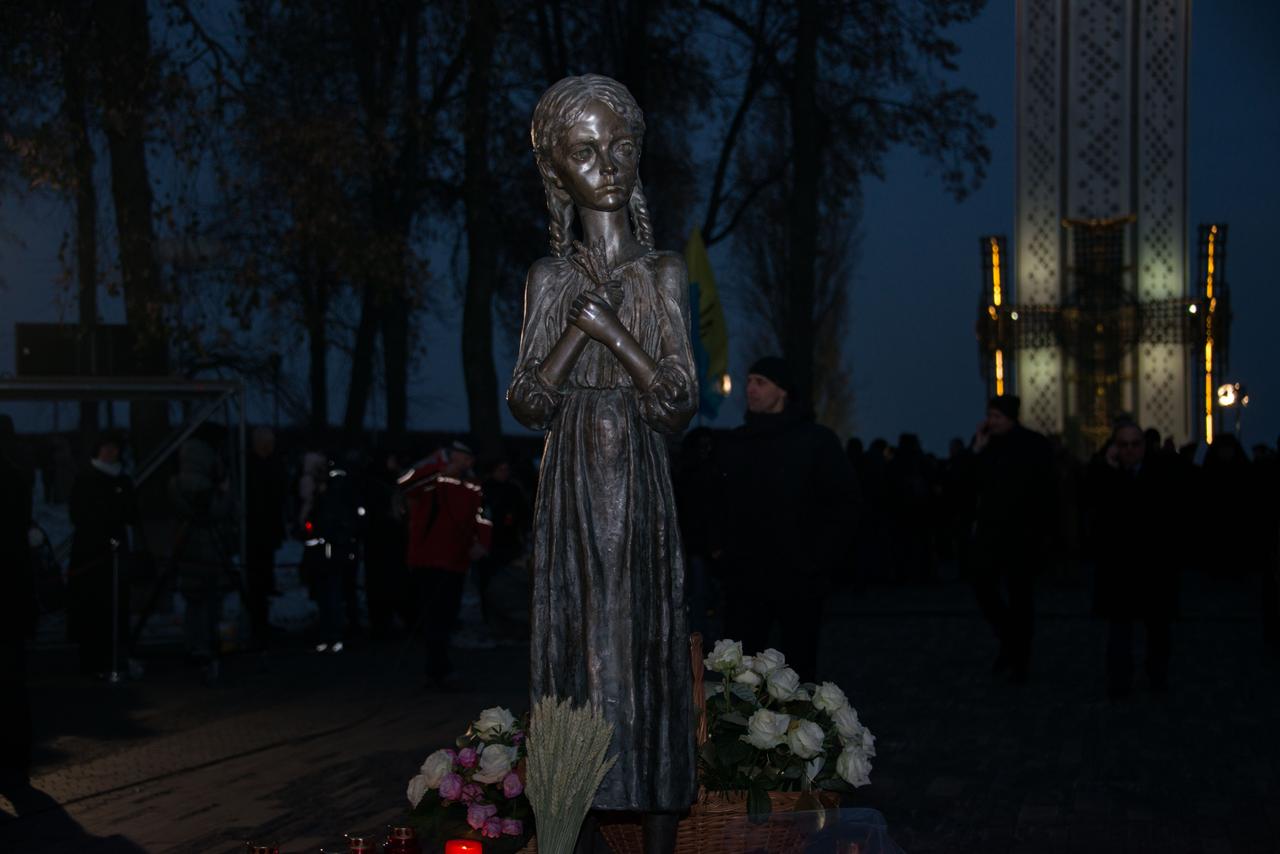
Holodomor
Holodomor is the great famine disaster that occurred in Ukraine under the administration of the Soviet Union between 1932 and 1933. This term, which means “death by hunger” in Ukrainian, refers to a period during which a significant portion of the country’s population died from starvation, disease, and the forced policies of collectivization. The term Holodomor became established in diaspora circles from the 1960s onward and in official and academic literature in Ukraine after 1991. Holodomor wa
EN
Yusuf Bilal Akkaya
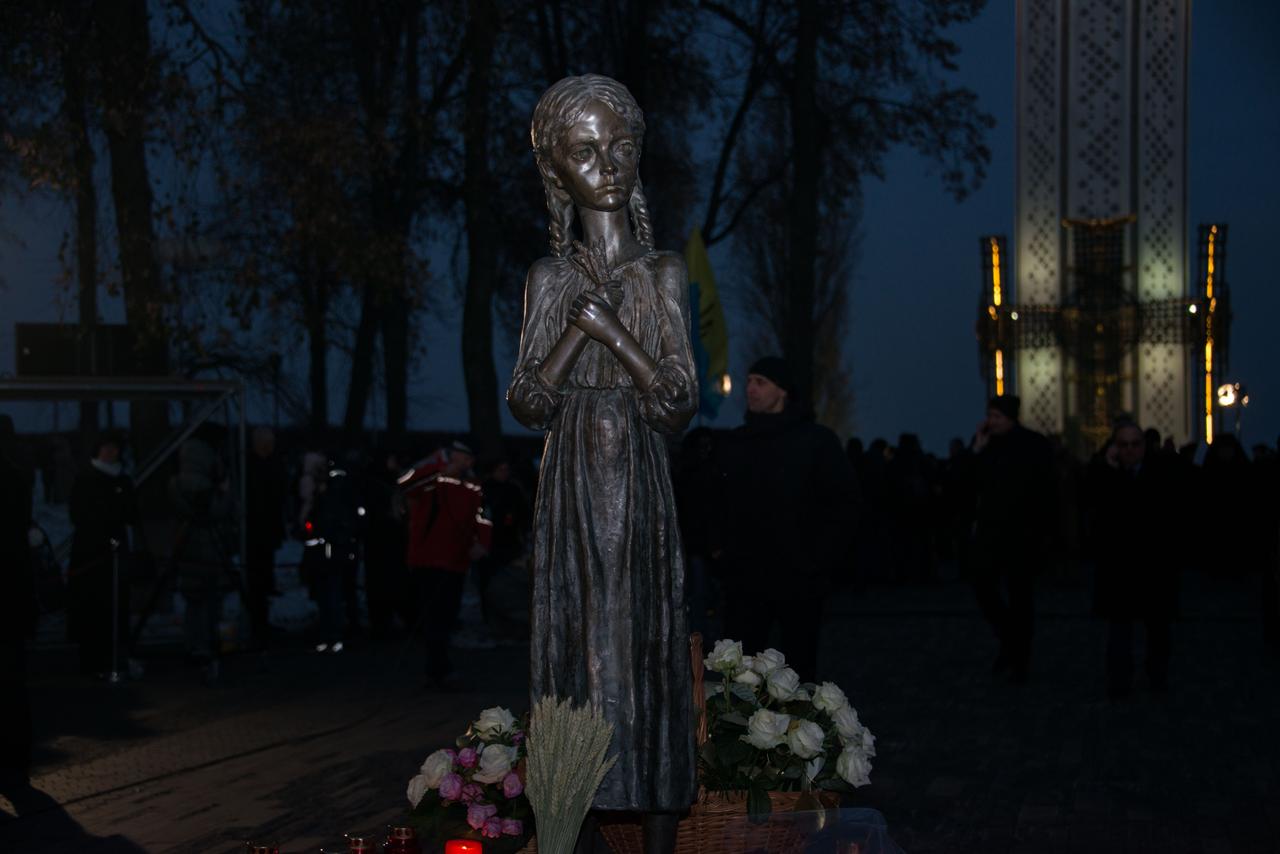
Holodomor
Holodomor, is the great famine disaster that occurred in Ukraine under the administration of the Soviet Union between 1932 and 1933. This term, which means “death by hunger” in Ukrainian, refers to a period during which a significant portion of the country’s population died from starvation, disease, and forced collectivization policies. The term Holodomor became established in diaspora literature from the 1960s and in official and academic literature in Ukraine after 1991. Holodomor was not mere
EN
Yusuf Bilal Akkaya
 Fe
FeFergana Events
Fergana The uprising was an event involving ethnic clashes that occurred in 1989 in the Fergana Valley of the Uzbek Soviet Socialist Republic, then part of the Soviet Union. Uprising It intensified tensions particularly between the Meskhetian Turks and Uzbeks and was suppressed by the intervention of the Soviet military. This event is regarded as one of the most striking examples of ethnic tensions that emerged during the dissolution of the Soviet Union. The Fergana Valley is one of the most den
EN
Muhammed Ali Öcal
TrTreaty of Moscow (1921)
The Treaty of Moscow, signed on 16 March 1921 between the Government of the Grand National Assembly of Türkiye and the Russian Soviet Federative Socialist Republic (RSFSR) acting on behalf of the Union of Soviet Socialist Republics, is an international agreement that defined Türkiye’s northeastern borders and resolved boundary issues in the Caucasus region. This treaty is regarded as one of the first international successes of the TBMM during the War of Independence. It also marked a diplomatic
EN
Sevgi Kıraç
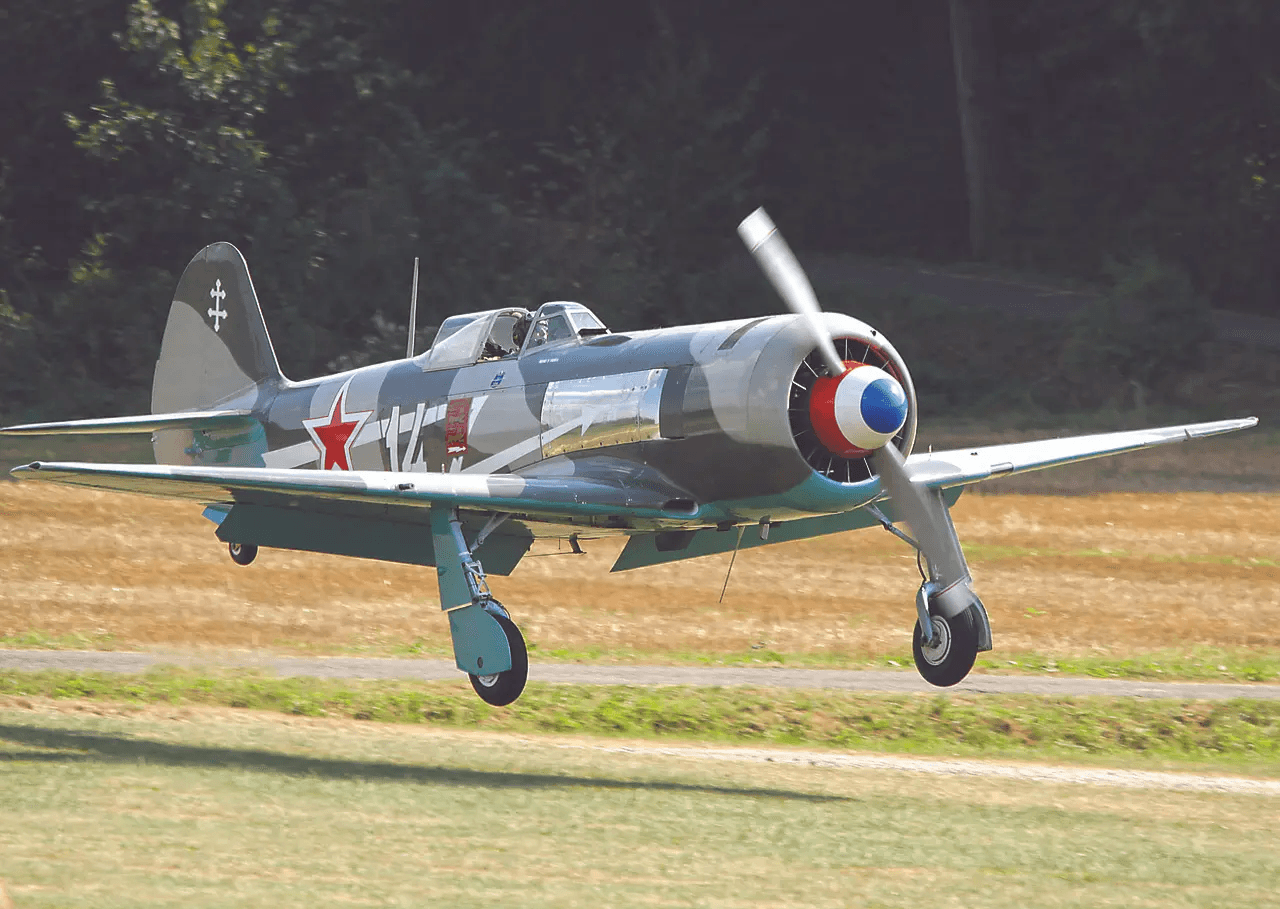
Yakovlev Yak-11
The Yakovlev Yak-11 (NATO reporting name: "Moose") is a single-engine military trainer aircraft developed by the Yakovlev Design Bureau during the Soviet Union era. It played a significant role in the pilot training programs of the Soviet Air Force and Warsaw Pact countries during the post–World War II period. It was commonly used in advanced training phases and served as a transitional platform into the jet age. Development Purpose and History The development of the Yak-11 began in 1946 to meet
EN
Arif Zahid Yüksel
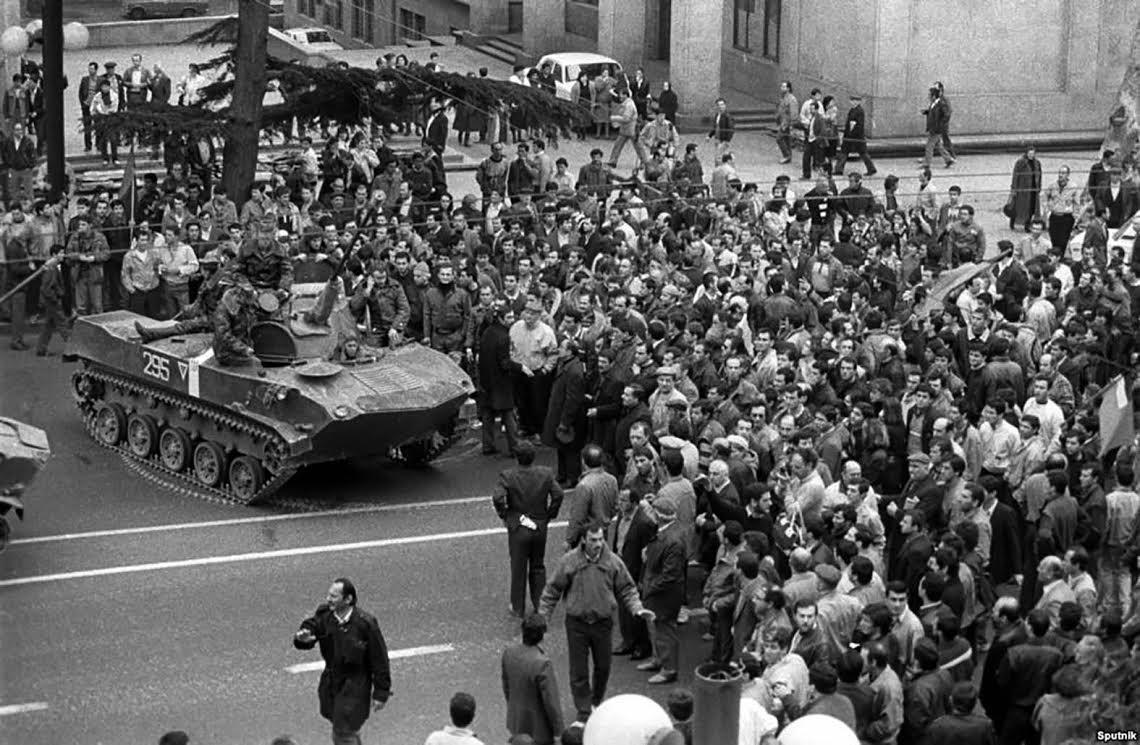
Black January (20 January)
Bloody January (Bloody January, 20 January) is the name given to the events that occurred during the night of 19 January 1990 to 20 January 1990, when a Soviet military force of 26,000 troops intervened in Baku and several other cities of Azerbaijan. During the intervention, armored vehicles entered Baku from five directions; unarmed civilians were shot at; tanks and heavy armored vehicles were driven into civilian crowds; and ambulances and passenger buses were fired upon. On 19 January 1990, t
EN
Edanur Karakoç
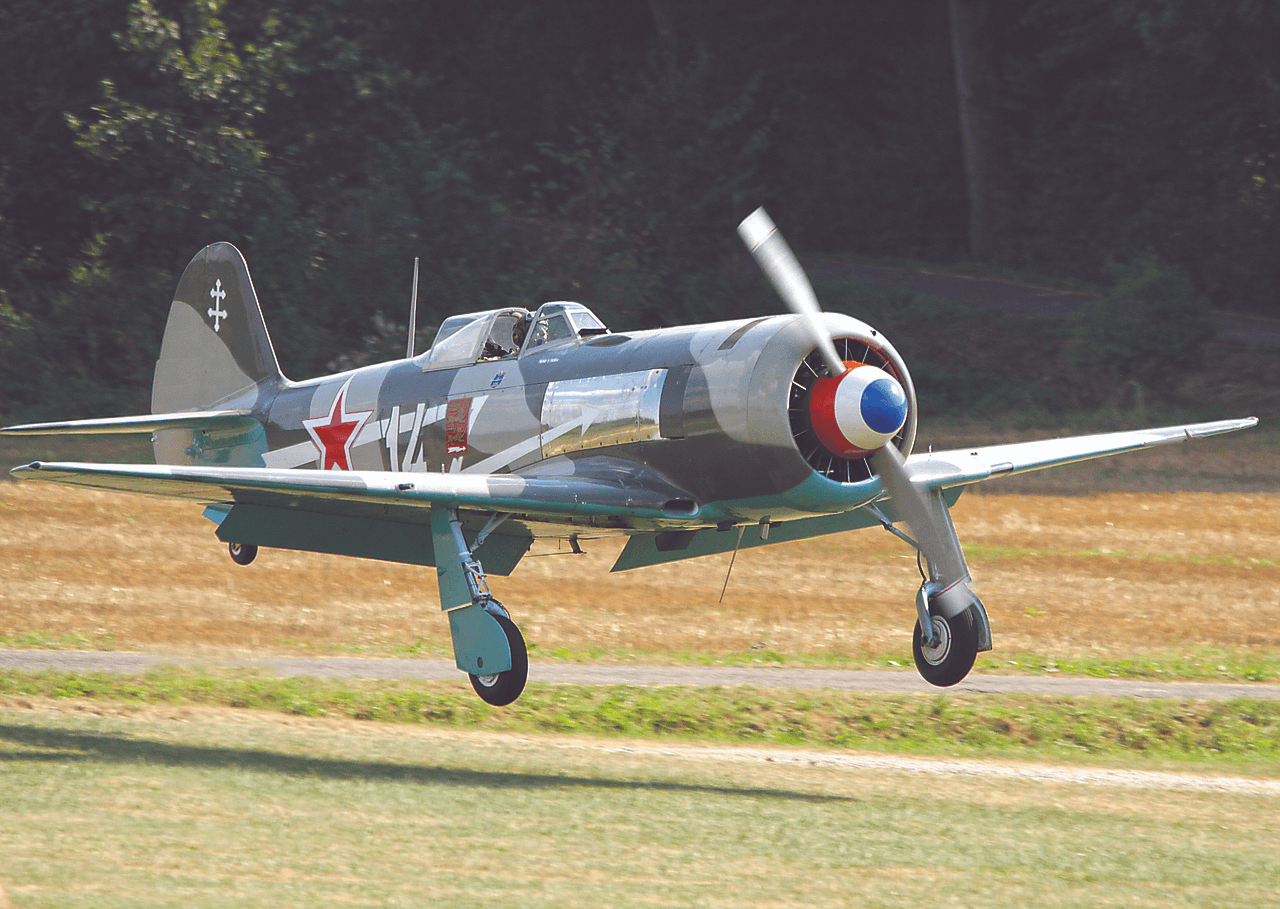
Yakovlev Yak-11
The Yakovlev Yak-11 (NATO reporting name: "Moose") is a single-engine military trainer aircraft developed by the Yakovlev design bureau during the Soviet Union era. It played a significant role in the pilot training programs of the Soviet Air Forces and Warsaw Pact countries after World War II. It was typically used in advanced training phases and served as a transition platform to the jet age. Development Purpose and History The development of the Yak-11 was initiated in 1946 to meet the traini
ENArif Zahid Yüksel