


This article was automatically translated from the original Turkish version.
Woke and Cancel Culture
Description | The term 'woke' emerged in the United States as a call for awareness among Black communities regarding racial injustice. It regained popularity on social media after the Michael Brown incident in 2014 and gradually became part of various identity movements. Today it is associated with cancel culture on social media. | ||||||||
|---|---|---|---|---|---|---|---|---|---|
First Use | The term 'woke' was first used in 1868 by Black communities supporting Lincoln during the U.S. presidential election under the name Awake Club. | ||||||||
Social Impact | It became linked with cancel culture on social media and in some cases led to the harsh judgment of individuals. | ||||||||
The term "woke" as used by a segment of the American political population as an identity movement means remaining alert or aware. Its earliest documented usage dates back to 1868, when Black voters supporting Abraham Lincoln in the presidential election formed the "Awake Club" to urge the public to "awaken" during their campaign efforts. In the following decades, this discourse came to be used to emphasize the need for Black people to remain vigilant against the racist and marginalizing attitudes of white society.
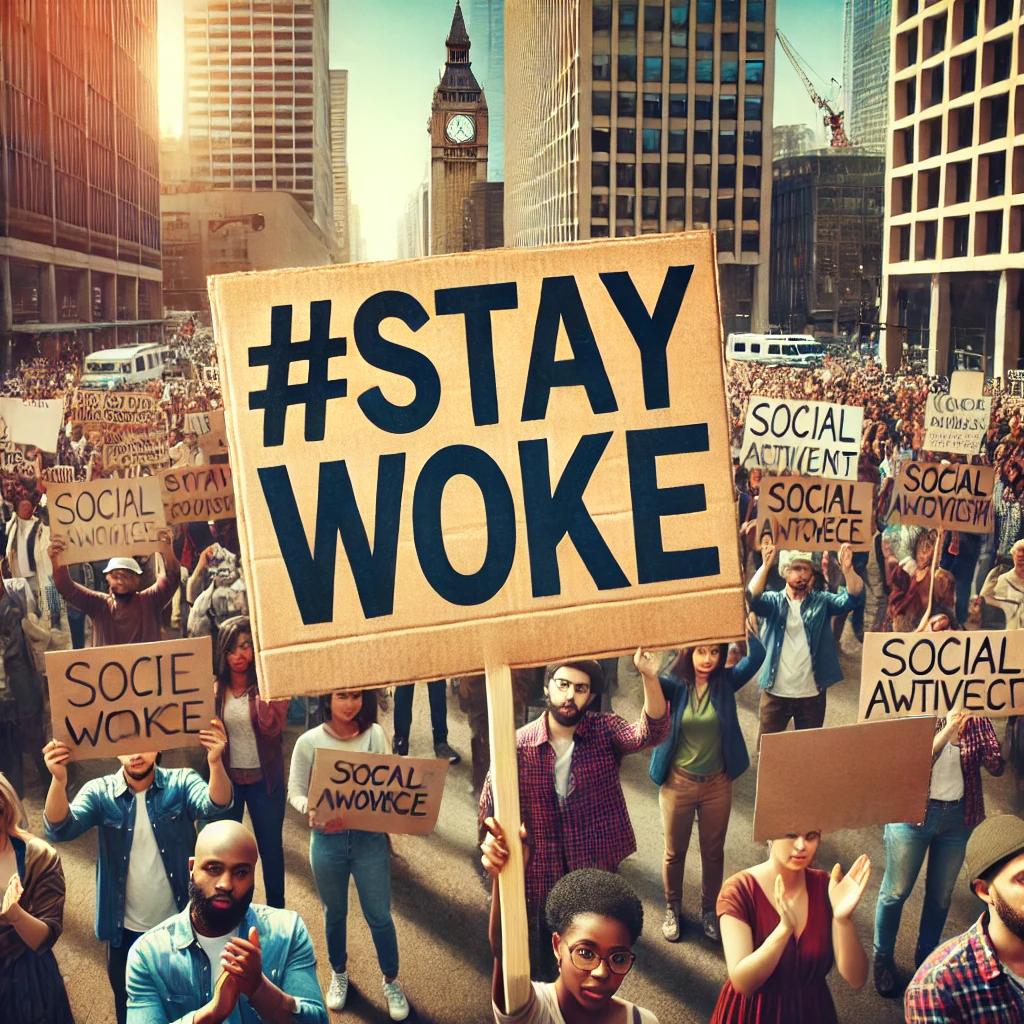
Within Time, this term lost popularity but regained it in 2014 with the use of the hashtag #StayWoke on social media to protest the killing of the Black youth Michael Brown by U.S. police. The widespread public debate surrounding this event across echo enabled the term to be adopted by marginalized groups within society for their own identity politics. It has since become a focal point on social media, the largest communication platform of today, where any trending topic often triggers organized "cancel campaigns" by this demographic.
Social media’s facilitation of the process has enabled the movement to initiate mechanisms of public judgment over individuals’ thoughts and behaviors. In 2021, a citizen posted a humorous comment on social media criticizing the difficulties experienced during pandemic, stating: "A few years ago, social distancing was something I loved because I didn’t know anyone; now it’s mandatory!"
This joke was interpreted by some users as "insensitivity to the pandemic" and "trivializing the illness". The post spread rapidly, and social media users launched a lynch campaign, condemning the individual’s perceived insensitivity. Criticisms such as "disrespect for the pandemic" and "mocking public health" led to intense backlash. Some users dug up and shared the person’s personal information, while others made negative remarks targeting their family. As a result, the citizen was forced to resign from word and conceal their social media accounts.
Critics argue that rather than creating space for individuals to correct or improve their mistakes, the movement opens the door to harsh and unforgiving judgment of personal errors. This situation reveals a social dynamic that demands a reevaluation of the movement’s intent and its societal benefits.
Fenwick, James. "Woke: Compliment or criticism, it is now fuelling the culture wars." BBC News, August 21, 2021. Accessed February 14, 2025. https://www.bbc.com/news/uk-politics-58281576.
Keçeci, Ömer Ekrem. "Trump's victory and future of woke culture." Daily Sabah, December 4, 2024. Accessed February 14, 2025. https://www.dailysabah.com/opinion/op-ed/trumps-victory-and-future-of-woke-culture.
Woke and Cancel Culture
Description | The term 'woke' emerged in the United States as a call for awareness among Black communities regarding racial injustice. It regained popularity on social media after the Michael Brown incident in 2014 and gradually became part of various identity movements. Today it is associated with cancel culture on social media. | ||||||||
|---|---|---|---|---|---|---|---|---|---|
First Use | The term 'woke' was first used in 1868 by Black communities supporting Lincoln during the U.S. presidential election under the name Awake Club. | ||||||||
Social Impact | It became linked with cancel culture on social media and in some cases led to the harsh judgment of individuals. | ||||||||
No Discussion Added Yet
Start discussion for "Woke and Cancel Culture" article
The Origin and Evolution of the Concept of "Woke"
Social Media and the Impacts of "Woke" Culture