


This article was automatically translated from the original Turkish version.
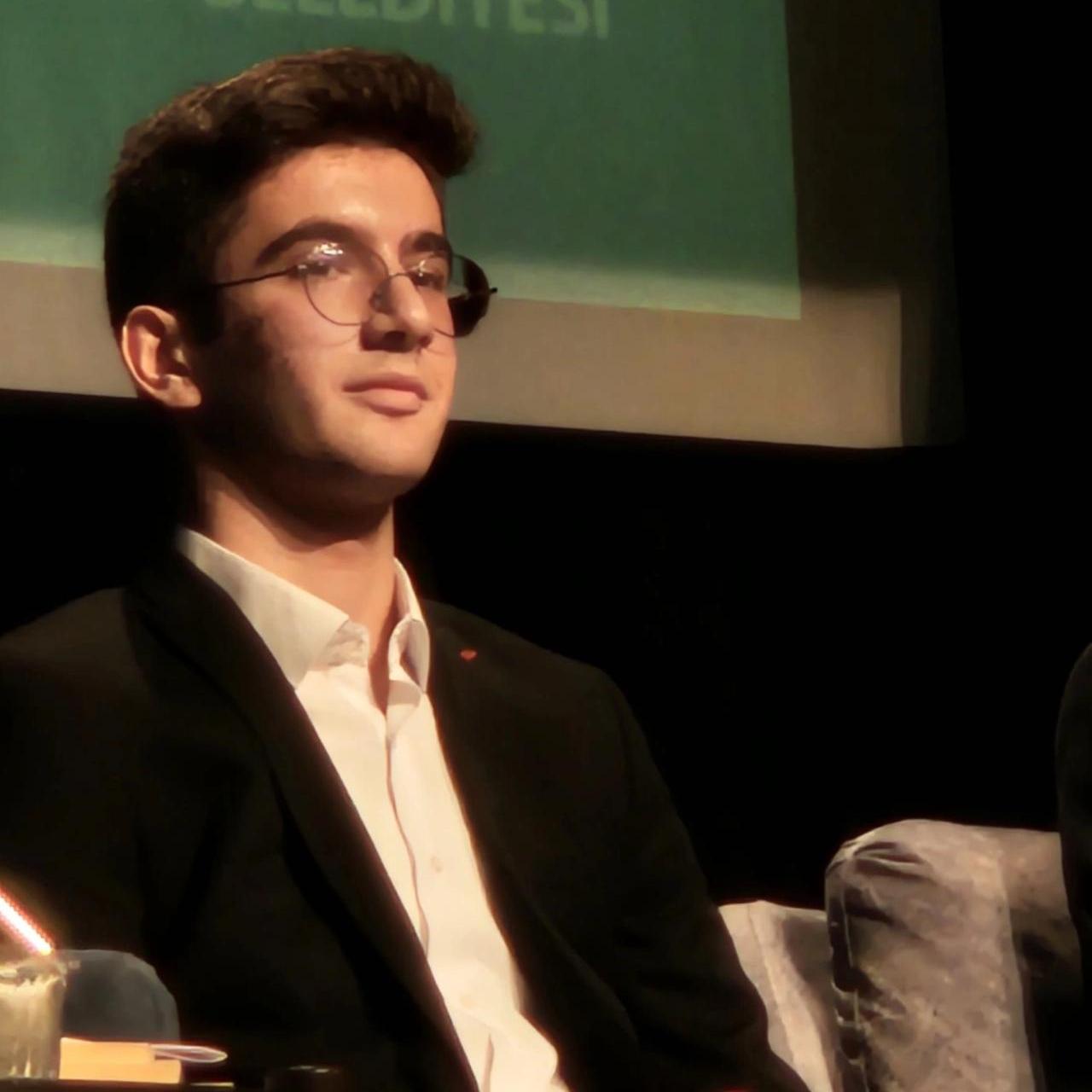
"Who Am I Really?"
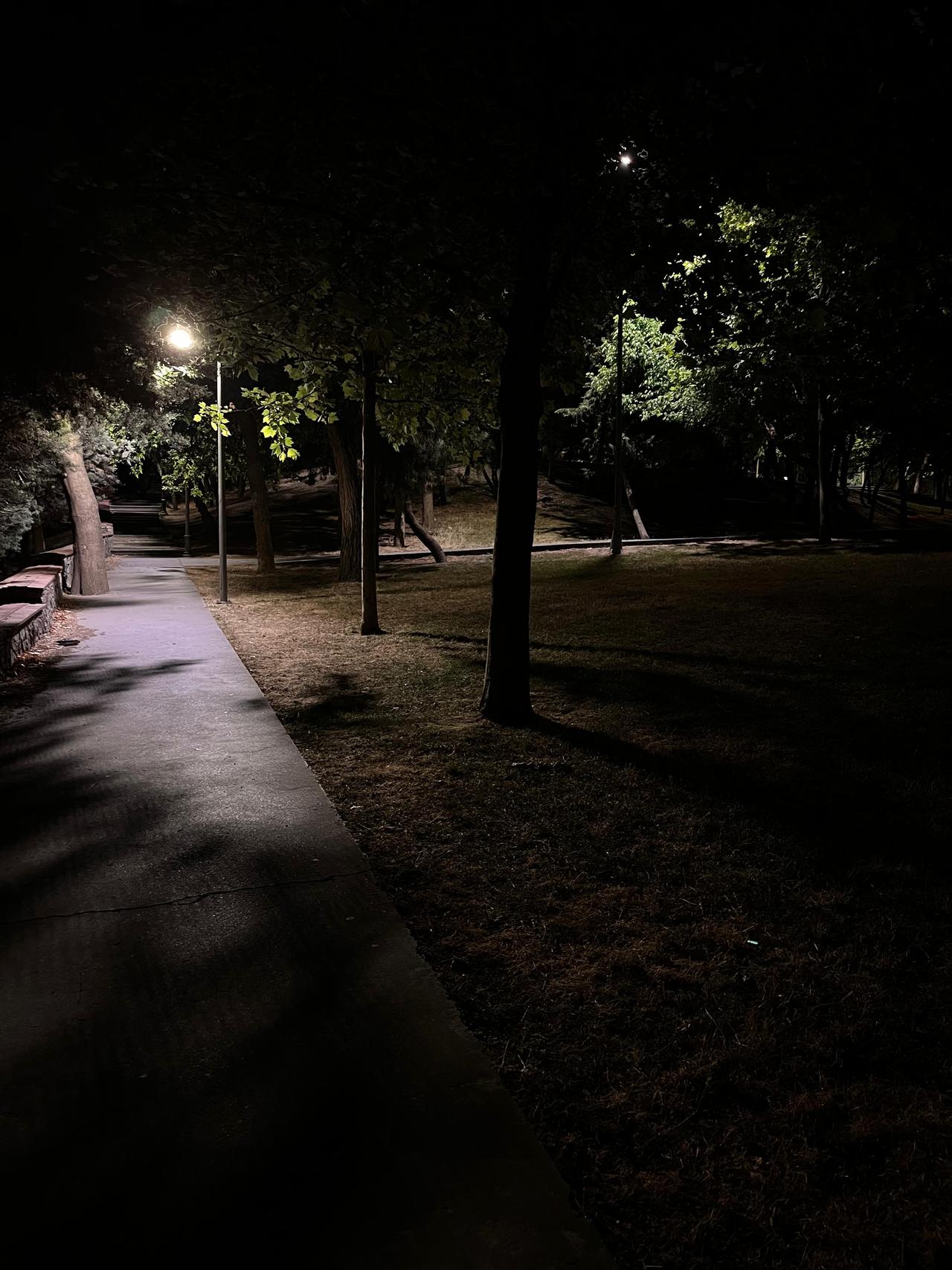
Issız (Fotoğraf: Muhammet Emin Bakır)
A human lives, observes, and feels. Through their experiences, they strive to construct an identity; through their emotions, they seek to make sense of their existence. But what happens when both are taken from them?
As days follow one another like scenes from a film whose ending is memorized by heart; when feelings turn into a silent void growing within the chest, where does the human find themselves? They continue to breathe; yet as the weight of their existence becomes heavier, they slowly lose the sense of belonging to themselves. Everyone offers the human a place: some point to a position in the world, others to a safe home, still others to a warm embrace. Yet the greatest exile of the human is not found in the land beneath their feet, but within their own heart. It whispers past regrets and falls silent before the uncertainty of the future. Between them remains a self unable to even name what it has lost—fragile enough to dissolve at a touch, yet heavy enough to bear all burdens...
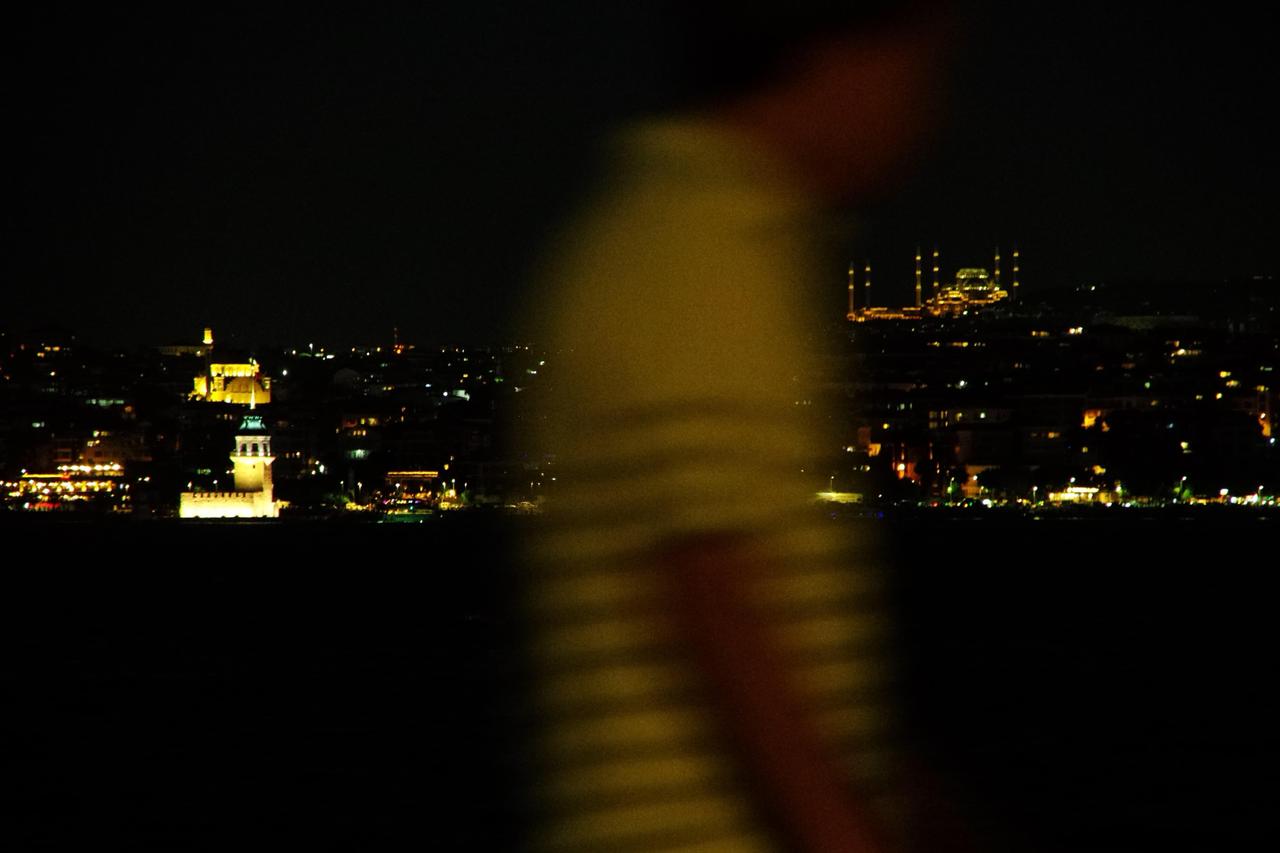
Koşuşturma (Fotoğraf: Muhammet Emin Bakır)
Is there truly an exit to this labyrinth within which the human wanders, or have they been circling for years within walls they themselves built? When they look in the mirror, the face they see is their own—but their gaze has become foreign. Each passing day, they feel they are falling further behind themselves. It is as if a voice within calls to them; yet they cannot find its owner. The human becomes most aware of their distance from themselves in their own silence. Sometimes they feel like the forgotten hero of an abandoned book. Other times, like the final echo of a melody long over. Every name they give themselves slips silently from their shoulders. For the human cannot know themselves through thought alone. The mind endlessly generates questions; yet when the heart forgets how to answer, even the most profound questions fall into silence. In the end, the same question returns: Who is the human? Is it a "nothing," or a "value"? Perhaps for years they have been chasing the wrong question. For when the human searches for themselves only in their own mirror, they often see only their shadow. Yet a shadow sometimes arises not from the absence of light, but from turning one’s back to it. Perhaps to see the truth, one must not seek the mirror, but the source that illuminates it.
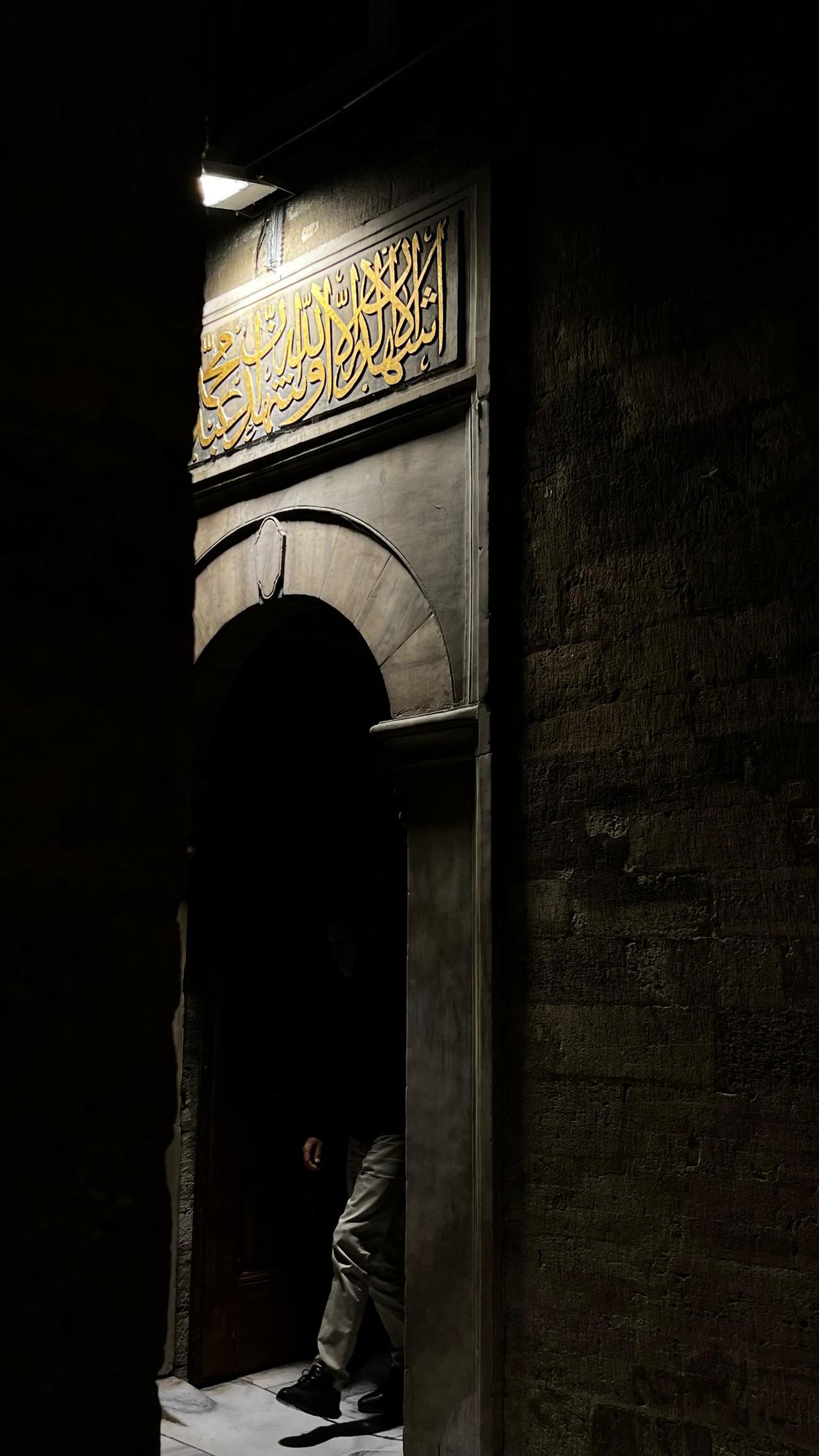
Silüet (Fotoğraf: Muhammet Emin Bakır)
For days the human wandered around this question. They searched for the answer in books, in music, in crowds, and in every place they could escape to. Yet wherever they went, they could not escape themselves. Then their path crossed with practices where silence spoke more than words. There they encountered hearts striving to quiet their own selves—not grand miracles, but humble souls. With every performance, the rust on the heart was gently wiped away; with every contemplation, the stranger in the mirror grew slightly more familiar. Then they understood: the greatest noise of the human is not outside, but within. And it was then they realized their question "Who am I?" had always been incomplete. The true question should have been: "Who brought me into being?" When the human seeks truth only through their own eyes, what they see is often merely their own shadow. Yet as they came to realize that Allah is closer to the servant than the vein in their neck, they began for the first time to truly know themselves. The reason no earthly blessing could fill the void within their heart was because that void was not made for the world—it was made for a heart that remembers its Owner.
Meşk in Istanbul (Video: Muhammet Emin Bakır)
In the end, they understood: the human is neither a "nothing" nor a "value" defined by human judgments. The human is a servant brought into being by Allah’s command "Be," journeying toward perfection through their own weakness. Their value and their nothingness gain meaning only in His presence. In seeking themselves, they came to know their Lord; and in knowing their Lord, they found themselves. For Sufism does not give the human a new identity—it reminds them of the truth of their creation.