

`exile` Related Article Results
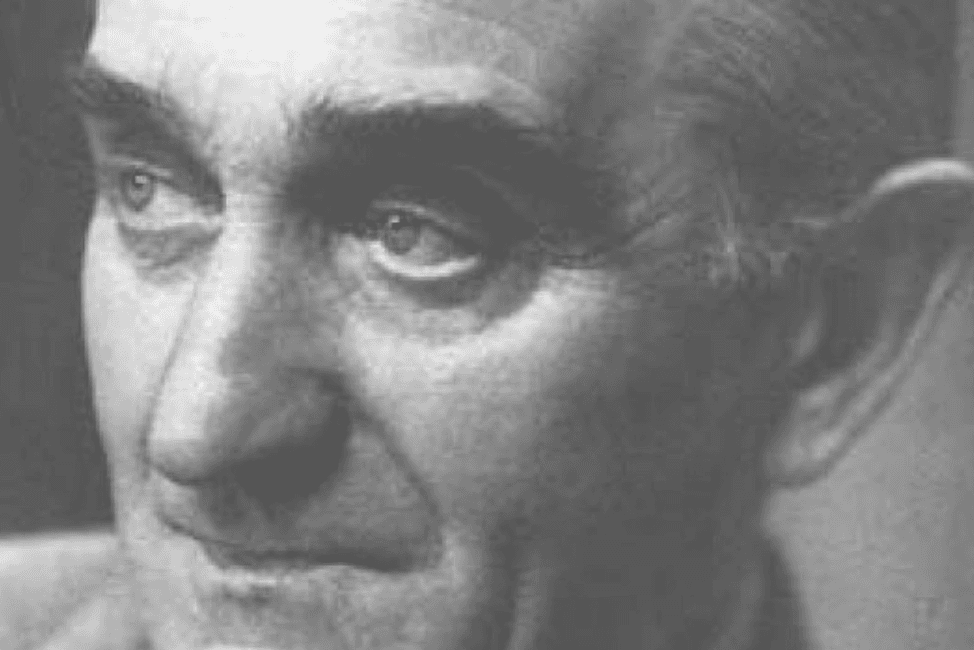
Alfred Kantorowicz
Alfred Kantorowicz was a physician born in Germany in 1880 who held various academic and professional positions in dentistry in both Germany and Türkiye. Due to his Jewish heritage and political identity, Kantorowicz was forced to leave Nazi Germany and arrived in Türkiye in 1933, where he played a key role in establishing modern dental education at Istanbul University. He left Türkiye in 1950 and died in Bonn in 1962. Early Life and Scientific Activities in Germany Alfred Kantorowicz was born o
EN
Yunus Emre Sağlam
Who am I?
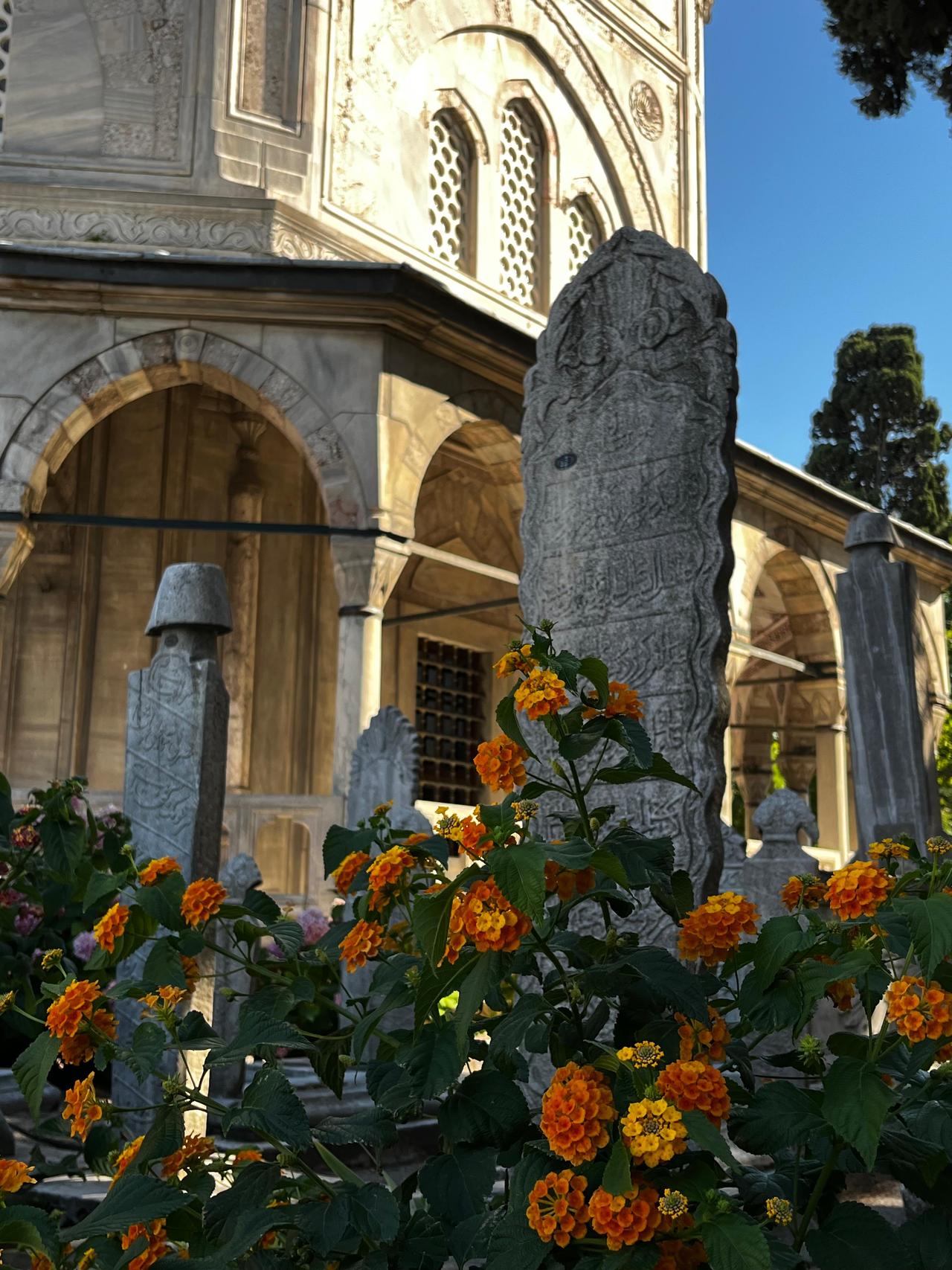
"Who Am I Really?" Issız (Fotoğraf: Muhammet Emin Bakır) " image-element-format="right" image-height="4032" image-source="https://cdn.t3pedia.org/media/uploads/2026/07/19/xhhWoawulY2pvqdz9ouHlUxL4YaF7twB.jpeg" image-width="3024"> A human lives, observes, and feels. Through their experiences, they strive to construct an identity; through their emotions, they seek to make sense of their existence. But what happens when both are taken from them? As days follow one another like scenes from a film
EN
Muhammet Emin BAKIR
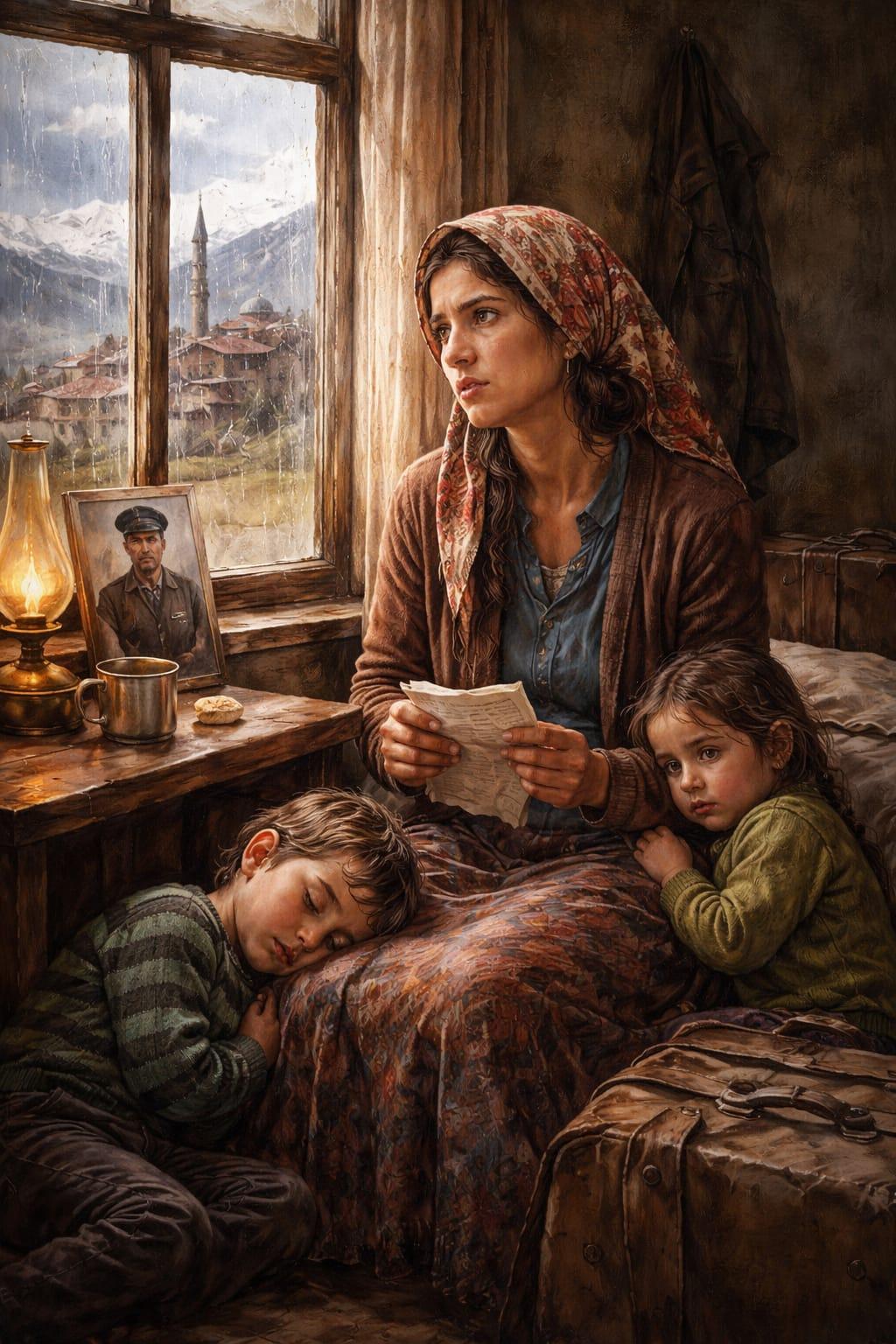
That Bride (Poem)
Âşık Yaşar Reyhanî’s poem “O Gelin” is a lyrical work that exhibits variation within the oral tradition, incorporates narrative elements, and addresses the fragmentation of family life caused by the experience of exile. The poem reflects the dynamic characteristics of the âşıklık tradition, particularly its dependence on oral performance. It centers on the hardships endured by a woman and her children after the man of the household departs for work abroad, and it acquires a variant character thr
EN
Yağmur Aldag

North Korea (Democratic People's Republic of Korea)
Democratic People's Republic of Korea (DPRK), East Asia’s northern Korean Peninsula is a socialist state based on central planning. It is bordered by the People's Republic of China to the north, the Russian Federation to the northeast, and the Republic of Korea (South Korea) to the south. Its eastern coast borders the Sea of Japan (East Sea), while its western coast borders the Yellow Sea. The capital and largest city is Pyongyang. North Korea was established in 1948 as a socialist state support
EN
Berk Büyükarslan
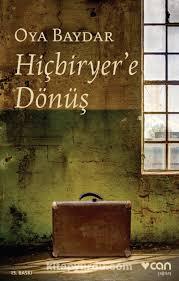
Return to Nowhere (Book)
Oya Baydar’s 1998 novel Hiçbiryer’e Dönüş explores the process by which a woman who left Türkiye after the military coup of 12 September 1980 returns to her homeland years later. The novel examines the identity crisis, sense of alienation, and historical fractures experienced by an individual who once belonged to an ideology, lived in exile, and witnessed political struggle. The narrator is an unnamed female character, and the narrative unfolds through her inner monologues, memories, and fragmen
EN
Nida Üstün
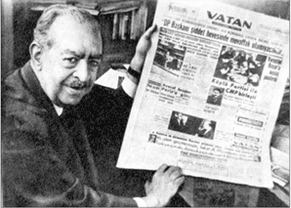
Ahmet Emin Yalman
Ahmet Emin Yalman (1888–1972) was a prominent figure in journalism, writing, and the press during the late Ottoman and early Republican periods. Born in Salonica, Yalman received his education at various institutions both within and outside Türkiye, notably studying journalism at Columbia University in the United States. Despite interruptions caused by exile, arrest, and trials, he maintained an extensive career in journalism across numerous newspapers. He played an active role in pivotal turnin
ENYunus Emre Sağlam
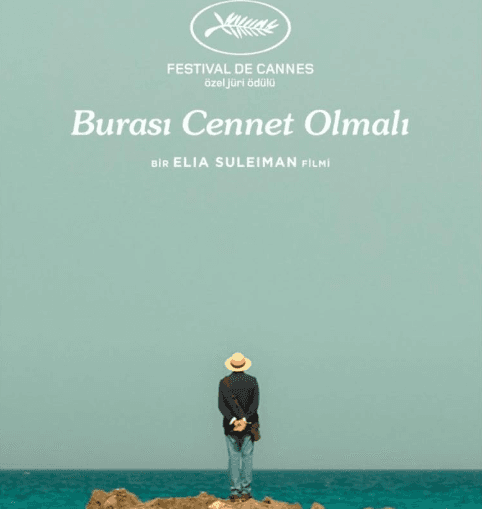
This Place Should Be Heaven (Film)
It Must Be Heaven (It Must Be Heaven) is a 2019 film written and directed by Palestinian filmmaker Elia Suleiman, who also stars in the lead role. The film continues the director’s signature style of silent humor while questioning the meaning of being Palestinian within a global context. Nazareth to Paris and New York, the film explores a universal sense of alienation centered on themes of statelessness, identity, and exile. Through silence, static tableaux, and an observational protagonist, the
EN
Neriman Sena Külünk
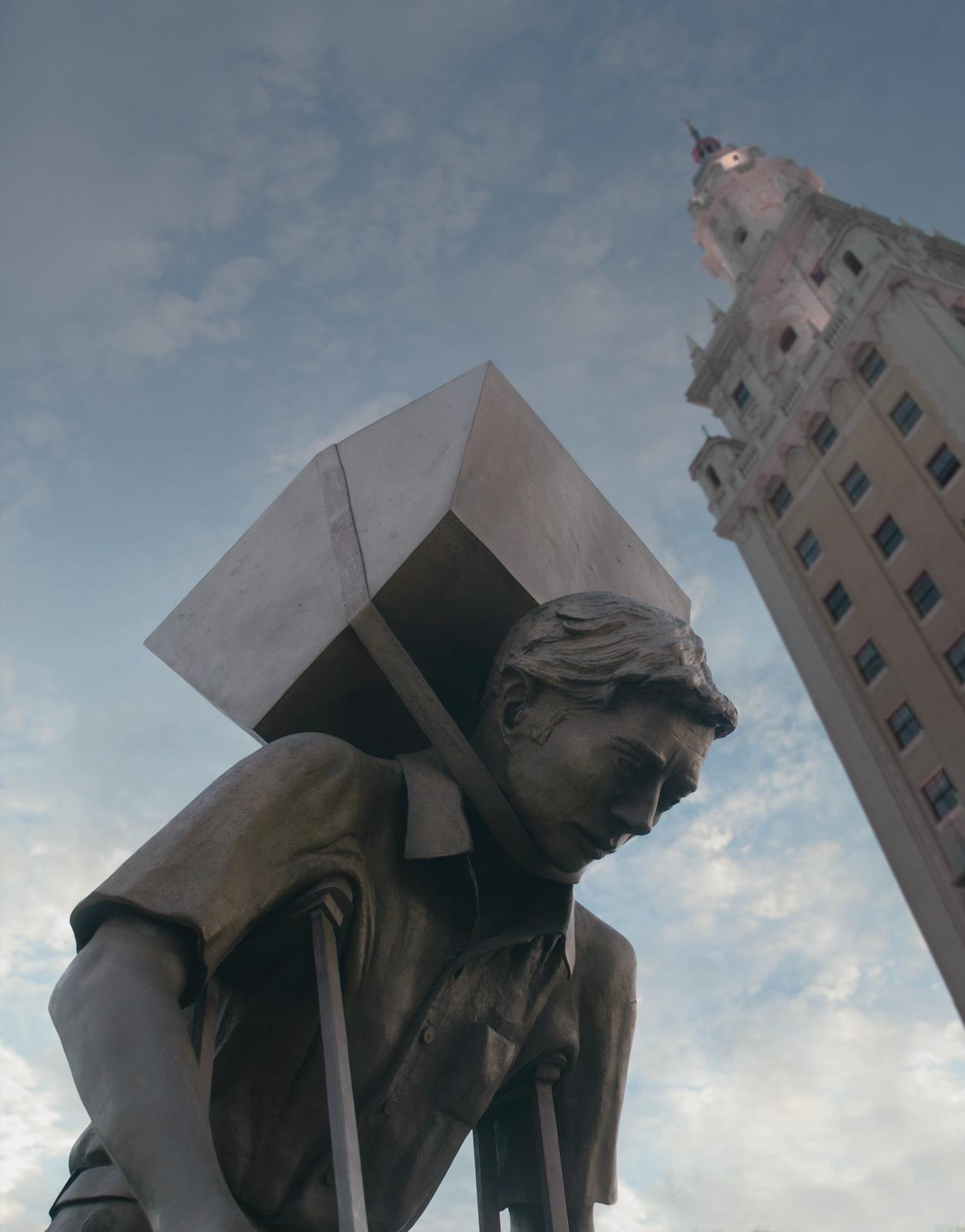
The Snow Tower Statue
The Tower of Snow is a bronze sculpture created in 2012 by Cuban-born American artist Enrique Martínez Celaya. The work serves as a visible monument to the suffering of those affected by war, political conflict, and forced displacement. The central theme of the sculpture reflects the story of a large group of children, including Celaya’s own childhood experience of exile, and encompasses the broader narrative of the Peter Pan Operation of the early 1960s.Kent State Today, ‘’What’s That Statue Ne
EN
Nursena Şahin
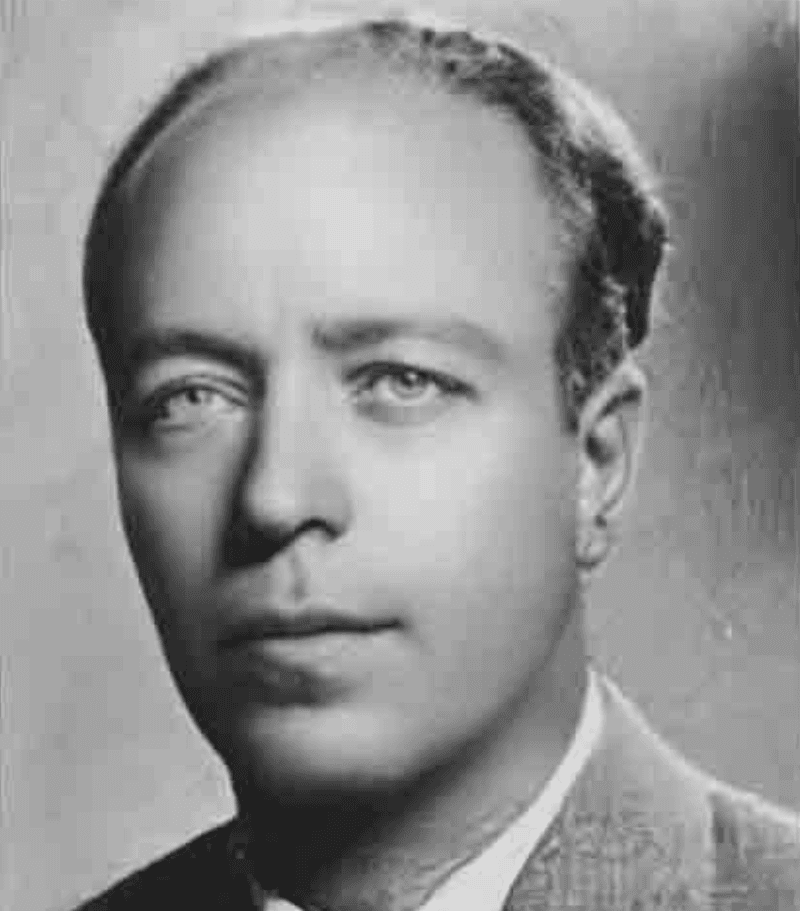
Kemalettin Kamu
Youth and Education Kemalettin Kamu was born on September 14, 1901, in Erzurum. His father, Osman Nuri Efendi, was a government official from the Kılcızâdeler family of Erzurum. Due to his father’s profession, Kamu spent his early years in various cities and received his initial education through private lessons. He learned Arabic and Persian at a young age and developed an early interest in literature. In 1910, he enrolled at Erzurum İdadisi, but his education was disrupted following his father
EN
Meryem Şentürk Çoban