KURE Kids Header Line
badge icon

This content was originally written in Turkish for children and is automatically translated into English using artificial intelligence.

article-image

What is the Iliad Epic?

Last Updated: 12/01/2025

The Iliad is an epic poem written by the ancient Greek poet Homer. It recounts a portion of the Trojan War and portrays the world of its heroes and the gods. This work, rich in mythological elements, holds a significant place in Greek culture.
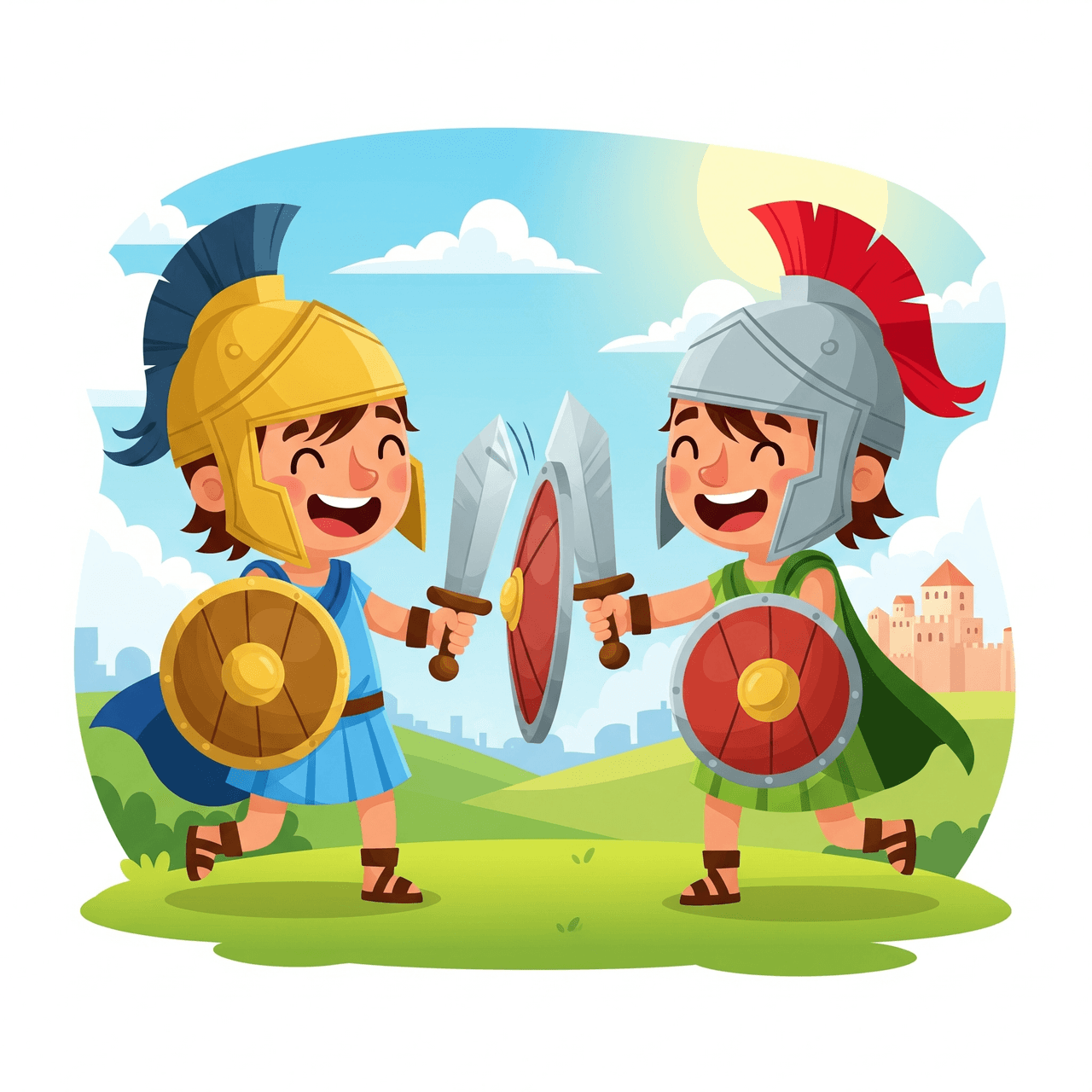
(Image generated by artificial intelligence.)

Gods and Humans

In the Iliad, gods such as Hera, Athena, and Aphrodite influence human fate. Conflicts among the goddesses can even affect the course of the human war. This dynamic invites reflection on the relationship between free will and destiny.

Fate and Free Will

In the epic, some events are shaped by divine intervention, yet humans also make their own choices. Thus, although fate is significant, the heroes are still capable of acting freely.

The Beauty Contest Among the Goddesses

At the beginning of the Iliad, there is an event known as the Beauty Contest. The three goddesses Hera, Athena, and Aphrodite argue over who is the most beautiful. This incident is a pivotal moment that leads to the outbreak of the Trojan War.

The Emotions of the Goddesses Like Real Humans

The interactions between Hera, Athena, and Aphrodite resemble the behavior of children at play. They sometimes make sudden and emotional decisions; at other times, they strive to reach calm agreements.

Why Is It Important?

The Iliad contains both historical and mythological elements. It helps us understand Greek myths and the values of that era. Through Homer’s perspective, the distinction between the world of the gods and the world of humans is conveyed.
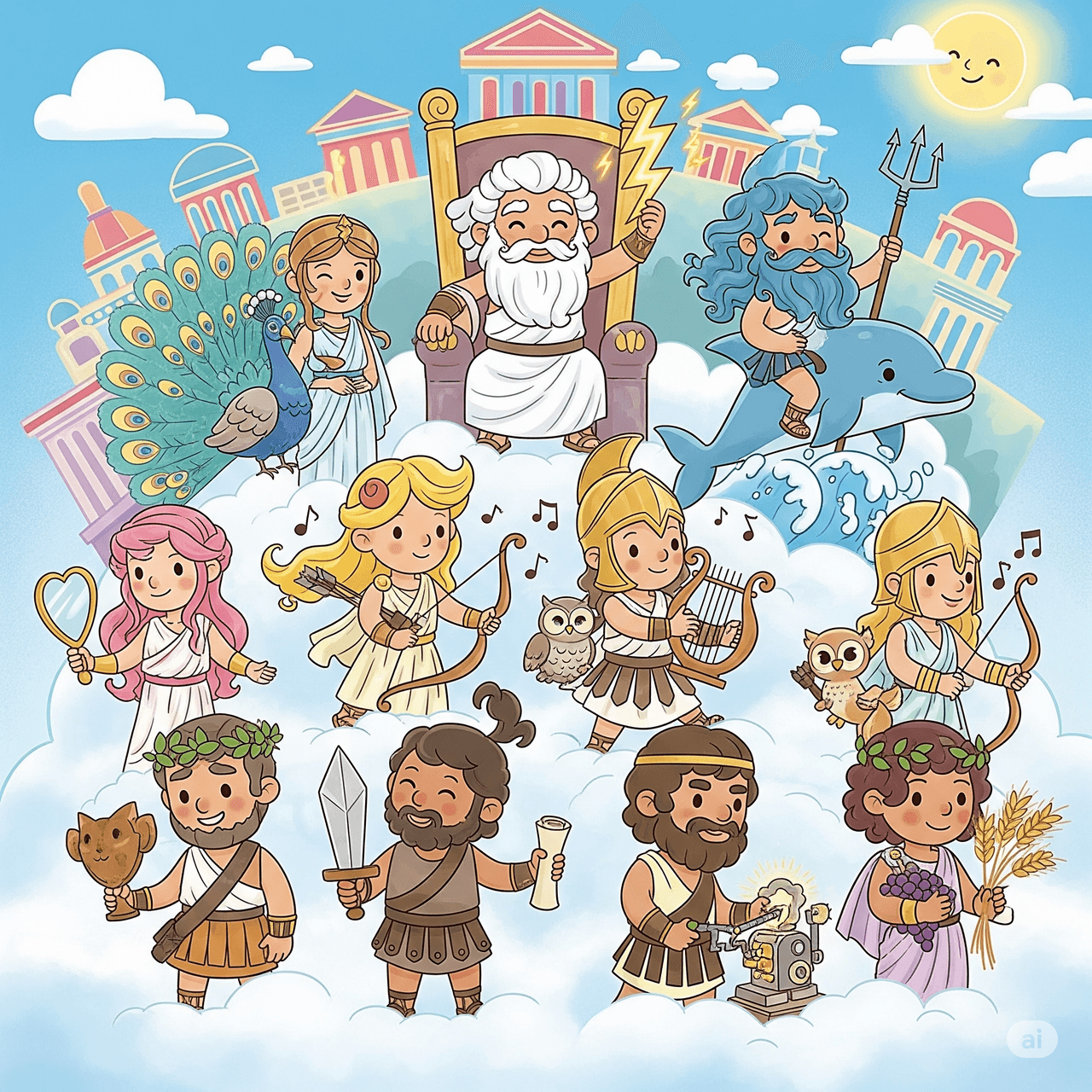
(Image generated by artificial intelligence.)

Why Is the Iliad Still Read Today?

Because it powerfully portrays emotions such as courage, friendship, anger, and peace. It teaches history and mythology.

Don't Forget to Look at These!
Science and Technology
cat img
Natural Sciences
cat img
Art and Literature
cat img
image
Most Read
Thomas Edison
arrow
image
Last Added
Pardus
arrow
ilham-notu-bg
INSPIRATION NOTE FOR CURIOUS KIDS!

A small spark can ignite a saga of heroism; just as in the Iliad, the voice of courage echoes through the centuries.

KURE Kids Kure Card Pin Icon
KURE Kids Kure Card Book Icon
1000010341.jpg

What is the Iliad Epic?

Important Event(s)

A brief episode from the Trojan War is told.

Name(s)

Iliad Epic

Author(s)

Homer

Prominent Characters

Achilles, Hector, Agamemnon, Athena, Zeus,

Period Written

8th century BC

Subject(s)

The Trojan War

the struggle of heroes and gods.

Who Wrote?
Kids Writing
Authorİbrahim FilizDecember 1, 2025
bottom-bg-effect-bottom
bottom-bg-effect-top

The Iliad is an ancient Greek epic written by Homer that narrates the Trojan War and the influence of the gods on human life. It explores the relationship between the gods, heroes, and fate.

Bibliographies


Acıl, Baki Burak. “İlyada ve Homeros’un Gözüyle Yunan Dini.” *Ardahan Üniversitesi İnsani Bilimler ve Edebiyat Fakültesi Belgü Dergisi*, Özel Sayı (2023): 61–69. Accessed August 1, 2025. https://dergipark.org.tr/en/download/article-file/2667074

Batuk, Cengiz. “Mit, tarih ve gerçeklik sorunu üzerine notlar.” *Milel ve Nihal* 6, no. 1 (2009): 27–53. Accessed August 1, 2025. https://dergipark.org.tr/en/download/article-file/109528

Dilek, Yeşim. “İlyada, Odysseia ve Theogonia Işığında Antik Yunan’da Tanrıların Kadere Etkisi ve Özgür İrade Kavramı.” *Dil ve Edebiyat Araştırmaları* 25 (2022): 379–410. Accessed August 1, 2025. https://dergipark.org.tr/en/download/article-file/2262903

Gürgan, Uğur, and Abdullah Bilge. “İlyada’daki Üç Tanrıça (Hera, Athena, Aphrodite) Arasındaki İlişkinin Transaksiyonel Analiz Kapsamında İncelenmesi.” *Avrasya Sosyal ve Ekonomi Araştırmaları Dergisi* 8, no. 4 (2021): 1–21. Accessed August 1, 2025. https://dergipark.org.tr/en/download/article-file/1755799

ilham-notu-bg
ilham-notu-bg
ilham-notu-bg
HEYY!
Did You Know?
These?
Lamb
Lamb
Ask to Küre