

`gods` Related Article Results
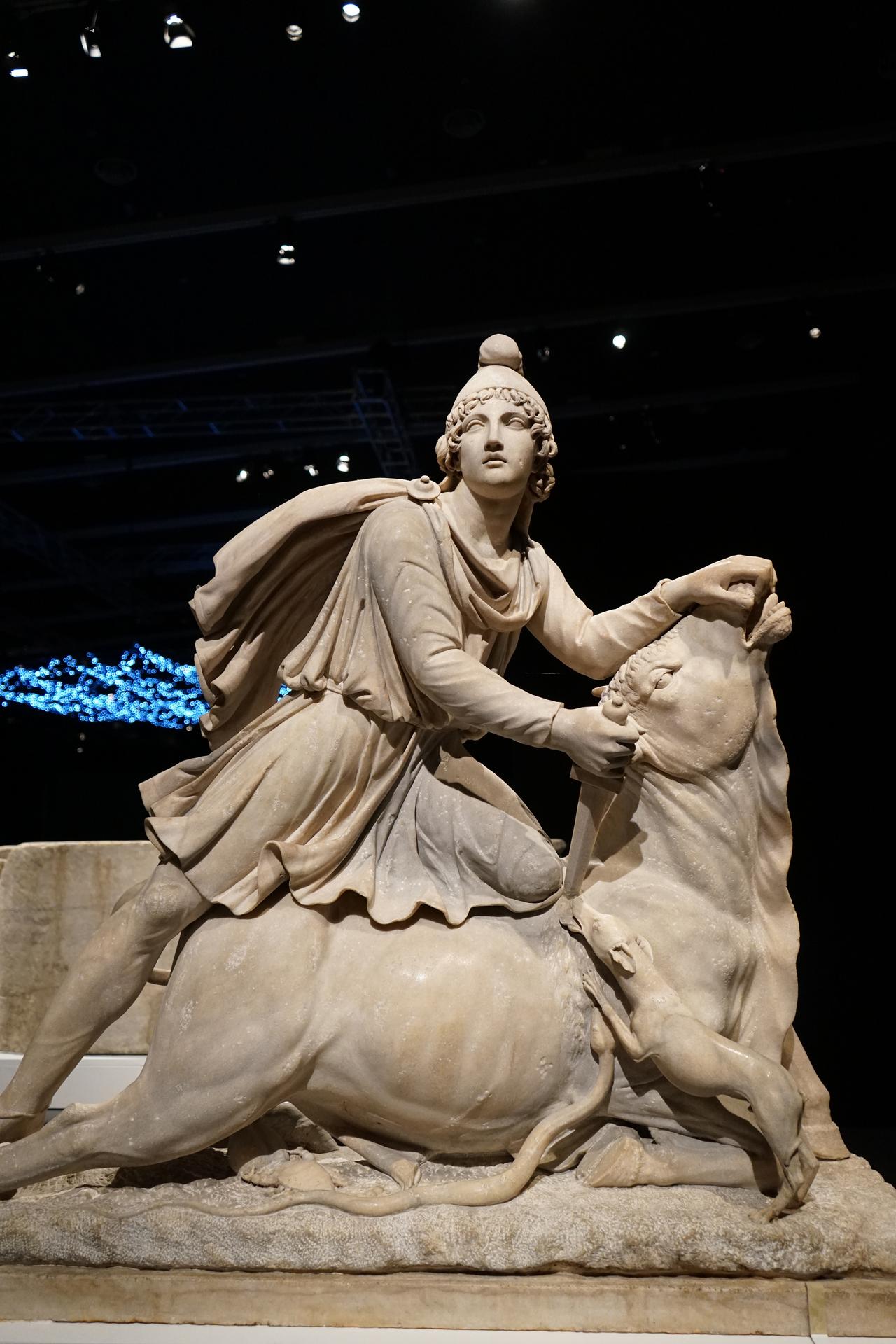
Mythology
Mythology is the term given to the collective body of legendary narratives, beliefs about gods, heroes, supernatural beings, and the origins of the universe developed by societies throughout history. It derives from the Greek words "mythos" (legend, fairy tale) and "logos" (word, narrative). Myths are narratives that have shaped the cultural and religious structures of various peoples and have continued to exert influence across many fields, from art to philosophy. Mythology has taken shape thro
EN
Fatımatüz Zehra Fakıoğlu
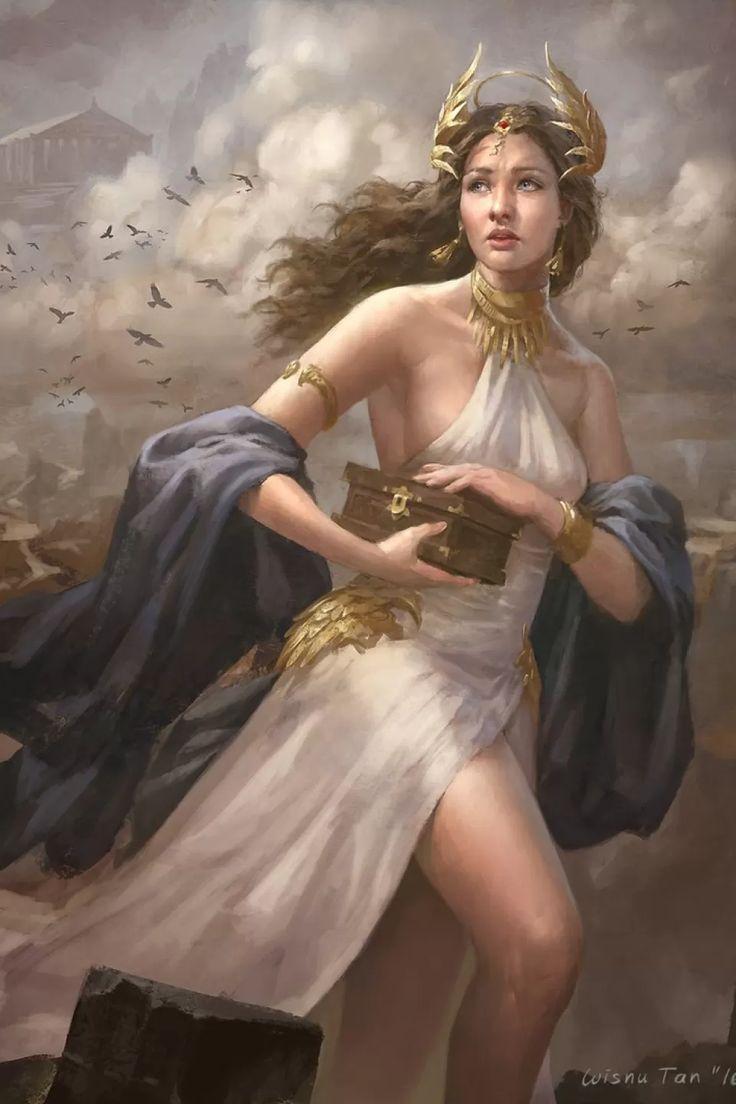
From Troy to the Present
There was a time when people spoke with gods, fate was written in the stars, and everything turned into myth… Greek mythology is not merely the story of the gods; it is also the tale of human passions, fears, weaknesses, and hopes. Beneath every stone lay a secret; behind every tree’s shadow hid a deity. Ancient Greece became the homeland of those who sought meaning beyond what was visible. Imagine once: The sky was filled with gods, the seas stirred by the prayers of mortals, and the winds whis
EN
Nefise Karabacak
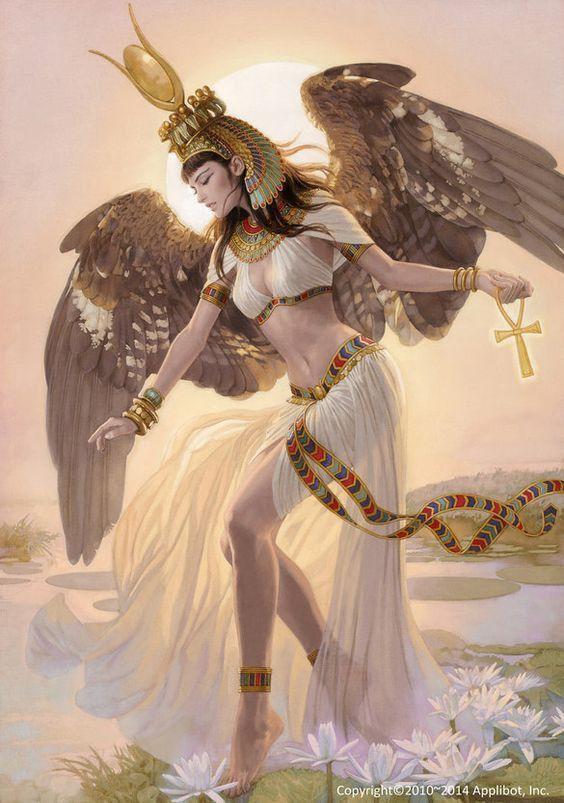
Fate Flowing from the Nile
Heat was the primordial state. There was no sound, no form—only a scorching, suffocating, heavy nothingness. But even this nothingness could not endure eternally. Deep within the depths, in the waters of Nun, a tremor began. The water pierced the silence. Time, curled inward, suddenly straightened, and the Universe opened its eyes with Ra’s first breath. Ra was the first light rising toward the sky. Light split the darkness. From the waves emerged a lotus flower, and from it was born the sun god
ENNefise Karabacak
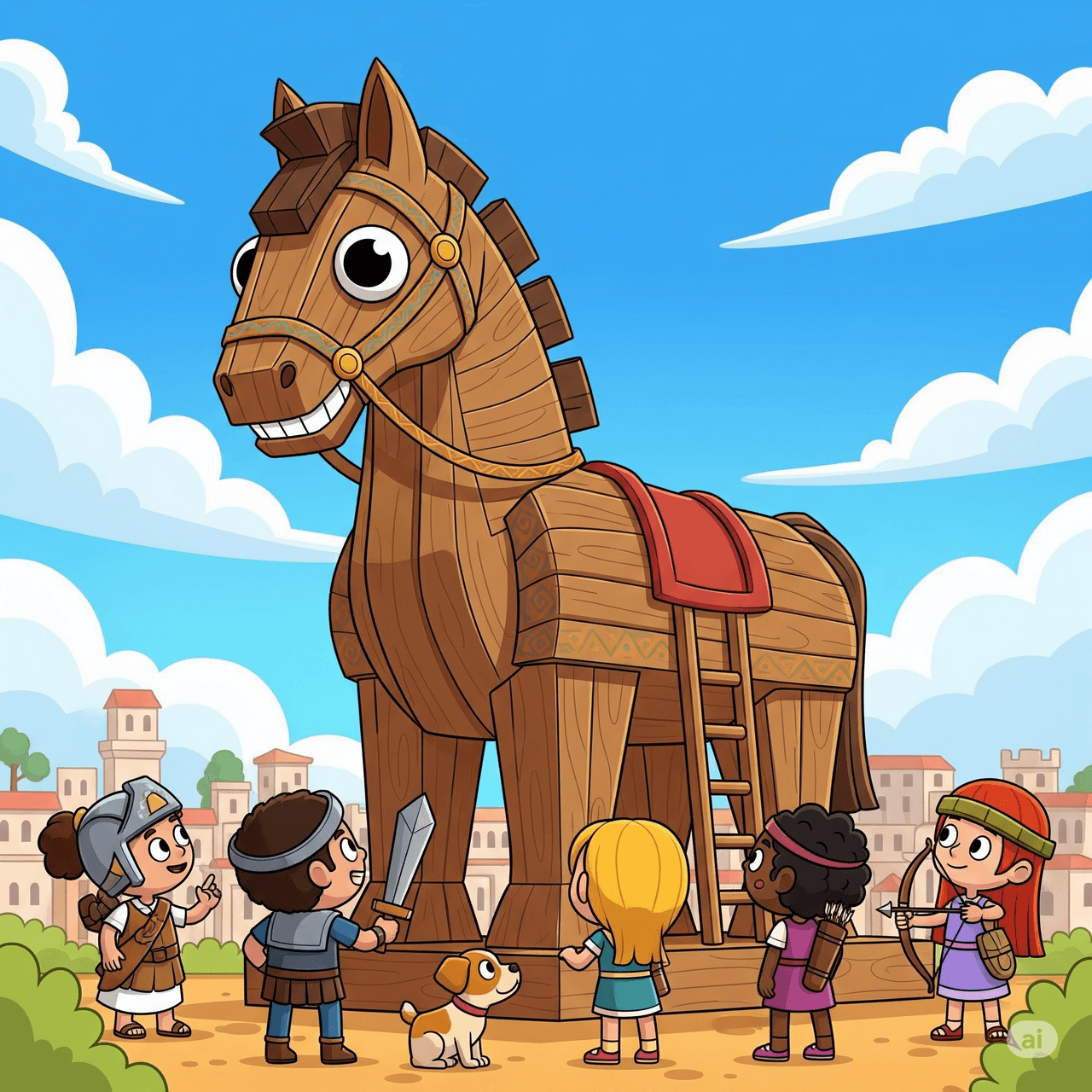
What is the Iliad Epic?
The Iliad is an epic poem written by the ancient Greek poet Homer. It recounts a portion of the Trojan War and portrays the world of its heroes and the gods. This work, rich in mythological elements, holds a significant place in Greek culture. Gods and Humans In the Iliad, gods such as Hera, Athena, and Aphrodite influence human fate. Conflicts among the goddesses can even affect the course of the human war. This dynamic invites reflection on the relationship between free will and destiny. Fate
EN
İbrahim Filiz
 Ur
UrUrartian Religion
Urartian religion is the polytheistic belief system of the Urartian Kingdom, which dominated the region centered on Lake Van between the 9th and 7th centuries BCE. This religion has a composite structure, incorporating indigenous Urartian elements alongside influences from Mesopotamia (Assyro-Babylonian) and Anatolia (Hurrian-Hittite) cultures. Information about Urartian religion is derived from two primary sources: cuneiform texts and reliefs. Cuneiform sources provide details about the names o
EN
Yunus Emre Yüce
GrGreek Mythology
Greek mythology is a cultural and literary reflection of the ancient Greek peoples’ efforts to understand the universe, their gods, nature, humanity, and heroic history. The term “mythology” derives from the Greek words “mythos” (word, story, legend) and “logos” (reason, thought, discourse); these narratives formed the foundation of rituals and left lasting impacts on art, literature, philosophy, and social structures. Greek myths have reached us primarily through the works of poets such as Hesi
EN
Duygu Şahinler