

`mythology` Related Article Results
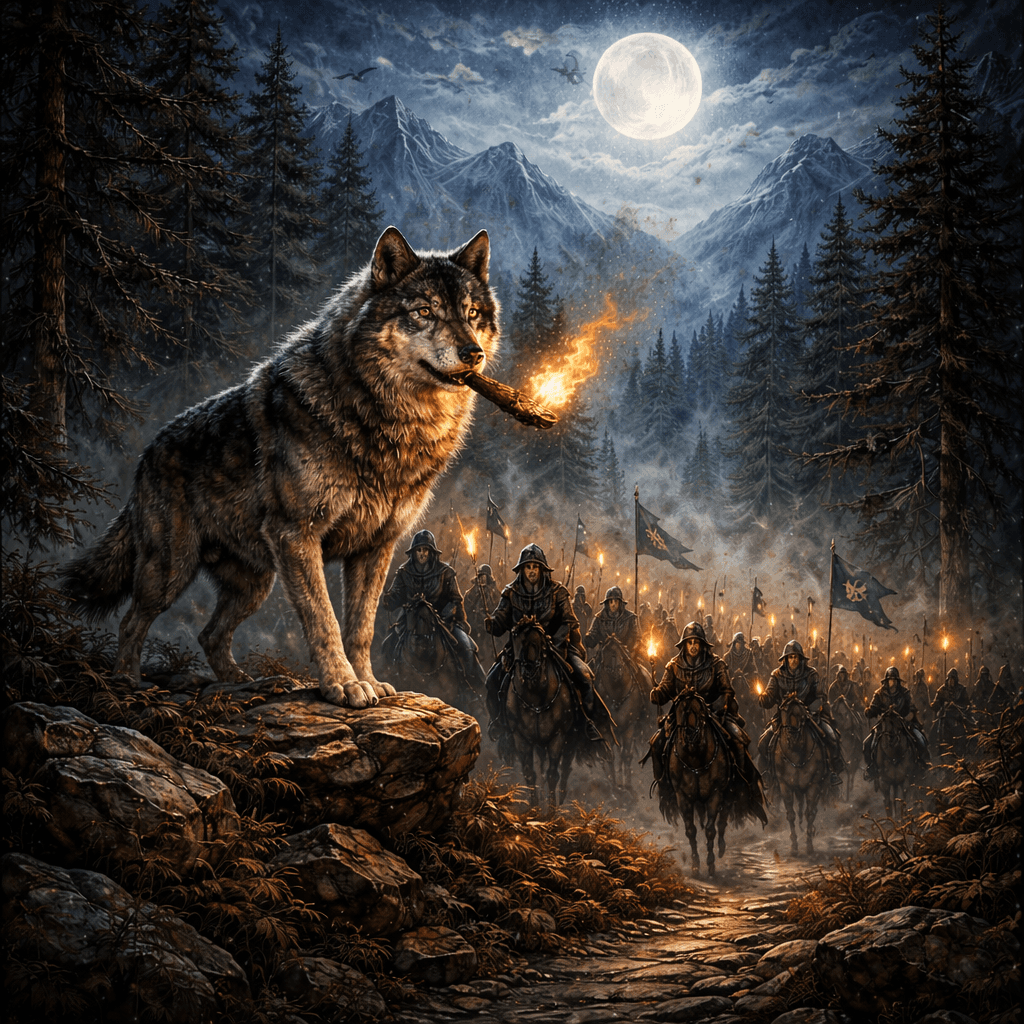
Turkish Mythology
Turkish mythology encompasses the beliefs, rituals, and narratives developed by Turkic peoples since prehistoric times regarding supernatural beings, the origin of the universe and humanity, and their ancestors. Mythological narratives are found nearly everywhere Turkic communities have settled. The mythological elements of the Turkic peoples, who spread across a vast geography from the Central Asia steppes to the interior of Europe, from the Siberian steppes to Africa, have influenced these reg
EN
Duygu Şahinler
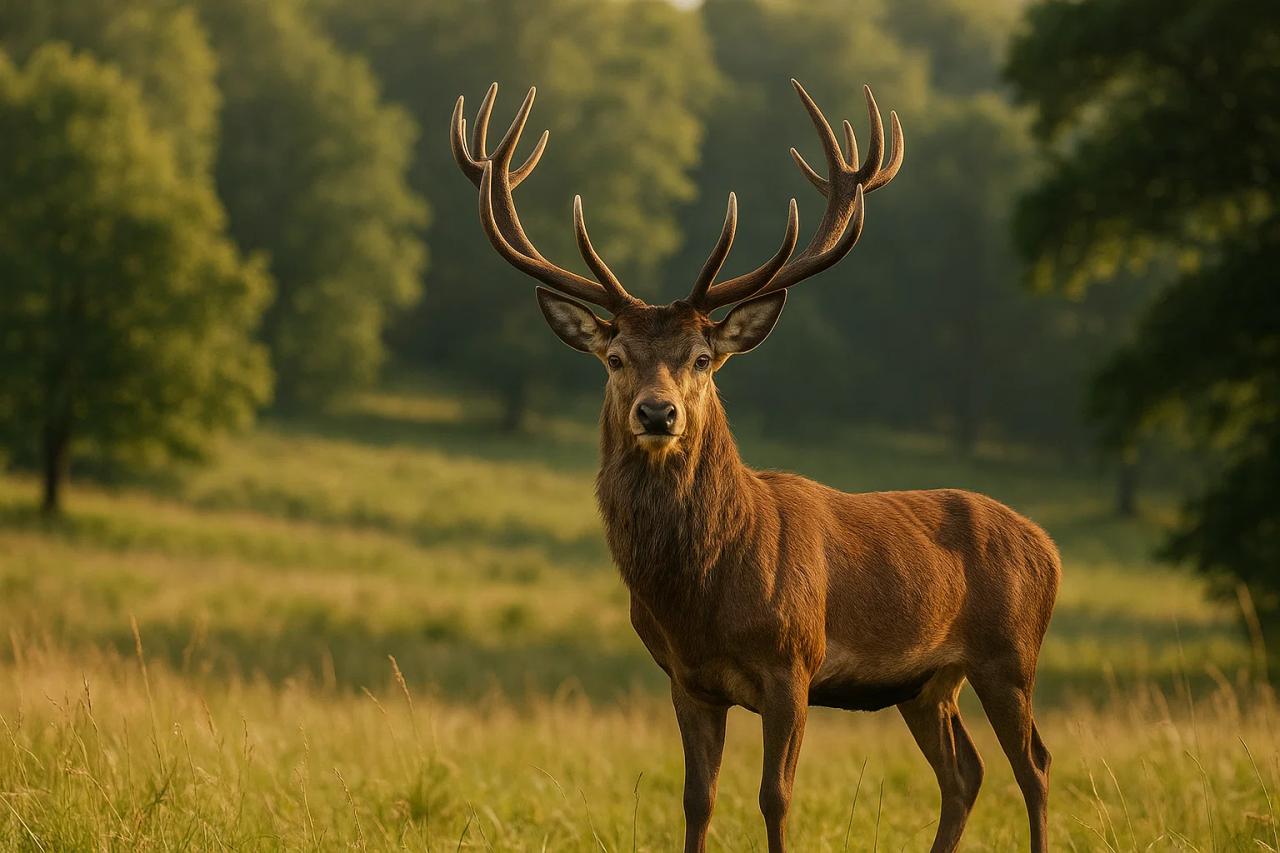
Deer in Turkish Culture
Deer, has long stood out in Turkish culture as an animal imbued with sacred, guiding, protective, and symbolic meanings. Beyond being a game animal, it is a symbolic figure in myths, rituals, art, and folk literature. In ancient Turkic belief systems, particularly in shamanic traditions, the deer is seen as an expression of the bond between humans and nature; at times it serves as a guide leading humans to other realms, and at other times as a terrestrial manifestation of a divine being. Deer
EN
Hümeyra Yılmaz
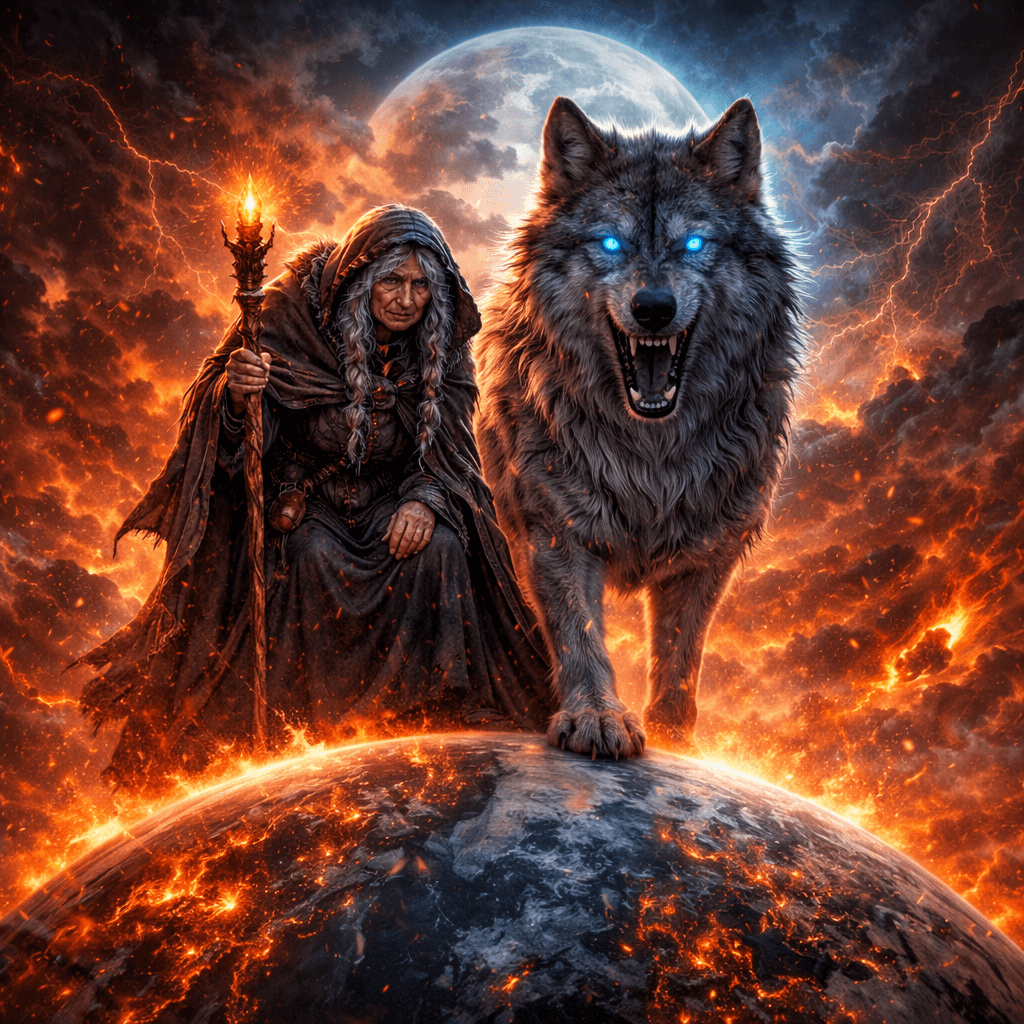
To remain until the Day of Judgment
The relationship between creation myths and the Day of Judgment myths is often “more orderly” than we assume. A community establishes its origin using certain symbols, and it concludes with those same symbols. The figures that appear at the beginning of the narrative also appear in the final scene. Because even when mythology appears to be telling “something new,” it operates by transporting the core motifs of memory to different times or contexts. Therefore, whatever exists in the creation in m
ENDuygu Şahinler
Vampires in Turkish Culture
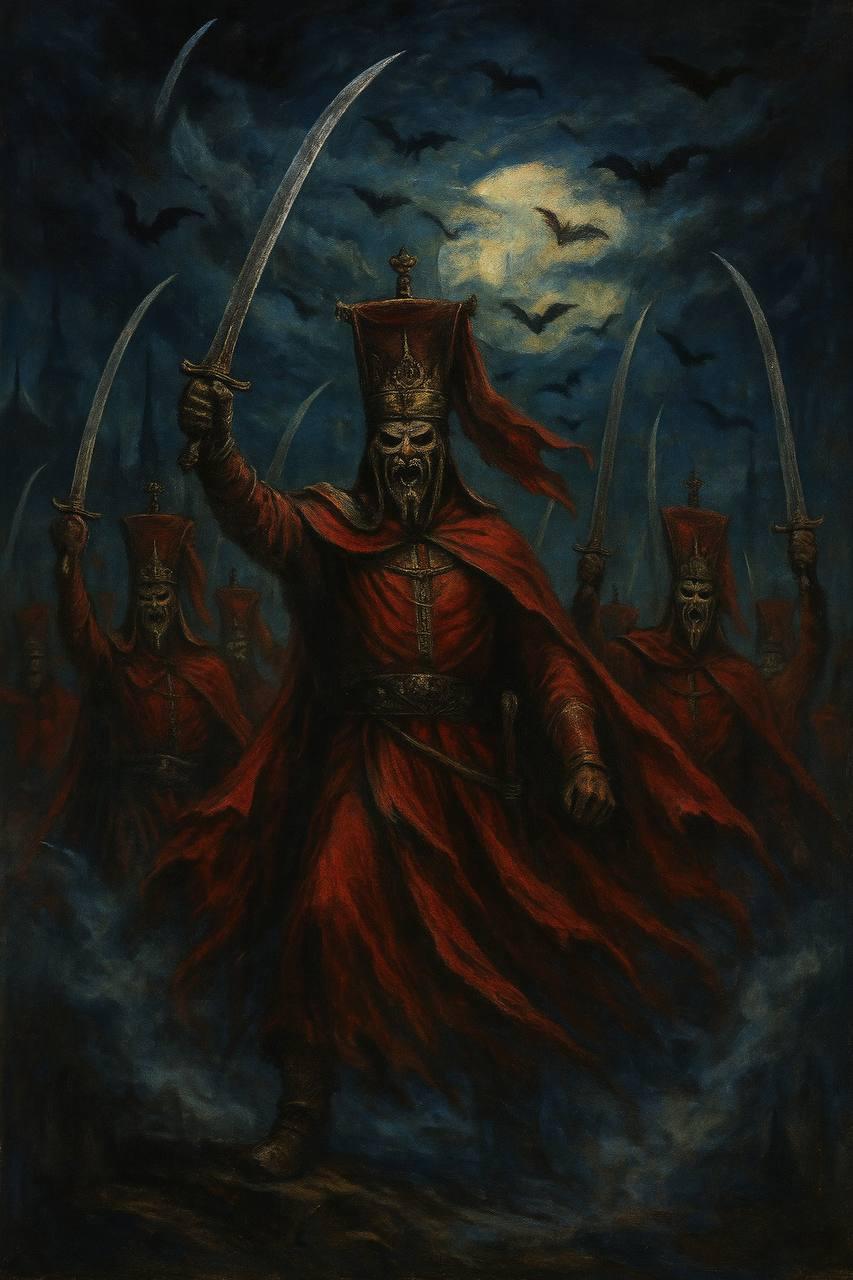
The figure of Vampire, who drinks blood and is active at night, is particularly known in West culture, but it is evident that this figure appears in much older and more varied forms in Turkish mythology. In Turkish mythology, vampire-like entities have been known for centuries under various names such as hortlak, obur, cadı, alkarısı, yalmovuz, yek, yek içgek, and kara koncolos like. These entities have not only persisted in Turkish folk beliefs but have also continued to appear in historical do
ENDuygu Şahinler
Athena
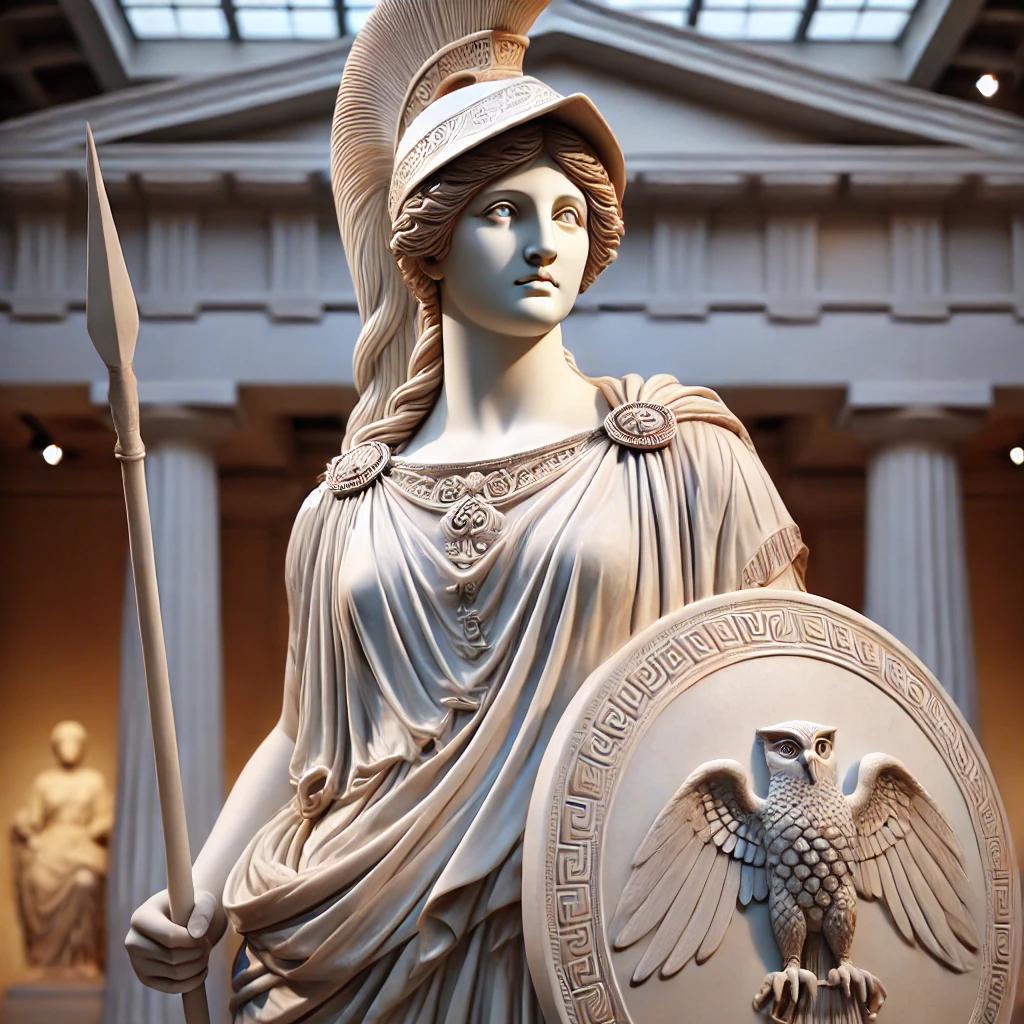
Athena is the goddess of wisdom, strategy, intelligence, war, art and craft in ancient Greek mythology. She is a figure revered by both gods and humans. In Ancient texts, Athena is described as rational, independent and masculine, making her one of the most powerful and original female figures in the Greek pantheon. She is also a notable figure in terms of the representation of women in mythology. Origin and Birth Athena’s birth is one of the most intriguing myths in Greek mythology. The goddess
EN
Eda Şengüler
Mythology
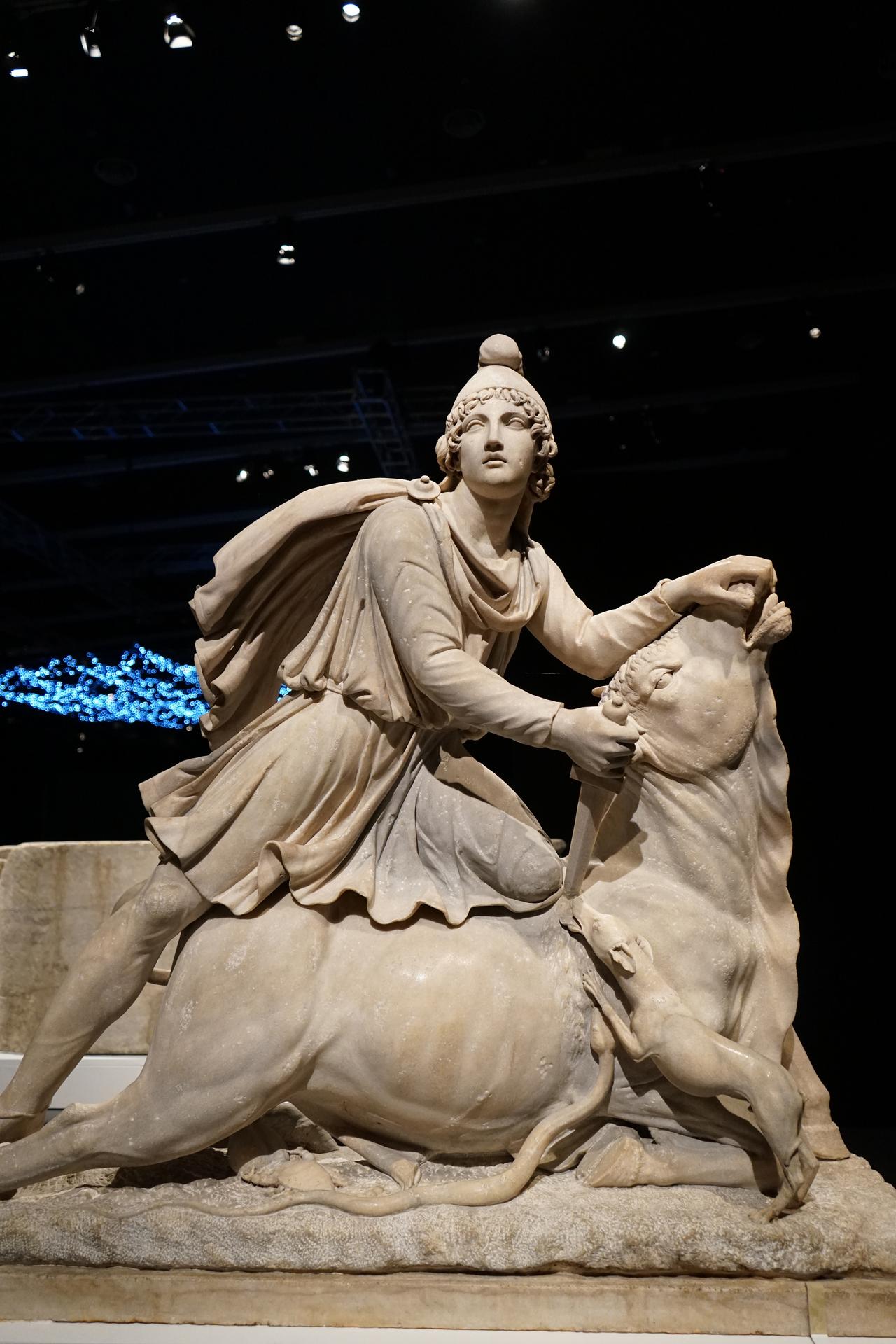
Mythology is the term given to the collective body of legendary narratives, beliefs about gods, heroes, supernatural beings, and the origins of the universe developed by societies throughout history. It derives from the Greek words "mythos" (legend, fairy tale) and "logos" (word, narrative). Myths are narratives that have shaped the cultural and religious structures of various peoples and have continued to exert influence across many fields, from art to philosophy. Mythology has taken shape thro
EN
Fatımatüz Zehra Fakıoğlu
 La
LaLand of the Lost Gods (Book)
Ahmet Ümit’s novel titled “The Land of Lost Gods” is a crime thriller infused with mythological elements. The story begins with a series of mysterious murders in Berlin committed by Germany, and the investigation extends as far as Türkiye’s Bergama district. Main character is Chief Commissioner Yıldız Karasu, who is stationed in Berlin. The common thread among the murders is the presence of symbols of ancient Greek gods on the victims’ bodies. Investigations reveal a network tied to the smugglin
EN
Beyza Nur Türkü
Sacred and Mythological Mountains (Book)
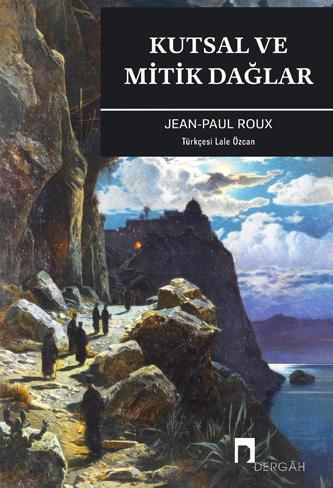
Sacred and Mythological Mountains (Kutsal ve Mitik Dağlar) is a significant work by the French historian and Turkologist Jean-Paul Roux that provides an in-depth examination of the sacred and mythological roles of mountains throughout human history. The work comprehensively addresses how mountains' cultural, religious, and mythological meanings were shaped in different geographies and societies. Roux emphasizes that mountains are not merely physical entities but also sacred spaces at the center
EN
Muhammed Samed Acar
Oni
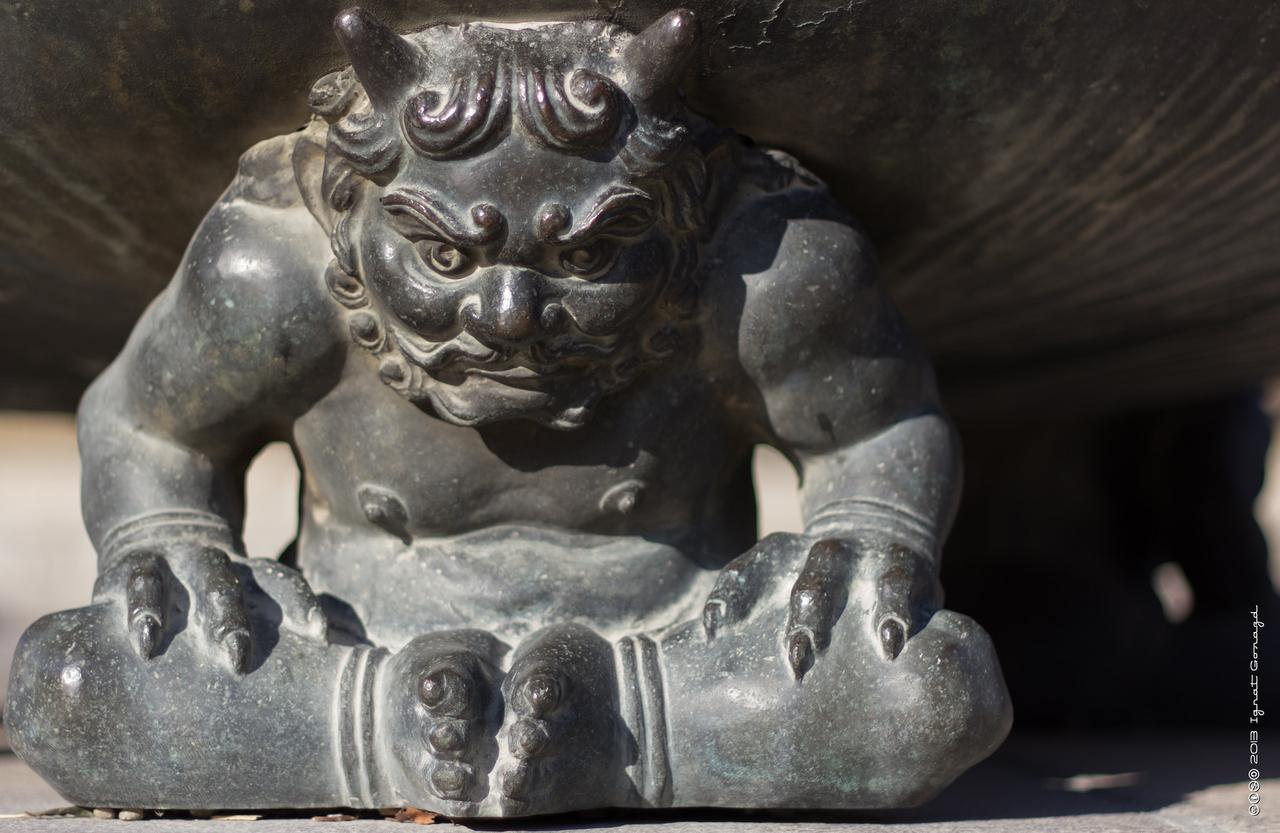
Oni (a term often translated as "demon" or "ogre" in English) are part of Japanese culture as beings both feared and marginalized. Oni occupy a deeply rooted and multi-layered place in Japan's cultural and historical imagination. While today they are commonly portrayed in popular culture as large, horned, red or blue-skinned monsters wielding metal clubs, oni have not only functioned as supernatural creatures throughout history but have also symbolized social exclusion, the concept of the "other
EN
Ömer Faruk Bilcan
Cennet-Cehennem Caves (Mersin)
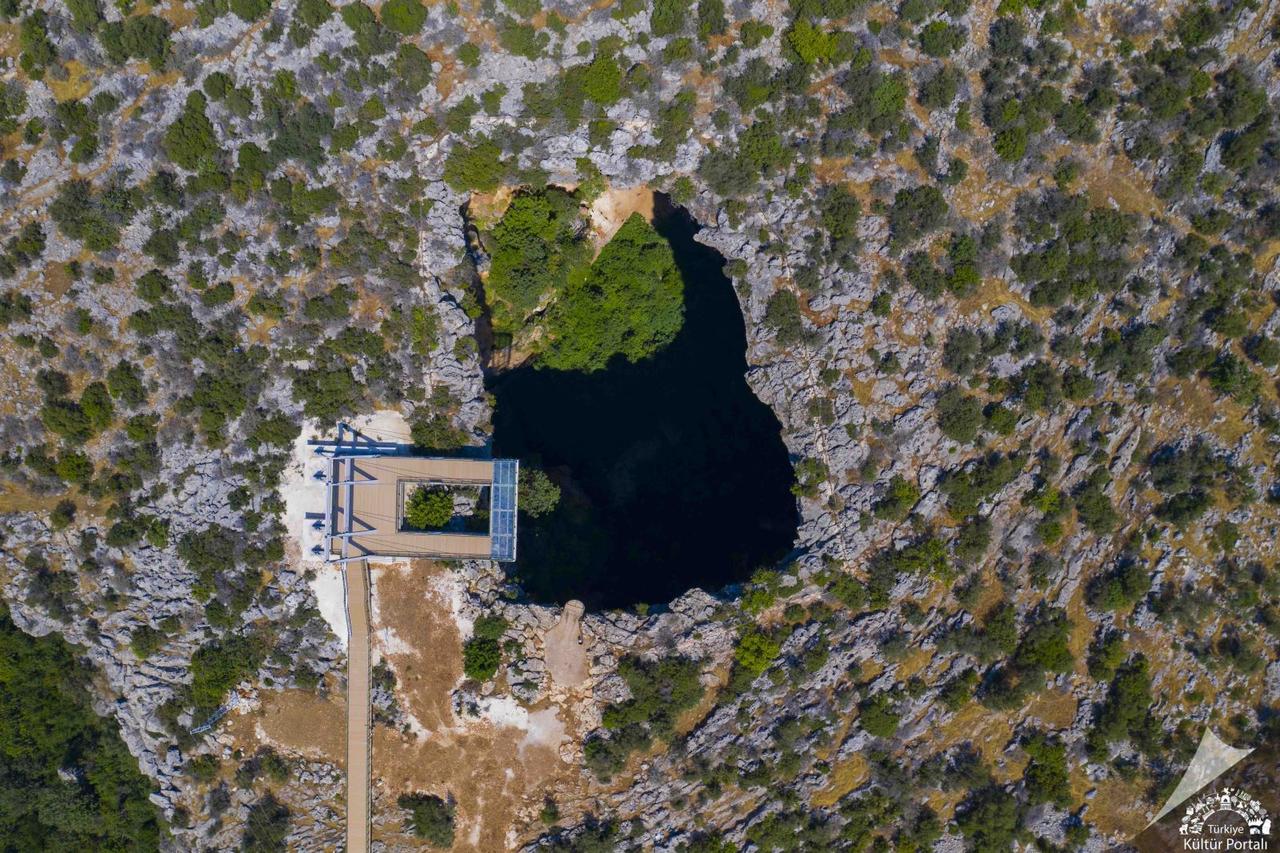
The Caves of Heaven and Hell are located within the boundaries of Narlıkuyu Village, Hasanaliler Neighborhood, in the Silifke district of Mersin Province. They are situated 25 kilometers from the Silifke district center, 2 kilometers northwest of the Ancient Narlıkuyu Harbor, and approximately 5 kilometers from Corycus (modern-day Kızkalesi). These formations are natural geological structures created when underground waters, over thousands of years, dissolved and eroded layers of limestone, caus
EN
Neriman Çalışkan