


This article was automatically translated from the original Turkish version.
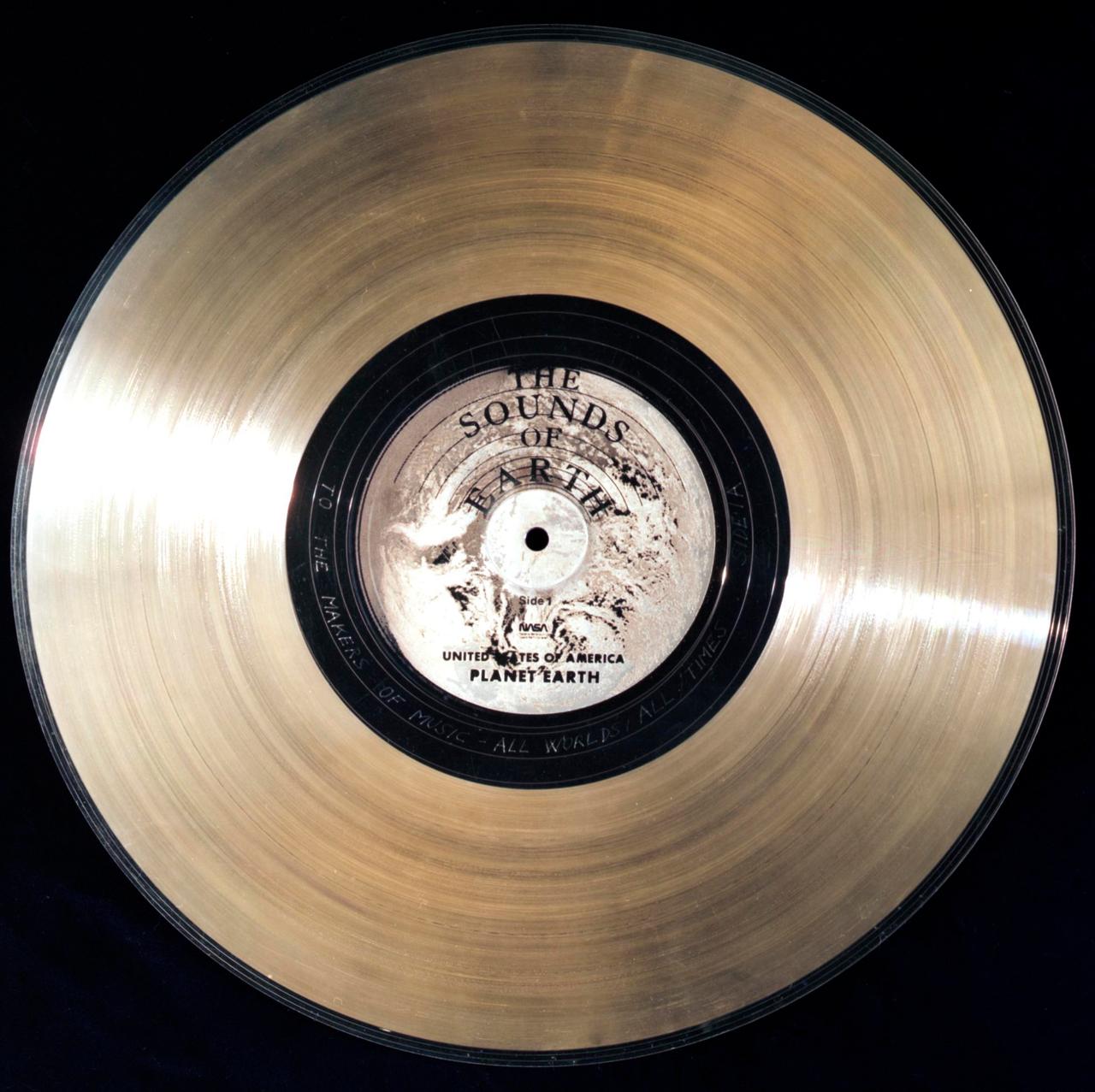
Voyager Golden Records are audio and visual recordings placed by NASA on the Voyager 1 and Voyager 2 spacecraft in 1977. These records, each containing a knowledge disc, contain fundamental information about Earth and humanity, designed to enable communication should the spacecraft encounter other civilizations.
Each recording consists of a 30 cm diameter copper disc coated with gold and contains a variety of sounds, music and images representing Earth’s cultures and the diversity of human societies.
【1】
The protective cover of the Voyager Golden Records contains the following elements represented through symbols and graphics:
"This is a present from a small, distant world, a token of our sounds, our science, our images, our music, our thoughts, and our feelings. We are attempting to survive our time so we may live into yours."【2】
(This is a gift from a small, distant world, a token of our sounds, our science, our images, our music, our thoughts, and our feelings. We are striving to survive our time so that we may live into yours.)
This message was added to emphasize humanity’s peaceful intentions and cultural heritage.
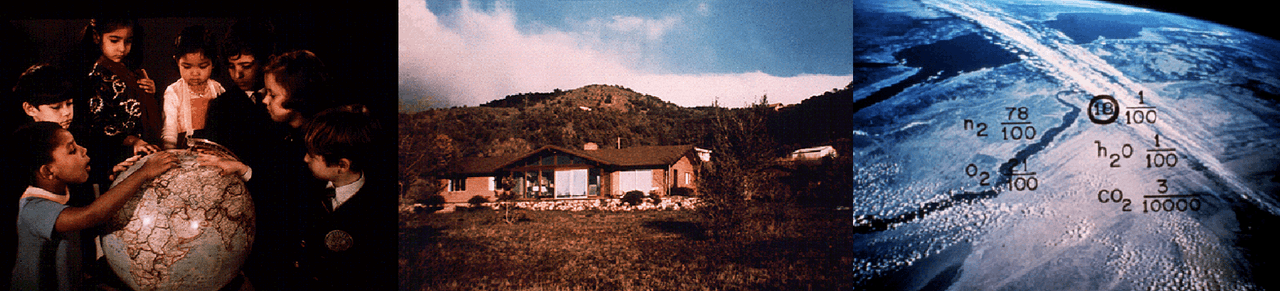
The record offers a broad spectrum of content:
【3】
The Turkish greeting recorded on the disc reads: "Sayın Türkçe bilen arkadaşlarımız, sabah-ı şerifiniz hayrolsun". This phrase is a traditional Turkish morning greeting equivalent to "Good morning" and reflects a customary form of salutation in Turkish culture. As the purpose of the recording is to carry the diversity of Earth’s cultures as a message to the cosmos, Turkish was included as part of this cultural diversity.
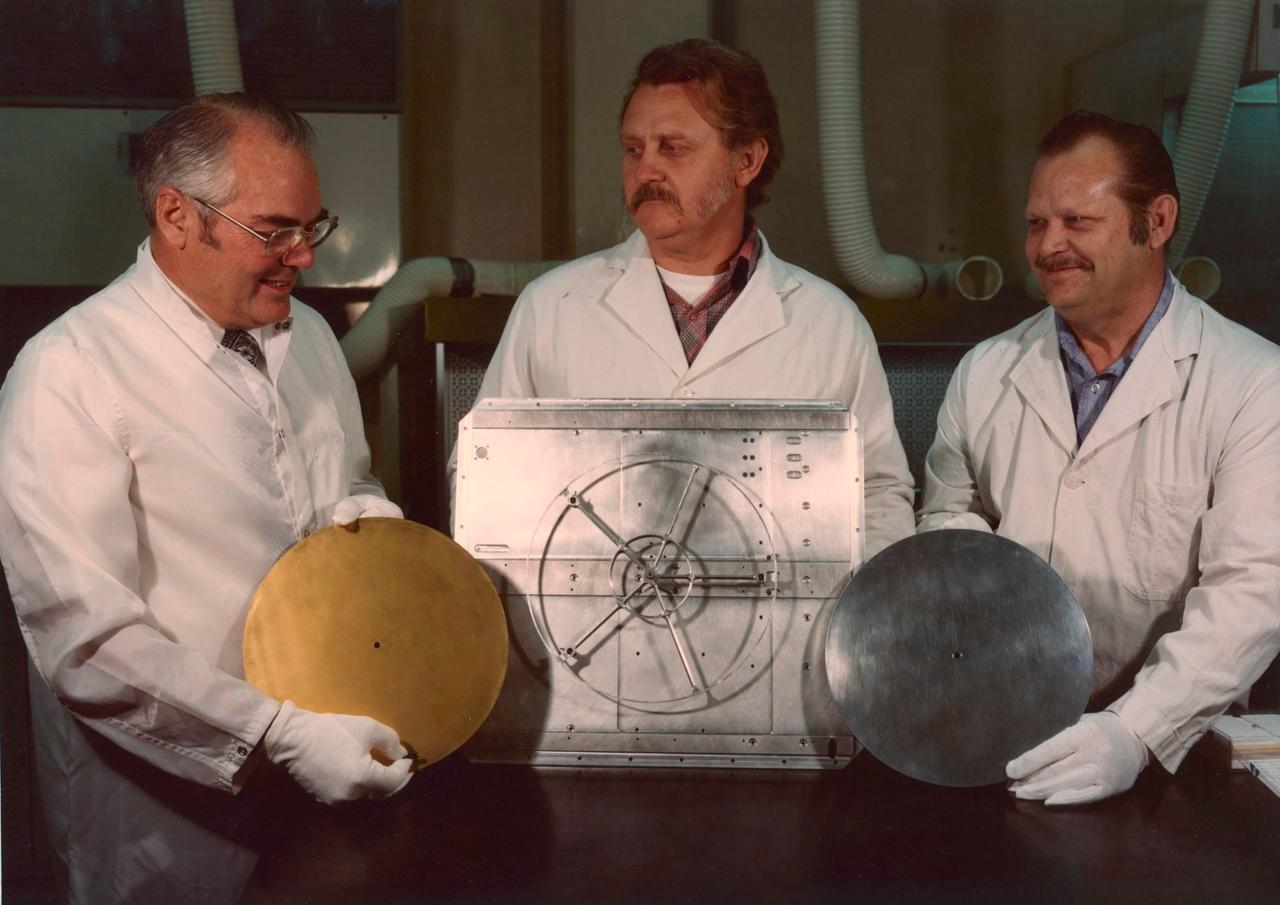
Voyager 1 and Voyager 2 were the first human-made objects sent into interstellar space. The Golden Record was designed to communicate the existence of Earth and humanity to any potential extraterrestrial civilization. Additionally, the record serves as an important time capsule in human history; even if humanity were to one day cease to exist, the record would continue to endure in space.
【4】
The Voyager 1 and Voyager 2 spacecraft, carrying the Golden Record, were launched in 1977 and have since exited the Solar System to enter interstellar space.
Voyager 1 became the first human-made object to exit the heliosphere and enter interstellar space in 2012. Today, Voyager 1 is approximately 25 billion kilometers from Earth and continues to move farther away.
Voyager 2 entered interstellar space in 2018 after crossing the heliosphere. It is currently approximately 21 billion kilometers away.
Both spacecraft continue to operate with low power consumption and still transmit scientific data. However, communication signals take approximately 22 hours to reach Earth from Voyager 1 and approximately 18 hours from Voyager 2.
The Golden Record has become an important cultural symbol beyond its function as a communication device, representing the history and culture of humanity. Over time, it has generated significant interest among scientists, philosophers and artists. To some, this endeavor is seen as an act of acknowledging humanity’s loneliness in the universe and an effort to establish a connection with something greater.
The Golden Record is not merely a message sent into space; it is a symbolic representation carrying deep cultural and philosophical meaning for humanity.
Golden Record. *The Golden Record: A Message from Earth.* Accessed March 28, 2025.https://goldenrecord.org/#via-lactea.
NASA Jet Propulsion Laboratory. "Howdy, Strangers!" *NASA JPL News.* Accessed March 28, 2025.https://www.jpl.nasa.gov/news/howdy-strangers/.
NASA. *Making of the Golden Record.* Accessed March 28, 2025.https://science.nasa.gov/mission/voyager/making-of-the-golden-record/.
NASA. *The Golden Record: A Message from Earth.* 1977.https://voyager.jpl.nasa.gov.
NASA. *Voyager Golden Record: Images.* Accessed March 28, 2025.https://science.nasa.gov/mission/voyager/golden-record-contents/images/.
Sagan, Carl. Murmurs of Earth: The Voyager Interstellar Record. New York: Random House, 1978.
TRT Haber. “Dünyaya En Uzak Uzay Aracı Bilimsel Araçlarını Kapatıyor.” Accessed October 20, 2023.https://www.trthaber.com/haber/bilim-teknoloji/dunyaya-en-uzak-uzay-araci-bilimsel-araclarini-kapatiyor-900023.html.
[1]
NASA. Voyager Mission: Exploring the Outer Planets and Beyond. Erişim 28 Mart 2025. https://science.nasa.gov/mission/voyager/
[2]
NASA Jet Propulsion Laboratory. "Howdy, Strangers!" NASA JPL News. Erişim 28 Mart 2025. https://www.jpl.nasa.gov/news/howdy-strangers/
[3]
NASA. Voyager Golden Record: Images. Erişim 28 Mart 2025. https://science.nasa.gov/mission/voyager/golden-record-contents/images/
[4]
NASA. Making of the Golden Record. Erişim 28 Mart 2025. https://science.nasa.gov/mission/voyager/making-of-the-golden-record/

No Discussion Added Yet
Start discussion for "Voyager Golden Records" article
Information on the Protective Cover of the Golden Records
Content
Contents of Disk 1
Contents of Disk 2
Turkish Greeting on the Record
Purpose of the Golden Record
Current Distance of the Spacecraft Carrying the Golden Record
Scientific and Cultural Significance