

+1 More

Turgut Uyar
Birth | 1927 | ||||||||
|---|---|---|---|---|---|---|---|---|---|
Death | 1985 | ||||||||
Profession | writer translator poet soldier | ||||||||
Literary Movement | Second New | ||||||||
Burial Place | Aşiyan Cemetery | ||||||||
Education | Military Officers School | ||||||||
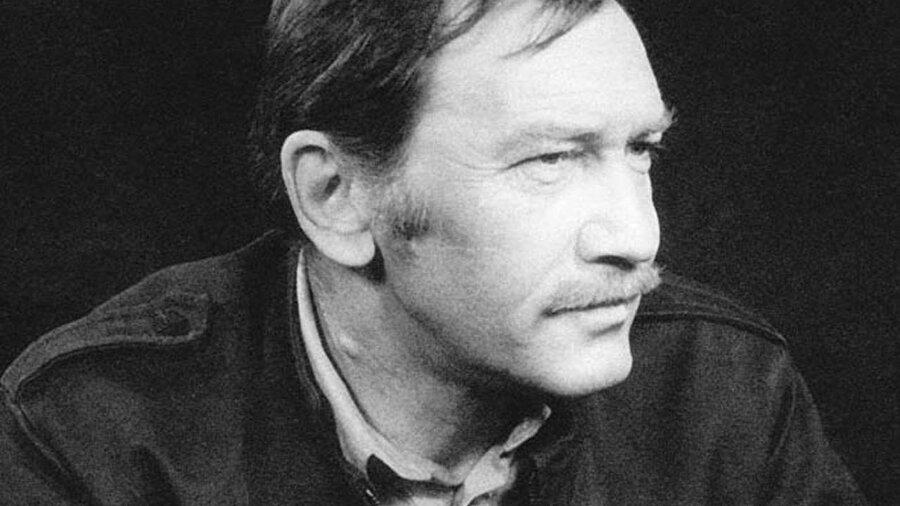
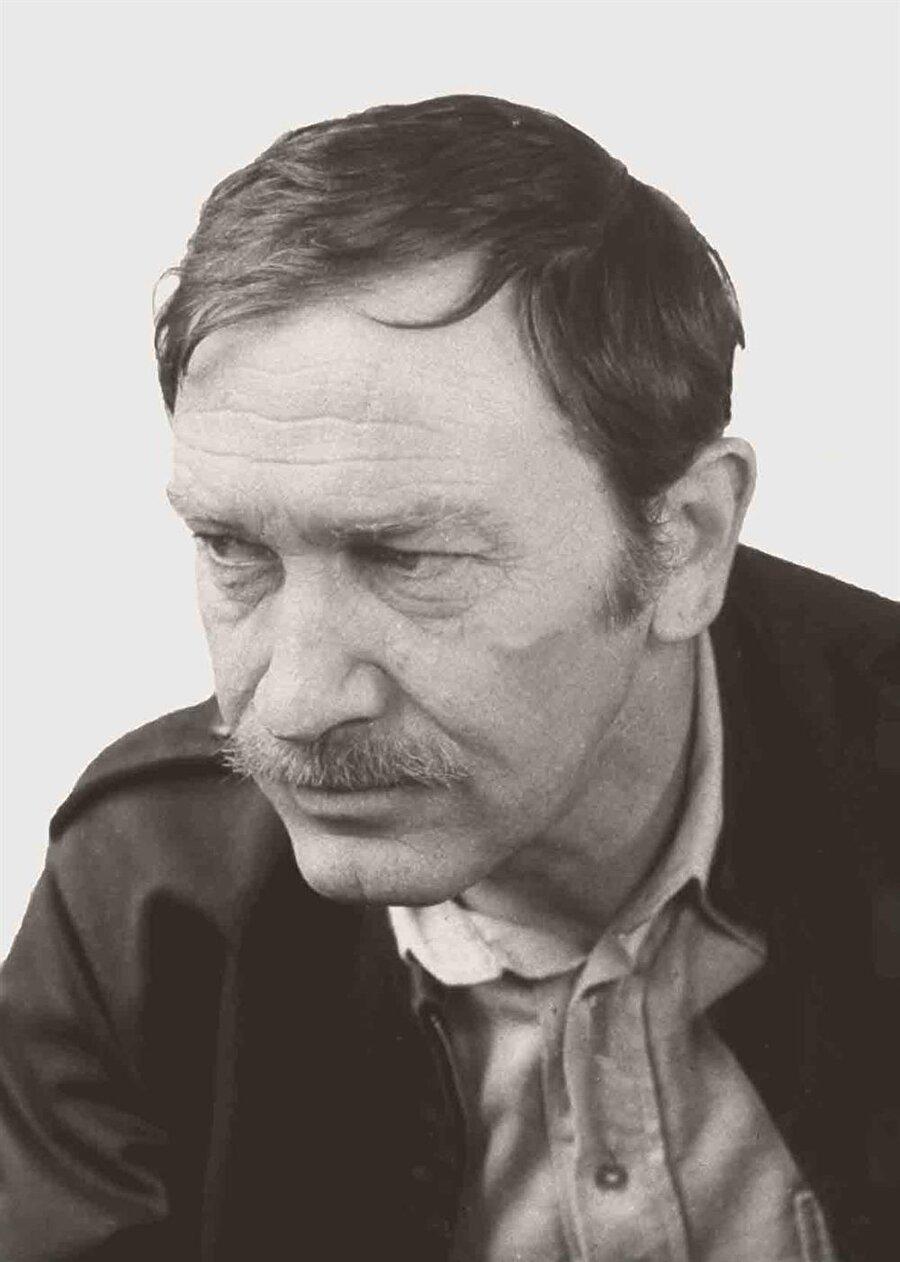
Turgut Uyar (1927–1985) was a Turkish poet. He is regarded as one of the leading figures of the Second New poetry movement. In his poems, he explored individual and social themes through a unique linguistic and formal sensibility.
Turgut Uyar was born on 4 August 1927 in Ankara. He was the fifth of six children of Hayri Bey and Fatma Hanım. His father, Hayri Bey, was a map captain in the military, which meant that Uyar spent his childhood in various cities. Due to financial difficulties, he continued his education in military schools. He graduated from the Askerî Işıklar High School in Bursa in 1946 and pursued higher education at the Military Officers School.
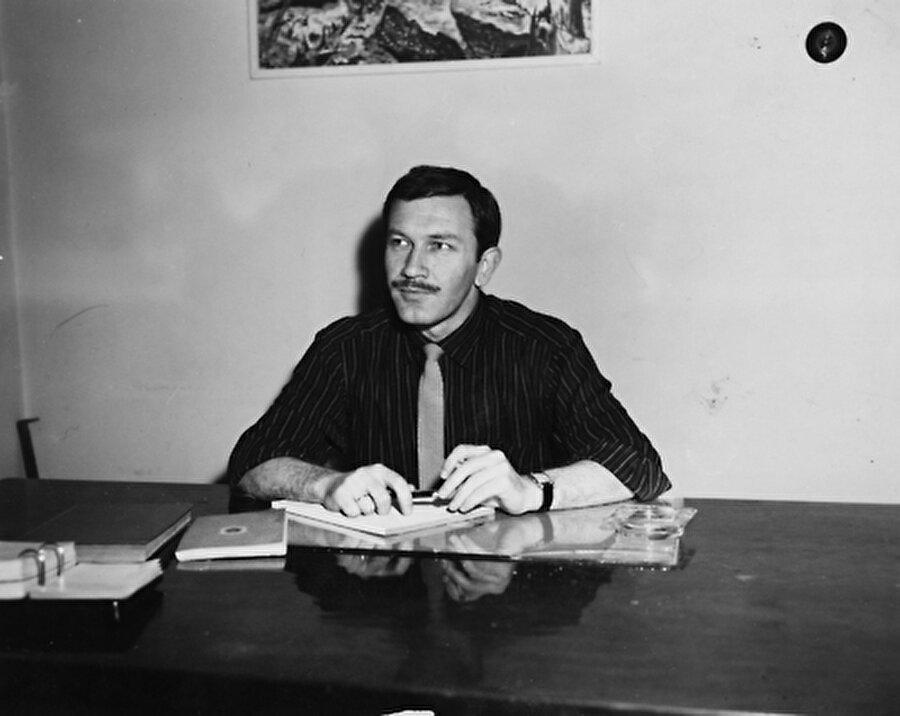
Uyar began his civil service career in Posof district of Kars and later served in Terme district of Samsun. In 1954 he was transferred to Ankara. He voluntarily left his position as a military officer in 1958 and began working at the Ankara branch of Turkey Cellulose and Paper Industry, from which he retired in 1967. After retirement, he moved to Istanbul, where he lived until his death.
Ece Ayhan married Yezdan Şener in 1947 while still a student at the Military Officers School. They had three children: Semiramis, Şeyda, and Tunga. The couple divorced in 1966 due to ideological differences.
Turgut Uyar married Tomris Uyar, a poet like himself, in 1969. They had one son, Hayri Turgut. Their marriage was also noted as an intellectual partnership. The couple were remembered as a mutually supportive literary pair. Their marriage lasted until Turgut Uyar’s death in 1985.
Turgut Uyar began his poetic career under the influence of the Garip movement but quickly shifted toward individualistic and abstract expressions, becoming one of the foremost poets of the Second New movement. From the 1950s onward, he moved away from classical poetic structures and developed a layered, image-rich style of expression.
His poems addressed the inner world of the individual, alienation, the pressures of life, and societal contradictions. He employed a fluid, sometimes abstract language, deconstructing conventional meanings and associations to create new contexts within his poetry.
Uyar’s interest in poetry dates back to his childhood. His first poem, “Yâd,” was published in 1947 in the journal Yedigün. He achieved his first major recognition by winning second prize in the 1948 poetry competition organized by the journal Kaynak with his poem “Arz-ı Hal.” He received high praise from juror Nurullah Ataç, drawing significant attention to his work. This success encouraged him to pursue poetry more seriously.
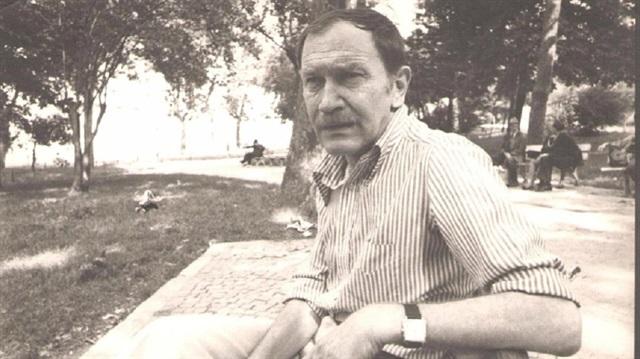
Uyar’s literary career can be divided into distinct periods. His early works, Arz-ı Hal (1949) and Türkiyem (1952), reflect the influence of Garip poetry. During this period, he portrayed the lives and struggles of Anatolian people using a simple and direct language. Themes such as love, separation, and death feature prominently in his poetry.
The most significant transformation in Uyar’s poetry began with the publication of Dünyanın En Güzel Arabistanı in 1959. This book is one of the foundational works of the Second New movement. After relocating to Ankara, his experiences of social and personal conflict deeply influenced his poetry, bringing to the forefront the loneliness and tragedy of urban life. In this volume, he transformed poetic language, introducing formal innovations and surreal elements.
In his 1962 collection Tütünler Islak, he further advanced his formal and semantic explorations, making his imagery more complex. In 1968 he published Her Pazartesi, and in 1970 he released Divan, a work that drew on the forms and genres of classical divan poetry. In this collection, he fused traditional divan poetic structures with modern meanings.
With his collections Toplandılar (1974) and Kayayı Delen İncir (1982), Uyar turned toward simplicity, reducing his use of imagery and adopting a more concrete mode of expression.
Uyar’s poems have been translated into many languages, including English, French, and Serbian.
İnci Enginün wrote about Turgut Uyar: “Turgut Uyar, who received military training and served as an officer, attracted Nurullah Ataç’s attention in his youth through his poetry. He devoted himself to the subject and form of his poems and became one of the pioneering poets of the Second New movement. (...) Uyar’s poetry, like a persistent thread in Turkish poetry, centers on ‘loneliness.’ The poet reaches out to ordinary people, as if to share their loneliness.”【1】
Arz-ı Hal (1949)
Türkiyem (1952)
Dünyanın En Güzel Arabistanı (1959)
Tütünler Islak (1962)
Her Pazartesi (1968)
Divan (1970)
Toplandılar (1974)
Kayayı Delen İncir (1982)
Büyük Saat (Complete Poems, 1984)
In addition to poetry, Turgut Uyar wrote critical essays on literature. He collected his evaluations and studies of poetry under the title Bir Şiirden. The first edition, published in 1983, examined 21 poets through individual poems.
Together with his wife Tomris Uyar, he translated the Roman philosopher and poet Lucretius’s work De Rerum Natura into Turkish in 1974.
Throughout his literary career, Uyar received numerous awards:
Tütünler Islak won the Yeditepe Poetry Prize (1963),
The Turkish Language Association Translation Award (1975) for the translation of Lucretius’s De Rerum Natura, undertaken with his wife Tomris Uyar,
Kayayı Delen İncir won the Behçet Necatigil Poetry Prize (1983),
The Sedat Simavi Foundation Literature Prize (1984) for the collected poems in Büyük Saat.
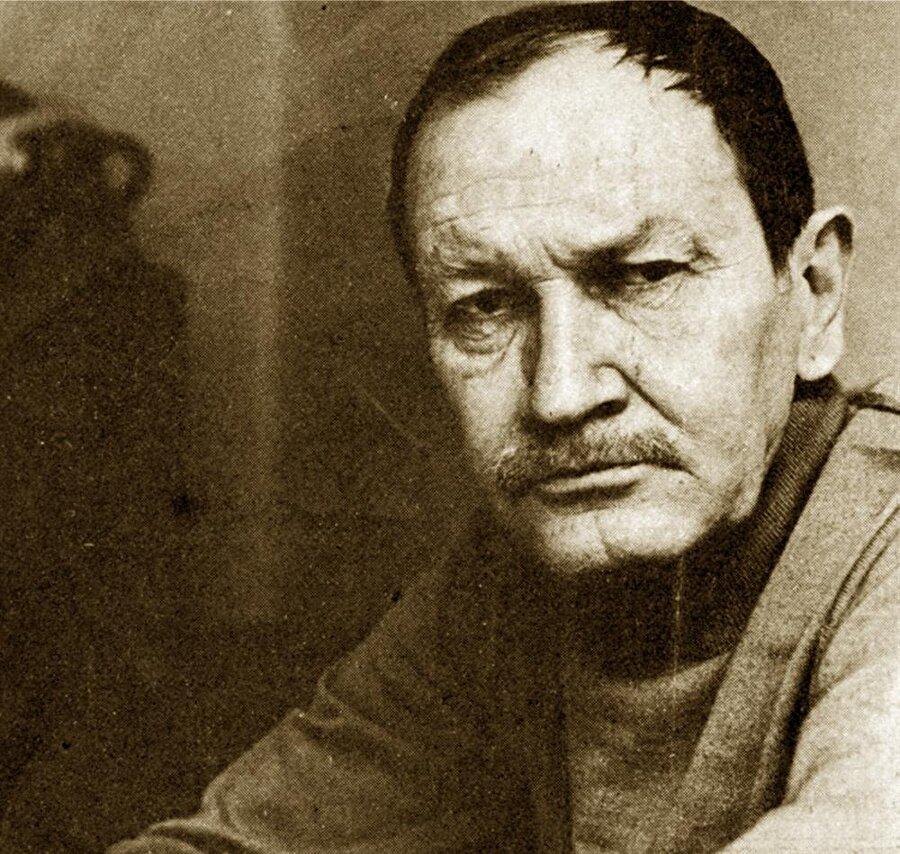
Turgut Uyar died in Istanbul on 22 August 1985 at the age of 58 after suffering from cirrhosis. He was buried at Aşiyan Cemetery. In Turkish literature, particularly within the Second New movement, he occupies an important place as a poet distinguished by his original language and innovative modes of expression.
Anadolu Ajansı. "İkinci Yeni'nin Kapısını Açan Şair: Turgut Uyar." Accessed March 19, 2025.
Biyografya. "Turgut Uyar." Accessed March 19, 2025.
Enginün, İnci. Cumhuriyet Dönemi Türk Edebiyatı. İstanbul: Dergâh Yayınları, 2020.
Makaleler. "Turgut Uyar'ın Yaşamı ve Edebî Kişiliği." Accessed March 19, 2025.
Sabah. "Turgut Uyar Kimdir? Turgut Uyar Şiirleri, Sözleri, Eserleri, Hayatı ve Edebi Kişiliği." Accessed March 19, 2025.
Şenderin, Zübeyde. "Turgut Uyar: Sanat Hayatı ve Eserleri." Kırıkkale Üniversitesi Sosyal Bilimler Dergisi, vol. 2, no. 1 (January 2012): 143-162.
[1]
İnci Enginün, Cumhuriyet Dönemi Türk Edebiyatı (İstanbul: Dergâh Yayınları, 2020), 128.

Turgut Uyar
Birth | 1927 | ||||||||
|---|---|---|---|---|---|---|---|---|---|
Death | 1985 | ||||||||
Profession | writer translator poet soldier | ||||||||
Literary Movement | Second New | ||||||||
Burial Place | Aşiyan Cemetery | ||||||||
Education | Military Officers School | ||||||||
Life and Education
Career and Civil Service Years
Personal Life
Literary Personality
Works
Poetry
Criticism and Translation Works
Awards
Death