


This article was automatically translated from the original Turkish version.
+1 More
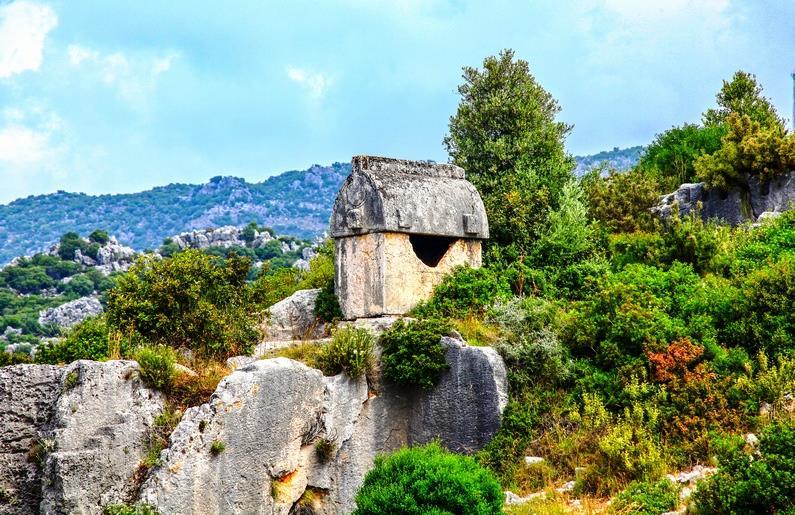
Theimiussa Ancient City
Location | Türkiye Antalya Kaş | ||||||||
|---|---|---|---|---|---|---|---|---|---|
Conservation Status | Kekova Natural and Archaeological Site | ||||||||
Theimussa Ancient City is situated on a natural harbor within the village of Üçağız, which belongs to the district of Kaş in Antalya, Türkiye. This ancient settlement lies directly opposite the Simena Castle on Kekova Island. Administratively, it has the character of a village rather than a city.
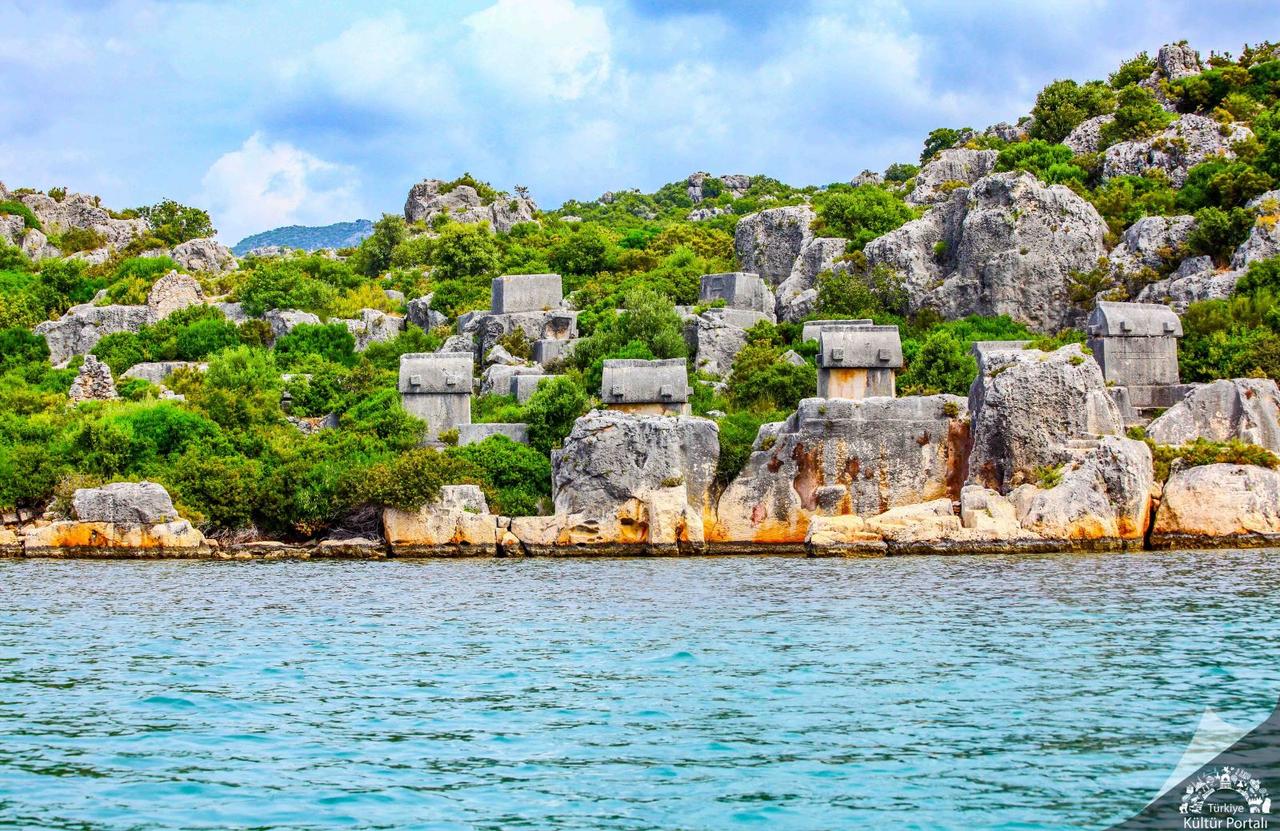
Theimussa Antik Kenti (Kültür Portalı)
According to Lycian inscriptions, the settlement at Theimussa dates back to the 4th century BCE. Access to Theimussa is possible via a road branching southward approximately 18 km from Kaş toward Antalya, or by boat from surrounding areas such as Kaş and Finike. Today, the village of Üçağız has been built directly atop Theimussa, and the area is protected as part of the Kekova Natural and Archaeological Site.
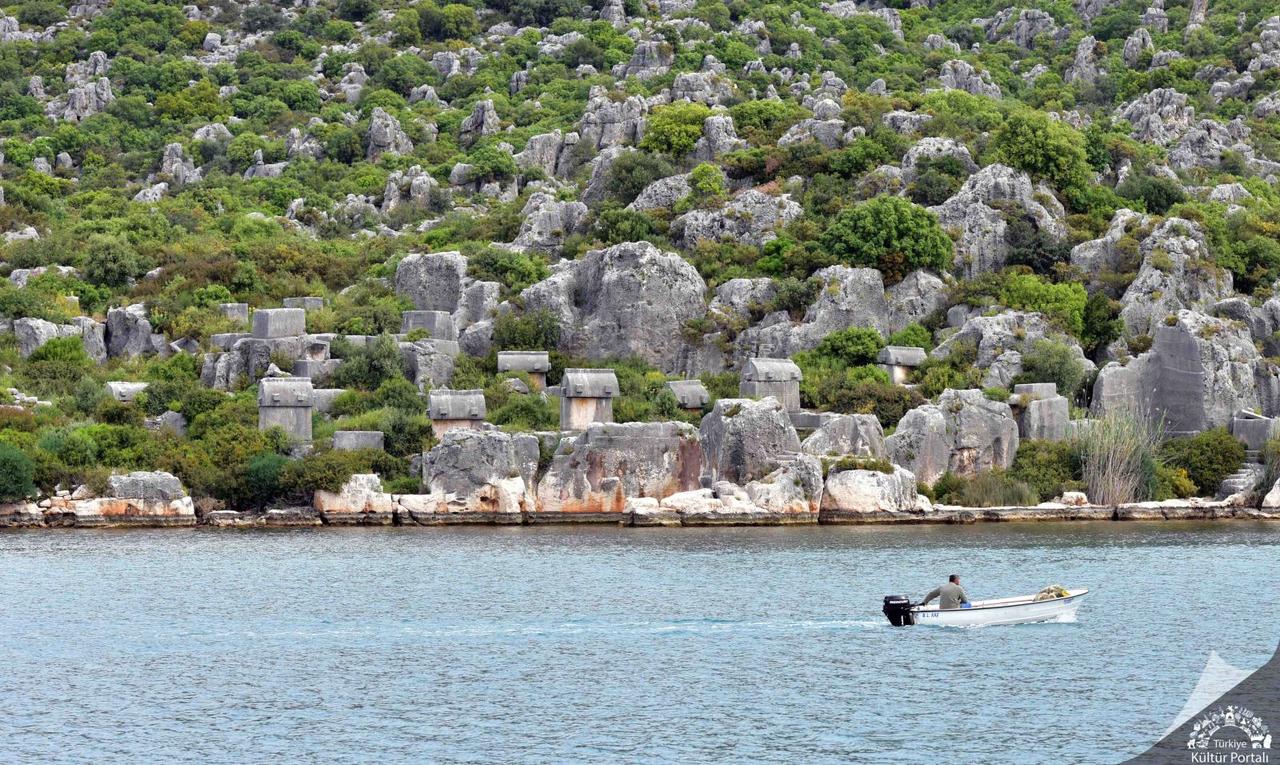
Theimussa Antik Kenti (Kültür Portalı)
The most prominent feature of Theimussa is its extensive necropolis filled with block-cut stone sarcophagi carved into the surrounding cliffs. This necropolis is believed to have served as the burial ground for the neighboring city of Simena. However, due to ancient grave robbers, not a single sarcophagus has survived to the present day with its lid intact or unbroken.
Other significant remains visible in the city include:
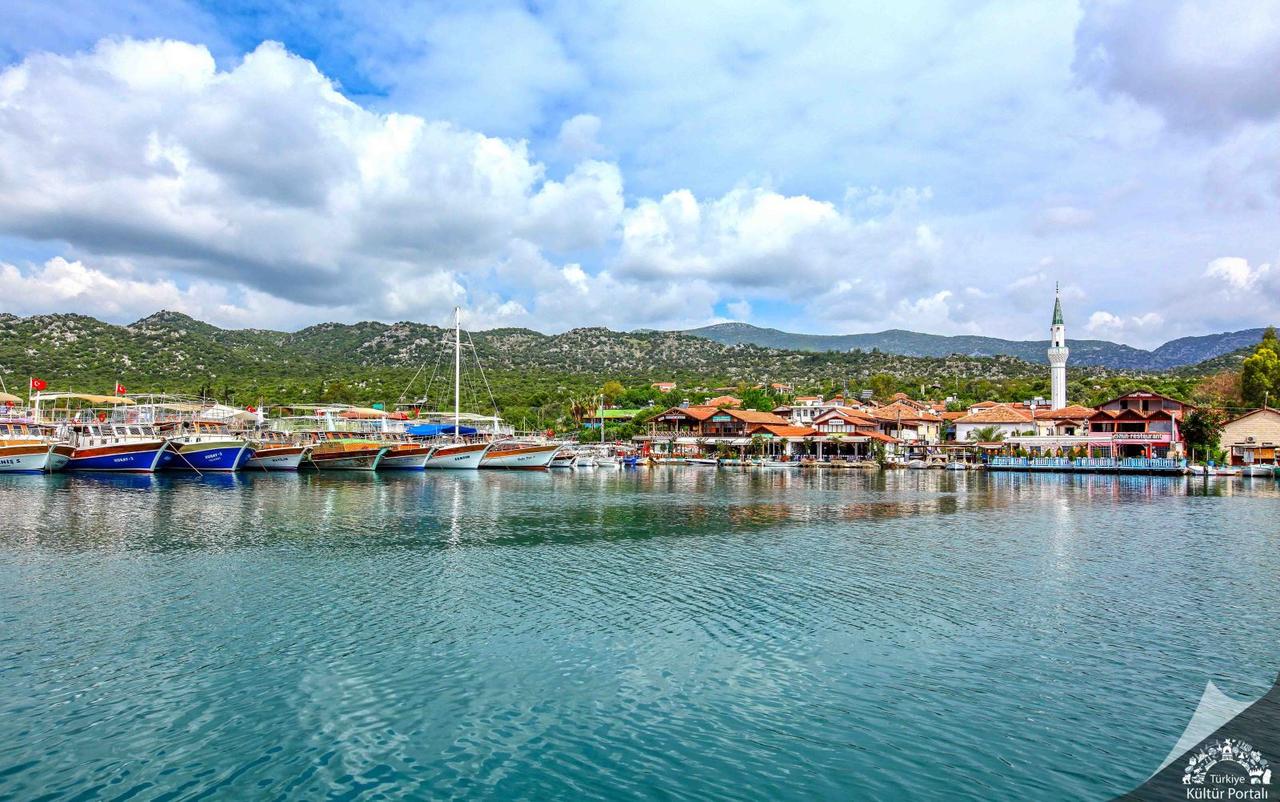
Theimussa Antik Kenti (Kültür Portalı)
Theimussa Ancient City continues to attract attention today through its historical fabric as one of the significant coastal settlements of the Lycian Civilization.
Antalya Şehir Kartları Antik Kentler. Accessed June 17, 2025.
Demirhan, M. Fatih. "Theimussa Nekropolü." T.C. Kültür ve Turizm Bakanlığı Kültür Portalı. 2006. Accessed June 17, 2025.
T.C. Ministry of Culture and Tourism, General Directorate of Information Technologies. "Teimiussa."Antalya İl Directorate of Culture and Tourism. Accessed June 17, 2025.https://antalya.ktb.gov.tr/TR-317606/teimiussa.html
Uygun, Servet, and Gülcan Acar. "Theimiussa Antik Kenti." T.C. Kültür ve Turizm Bakanlığı Kültür Portalı. Last updated April 21, 2022. Accessed June 17, 2025.https://www.kulturportali.gov.tr/turkiye/antalya/gezilecekyer/theimiussa

Theimiussa Ancient City
Location | Türkiye Antalya Kaş | ||||||||
|---|---|---|---|---|---|---|---|---|---|
Conservation Status | Kekova Natural and Archaeological Site | ||||||||
No Discussion Added Yet
Start discussion for "Theimiussa Ancient City" article
Architectural Remains and Features