This article was automatically translated from the original Turkish version.
+2 More
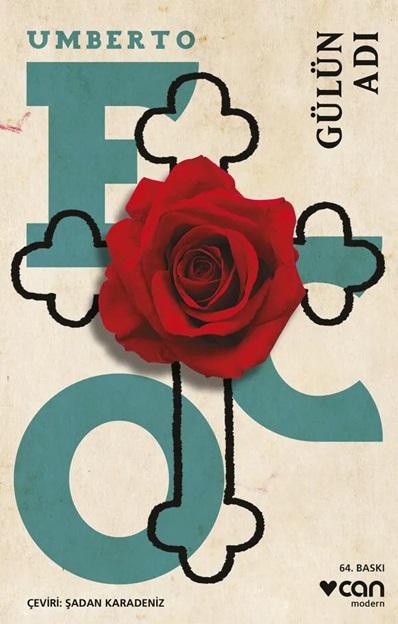
The Name of the Rose
Original Language | Italian | ||||||||
|---|---|---|---|---|---|---|---|---|---|
Original Title | The Name of the Rose | ||||||||
Type | Detective Historical Novel | ||||||||
Author | Umberto Eco | ||||||||
Translator | Şadan Karadeniz | ||||||||
First Publication Year | 1980 | ||||||||
Publisher | Can Yayınları | ||||||||
Number of Pages | 735 | ||||||||
The Name of the Rose is a historical novel written by Italian semiotician medievalist and author Umberto Eco, first published in Italy in 1980. The story is set in the first half of the 14th century (1327), during a period of political and religious crisis in Europe, when the power struggle between the Papacy and the Holy Roman Empire reached its peak. Centering on medieval Christian society monastic life and the scholastic thought of the era the novel was translated into Turkish in 1986 by Şadan Karadeniz.
The novel revolves around a series of mysterious murders that occur over seven days in November 1327 at a Benedictine monastery in northern Italy. The Franciscan friar William of Baskerville an experienced inquisitor and his young assistant Adso of Melk are tasked with uncovering the truth behind these crimes ahead of a meeting between the Emperor and the Pope. The plot is built around a detective narrative centered on forbidden books labyrinths and secret symbols within the monastery which houses the largest library in the world.
Umberto Eco adopts a multilayered interdisciplinary style characteristic of postmodern literature. The text integrates a detective narrative with historical realism theological debates philosophical analysis and semiotic interpretation. The story is presented from the perspective of the narrator Adso using the literary technique of a “found manuscript” supported by historical documents. The author dedicates extensive attention to detailed descriptions and the Latin terminology of the medieval period to evoke its authentic atmosphere.
Since its publication Umberto Eco’s novel has been recognized as a modern classic and translated into major world languages. It was awarded the Premio Strega one of Italy’s most prestigious literary prizes in 1981. In 1982 it won the Prix Médicis Étranger in France and achieved sales of over fifty million copies worldwide making it one of the most significant literary successes of the 20th century.【1】
Eco, Umberto. Gülün Adı. Translated by Şadan Karadeniz. Istanbul: Can Yayınları, 1986.
Ferrucci, Franco. “Murder in the Monastery.” *The New York Times*, June 5, 1983, Section 7, p. 1. Accessed June 18, 2026. https://www.nytimes.com/1983/06/05/books/murder-in-the-monastery.html
Şahin Yılmaz, Zennube. "Umberto Eco'nun Gülün Adı Romanında Anlatıcı ve Kurmaca Dünya." The Journal of International Social Research, Volume: 11, Issue: 55, February 2018. Accessed June 18, 2026. https://www.sosyalarastirmalar.com/articles/the-narrator-and-fictional-world-in-the-novel-the-name-of-the-rose-by-umberto-eco.pdf
[1]
Ferrucci, Franco. “Murder in the Monastery.” The New York Times, 5 June 1983 Section 7 p. 1. https://archive.nytimes.com/www.nytimes.com/books/98/12/06/specials/eco-rose.html.

The Name of the Rose
Original Language | Italian | ||||||||
|---|---|---|---|---|---|---|---|---|---|
Original Title | The Name of the Rose | ||||||||
Type | Detective Historical Novel | ||||||||
Author | Umberto Eco | ||||||||
Translator | Şadan Karadeniz | ||||||||
First Publication Year | 1980 | ||||||||
Publisher | Can Yayınları | ||||||||
Number of Pages | 735 | ||||||||
No Discussion Added Yet
Start discussion for "The Name of the Rose (Book)" article
Plot
Themes
Characters
Writing Style
Awards and Achievements