


This article was automatically translated from the original Turkish version.

In the quiet corners of homes, at the very bottom of drawers, or resting silently on a shelf, there are objects that await. Their surfaces are slightly worn, their colors faded, perhaps long since having lost their original functions. A broken clock, a notebook with yellowed pages, an old keychain, or a toy from childhood... To strangers who pass by, these items appear as mere mundane “objects.” But for us, the situation is entirely different. Every time we touch them, a quiet wave awakens somewhere within us.
What, then, are these deep meanings we attach to objects? Are they merely reflections of our inevitable longing for the past?
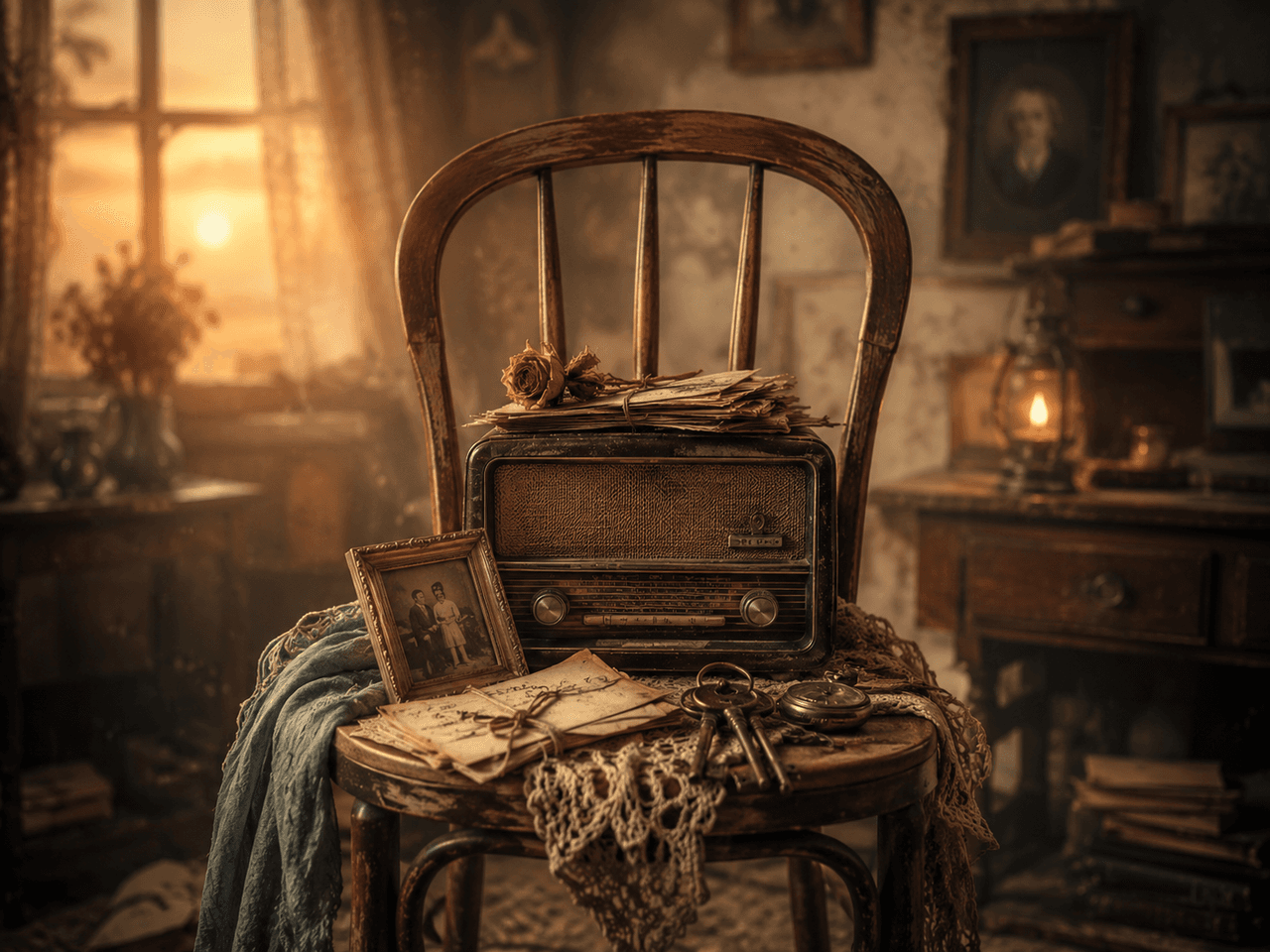
Eski Eşyalar (Yapay Zeka İle Oluşturulmuştur.)
Human beings cannot stop time, but they seek ways to fix it. Photographs accomplish this visually; objects do so tactilely. When we hold an old item in our hands, we are not merely touching wood, metal, or fabric—we are touching a moment, a feeling, a person trapped within that object.
Psychologically, objects function as external repositories of memory. They are loyal guardians preserving details our minds have forgotten or blurred. An old cup is not just for drinking coffee; it carries with it the familiar scent rising from grandmother’s kitchen and the warmth of conversations from that day. Thus, the meaning we assign to objects is measured not by their material value but by the lived experiences they contain.
Let us turn to the crucial question: Is this attachment part of our longing for the past? Yes, largely so. Nostalgia is not merely a desire to return to a chronological moment; it is a yearning for the self we were then, the feelings we experienced, and the sense of safety we felt during that era.
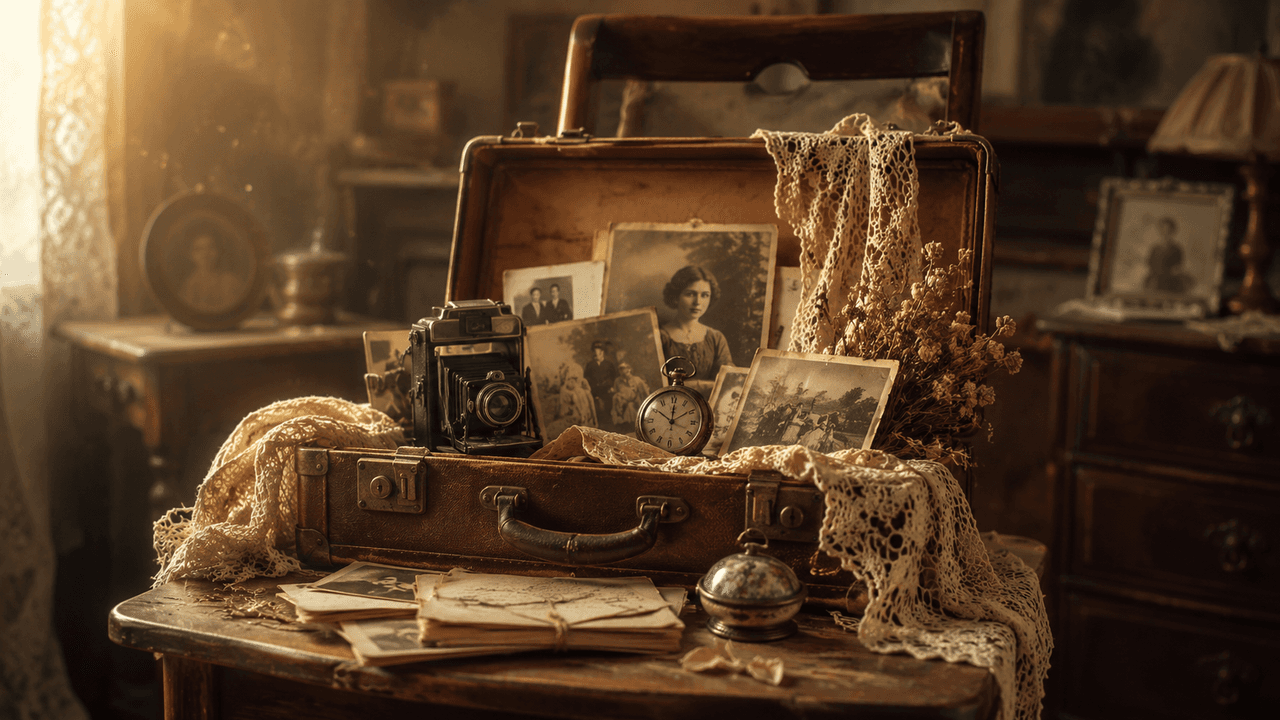
Eski Eşyalar (Yapay Zeka İle Oluşturulmuştur.)
Old objects are tangible proof of those “good old days” that have passed and will never return. As the world changes rapidly, as we grow older, and as everything around us flows away, these objects remain unchanged. In their unyielding stillness, we find continuity with the past. Holding on to these objects is, in essence, a small and innocent resistance against time’s merciless flow. Our souls, unwilling to lose the past entirely, carry it forward in the form of these things.
"What makes an object valuable is the time spent with it and the emotions shared through it."
The memory of an old object is, in fact, our own memory. The meanings we assign to them are concrete expressions of our longing for the past, our respect for lived experiences, and our search for belonging.
Look again at the old objects in your home. They are not merely crowded furnishings filling space; they are silent narrators who have drifted through time, telling your story. And as long as we continue to invest them with meaning, the past will never end—it will only change form.
Bridges Against Time
Longing: Seeking the Lost in Material Form