


This article was automatically translated from the original Turkish version.
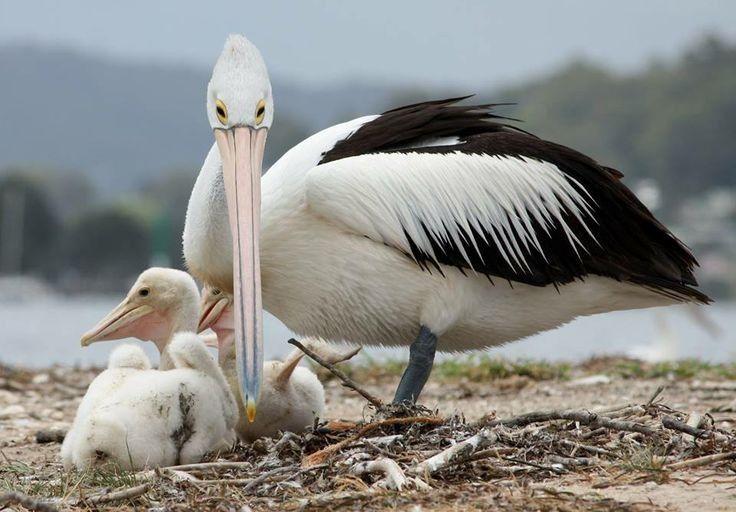
Scientific Name | Pelecanus crispus | ||||||||
|---|---|---|---|---|---|---|---|---|---|
Habitat | Europe Lakes in Asia and North Africa Wetlands and river deltas | ||||||||
Size | Length of 160-180 cm Wingspan of 270-320 cm | ||||||||
Weight | 10-15 kg | ||||||||
Characteristics | In summer it becomes whiter One of the largest pelican species in the world It has prominent feathers on its head, hence it is called 'crested' Catches its prey with its large pouch under the beak When flying, it flaps its wide wings heavily but powerfully In winter its feathers are more grayish | ||||||||
The Dalmatian pelican (Pelecanus crispus) is a species of pelican belonging to the family of large water birds and is classified as threatened. This species is found in certain regions of Europe and Asia, and is particularly observed in wetland areas such as the Kızılırmak Delta Bird Sanctuary in gibi Türkiye.
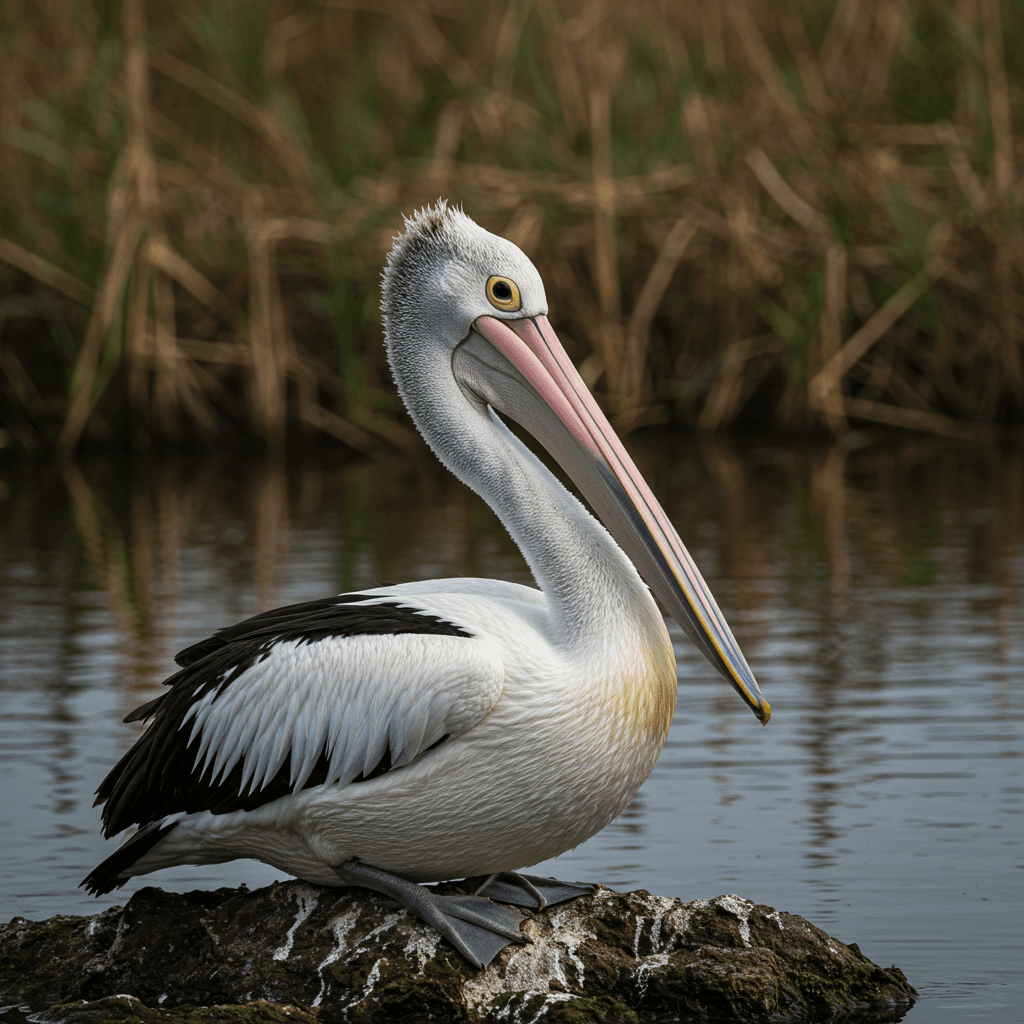
The Dalmatian pelican measures on average 160 to 180 cm in length and can reach a wingspan of up to 270 to 320 cm. Its plumage, which appears white and gray during the winter months, becomes more vibrant during the breeding season. The large pouch beneath its beak plays an important role in fishing.
Dalmatian pelicans typically inhabit freshwater lakes, marshes, and deltas. In Türkiye, the Göksu Delta, Manyas Bird Sanctuary and the Kızılırmak Delta are among the key habitats for this species.
class=\
The primary food source is fish. Dalmatian pelicans prefer to hunt in groups, using their beaks to filter fish from the water. They collect their prey from the water surface or shallow areas.
Dalmatian pelicans breed in colonies. During the breeding season, they build nests in reed beds and islands. Females lay two to three eggs, with an incubation period of approximately 30 to 35 days. Their populations are threatened by habitat loss, agricultural chemicals, and water pollution. The IUCN Red List classifies this species as Vulnerable.
International and local efforts are underway to protect the Dalmatian pelican. Measures include preserving wetlands, preventing illegal hunting, and raising awareness through public campaigns to support the survival of this species.
BirdLife International. *Pelecanus crispus* species factsheet. Accessed March 28, 2025.www.birdlife.org
IUCN Red List. *Pelecanus crispus* status. Accessed March 28, 2025.www.iucnredlist.org
Kasparek, Michael. Wetlands and Waterbirds in Turkey: A Review of Recent Developments. Wetlands International, 1992.

Scientific Name | Pelecanus crispus | ||||||||
|---|---|---|---|---|---|---|---|---|---|
Habitat | Europe Lakes in Asia and North Africa Wetlands and river deltas | ||||||||
Size | Length of 160-180 cm Wingspan of 270-320 cm | ||||||||
Weight | 10-15 kg | ||||||||
Characteristics | In summer it becomes whiter One of the largest pelican species in the world It has prominent feathers on its head, hence it is called 'crested' Catches its prey with its large pouch under the beak When flying, it flaps its wide wings heavily but powerfully In winter its feathers are more grayish | ||||||||
Physical Characteristics
Habitat and Living Areas
Feeding Habits
Breeding and Population Status
Conservation Efforts