


This article was automatically translated from the original Turkish version.
+1 More
TEKNOFEST Education Technologies Competition is one of the thematic competitions organized under the TEKNOFEST Technology Competitions, in line with Türkiye’s national technology initiative vision. The competition aims to support individuals who develop innovative solutions to promote the integration of technology in education.
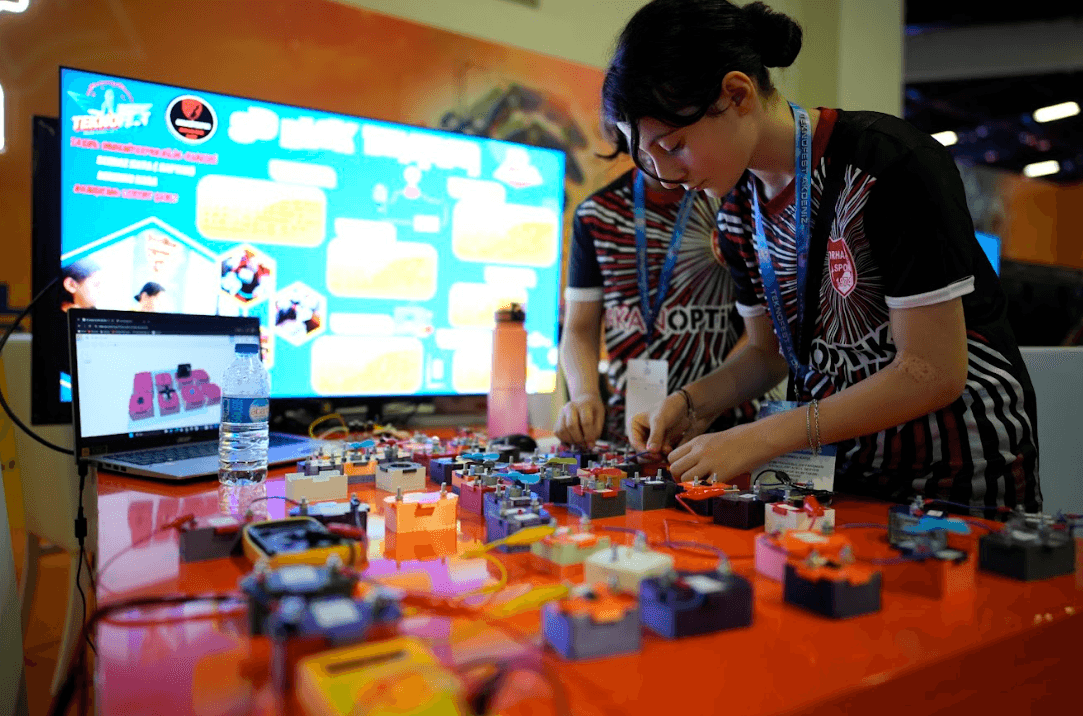
TEKNOFEST Education Technologies Competition (Photo: Akif Yusuf Ekin)
The Education Technologies Competition, within the framework of TEKNOFEST, aims to encourage individuals to combine their social responsibility awareness with technological knowledge and expertise to create projects that generate social benefit in educational processes. The primary goal of the competition is to develop local and national solutions that facilitate learning, make it more enduring, and support educational equity through the proper and effective integration of technology into formal education systems. A key priority is implementing systems that prevent disruptions to education during exceptional circumstances such as physical constraints or pandemics.
The competition anticipates the evaluation of projects under various themes related to the use of technology in education. Participants are expected to present innovative products developed through an interdisciplinary approach that make learning more efficient and enduring.
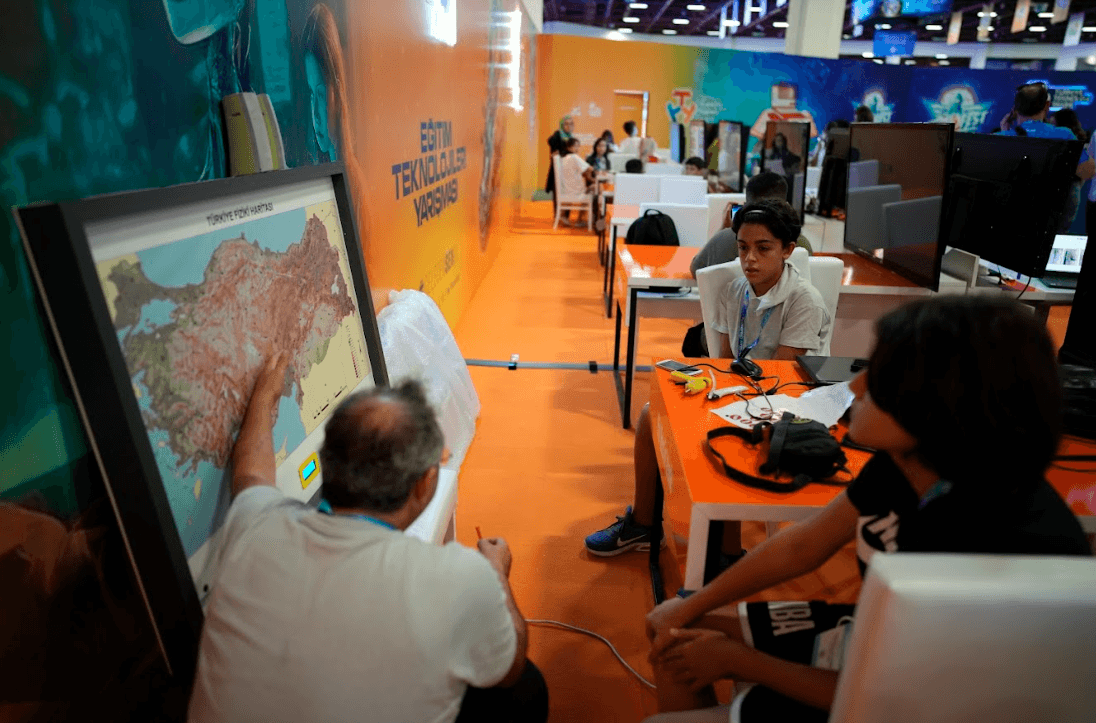
TEKNOFEST Education Technologies Competition (Photo: Akif Yusuf Ekin)
Participants in the competition may include middle school, high school (including open education), university (pre-bachelor’s, bachelor’s, master’s, doctoral) students and graduates from Türkiye and abroad. Graduates may apply individually or as part of a team representing a company or startup.
Participants are permitted to submit only one project to a single competition or category. Projects previously submitted in earlier years may be re-entered only if they have been significantly improved or transformed. Duplicate or identical projects will be disqualified. High school graduates must have completed their studies no more than three years prior to the competition. Students are required to submit proof of enrollment, while advisors must provide an official document approved by their institution. Applications must be submitted online via www.t3kys.com.
The competition evaluation process consists of three stages: Project Preliminary Evaluation Form, Project Presentation (Semi-Final), Prototype and Final Presentation Scoring.
Rapor templates required from participants are announced on the official TEKNOFEST website. Evaluation criteria include originality, feasibility, technical proficiency, benefit and social impact.
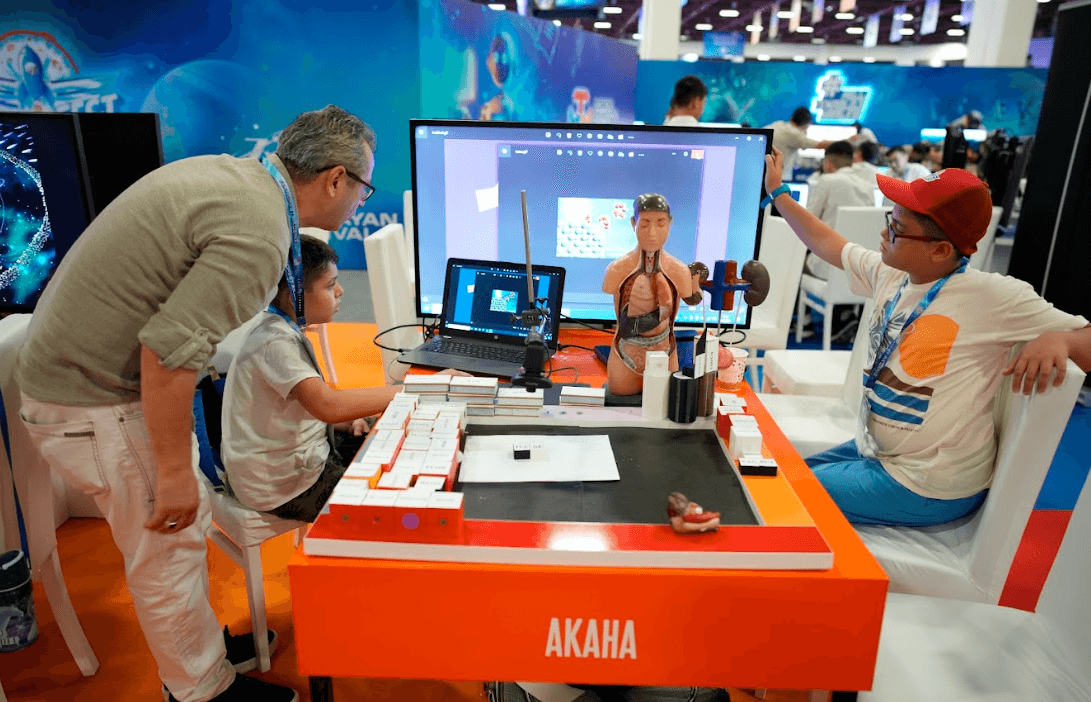
TEKNOFEST Education Technologies Competition (Photo: Akif Yusuf Ekin)
All procedures and communications during the competition are conducted through the team’s designated communication officer via the Registration and Management System (RMS). The team captain and/or advisor is responsible for all stages of the process (application, report submission, appeals, etc.). Team member changes may be made up until the final submission deadline for the online presentation. Travel and accommodation support is provided for a limited number of individuals (maximum 3 people including the advisor) from teams advancing to the final.
The TEKNOFEST Education Technologies Competition aims to transform the education system through a vision centered on individual and societal development. By connecting technological innovation with education, the competition equips participants with problem-solving, teamwork and innovation skills while contributing to Türkiye’s digital education infrastructure and National Technology Initiative.
Photographs: Akif Yusuf Ekin. "TEKNOFEST Eğitim Teknolojileri Yarışması (1-2-3)"
TEKNOFEST. "Eğitim Teknolojileri Yarışması." TEKNOFEST. Accessed April 8, 2025.https://www.teknofest.org/tr/yarismalar/egitim-teknolojileri-yarismasi/

No Discussion Added Yet
Start discussion for "TEKNOFEST Educational Technologies Competition" article
History and Objective
Scope and Thematic Areas
Education Management Systems
Data Analysis and Monitoring
New Technologies and Future Educational Approaches
Eligibility Criteria
Evaluation Process
Competition Process and Organizational Operation
Significance of the Competition