

`educational-technologies` Related Article Results

TEKNOFEST Educational Technologies Competition
TEKNOFEST The Education Technologies Competition is one of the thematic competitions organized within the scope of TEKNOFEST Technology Competitions, in alignment with Türkiye’s national technology Technology Initiative vision. The competition aims to support individuals who develop innovative solutions that promote the integration of technology in education. TEKNOFEST Education Technologies Competition (Photo: Akif Yusuf Ekin) " image-alternate="" image-element-format="right"> History and Ob
EN
Ahmet Safa Çetin
 In
InInverse Face Learning
Flipped learning (FL) is a teaching approach that reverses the structure of traditional instruction and places the learner at the center. In this model, the transmission of information is moved outside the classroom, allowing students to prepare for the topic in advance using pre-prepared instructional materials such as videos, texts, or digital content. Class time is then devoted to activities focused on higher-order thinking skills such as discussion, application, group work, and problem solvi
EN
Melahat Pamuk
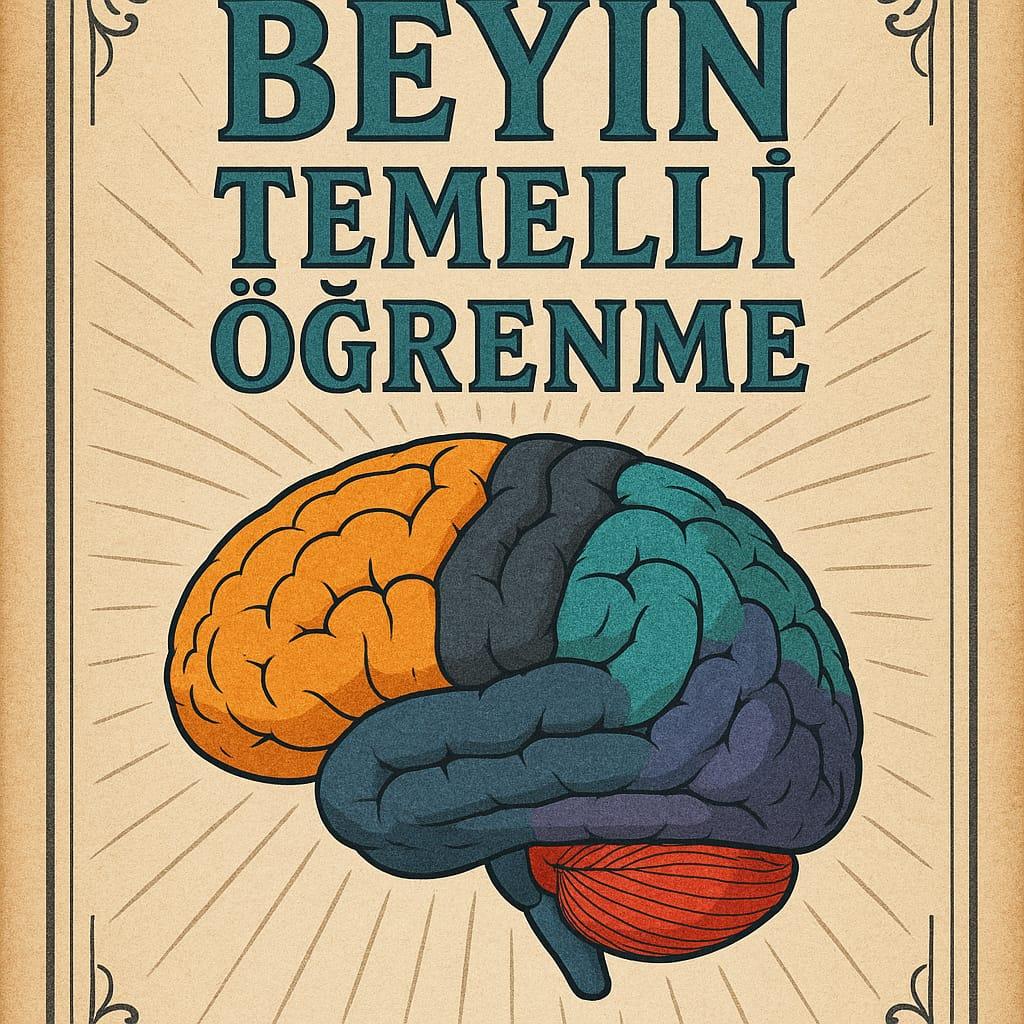
Brain-Based Learning (Caine and Caine)
Brain-based learning is a holistic approach that redefines learning and teaching processes based on the biological, chemical, and functional properties of the brain. This approach argues that education must align with the brain’s operational principles, starting from the fact that learning occurs directly through the brain. It emphasizes that learning is not merely a cognitive activity but also an emotional, physical, and social process. Brain-based learning requires instructional design that ta
EN
Sevgi Kıraç

TEKNOFEST Educational Technologies Competition
TEKNOFEST Education Technologies Competition is one of the thematic competitions organized under the TEKNOFEST Technology Competitions, in line with Türkiye’s national technology initiative vision. The competition aims to support individuals who develop innovative solutions to promote the integration of technology in education. History and Objective The Education Technologies Competition, within the framework of TEKNOFEST, aims to encourage individuals to combine their social responsibility awar
EN
Ahmet Safa Çetin

Wordwall
Wordwall, is a web-based web-based digital learning application developed to support assessment and interactive learning processes in education. Wordwall enables teachers to create interactive activities tailored to different subjects and age groups and is particularly notable for its game-based learning approach. The application aims to increase student engagement in lessons reinforce learning and diversify classroom activities for teachers. Development Process and General Features Wordwall was
EN
Berranur Öksüzömer
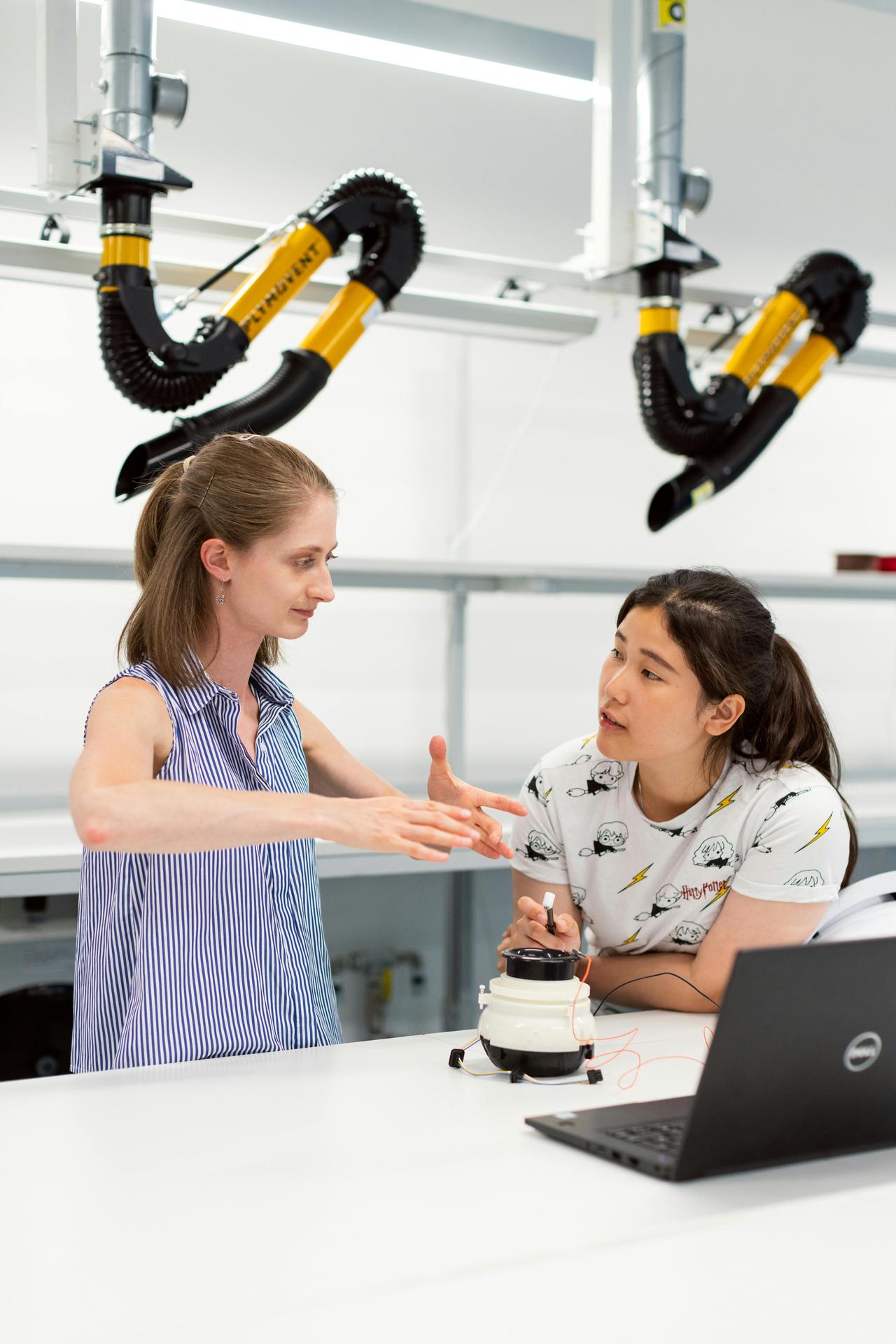
Technology in the Teaching Process
Use of Technology in Education is the systematic application of digital tools, information and communication technologies, and educational software in teaching and learning processes. Within this practice, teachers, students, and educational institutions aim to enhance educational efficiency, enrich learning processes, and support student-centered instruction. Theoretical Framework The use of technology in education is grounded in pedagogical and theoretical foundations that strengthen learning
EN
Ayşenur Dönder

Multimedia Learning
Multimedia learning refers to the learning process in which individuals construct mental representations from both verbal (words) and visual (images) presentations. This process goes beyond simply presenting information through a combination of sound and image; it involves the learner actively transforming this information into meaningful structures and transferring it to long-term memory. Historical Background Although multimedia instruction may appear to be a product of the digital age, its or
EN
Şevval Bengisu Koçer

Special GOP Şefkat Anatolian / Science High School
Özel GOP Şefkat Anadolu ve Fen Lisesi is a private secondary education institution located in the Karadeniz neighborhood of the Gaziosmanpaşa district in Istanbul. The school operates under the umbrella of Özel Şefkat Eğitim Kurumları, which is managed by the Şefkat Foundation, and offers both Anatolian High School and Science High School programs. It constitutes the high school level of a comprehensive educational structure that spans from primary to secondary education. History The foundations
EN
Ömer Said Aydın
Reha Oğuz Türkkan
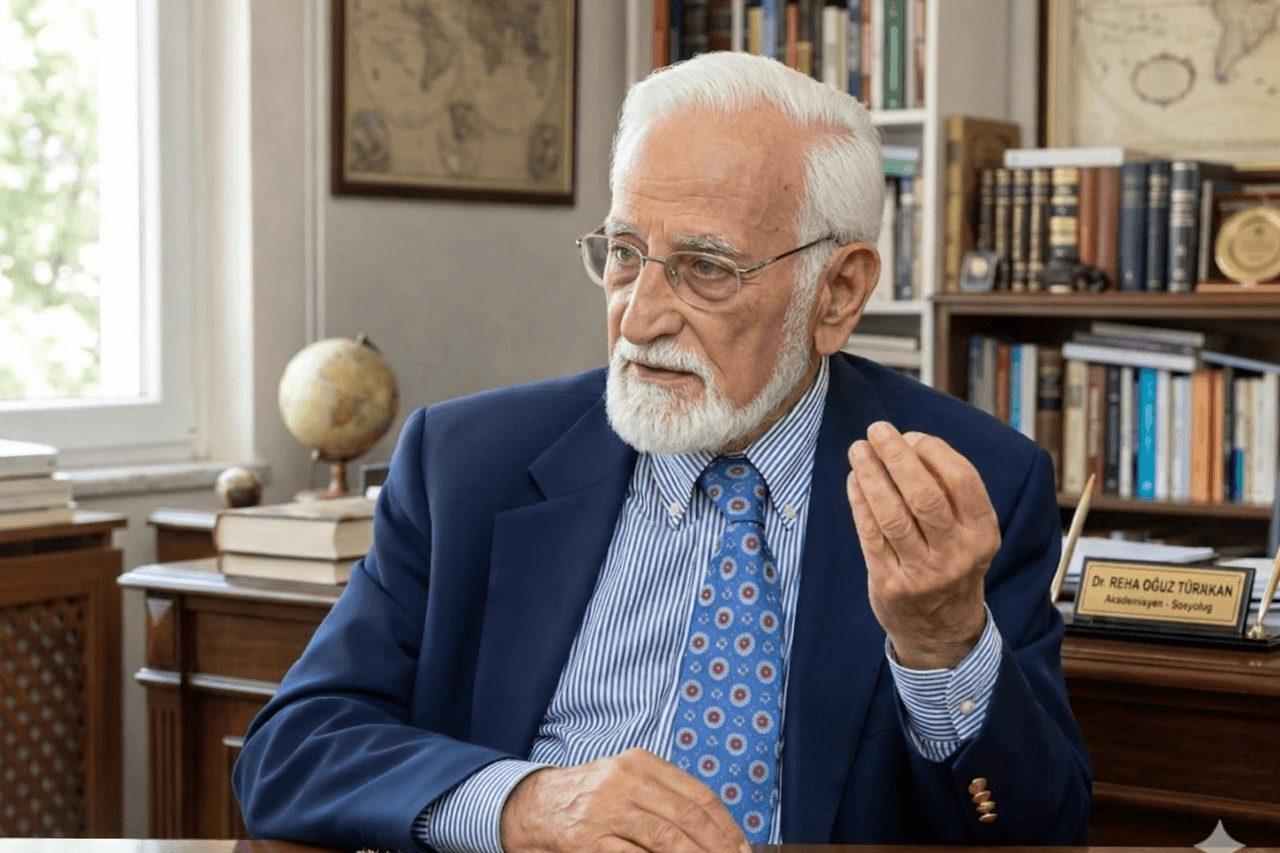
Dr. Reha Oğuz Türkkan was born on 12 October 1920 in Istanbul. He belonged to the Hacıkadızadeler family originating from Kastamonu-Taşköprü; his father was Halit Ziya Bey, the General Director of the Land Registry and Cadastre who introduced the cadastre system to Türkiye, and his mother was Saibe Hanım. Ömer Fahrettin Türkkan Pasha, known for his defense of Medina, was his father’s uncle. Childhood and the Beginning of His Education Spending part of his childhood in the villa of his uncle Ziya
EN
Talha Yıldırım

Graduated Rating Scale (Rubric)
A rubric is a systematic assessment tool that enables the evaluation of student performance against predetermined criteria and levels. In educational literature, these tools are also referred to as scoring guidelines, assessment criteria, rating scales, or evaluation scales. The key distinction between rubrics and other assessment methods such as checklists, which merely identify the presence or absence of a behavior, and traditional rating scales, is that rubrics allow for evaluation by definin
EN
Beyza Yıldız