


This article was automatically translated from the original Turkish version.
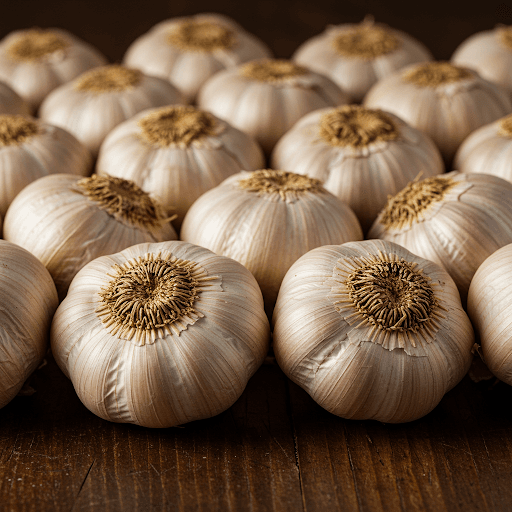
Taşköprü Sarımsağı
Scientific Name | Allium sativum | ||||||||
|---|---|---|---|---|---|---|---|---|---|
Origin | Taşköprü - Kastamonu/Türkiye | ||||||||
Geographical Indication Registration | 15 June 2010 (Turkish Patent and Trademark Office) | ||||||||
Growing Regions | Grows in the original terrestrial/microclimatic conditions of Taşköprü | ||||||||
Nutritional Value (100 g) | Energy: 149 kcal Fiber: 2.1 g Fat: 1 g Protein: 6.4 g Carbohydrates: 33 g Phosphorus Potassium Minerals: Selenium Vitamins: B1 - B6 - C | ||||||||
Taşköprü Garlic (Allium sativum), a traditional agricultural product from the Kastamonu district of Taşköprü in northwestern Türkiye, is cultivated using traditional methods and is distinguished by its strong aroma, high selenium content, and long shelf life. As one of Türkiye’s geographical indication products, Taşköprü Garlic has long been used in traditional gastronomy and medicinal practices.
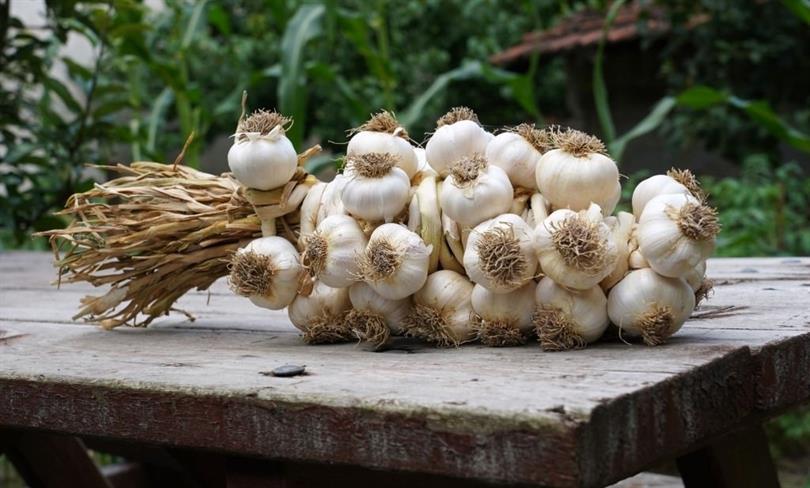
Taşköprü Sarımsağı (T.C. Tarım ve Orman Bakanlığı Kastamonu İl Tarım ve Orman Müdürlüğü)
Taşköprü Garlic is one of the plants with a long history in Anatolia in terms of agricultural production and medicinal use. The presence of garlic in Anatolian soils dates back to prehistoric times, particularly to the Mesopotamian and Ancient Hittite periods, with evidence of its use for medical and religious purposes. Garlic cultivation in Anatolia developed from ancient times and exhibited regional diversity.
The reputation of Taşköprü Garlic gained widespread recognition especially during the Ottoman Empire. Ottoman archives contain records indicating its use in both folk cuisine and folk medicine. Garlic was consumed intensively during the Ottoman period due to the belief that it strengthened the immune system and was beneficial for various ailments.
Efforts to preserve the geographical identity of Taşköprü Garlic in the modern sense began toward the end of the 20th century. In 2009, following an application by the Taşköprü Municipality, a geographical indication registration process was initiated with the Turkish Patent and Trademark Office. The registration process was completed on 15 June 2010, and Taşköprü Garlic became one of Türkiye’s official geographical indication products.
Taşköprü Garlic is cultivated in the Taşköprü district of Kastamonu province, from which it derives its name. This product holds a significant position in Türkiye’s garlic production both in terms of quality and yield. The Taşköprü district possesses ideal natural conditions for garlic cultivation, characterized by calcareous and permeable soils. Active garlic production occurs in 96 of the 126 villages in the district. This highlights that nearly the entire Taşköprü district relies on a rural economy based on garlic farming. The majority of garlic produced in Kastamonu is grown within the boundaries of Taşköprü, accounting for approximately 22% of Türkiye’s total dry garlic production.
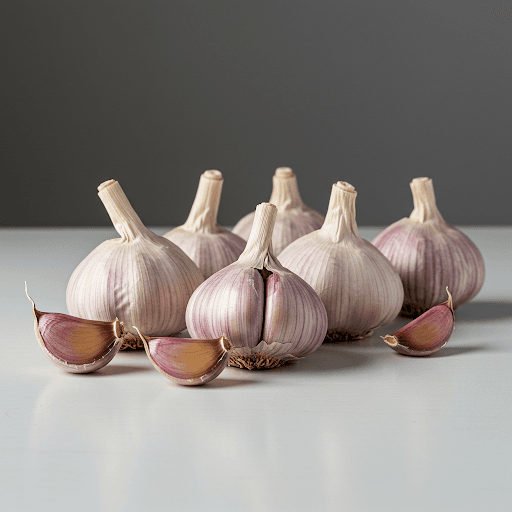
Taşköprü Sarımsağı (Yapay zeka ile oluşturulmuştur.)
Taşköprü Garlic achieves high yields in slightly acidic and calcareous soils. The pH of agricultural lands in the region ranges between 6.5 and 7.5. The soil structure is well-drained, permeable, and balanced in organic matter. Moreover, Taşköprü soils contain high levels of selenium. This mineral richness directly contributes to the garlic’s significantly higher selenium content compared to other garlic varieties. The stony and loose terrain supports the development of large, uniform garlic cloves.
The Taşköprü district experiences a continental climate but also receives mild humid influences from the Black Sea climate. Summers are hot and dry, while winters are cold and rainy. The garlic plant prefers moderate temperatures during its growth phase and warm, dry conditions during maturation and harvest. This climate pattern is one of the key factors contributing to the intense aroma and high dry matter content of Taşköprü Garlic. Particularly, low humidity and high temperatures during summer facilitate natural drying of the crop, enabling long-term preservation without artificial intervention.
Taşköprü Garlic holds an important place in both traditional nutrition and medicinal applications due to its rich nutritional composition. Its high selenium content is one of its most distinctive features compared to other garlic varieties. Analyses have shown that Taşköprü Garlic contains an average of 6,488 mg/kg selenium on a dry matter basis. Selenium is an essential trace element that plays a vital role in strengthening the immune system, supporting antioxidant defense, and regulating thyroid hormone metabolism. Consequently, Taşköprü Garlic stands out as a valuable food source for individuals seeking to support immune system health.
Taşköprü Garlic also contains high levels of sulfur compounds, particularly allicin. Scientific studies have demonstrated that these compounds possess antibacterial, antifungal, and antiviral properties. Regular garlic consumption is known to contribute to the regulation of blood pressure, reduction of cholesterol levels, and protection against certain types of cancer.
Paatent. "Taşköprü Sarımsağı Başarı Hikâyesi." Paatent.com. Accessed April 14, 2025.https://paatent.com/taskopru-sarimsagi-basari-hikayesi
T.C. Ministry of Agriculture and Forestry. "TAŞKÖPRÜ SARIMSAĞI AVRUPA BİRLİĞİ COĞRAFİ İŞARETLİ ÜRÜNLER ARASINA GİRDİ." Accessed April 28, 2025.https://kastamonu.tarimorman.gov.tr/Haber/1564/Taskopru-Sarimsagi-Avrupa-Birligi-Cografi-Isaretli-Urunler-Arasina-Girdi
Taban, Süleyman, Murat Ali Turan, Satı Mehmet Sezer, and Nilüfer Türkmen. “Kastamonu Taşköprü Yöresinde Yetiştirilen Sarımsak Bitkisinin Selenyum İçerikleri Ve Bazı Toprak Özellikleri Arasındaki İlişkiler.” Uludağ Üniversitesi Ziraat Fakültesi Dergisi 27, no. 1 (April 2013): 39–48.https://dergipark.org.tr/tr/download/article-file/154179
Çami Oğuz. "Gastronomi Turizmi Kapsamında Taşköprü Sarımsağı’nın Değerlendirilmesi." *Turizm Çalışmaları Dergisi* 5, no. 1 (2023): 27–40.https://dergipark.org.tr/tr/download/article-file/3381730
İbret, Bülent. “TÜRKİYE’DEKİ SARIMSAK TARIMI VE TAŞKÖPRÜ SARIMSAĞI ÜZERİNE COĞRAFİ AÇIDAN BİR İNCELEME”. Marmara Coğrafya Dergisi, no. 12 (October 2013): 17–50.https://dergipark.org.tr/tr/pub/marucog/issue/459/3679

Taşköprü Sarımsağı
Scientific Name | Allium sativum | ||||||||
|---|---|---|---|---|---|---|---|---|---|
Origin | Taşköprü - Kastamonu/Türkiye | ||||||||
Geographical Indication Registration | 15 June 2010 (Turkish Patent and Trademark Office) | ||||||||
Growing Regions | Grows in the original terrestrial/microclimatic conditions of Taşköprü | ||||||||
Nutritional Value (100 g) | Energy: 149 kcal Fiber: 2.1 g Fat: 1 g Protein: 6.4 g Carbohydrates: 33 g Phosphorus Potassium Minerals: Selenium Vitamins: B1 - B6 - C | ||||||||
History
Cultivation Areas
Soil and Climate Characteristics
Nutritional Value and Benefits