


This article was automatically translated from the original Turkish version.
Amin Maalouf’s novel Tanios Kayası, published in 1993, was awarded that same year the prestigious Goncourt Prize of France. The novel is set in the 19th century in Lebanon, then under Ottoman rule, in the village of Kfaryabda. The work presents a narrative that intertwines historical events with the search for personal identity. Maalouf masterfully explores themes such as power struggles, betrayal, belonging and the fate of the individual. Inspired by a historical event, the story reflects the rich cultural texture and social structure of the Eastern Mediterranean region, revealing both individual and collective transformations.
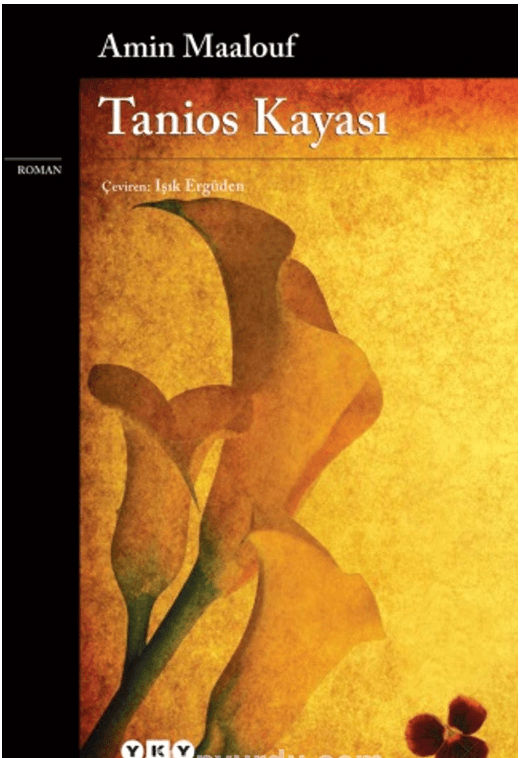
Tanios Kayası
The novel opens with the birth of the protagonist Tanios. In the village of Kfaryabda, Tanios’s origins and identity become a constant subject of debate within the community. Raised under the protection of the local priest Taniyus, one of the village’s most influential figures, Tanios is deeply affected by the beauty and presence of his mother Lamia, who leaves a profound impression on many villagers. In this section, Maalouf examines the bonds between the individual and his geographical and social environment, and the impact of social structures on personal identity.
The village of Kfaryabda is not merely the setting for Tanios’s story but also the center of social conflicts and power struggles. Tensions between local lords, Ottoman authorities and the common people shape daily life in the village. These conflicts directly influence Tanios’s life and compel him to question his own identity, his family and his society.
One of the novel’s most critical turning points occurs when Tanios is forced into exile following a murder in his village. This exile triggers an inner journey for him. In this section, Maalouf delves deeply into the individual’s reckoning with himself and his past, the concept of belonging, and the emotional consequences of alienation from society.
Tanios’s life is intricately woven into the political and social transformations of the late 19th-century Ottoman Empire. The influence of local lords, religious leaders and foreign powers on the region forms one of the key themes enriched by Maalouf’s historical depth. The cultural and political atmosphere of the Eastern Mediterranean under Ottoman control provides a powerful backdrop for the novel.
The Tanios Kayası, after which the novel is named, serves as both the physical and symbolic center of the story. The tragic event that unfolds on the rock determines Tanios’s fate and becomes a symbol of his personal transformation. In this section, Maalouf explores the individual’s confrontation with destiny and his relationship with society.
Identity and belonging, central themes of the novel, are examined through Tanios’s origins and his connection to society. Tanios questions what belonging means on both personal and social levels. Through this theme, Maalouf provides a profound analysis of the individual’s conflict with social norms and expectations.
Amin Maalouf. Tanios Kayası. Translator: Esin Talu Çelikkan, Yapı Kredi Yayınları, 2020

Content of the Book
Tanios’s Birth and the Symbolic Structure of the Village
Social Conflicts and Power Dynamics
Betrayal and Exile
Ottoman Domination and Historical Context
The Symbolic Meaning of Tanios Kayası
The Search for Identity and Belonging