

`ottoman-empire` Related Article Results
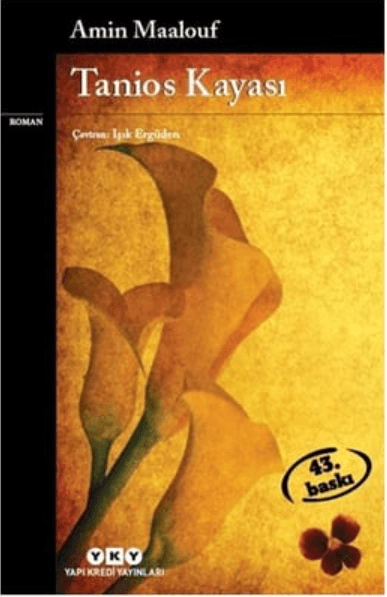
Tanios Rock (Book)
Amin Maalouf’s novel *Tanios the Rock* was published in 1993 and that same year was awarded the prestigious Goncourt Prize by France. Roman is set in the 19th century in Lebanon, under the dominion of the Ottoman Empire, in the village of Kfaryabda, a village. Work features a narrative that intertwines personal identity quests with historical events. Maalouf masterfully explores themes of power conflict, betrayal, affiliation and the individual’s fate in the novel. Inspired by a historical event
EN
Ahsen Karakaş
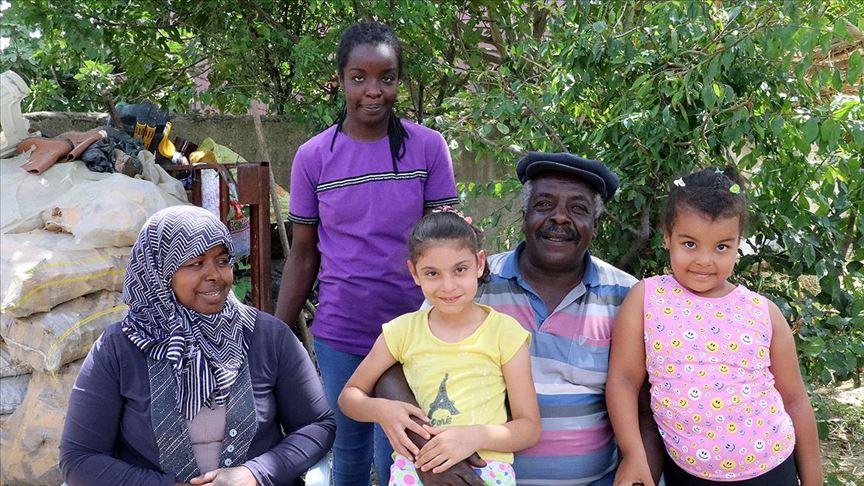
Afro-Turks
Afro-Turks are the descendants of Africans who arrived in Anatolia, the Balkans, and the Aegean Islands during the Ottoman Empire. This community uses the term "Afro-Turk" to reference their African ancestry. Afro-Turks carry not only the ethnic or geographic origins of their ancestors but also the traces of social, cultural, and political experiences from various historical periods and regions. Historical Background Throughout the approximately 600-year existence of the Ottoman Empire, populati
EN
Nursena Şahin
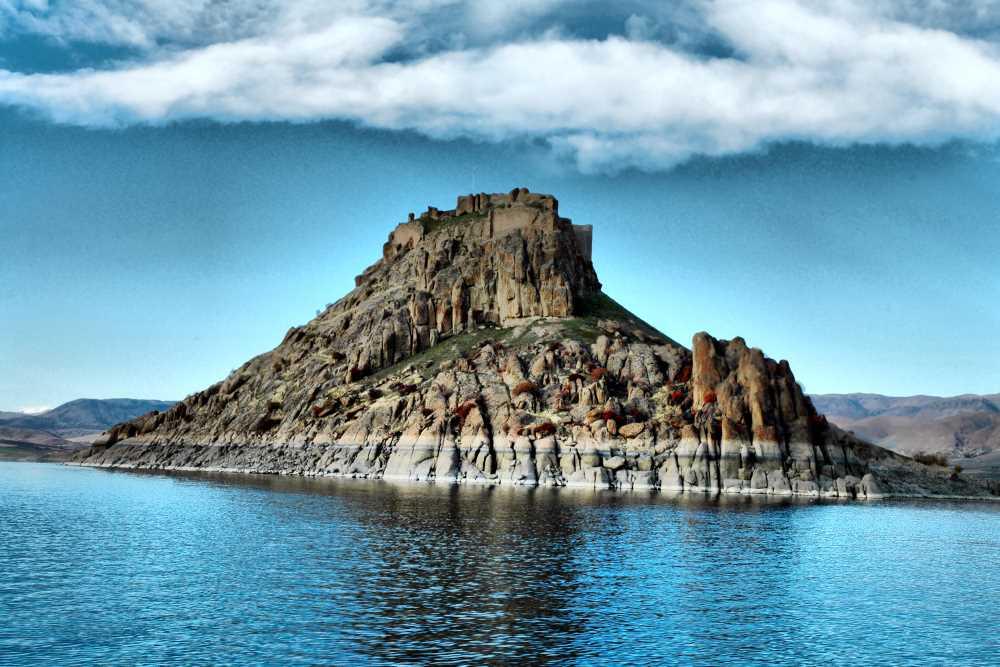
Tunceli (Province)
Tunceli is a province located in the Eastern Anatolia Region of Türkiye, within the Upper Euphrates Section. Surrounded by the Munzur Mountains to the north and west, the Bingöl Mountains and Peri River to the east, and the Keban Dam Lake to the south, Tunceli stands out for its rich historical heritage and unique geographical structure. Settlement in the region dates back to the Chalcolithic period and throughout history it has been under the rule of numerous civilizations including the Hittite
EN
Mehmet Salih Çoban
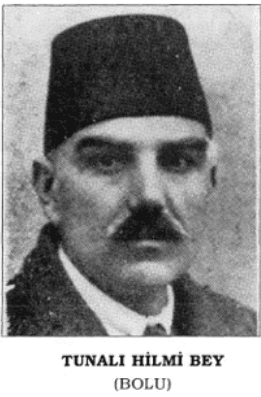
Abdullah Hilmi Tunalı (Tunalı Hilmi Bey)
Abdullah Hilmi Tunalı, known as Tunalı Hilmi Bey, gained prominence during the transition from the late Ottoman Empire to the early years of the Republic through his political and social activities. Born on 28 August 1871 in the town of Eski Cuma (Targovişte) in Bulgaria, then part of the Ottoman territories, Tunalı Hilmi migrated with his family to Istanbul after the 1877–78 Russo-Turkish War, began his education in Üsküdar, and became involved in political activities by joining the Young Turk
EN
Yunus Emre Sağlam
 Bi
BiBilecik Museum
Bilecik Museum is an archaeology and ethnography museum located in the city center of Bilecik, Türkiye. Housed in a historical building, the museum has served various public functions in the past and now operates under the Ministry of Culture and Tourism. The structure is notable for its architectural history and functional transformation, and it hosts collections that reflect the cultural heritage of the region. History The building that houses the museum was originally constructed in 1794 as a
EN
Meltem Saraç

İzmit Simit
The İzmit simit is a traditional pastry produced in the İzmit district of Turkey's Kocaeli province. It is distinguished from other types of simit by its unique local production method, texture, flavor, and appearance. Although it is commonly consumed as a breakfast item, it is also enjoyed as a snack at any time of the day. As an important element of the local cuisine, İzmit simit is considered both a gastronomic and sociocultural symbol. Registration Process and Protection An application for t
EN
Sümeyye Akkanat Terzioğlu
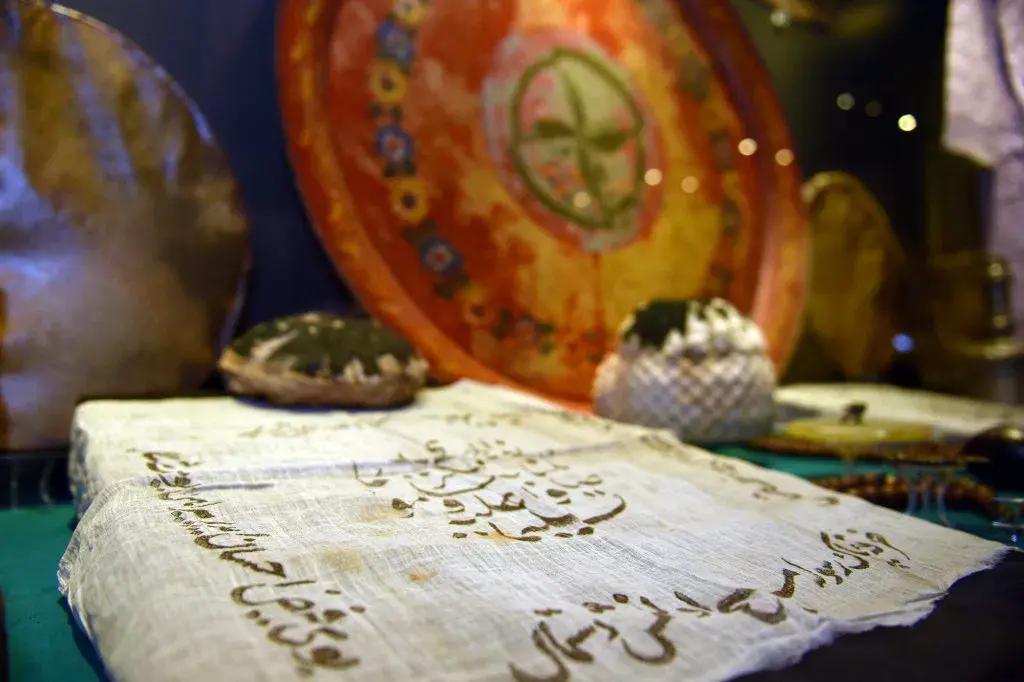
Destimâl-i Şerif
Destimâl-i Şerif is a ceremonial cloth made of silk fabric that held a significant place in the Ottoman court protocol, particularly within the tradition of sacred relics. It was used to carry or make contact with the Sakal-ı Şerif—the revered beard hair of the Prophet Muhammad (peace be upon him). The term derives from Arabic, combining “dest” (hand) and “mâl” (cover or cloth), and can be interpreted as “the sacred cloth held by the hand.” Destimâl-i Şerif also served an intermediary role durin
ENSümeyye Akkanat Terzioğlu
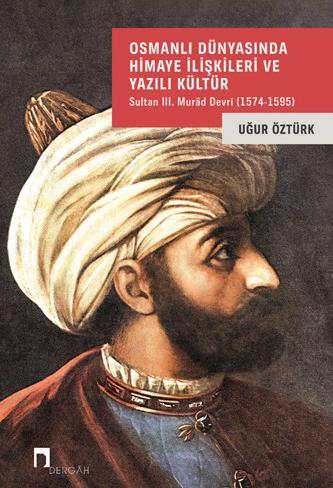
Patronage Relations and Written Culture in the Ottoman World (Book)
Patronage Relations and Written Culture in the Ottoman World (Osmanlı Dünyasında Himaye İlişkileri ve Yazılı Kültür), authored by Uğur Öztürk, is a comprehensive historical and literary study focusing on the influence of patronage mechanisms on written culture during the reign of Sultan Murad III (1574–1595). The work was published in July 2024 as part of Dergâh Publications' Turkish Literature – Study series and is 560 pages long. Subject The work is structured around four main sections: The li
EN
Muhammed Samed Acar
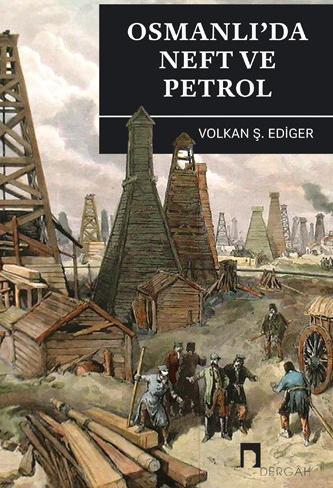
Oil and Naphtha in the Ottoman Empire (Book)
Oil and Naphtha in the Ottoman Empire (Osmanlı’da Neft ve Petrol) is a research work authored by Volkan Ş. Ediger documents the historical processes related to the discovery, licensing, and operation of oil and naphtha resources within the territories of the Ottoman Empire. The first edition was published in 2005 by the METU Development Foundation, with a new printing released in May 2022 by Dergâh Publications as part of its History Series, number 102. Content and Thematic Structure The work’s
ENMuhammed Samed Acar
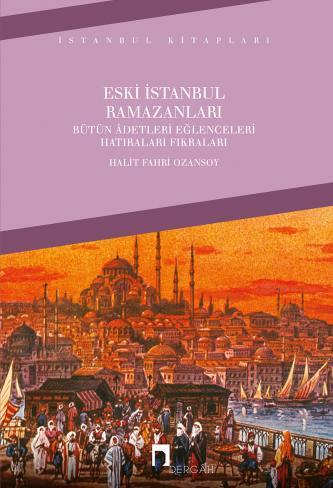
Ramadans of Old Istanbul (Book)
Old Istanbul Ramadans (Eski İstanbul Ramazanları) is a work of a memoiristic and social-historical nature, authored by Halit Fahri Ozansoy (1891-1971), one of the prominent poets and writers of the Fecr-i Âtî and Beş Hececiler (The Five Syllabists) periods. Published by Dergâh Publications as part of its "Anatolia Library" series, the book conveys in detail the Ramadan atmosphere, traditions, and social life of Istanbul in the final periods of the Ottoman Empire and the early years of the Republ
ENMuhammed Samed Acar