


This article was automatically translated from the original Turkish version.
Sustainable architecture is a design approach that aims to preserve natural resources, reduce environmental impacts, and enhance human health and quality of life through environmentally harmonious and long-term solutions. This understanding encompasses the entire lifecycle of buildings, from design to post-demolition recycling, and includes practices such as energy efficiency, use of renewable resources, water conservation, and selection of environmentally friendly materials. Furthermore, it seeks to create healthy, accessible, and inclusive living spaces by making design decisions that align with environmental factors such as climate and topography, thereby supporting social well-being and economic sustainability.
Sustainable architecture is not merely an approach limited to achieving energy savings or using environmentally friendly materials; it is a holistic design philosophy that addresses environmental, economic, and social dimensions across the entire lifecycle of buildings—from design and construction to use and demolition. The core of this approach lies in minimizing environmental impacts during all phases of a building’s existence and ensuring the efficient and balanced use of natural resources. In this context, the foundation lies in developing durable and reversible structural solutions that consider ecological balance from the earliest stages of the design process.
Effective use of renewable energy sources, implementation of passive and active design strategies to reduce energy consumption, integration of systems that enhance water efficiency, and natural climate control solutions are indispensable components of sustainable design. When evaluating the environmental impact of building materials—from their production to the end of their useful life—it is essential to prioritize materials with a low carbon footprint, sourced locally, recyclable, and free of harmful substances that compromise human health.
Moreover, sustainable architecture does not only emphasize environmental sensitivity but also prioritizes social responsibility. Providing healthy, safe, and accessible living environments that respond to the physical, psychological, and social needs of building users is an integral part of social sustainability. Designing spaces to be inclusive and equitable for all people directly contributes to social equality and improved quality of life. Through this approach, sustainable architecture has emerged as a contemporary design philosophy that seeks to restore the balance between humans and nature and to leave future generations with a livable environment.
The concept of sustainability entered the field of architecture particularly in the 1970s, driven by rapidly increasing environmental pollution, excessive use of fossil fuels, and global energy crises. During this period, the accelerating degradation of the environment and depletion of resources created fertile ground for new inquiries and solution-oriented approaches within the construction sector.
The 1987 Brundtland Report (Our Common Future) defined the concept of sustainable development internationally as “meeting the needs of the present without compromising the ability of future generations to meet their own needs.” This definition revealed that sustainability is not merely an environmental issue but a multidimensional approach encompassing economic development and social well-being.
In Türkiye, traditional architecture offers a valuable legacy in terms of sustainability. Traditional buildings across Anatolia, adapted to diverse climatic and geographical conditions, provide historical examples of design principles that minimize environmental impact and utilize resources efficiently. Particularly, the houses of Safranbolu were constructed using local and sustainable materials such as natural stone and wood, and incorporated passive energy strategies like natural ventilation and daylight utilization to achieve environmentally harmonious solutions. These structures serve as significant examples of sustainability, both in terms of climate-responsive design and preservation of cultural identity.
This accumulated knowledge and experience from the past, when combined with modern construction technologies, contribute to the design of structures that are more sensitive to environmental, economic, and social considerations.
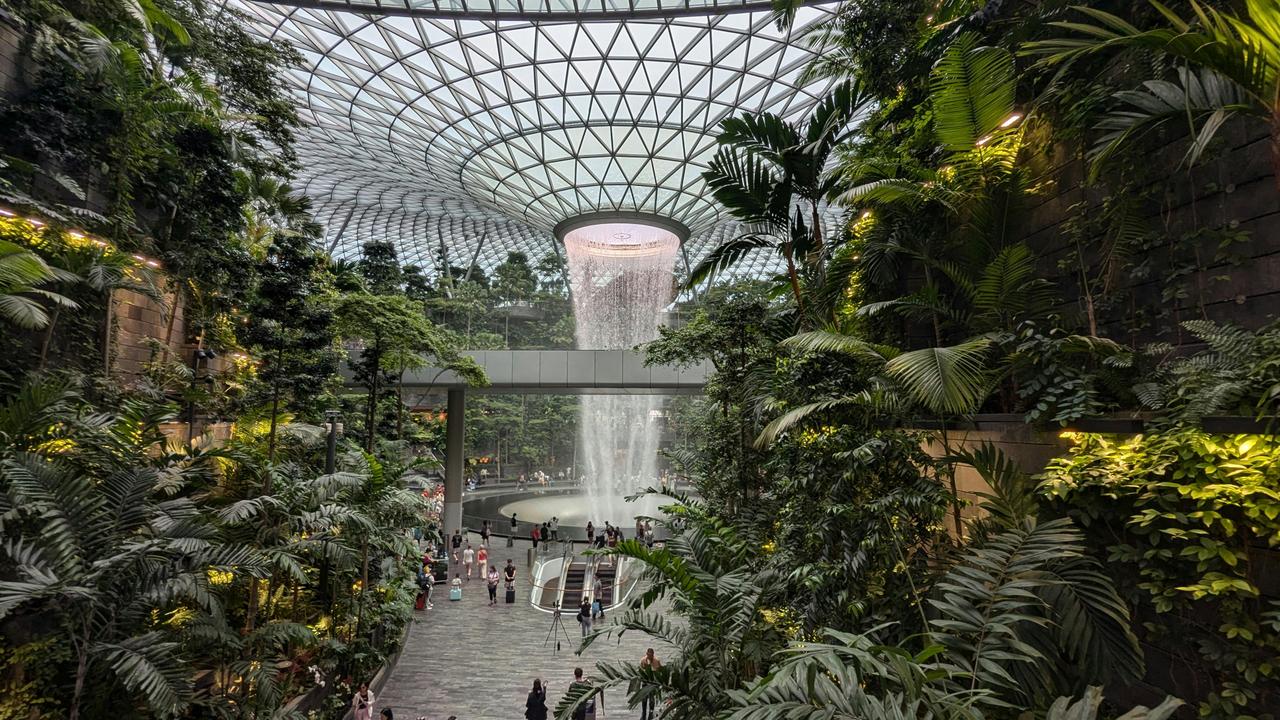
Mimaride Sürdürülebilirlik (Pexels)
Energy efficiency is one of the most fundamental principles of sustainable design, aiming to reduce energy consumption from the design phase through the building’s operational life. In this regard, passive design strategies take center stage. Positioning buildings in accordance with climate and orientation analyses, and maximizing the use of natural ventilation and daylight, significantly lowers energy demand. Shading elements, high-performance insulation systems, and details that prevent thermal bridging minimize energy losses and reduce heating and cooling requirements.
In terms of active systems, the use of renewable energy sources is paramount. Solutions such as solar energy panels, wind turbines, and geothermal energy systems offer environmentally friendly and sustainable options for meeting building energy needs. Additionally, integrating high-efficiency lighting systems, energy-efficient appliances, and automation technologies enables control over energy consumption and reduces carbon emissions.
Material selection is another critical dimension of sustainable design that directly influences environmental impacts. The environmental effects of materials throughout their lifecycle—including production, transportation, application, and use—must be taken into account. Accordingly, materials with a low carbon footprint, sourced locally, durable, and recyclable should be preferred.
Renewable and natural materials such as wood offer environmental advantages and positively contribute to indoor air quality. Moreover, the use of alternatives such as recycled glass, metal, and plastic reduces waste volume and alleviates environmental burden. During application, materials free of harmful chemicals and toxic components must be used to create healthy indoor environments.
The rapid depletion of water resources and the adverse effects of climate change on the water cycle have made water management an indispensable component of sustainable design. Rainwater harvesting and storage systems in buildings provide both environmental and economic benefits. Collected rainwater can be used for landscape irrigation, reservoir systems, and cleaning purposes.
Greywater systems enable the treatment and reuse of lightly contaminated water from kitchens, bathrooms, and sinks. Additionally, water-efficient fixtures such as low-flow faucets, water-saving toilets, and urinals play an effective role in minimizing water consumption. These practices not only reduce water use but also contribute to energy savings, further lowering environmental impact.
Reducing and managing waste generated throughout the entire lifecycle of a building is of great importance in sustainable design. During construction, detailed solutions that prevent material waste and the use of prefabricated elements significantly reduce waste volume. During demolition, the separation and reuse of recyclable and reusable materials reduce waste burden and limit the consumption of natural resources.
Furthermore, selecting flexible and modular systems during the design phase facilitates the adaptation of buildings to changing needs, reducing the need for premature demolition and reconstruction. As a result, buildings become more durable and sustainable.
One of the primary goals of sustainable design is to ensure that buildings are in harmony with their natural surroundings. This means avoiding harm to local ecosystems, integrating with the natural terrain without disrupting it, and incorporating measures in design that protect biodiversity.
In site planning, topography and natural landscape features must be respected; design should be structured to maximize benefits from natural airflows, daylight, and local climatic conditions. Additionally, landscape designs that incorporate native vegetation reduce water consumption while preserving natural habitats. This approach limits the negative impact of the built environment on ecosystems and contributes to the continuity of natural resources.
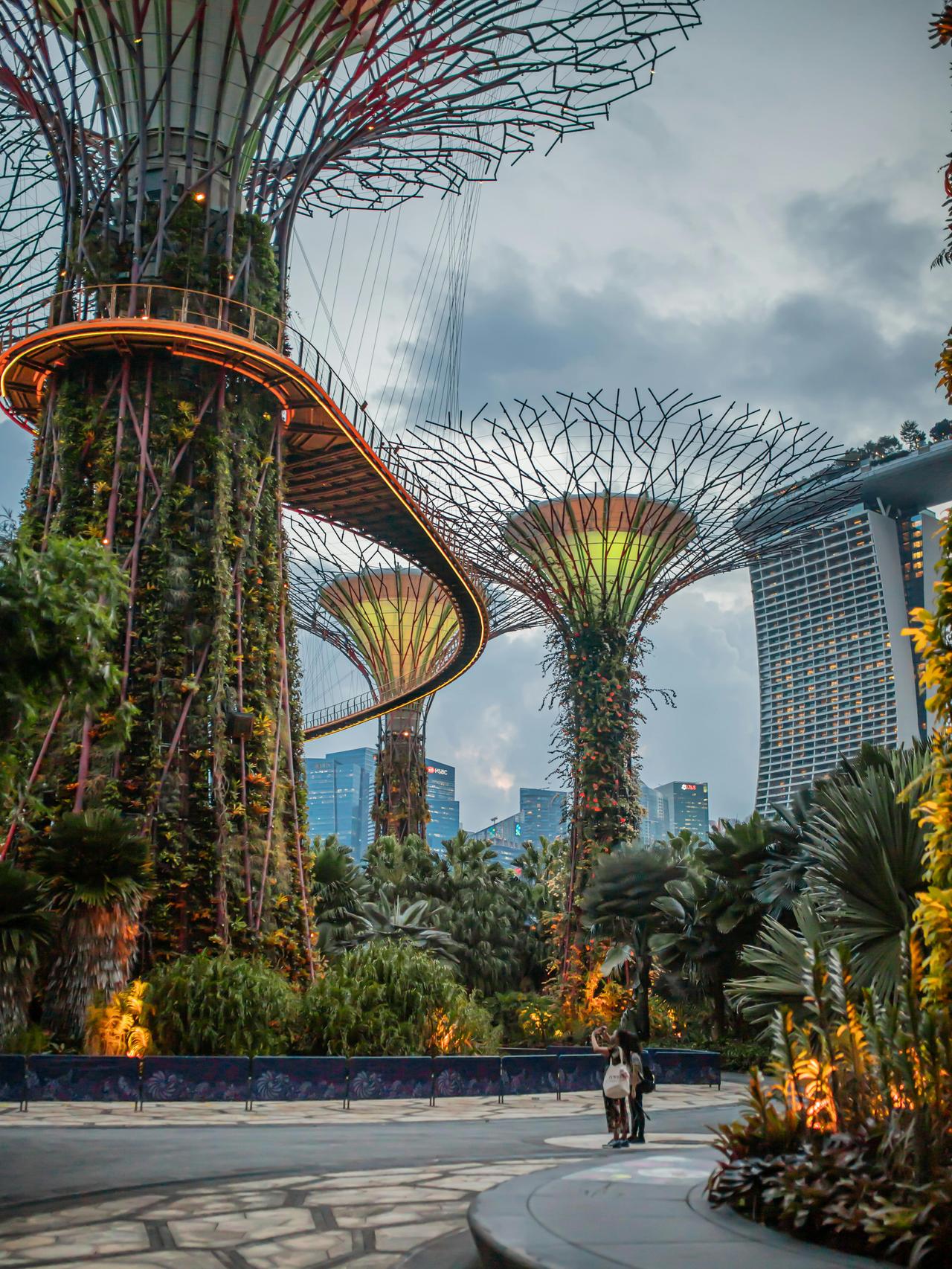
Mimaride Sürdürülebilirlik (Pexels)
Today, sustainable architecture is supported by comprehensive strategies that aim to reduce carbon emissions, develop energy-efficient building envelope solutions, and optimize building performance through intelligent building technologies. In particular, the effective use of daylight, improvement of indoor air quality, and design of healthy living environments in workplaces and residential spaces are among the top priorities.
In furniture and interior design, the preference for environmentally friendly materials, reduction of resource consumption during production, and the use of flexible, modular solutions enable more functional and longer-lasting use of spaces. The use of natural and renewable materials supports the creation of healthy indoor environments while simultaneously minimizing environmental impact.
Sustainable architecture is now recognized not merely as designing buildings that harmonize with the environment, but as a design philosophy that creates living environments that are healthier, safer, more accessible, and strengthen social cohesion.
Basa, İnci. "Kentsel Hafızanın Sürdürülebilirliği: Bir Mimarlık Stüdyosu Deneyimi." STD Dergisi 2015, no. Haziran: 27-42. Accessed May 15, 2025.
Ekim, Derya. "Sürdürülebilirlik Kavramı ve Mimari Form Üzerindeki Etkisi." Master's thesis, İstanbul Teknik Üniversitesi, 2004. Accessed May 15, 2025.
Gezer, Hale. "Geleneksel Safranbolu Evlerinin Sürdürülebilirlik Açısından Değerlendirilmesi." İstanbul Ticaret Üniversitesi Fen Bilimleri Dergisi 12, no. 23 (2013): 13-31. Accessed May 15, 2025.
Güneş, Sinem, and Demirarslan, Deniz. "Sürdürülebilirlik ve Mobilya Tasarımında Çevreci Yaklaşımlar." Uluslararası İnsan ve Sanat Araştırmaları Dergisi 5, no. 6 (2020): 81-99. Accessed May 15, 2025.
Tatar, Elif. "Sürdürülebilir Mimarlık Kapsamında Çalışma Mekânlarında Gün Işığı Kullanımı İçin Bir Öneri." Süleyman Demirel Üniversitesi Fen Bilimleri Enstitüsü Dergisi 17, no. 1 (2013): 147-162. Accessed May 15, 2025.
Utkutlu, Gönül. "Sürdürülebilir Bir Geleceğe Doğru Mimarlık ve Yüksek Performanslı Yeşil Bina Örnekleri." X. Ulusal Tesisat Mühendisliği Kongresi, İzmir, 2011. Accessed May 15, 2025.
Çığan, Ali, and Yamaçlı, Ruşen. "Doğal Enerji, Sürdürülebilir Kalkınma ve Mimarlık Politikaları." Düzce Üniversitesi Bilim ve Teknoloji Dergisi 8 (2020): 554-571. Accessed May 15, 2025.
Özmehmet, Ecehan. "Avrupa ve Türkiye’deki Sürdürülebilir Mimarlık Anlayışına Eleştirel Bir Bakış." Journal of Yaşar University 2, no. 7 (2007): 809-826. Accessed May 15, 2025.

No Discussion Added Yet
Start discussion for "Sustainability in Architecture" article
Definition and Scope
Historical Development
Principles of Sustainable Design
Energy Efficiency
Material Selection
Water Management
Waste Management
Environmental Compatibility
Contemporary Approaches