
`waste-management` Related Article Results
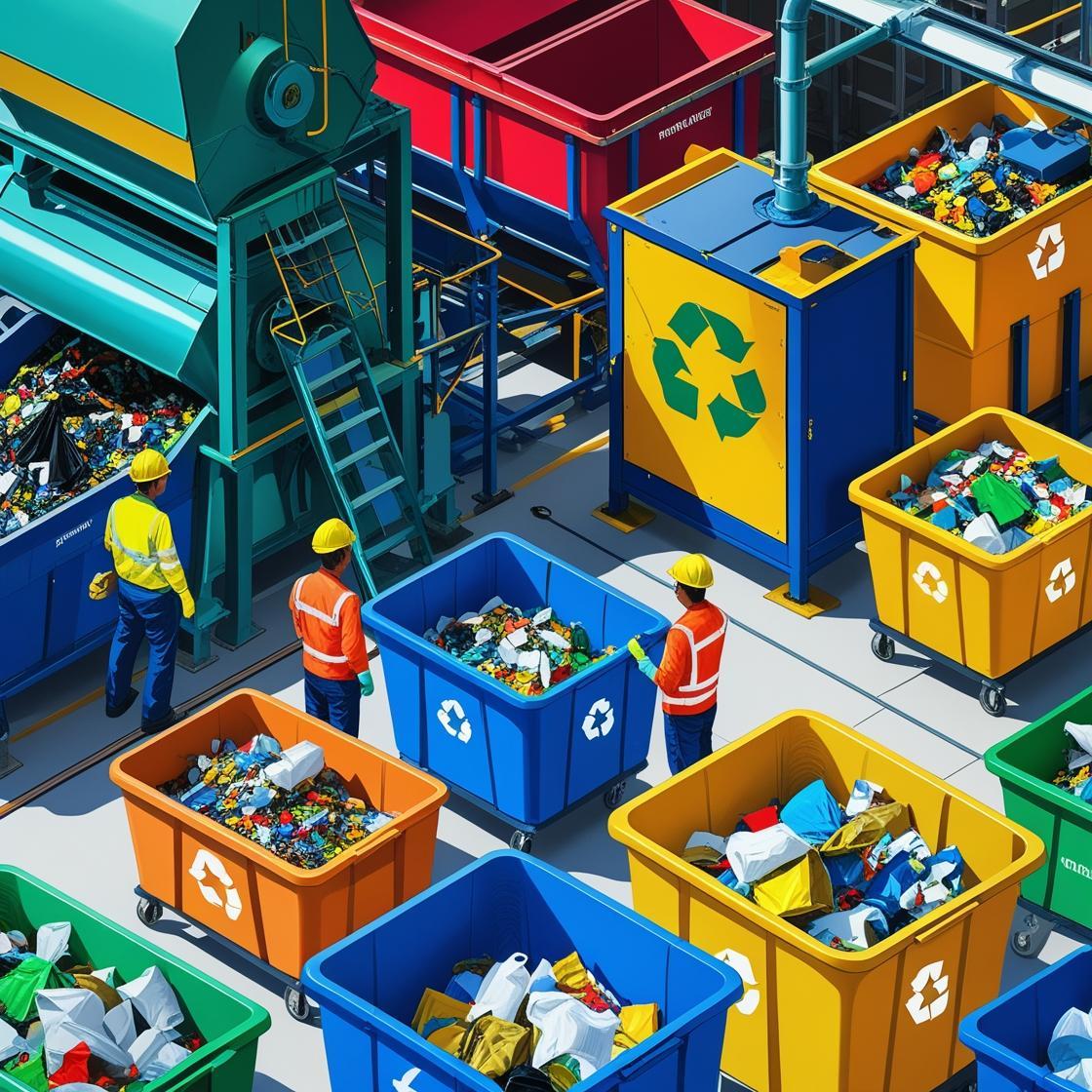
Waste Management in Türkiye
In Türkiye, waste management policies are shaped in line with environmental sustainability principles, based on both national legislation and legal frameworks harmonized with the European Union. Chief among these is the Environmental Law (Law No. 2872), which sets the foundation for a waste management hierarchy that includes prevention, reduction, reuse, recycling, energy recovery, and final disposal. Waste management systems are implemented through detailed practices, including the separate han
EN
Ece Sude Kabadayı
AMP
AMP is a recycling technology company that aims to transform waste sorting processes using artificial intelligence and automation technologies. Headquartered in Colorado, United States, AMP develops fully automated materials recovery facility (MRF) solutions that require zero manual sorting labor, targeting high-accuracy separation of municipal solid waste (MSW), single-stream recycling, plastics, metals, fibers, and films. Founders and Management The founder and CEO of AMP is Matanya Horowitz.
EN
Ömer Said Aydın

Biomass Energy
Biomass energy is a renewable energy form obtained by converting the chemical energy content of organic, biologically degradable materials directly or indirectly into heat, electricity, or fuel energy. Biomass encompasses organic materials of plant or animal origin that store solar energy through photosynthesis. Due to their carbon content, these materials are combustible and can be utilized in sustainable energy production without disrupting environmental balance, as they participate in a short
EN
Sümeyye Akkanat Terzioğlu
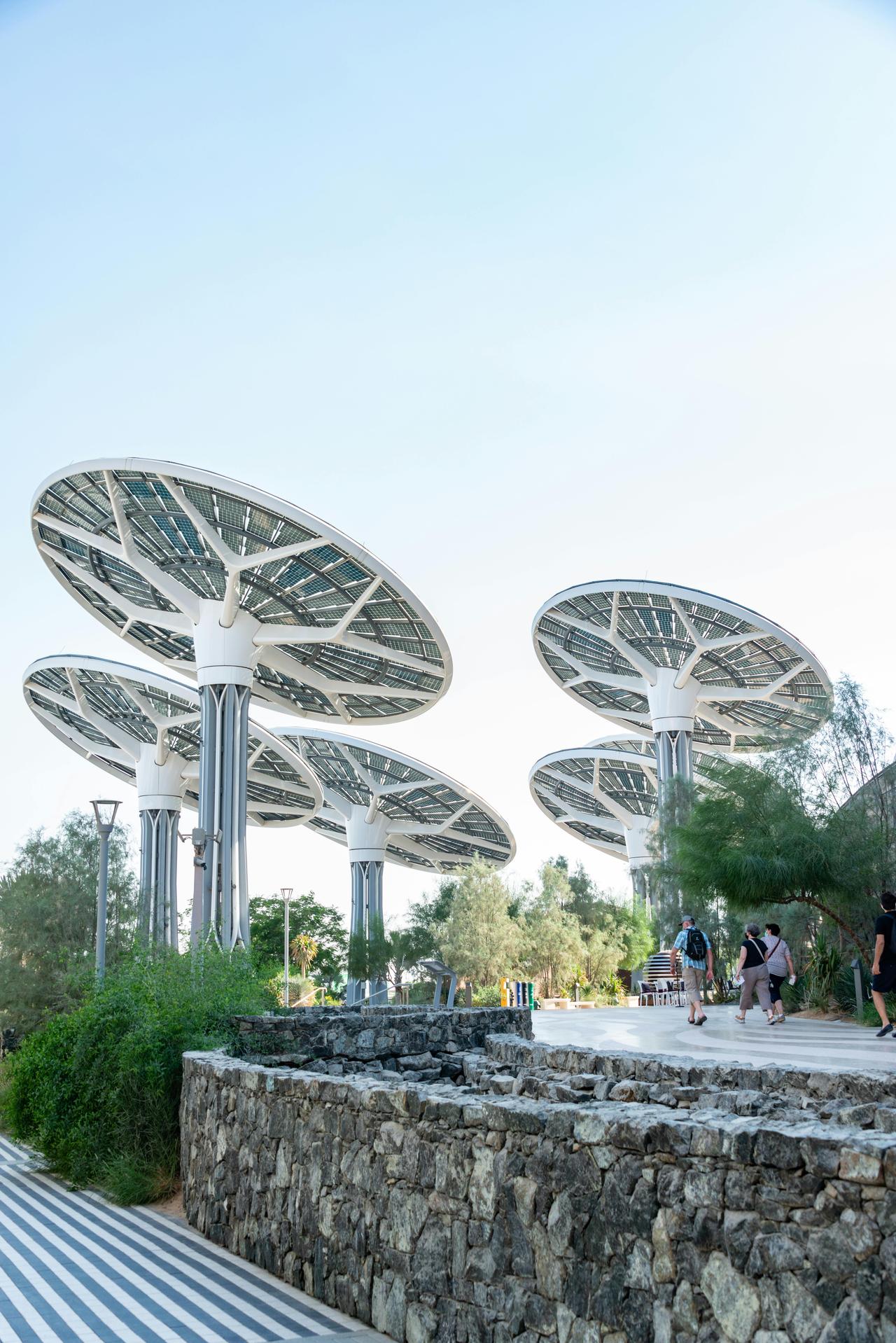
Sustainability in Architecture
Sustainable architecture is a design approach that aims to preserve natural resources, reduce environmental impacts, and enhance human health and quality of life through environmentally compatible and long-term solutions. This understanding encompasses the entire lifecycle of buildings, from design to post-demolition recycling, and includes practices such as energy efficiency, use of renewable resources, water conservation, and preference for environmentally friendly materials. It also seeks to
EN
Esra Özkafa
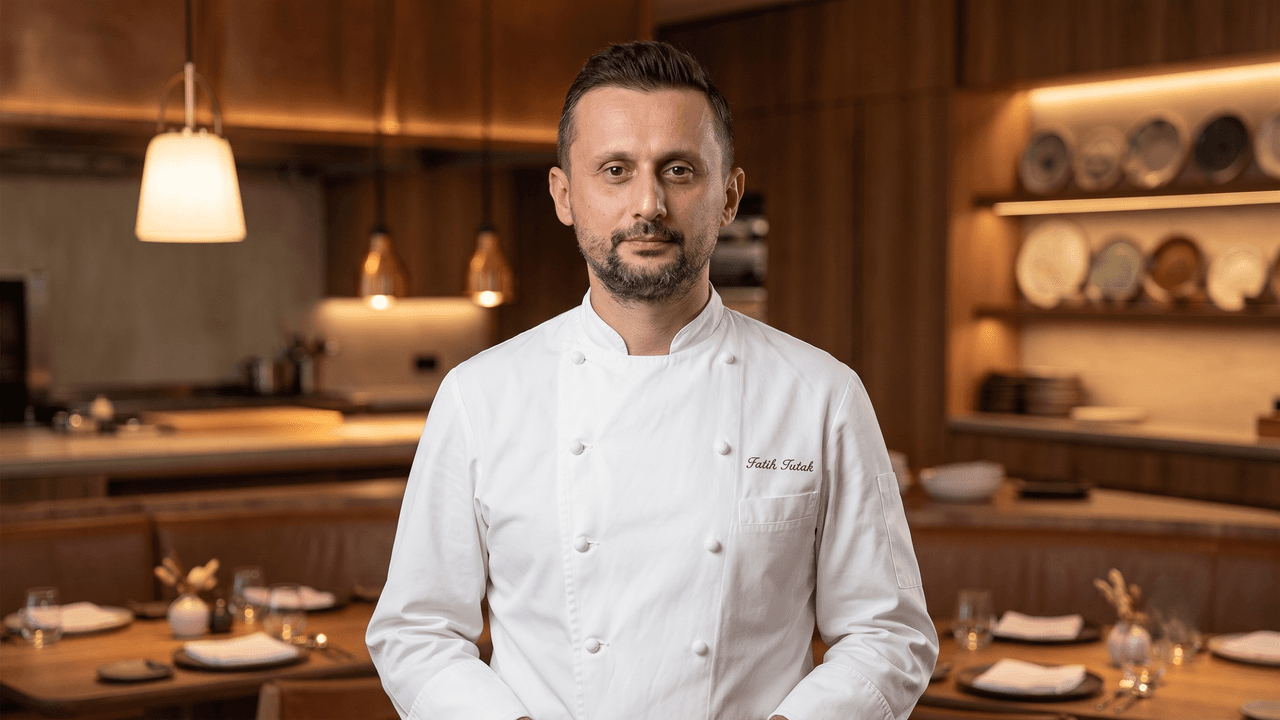
Fatih Tutak
Fatih Tutak (born 31 August 1985, Istanbul) is a Turkish chef and restaurant entrepreneur. He received his professional culinary education at the Mengen Culinary School in Bolu, after which he worked in kitchens across Türkiye, China, Japan, Singapore, Denmark, Hong Kong, and Thailand. He served as head chef and director of kitchen operations at The Dining Room of The House of Sathorn in Bangkok. After returning to Türkiye, he opened TURK Fatih Tutak restaurant in Istanbul in 2019. The restauran
EN
Nurten Yalçın
Sustainability in Architecture
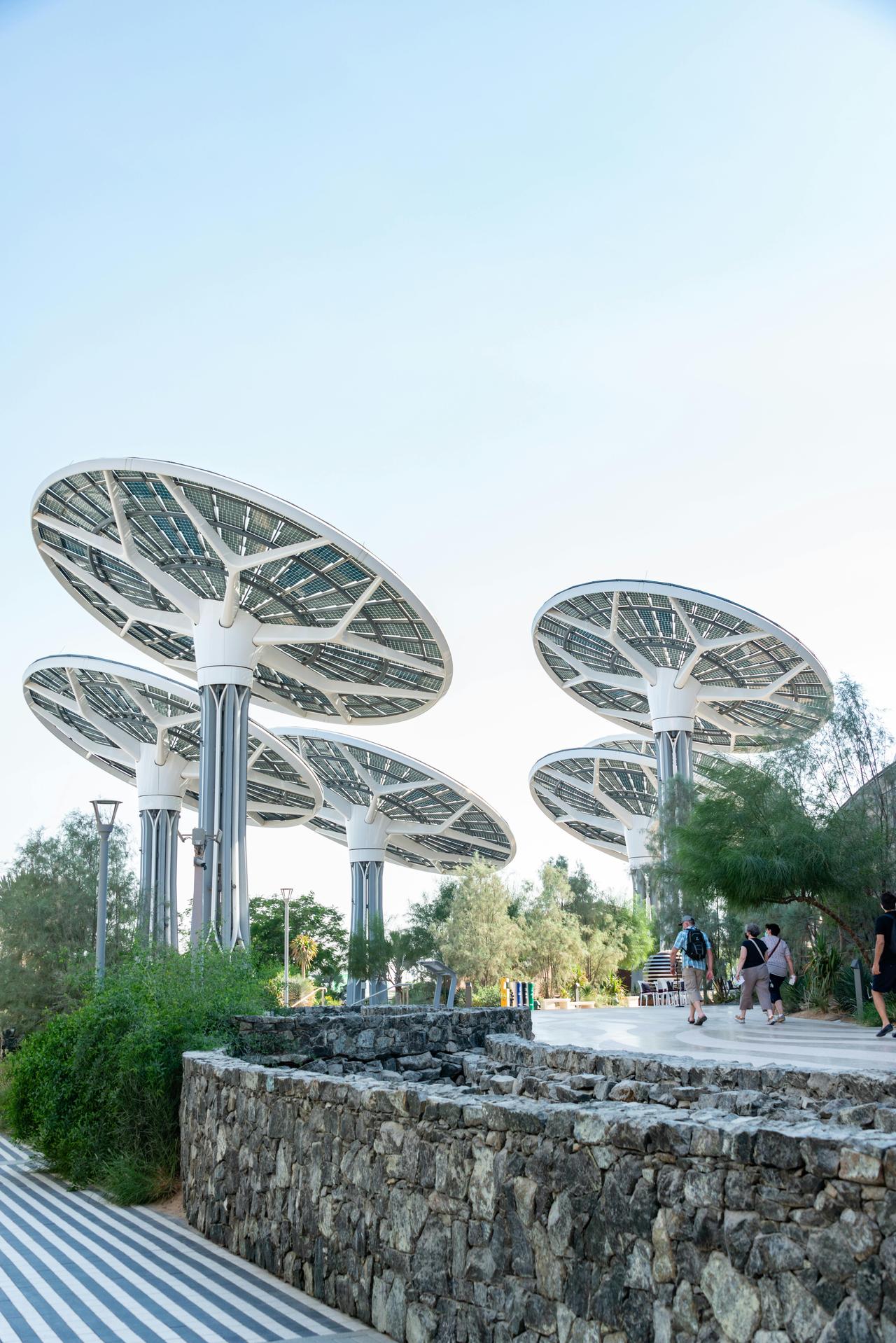
Sustainable architecture is a design approach that aims to preserve natural resources, reduce environmental impacts, and enhance human health and quality of life through environmentally harmonious and long-term solutions. This understanding encompasses the entire lifecycle of buildings, from design to post-demolition recycling, and includes practices such as energy efficiency, use of renewable resources, water conservation, and selection of environmentally friendly materials. Furthermore, it see
EN
Esra Özkafa
 Ci
CiCircular Economy in Türkiye
Circular economy is a systematic approach aimed at minimizing resource use in production and consumption processes, reducing waste generation, and ensuring that materials are used for as long as possible within the economic cycle to generate value. Unlike the linear economic model, circular economy is based on efficient resource use, product reuse, repair, refurbishment, and recycling. In Türkiye, the transition to a circular economy is addressed within national development strategies and Europe
ENEce Sude Kabadayı