



Spitting Fire
Have you ever felt so angry that it seemed like flames were bursting out from within you? In our language, we have a wonderful expression to describe this intense emotion: Ateş püskürmek. This idiom is used to convey that someone is extremely angry.
What Does This Idiom Mean?
Ateş püskürmek means that a person is so enraged by their anger that they may even speak harshly to the person they are upset with. In reality, flames do not come out of our mouths, but the intensity of our anger can be so great that those around us might imagine us spewing fire like a dragon.
For example, imagine your favorite toy being taken away from you unfairly. Or picture a game where your turn never comes. The hot feeling building inside you is the anger you feel toward injustice, and in such moments you might feel as if you are about to spew fire.

Representative Image (Generated by Artificial Intelligence)
How Do We Use It in Daily Life and Literature?
In our everyday conversations, we often use idioms to describe events more vividly. For instance, when a teacher becomes angry at children who damage classroom items, we might say, "The teacher spewed fire at the students who broke the door."
Sometimes people experience this when they feel they have been treated unfairly. A friend might start spewing fire if they are wrongly accused. We may also have disagreements with our friends, but we often remind each other with the phrase, "Does a person spew fire at a friend they have known for forty years?" to encourage ourselves not to become overly angry with those we care about.
We also encounter this idiom frequently in our literature. The renowned writer Abdülhak Şinasi Hisar, while describing an angry person in one of his books, wrote: "With his face turning purple in patches, he spewed fire." Indeed, when people are extremely angry, their faces can turn red or even purplish.
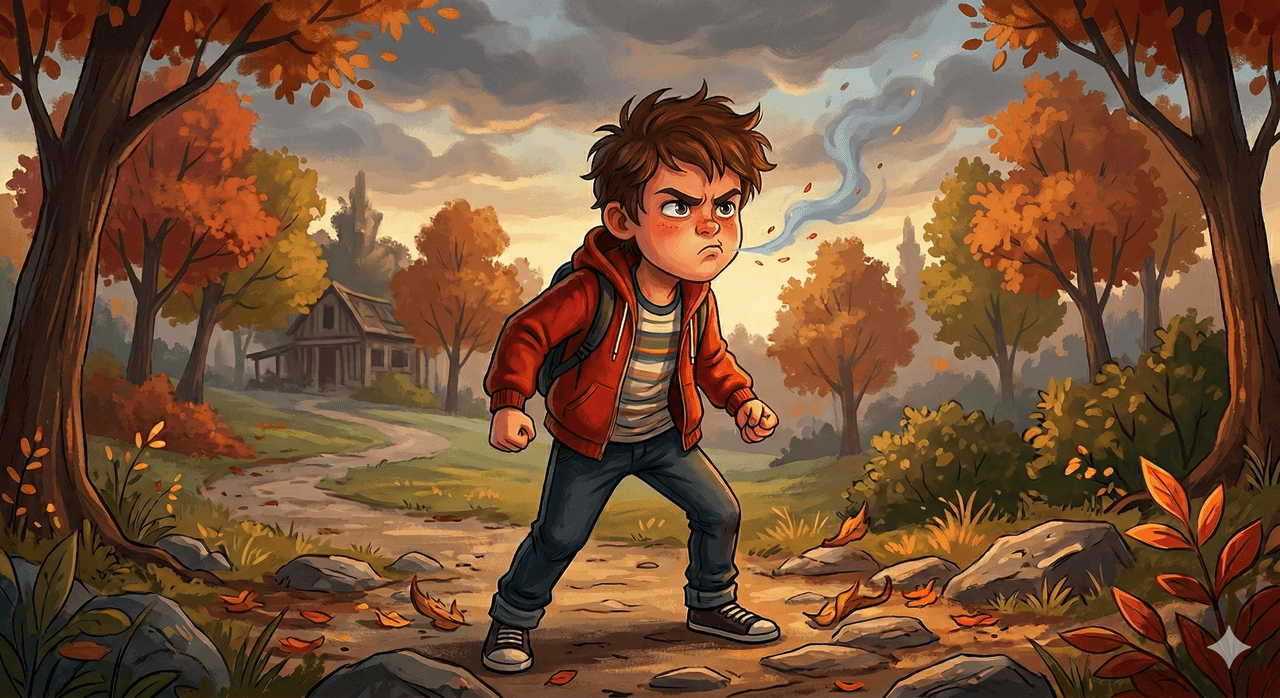
Representative Image (Generated by Artificial Intelligence)
Time Travel
Have you ever read old folktales and legends? In those stories, there are giant dragons flying across the sky, breathing fire from their mouths. These mythical creatures represent danger and immense power. It is likely that the idiom "ateş püskürmek" was inspired by the fierce anger of these dragons from ancient tales and entered our language hundreds of years ago.





