

 Recently Added:
This article was automatically translated from the original Turkish version.
Operation Spider Web is a coordinated unmanned aerial vehicle (UAV) attack carried out by Ukraine’s Security Service (SBU) on June 1 2025 against strategic military air bases located in various regions of the Russian Federation. The operation targeted the Belaya, Olenya, Dyagilevo and Ivanovo air bases in the Irkutsk, Murmansk, Ryazan and Ivanovo oblasts respectively. During the attacks, Russian A-50 early warning aircraft and Tu-95, Tu-22M3 and Tu-160 strategic bomber aircraft were struck. Ukrainian authorities stated that 41 aircraft were hit, approximately 34 percent of Russia’s cruise missile carrier fleet was rendered inoperable, and the estimated material loss reached 7 billion dollars.
Operation Spider Web, June 1 2025 - ()
Operation Spider Web is a multi-phase and synchronized unmanned aerial vehicle attack conducted by Ukraine’s Security Service (SBU) on June 1 2025 against four military air bases within the territory of the Russian Federation. While the SBU led the operation, its planning and execution were supported by the Ukrainian Armed Forces and state-level political leadership. It has been reported that the planning for the operation began approximately one and a half years prior and was carried out under complete secrecy during this period.
The primary objective of the operation was to neutralize Russian strategic bombers frequently used in missile and air attacks against Ukraine by striking them at their base locations. The attack directly targeted Russia’s strategic cruise missile carriers, with Ukrainian authorities reporting that 41 aircraft were hit. According to Ukrainian officials, as a result of the attack, approximately 34 percent of Russia’s strategic cruise missile carrier fleet was disabled and total material damage amounted to around 7 billion dollars.
The attacks were directed at four military air bases located thousands of kilometers from the Ukrainian border. These include the Belaya Air Base in Irkutsk Oblast in the east, approximately 4,300 kilometers away, and the Olenya Air Base in Murmansk Oblast in the north, approximately 2,000 kilometers away. Additionally, the Dyagilevo Air Base in Ryazan Oblast and the Ivanovo Air Base in Ivanovo Oblast, both located in central Russia, were also targeted. Some sources indicate that an air base in the Amur region was also targeted, though confirmation of this remains limited.
Operation Spider Web was implemented following an 18-month preparation period. The operation’s logistical structure is based on high levels of secrecy, simultaneous coordination and multi-layered transportation chains. According to SBU sources, all elements of the attack—from planning to execution—were managed under a single centralized command structure. Control of the operation was directly monitored by Ukrainian President Volodymyr Zelenskiy and SBU Chief Vasyl Malyuk. During execution, coordinated operations were conducted across three different time zones.
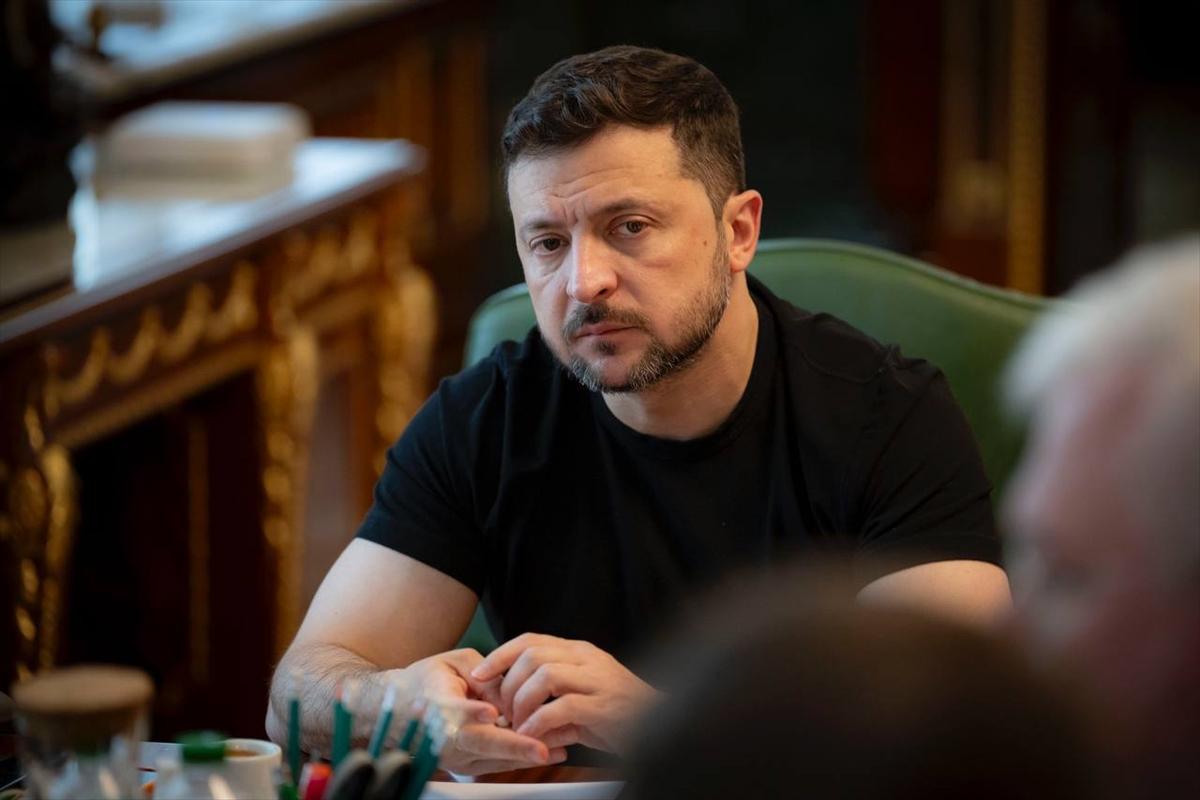
Ukrainian Head of State Volodymyr Zelenskiy - (Anadolu Ajansı)
The UAVs used in the attack were FPV (First Person View) kamikaze drones. These drones were pre-positioned and gradually moved into Russian territory prior to the operation. Rather than being sent directly toward targets, the drones were infiltrated into Russia using civilian and industrial transportation networks. Ukrainian intelligence applied special protective and secrecy measures during the transport phase to mitigate detection and interference risks. Prior to the operation, the drones were placed in standby positions and activated at a predetermined moment.
The drones were placed inside wooden mobile cabins designed to appear as ordinary external modules, which were then mounted on large trucks and transported near the air bases. The cabin roofs were engineered to open via a remote control system. At the designated time during the operation, these roof panels were simultaneously lifted, allowing the drones inside to automatically take off and navigate toward their targets. Some trucks were reportedly programmed to self-destruct after the attack to eliminate evidence. This method enabled the drones to reach the bases without entering the range of Russian air defense systems or triggering radar detection.
Belaya Air Base, one of the most distant targets of the attack, is located within Irkutsk Oblast in Siberia and is approximately 4,300 kilometers from Ukraine. The base is one of the key locations for strategic bomber deployments. During the operation, Tu-95 and Tu-160 bombers stationed at the base were reportedly struck. Videos published on social media and later verified showed burning aircraft and dense smoke on the runway.
Olenya Air Base in Murmansk Oblast is known for its geographic location near the Arctic Circle. The base forms part of Russia’s strategic bomber capacity in its northernmost region. According to Ukrainian sources, all Tu-95MS aircraft stationed at Olenya were targeted. Multiple explosions and fires were reported at the base following the attack.
Dyagilevo Air Base in Ryazan Oblast is located in western Russia and is known as a center for training and maintenance of strategic bombers. During the operation, numerous drones were directed at facilities at this base, and fires were reported around the runway. While detailed information on the extent of damage is not available, it has been confirmed that the attack occurred simultaneously with others.
Ivanovo Air Base is located in Ivanovo Oblast, one of the central regions of Russia, and is used for both strategic air transport and certain specialized bombing missions. Following the attack, multiple explosions and fires were reported in the area, and nearby civilian settlements were also affected by the fires. Russian authorities confirmed that they shot down some UAVs in the vicinity but acknowledged that several aircraft sustained damage.
Some sources indicate that another air base located in the Amur region near the Chinese border was also targeted. However, visual or numerical confirmation of attacks on this region remains limited. The Russian Ministry of Defense stated that attempts to attack bases in the Amur region were largely repelled and that no significant damage occurred at the facilities.
The aircraft targeted during Operation Spider Web consisted of long-range strategic bombers and specialized airborne platforms equipped with radar surveillance systems within the Russian Federation’s strategic air force inventory. According to Ukraine’s Security Service (SBU), a total of 41 aircraft were affected by the attack.
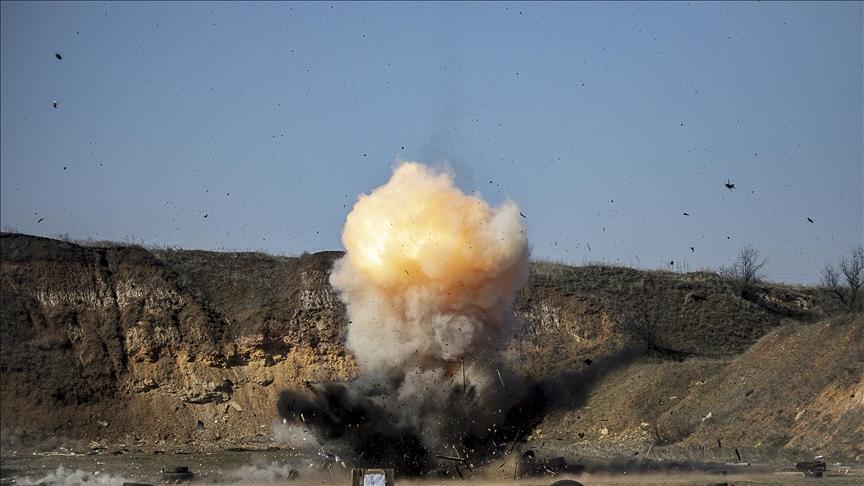
Operation Spider Web, June 1 2025 - (Anadolu Ajansı)
The attacked platforms included A-50 early warning and control aircraft. These aircraft are used for airspace surveillance, detection of enemy elements and coordination of attacks. Known to be limited in number within Russia’s inventory, these aircraft are defined by their long-range radar systems.
The operation also struck Tu-95 and Tu-22M3 bomber aircraft. The Tu-95 is a turboprop-powered platform that carries Kh-55, Kh-555 and Kh-101/102 cruise missiles for long-range strike missions. The Tu-22M3 is another strategic bomber capable of supersonic flight and equipped to carry Kh-22 cruise missiles. Both aircraft types were targeted at various bases during the operation.
Tu-160 strategic bombers were also among the struck platforms. This aircraft can carry 12 Kh-55 or 24 Kh-15 missiles and remains the largest operational bomber in active service, forming the centerpiece of Russia’s long-range air power.
According to Ukrainian sources, some of the targeted aircraft were struck while loaded with missiles. Subsequent official statements indicated that approximately 34 percent of Russia’s strategic cruise missile carriers were rendered inoperable following the operation.
Following Operation Spider Web, various official bodies of the Russian Federation issued statements regarding the attacks. The Russian Ministry of Defense confirmed that military air bases in Murmansk, Irkutsk, Ivanovo, Ryazan and Amur regions were targeted and described the attacks as “terrorist acts.” The ministry reported that some attacks were repelled, but acknowledged that several aircraft caught fire in Murmansk and Irkutsk regions, with the resulting fires later brought under control.
Igor Kobzev, Governor of Irkutsk Oblast, confirmed a drone attack on a military unit near the settlement of Sredny, noting dense smoke at the site and intervention by security forces. He also stated that the attack was launched from a truck. Andrey Chibis, Governor of Murmansk Oblast, confirmed the drone attack on his region, urged the public to remain calm, and called for no images related to the attack to be shared.
Ryazan Oblast Governor Pavel Malkov, in a social media statement, noted that the day of the attack coincided with Children’s Day, emphasized that there were no casualties, but confirmed that some UAVs had crashed and caused damage. Attempts to attack bases in the Amur region were reported to have failed.
The Russian Ministry of Defense announced that several individuals suspected of involvement in the attacks had been detained. It also stated that security and emergency units had activated crisis management procedures in the affected base regions following the incidents.
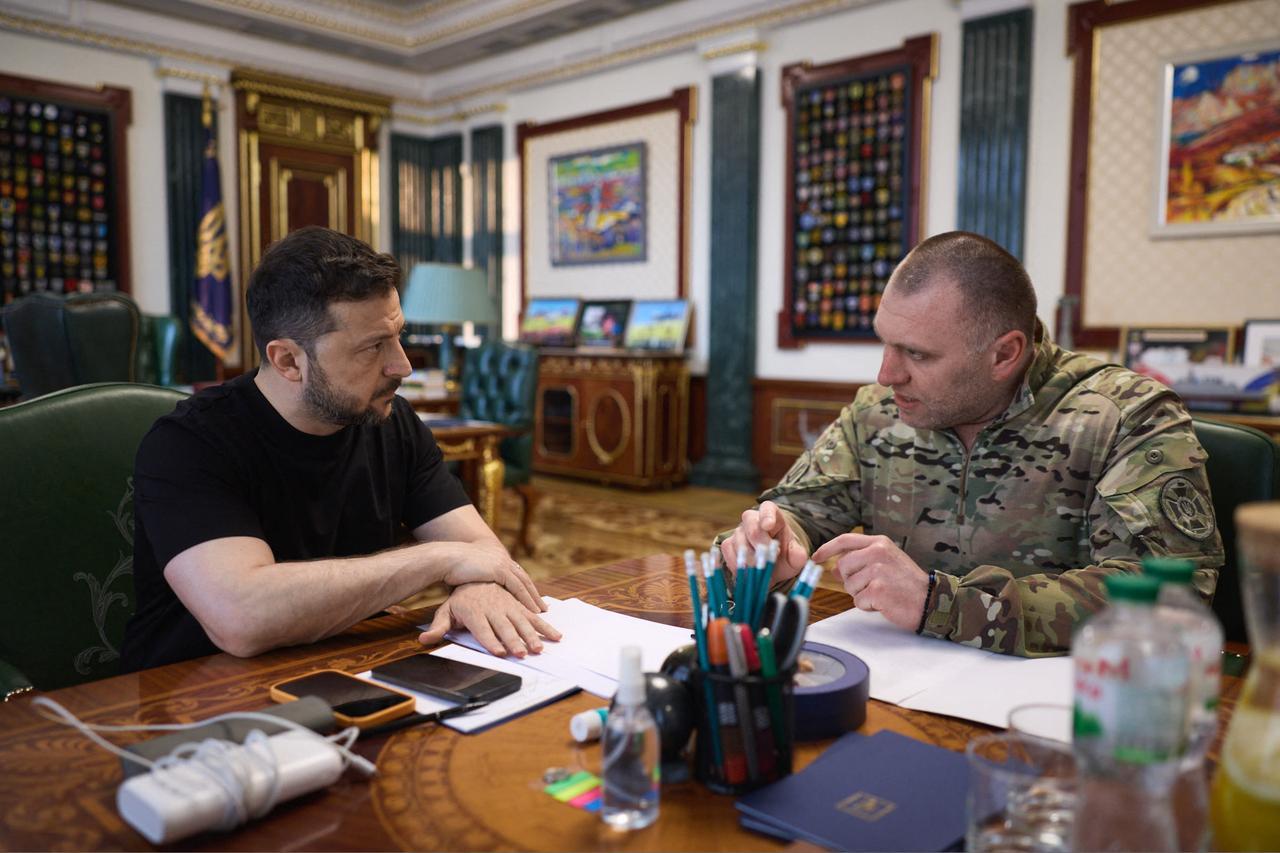
Following Operation Spider Web, Ukrainian President Volodymyr Zelenskiy and Ukraine’s Security Service (SBU) issued several statements. The President received SBU Chief Vasyl Malyuk to commend him for the planning and execution of the operation and stated that all phases had been conducted independently. Zelenskiy also reported that the total duration from planning to execution was one year, six months and nine days.
SBU sources indicated that a temporary operational center was established within Russia near a facility belonging to the Russian Federal Security Service (FSB). The same sources stated that all field personnel were evacuated from Russian territory immediately after the operation’s completion and returned safely to Ukraine.
According to SBU statements, the operation’s sole objective was to target military bases and reduce Russia’s strategic air power stationed there. It was also emphasized that further operations of a similar nature are planned and that actions to defend Ukrainian territory will continue.
Operation Spider Web was executed on June 1 2025, one day before the second round of peace talks between Ukraine and Russia, which were scheduled to take place in Istanbul. As such, the timing of the attack coincided with ongoing diplomatic processes and occurred during a period of heightened expectations regarding negotiations. Ukraine announced on June 2 that a delegation led by Defense Minister Rustem Umerov would attend the Istanbul meeting.
Ukrainian President Zelenskiy explicitly stated that the United States administration had not been informed in advance about the operation. U.S. Department of Defense sources confirmed they monitored developments during the day of the attack but had no direct contact with their Ukrainian counterparts.
The Russian side, in its post-attack statements, affirmed that peace talks would proceed as planned in Istanbul and asserted that the attacks would not affect the negotiation process. Both sides indicated they would attend the Istanbul talks with their own proposal documents, though no formal exchange of draft texts had yet been completed.
Additionally, on the night of the attack, Russia launched a large-scale UAV and missile strike against Ukraine. The Ukrainian Air Force stated that this was the most intense wave of attacks encountered during the war, with a total of 472 UAVs and seven missiles launched.
Anadolu Ajansı. “Ukrayna İHA’larının Rusya’da Askeri Üsleri Hedef Aldığı Bildirildi.” Accessed June 2, 2025. https://www.aa.com.tr/tr/dunya/ukrayna-ihalarinin-rusyada-askeri-usleri-hedef-aldigi-bildirildi/3586025
BBC Türkçe. “Ukrayna, Rusya'ya yönelik en uzun menzilli saldırıyı düzenlediğini duyurdu.” Accessed June 2, 2025. https://www.bbc.com/turkce/articles/c991jpr0x1no
CNN. “Ukraine hits air bases thousands of miles inside Russia in audacious military operation.” CNN International. Accessed June 2, 2025. https://edition.cnn.com/2025/06/01/europe/ukraine-drones-russia-airbases-intl
NDTV. "Ukraine's Op Spider Web Zelensky's Message To Russia -- And Trump Too." Accessed June 2, 2025. https://www.ndtv.com/world-news/operation-spider-web-volodymyr-zelenskyy-ukraines-op-spider-web-zelenskyys-message-to-russia-and-trump-too-8565825
Radio Svoboda. “СБУ вразила десятки літаків у глибокому тилу РФ – джерело.” Радіо Свобода. Accessed June 2, 2025. https://www.radiosvoboda.org/a/news-sbu-dzherelo-viyna-litaky-rosiya/33430951.html
Reuters. “Russia and Ukraine step up the war on eve of peace talks.” Accessed June 2, 2025. https://www.reuters.com/world/bridge-collapses-russias-bryansk-region-that-borders-ukraine-governor-says-2025-05-31/
Reuters. “To attack Russian air bases, Ukrainian spies hid drones in wooden sheds.” Accessed June 2, 2025. https://www.reuters.com/business/aerospace-defense/ukraine-stages-major-attack-russian-aircraft-with-drones-security-official-says-2025-06-01/
The Guardian. “Ukraine Launches Major Drone Attack on Russian Bombers, Security Official Says.” Accessed June 2, 2025. https://www.theguardian.com/world/2025/jun/01/ukraine-launches-major-drone-attack-on-russian-bombers-security-official-says
The Kyiv Independent. “'Russian bombers are burning en masse' — Ukraine's SBU drones hit 'more than 40' aircraft in mass attack, source says.” Accessed June 2, 2025. https://kyivindependent.com/enemy-bombers-are-burning-en-masse-ukraines-sbu-drones-hit-more-than-40-russian-aircraft/
The Times of India. “41 Fighter Jets Bombed in Operation Spider’s Web: 10 Things to Know about Ukraine’s Drone Attack on Russia.” Accessed June 2, 2025. https://timesofindia.indiatimes.com/world/europe/41-fighter-jets-bombed-in-operation-spiders-web-10-things-to-know-about-ukraines-drone-attack-on-russia/articleshowprint/121558742.cms
Ukrainian Wall. "Операція ‘Павутина’: Готували півтора роки, а дрони ховали у даху будинків – подробиці." Accessed June 2, 2025. https://week.ukrainianwall.com/uk/145799-operaciya-pavutina-gotuvali-pivtora-roki-a-droni-hovali-u-dahu-budinkiv-podrobici

The Spider Web Operation was carried out by Ukraine’s Security Service (SBU) on 1 June 2025 against four air bases in Russia’s Irkutsk, Murmansk, Ryazan and Ivanovo oblasts. Prior to the operation, drones were secretly inserted into Russian territory and launched from specialized cabins mounted on trucks. The attack targeted A-50 early warning aircraft and Tu-95, Tu-22M3 and Tu-160 strategic bombers. Ukrainian authorities reported that 41 aircraft were struck and approximately 34 percent of Russia’s strategic cruise missile carriers were taken out of service. Following the attack, Russian officials confirmed multiple fires across several regions and declared the operation to be an act of terrorism.
No Discussion Added Yet
Start discussion for "Spider Web Operation (2025)" article
June 2, 2025
Definition and General Information
June 2, 2025
Preparation Process
June 2, 2025
Targeted Military Facilities
June 2, 2025
Aircraft and Equipment Struck
June 2, 2025
Russian Federation’s Statements and Response
June 2, 2025
Ukrainian Side’s Statements
June 2, 2025
Timing and Diplomatic Context