


This article was automatically translated from the original Turkish version.
+1 More
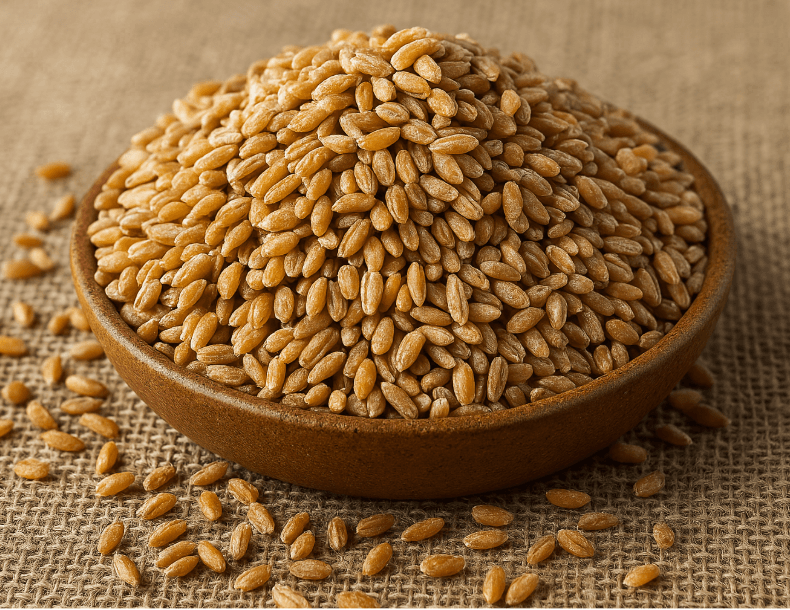
Siyez bulguru is a traditional agricultural product derived from siyez wheat (Triticum monococcum), a wheat variety that has preserved its genetic structure for thousands of years. Made by processing siyez wheat also known today as “heritage wheat,” siyez bulguru has regained attention in recent years due to a renewed interest in traditional nutrition practices and the growing trend toward healthy living birlikte.
class=\
The history of siyez wheat extends back approximately 10,000 years to the Neolithic Age. Archaeological evidence indicates that this wheat variety was first cultivated in southeastern Anatolia, particularly around the Karacadağ region. Compared to modern wheat varieties, siyez wheat is less processed and genetically one of the earliest wheat types, with a 14-chromosome structure. Due to these characteristics, it is highly resistant to genetic modification and cannot be hybridized. These traits make siyez wheat an important heritage asset in terms of sustainable agriculture and biodiversity.
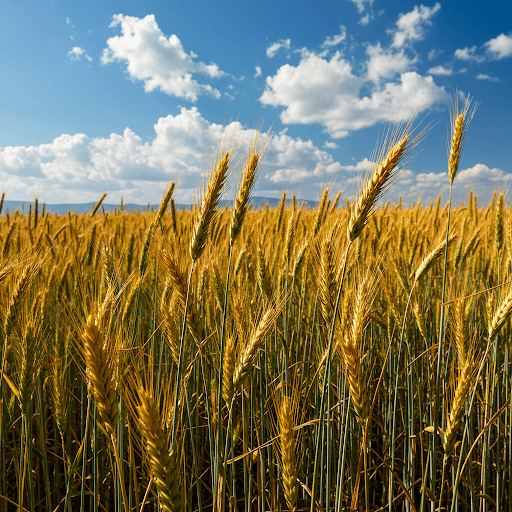
In Türkiye, siyez wheat is primarily cultivated in the İhsangazi district of Kastamonu and surrounding areas. Cultivation in this region has been carried out using traditional methods for centuries and passed down through generations. Due to its resilience to harsh climatic conditions, siyez wheat is also advantageous for organic farming. It can be grown without chemical fertilizers or pesticides, making it an environmentally friendly product.
class=\
Siyez bulguru facilitates digestion and provides a prolonged feeling of fullness due to its high fiber content. It is also rich in B vitamins, iron, magnesium, and antioxidants. Its low glycemic index contributes positively to blood sugar regulation. Although its gluten content is lower than that of modern wheat varieties, it is still not suitable for individuals with celiac disease. However, it may cause fewer reactions in people with gluten sensitivity.
Because siyez bulguru is consumed in its unrefined form, vitamin and mineral loss is minimal. Its high fiber content helps regulate cholesterol levels, improves gut health, and supports heart health.
With its thousands of years of history, siyez bulguru holds significant cultural and nutritional value. Its non-genetically modified structure, potential health benefits, and contributions to sustainable agriculture are causing it to gain increasing importance in modern dietary approaches. Preserving and promoting this ancient product grown on Anatolian soil is of great importance both for cultural heritage and for the healthy nutrition of future generations.
Han, Şaban, and Müge Hendek Ertop. “Kastamonu’da Üretilen Siyez Buğdayının (Triticum Monococcum) Bazı Kimyasal ve Fiziksel Özellikleri.” *Akademik Gıda* 20, no. 1 (April 2022): 63–70.https://doi.org/10.24323/akademik-gida.1097846.
Kaya, Muharrem, Aykut Şener, and Nazmi Çelik. “Farklı Siyez Buğdayı Genotiplerinin Verim ve Bazı Verim Unsurları Yönünden Değerlendirilmesi.” *Erciyes Tarım ve Hayvan Bilimleri Dergisi* 6, no. 2 (2023): 52–59.https://doi.org/10.55257/ethabd.1357081
T.C. Kastamonu Valiliği İl Gıda Tarım ve Hayvancılık Müdürlüğü. *Siyez Buğdayı ve Ürünleri*. 2016. Accessed April 7, 2025.https://kastamonu.tarimorman.gov.tr/Belgeler/Kutu%20Menü/Siyez%20Buğdayı%20ve%20Bulguru.pdf
T.C. Kastamonu Valiliği. "Siyez Bulgurunun Tarladan Sofraya Hikayesi." Accessed April 7, 2025.http://www.kastamonu.gov.tr/siyez-bulgurunun-tarladan-sofraya-hikayesi.

History
Growing Regions
Nutritional Value and Benefits