This article was automatically translated from the original Turkish version.
+1 More
Location | Istanbul Fatih | ||||||||
|---|---|---|---|---|---|---|---|---|---|
Foundation Date | 11 February 1888 | ||||||||
Opening Date | 3 November 1890 | ||||||||
Historical Significance | Final destination of the Orient Express | ||||||||
Architectural Style | Eclectic architecture with Orientalist, Byzantine and Seljuk influences | ||||||||
Original Function | International train station connecting Istanbul to Europe | ||||||||
Museum Function | Istanbul Railway Museum since 2005 | ||||||||
Restoration Start | 2025 | ||||||||
Ownership / Operation | TCDD - Turkish Republic State Railways | ||||||||
Architect | August Jasmund | ||||||||
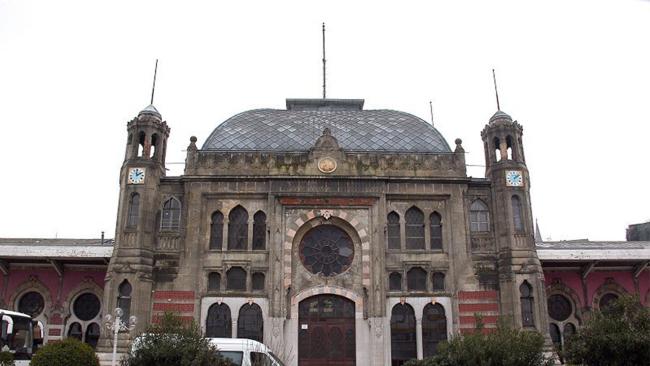
Sirkeci Train Station is a railway structure built during the final period of the Ottoman Empire, located in the Fatih district of Istanbul on the Historic Peninsula. The foundation of the station, planned as the starting point of railway lines connecting Istanbul to Europe, was laid on 11 February 1888. The building was designed by German architect August Jasmund and opened for service on 3 November 1890.
Throughout its history, Sirkeci Train Station served international and intercity passenger transport and underwent a functional transformation alongside changes in railway infrastructure. Today, the building is regarded as a multifunctional space combining transportation with museum and cultural activities.
Sirkeci Train Station, Istanbul (Istanbul Governorship)
Sirkeci Train Station was constructed to connect Istanbul to the European railway network. The building is considered part of the Ottoman Empire’s railway policy aimed at strengthening transport and trade relations with the West. For many years, the station served as the final stop in Istanbul for international train services arriving from Europe.
Among these services, the Orient Express held a prominent place. The Orient Express, which originated from major European cities and terminated in Istanbul, concluded its journey at Sirkeci Train Station, establishing the station as one of the symbolic hubs of international railway travel. These services were not limited to transportation; they also attracted attention in terms of diplomacy, tourism and cultural exchange. During this period, Sirkeci Train Station became one of the primary entry points for travelers from different countries and integrated into the social and cultural life of Istanbul.
This status of the station found reflection in travel writings and literary texts. Although the works of Agatha Christie associated with the Orient Express do not directly focus on the station itself, they have contributed to the cultural memory of Sirkeci Train Station within the broader context of international railway heritage.
The architecture of the station building incorporates aesthetic elements characteristic of its era. The façade features arched openings, decorative details and a symmetrical layout. The design combines elements typical of Western architecture with ornamental traditions rooted in Eastern aesthetics.
The building materials and façade decorations reflect the eclectic approach seen in the late Ottoman architectural style. Sirkeci Train Station was constructed not only as a functional transport facility but also as a public building embodying the architectural preferences of its time.
Sirkeci Train Station served international and intercity train services for a long period, functioning as a crucial stop on railway routes between Europe and Istanbul. However, due to transformations in railway infrastructure, its transport function gradually diminished. With the opening of the Marmaray line in 2013, the station’s primary role in rail transport came to an end.
In subsequent years, the building was repurposed for cultural and public functions. In 2024, with the commissioning of the T6 tram line, Sirkeci Station was reintegrated into the city’s urban transport network.
A section of Sirkeci Train Station has been converted into the Istanbul Railway Museum. Operated under the Turkish State Railways (TCDD), the museum houses a variety of materials documenting the history of railways from the Ottoman Empire to the Republican era. Exhibits include railway equipment, documents, correspondence and historical artifacts.
The museum space fulfills the function of documenting the historical development of railway transport and maintains a direct connection to the building’s original purpose. In this way, the museum contributes to preserving the historical identity of the structure.
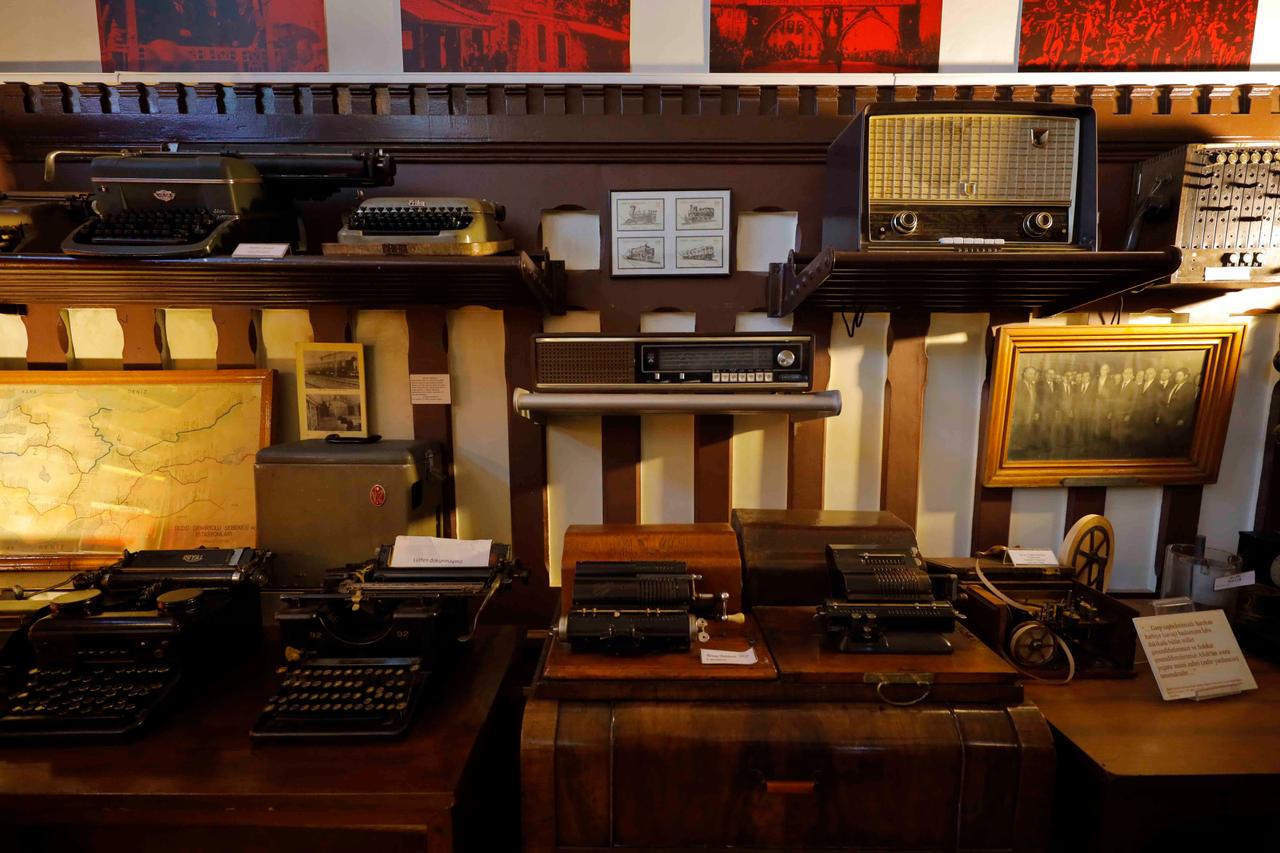
Section displaying typewriters from the Istanbul Railway Museum Collection (Istanbul Governorship)
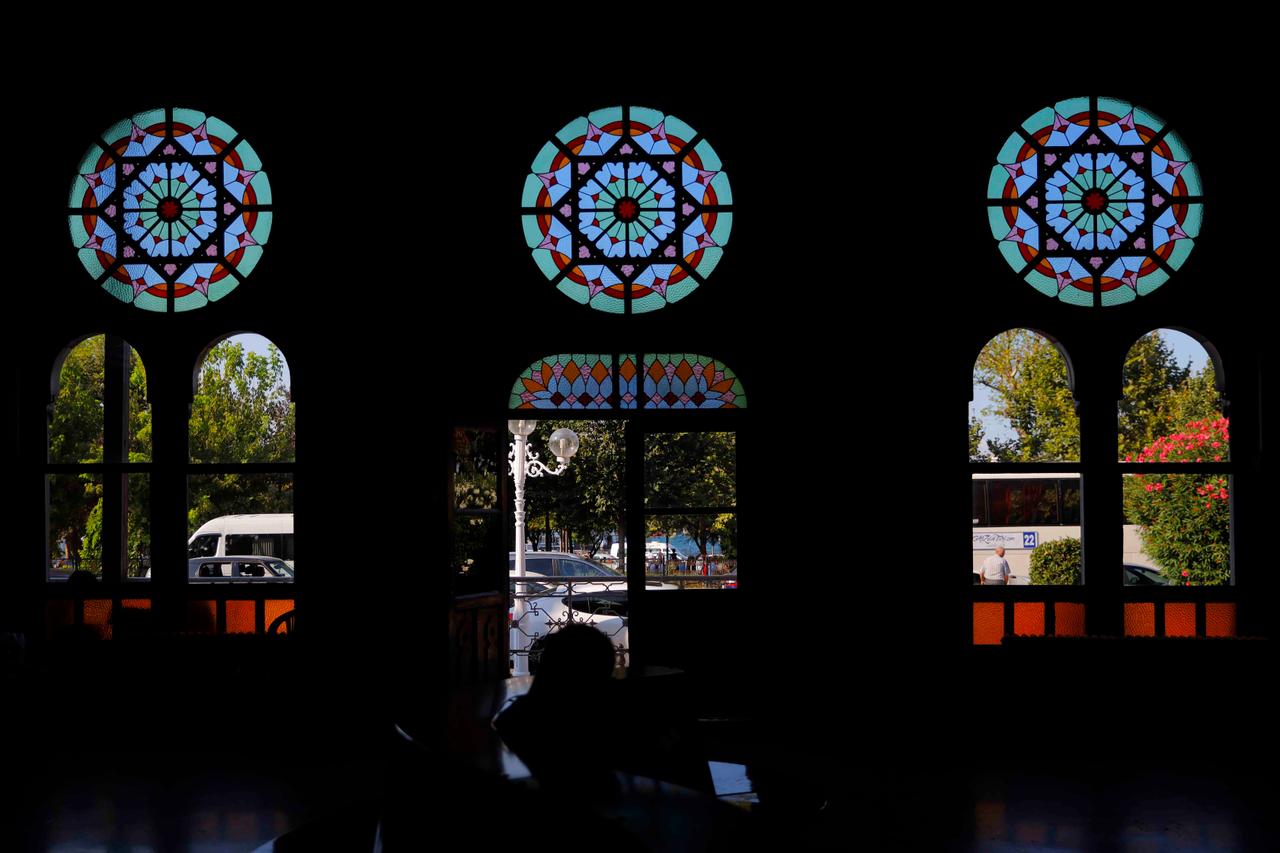
Sirkeci Train Station is recognized as a structure of cultural heritage. Restoration efforts have been undertaken in various periods to preserve its original architectural features and improve its current condition. Under the supervision of the Ministry of Culture and Tourism, restoration work has focused on the roof system, stained-glass windows and façade elements.
As part of this restoration, plans have been made to establish the Museum of Migration alongside the existing Railway Museum. The completion of these works is targeted for the 2026 Culture Route Festival. Specialists in architecture and restoration have been involved in the restoration process.
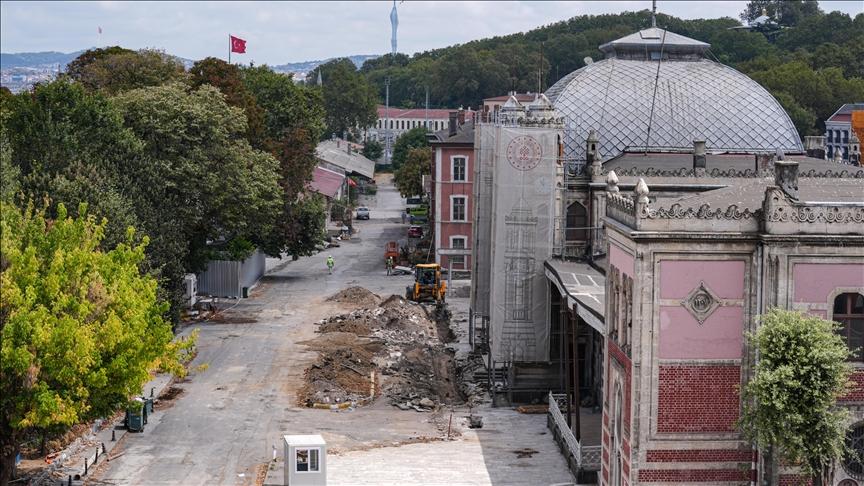
Restoration Works at Sirkeci Station (Anadolu Ajansı)
Due to functional changes in railway transport over time, the station’s active role in transportation has been limited. Nevertheless, it continues to be accessible to visitors due to the Istanbul Railway Museum and other cultural uses. Today, the station building is regarded both as a historical component of Istanbul’s transport infrastructure and as a publicly accessible cultural space.
Anadolu Ajansı. “Sirkeci Garı’nda restorasyon çalışmalarına başlandı.” Accessed January 18, 2026. https://www.aa.com.tr/tr/kultur/sirkeci-garinda-restorasyon-calismalarina-baslandi/3659294
Fatih Kaymakamlığı. "İstanbul Demiryolu Müzesi." Fatih Kaymakamlığı. Accessed January 18, 2026.https://www.fatih.gov.tr/istanbul-demiryolu-muzesi
Fatih Kaymakamlığı. “TCDD İstanbul Sirkeci Garı Demiryolu Müzesi.” Accessed January 18, 2026.https://www.fatih.gov.tr/tcdd-istanbul-sirkeci-gari-demiryolu-muzesi
Polat, Ahmet. “Restoran Masalar, Tablolar ve Sandalyeler.” Pexels. Accessed January 18, 2026.https://www.pexels.com/tr-tr/fotograf/restoran-masalar-tablolar-sandalyeler-9289305/
TRT Haber. “Osmanlı’nın Batı’ya açılan kapısı: Sirkeci Garı.” Accessed January 18, 2026.https://www.trthaber.com/haber/yasam/osmanlinin-batiya-acilan-kapisi-sirkeci-gari-720911.html
ÇEKÜL Vakfı. "Avrupa’nın İlk Durağı: Sirkeci Garı." Accessed January 18, 2026.https://www.cekulvakfi.org.tr/makale/avrupanin-ilk-duragi-sirkeci-gari
İstanbul Valiliği. “İstanbul’da nostalji: Sirkeci Tren Garı.” İstanbul Valiliği. Accessed January 18, 2026.https://istanbul.gov.tr/istanbulda-nostalji-sirkeci-tren-gari

Location | Istanbul Fatih | ||||||||
|---|---|---|---|---|---|---|---|---|---|
Foundation Date | 11 February 1888 | ||||||||
Opening Date | 3 November 1890 | ||||||||
Historical Significance | Final destination of the Orient Express | ||||||||
Architectural Style | Eclectic architecture with Orientalist, Byzantine and Seljuk influences | ||||||||
Original Function | International train station connecting Istanbul to Europe | ||||||||
Museum Function | Istanbul Railway Museum since 2005 | ||||||||
Restoration Start | 2025 | ||||||||
Ownership / Operation | TCDD - Turkish Republic State Railways | ||||||||
Architect | August Jasmund | ||||||||
No Discussion Added Yet
Start discussion for "Sirkeci Train Station" article
Historical Background and Construction Process
Architectural Features and Structural Design
Transport Function and Evolution Over Time
Istanbul Railway Museum
Protection Status and Restoration Efforts