

`wood` Related Article Results
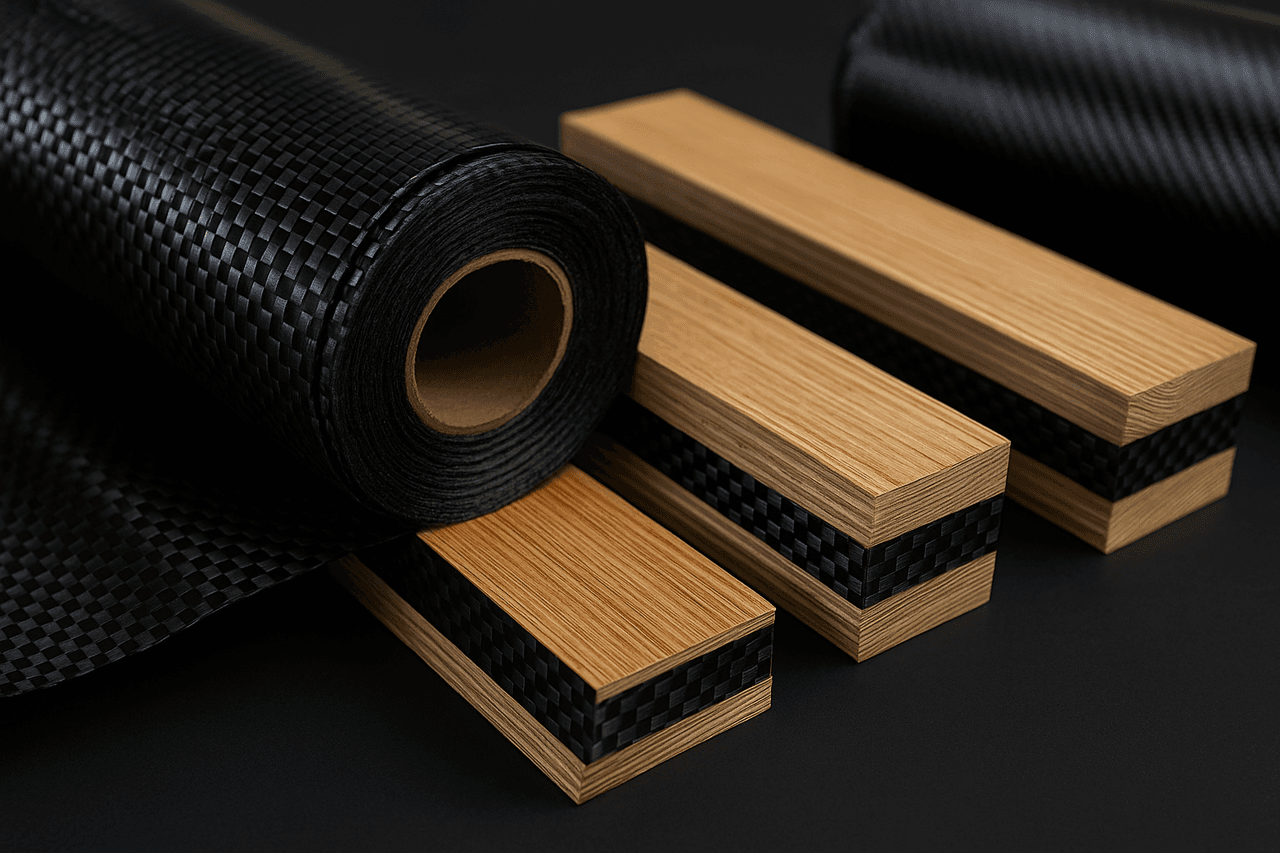
Carbon Fiber Reinforced Laminated Veneer Lumber (LVL)
Wood is a traditional construction material widely used in the construction and furniture industries due to its natural appearance, aesthetic structure, and sustainability. However, its limited resistance to environmental factors, risk of biological degradation, and mechanical weaknesses restrict its use, particularly in load-bearing systems. To overcome these limitations, thermal treatment and composite reinforcement techniques have been developed to enhance the physical and mechanical performa
EN
Muhammet Ali Demir
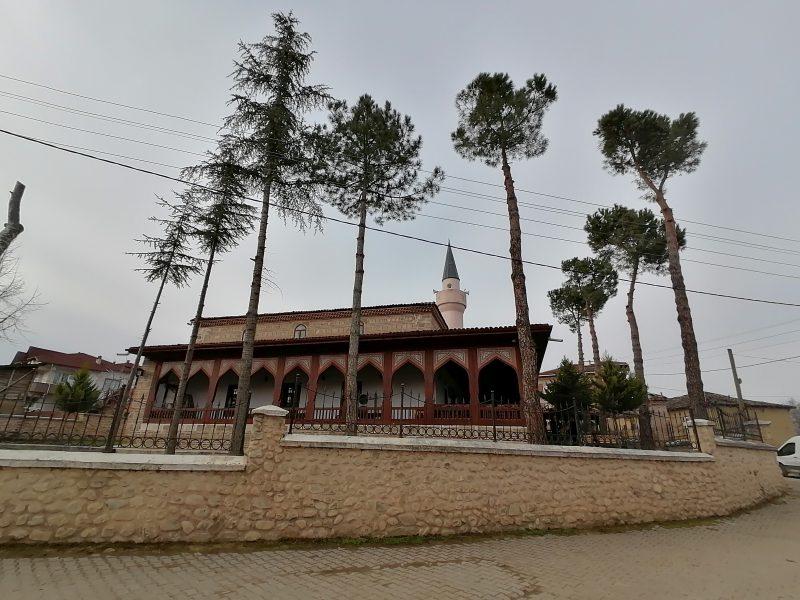
Silahtar Ömer Paşa Camii
Silahtar Ömer Paşa Camii is located in the village of Akça (Fidi) in Anadolu and is one of the wooden mosques of the region. The structure exhibits architectural features of the Ottoman period and was built with a style close to that of the Seljuks. Although there is no definitive information regarding its construction date, it is known from inscriptions on the existing brass chandeliers that it underwent extensive restoration in 1688. The mosque derives its name from Silahtar Ömer Paşa, of whom
ENMuhammet Ali Demir
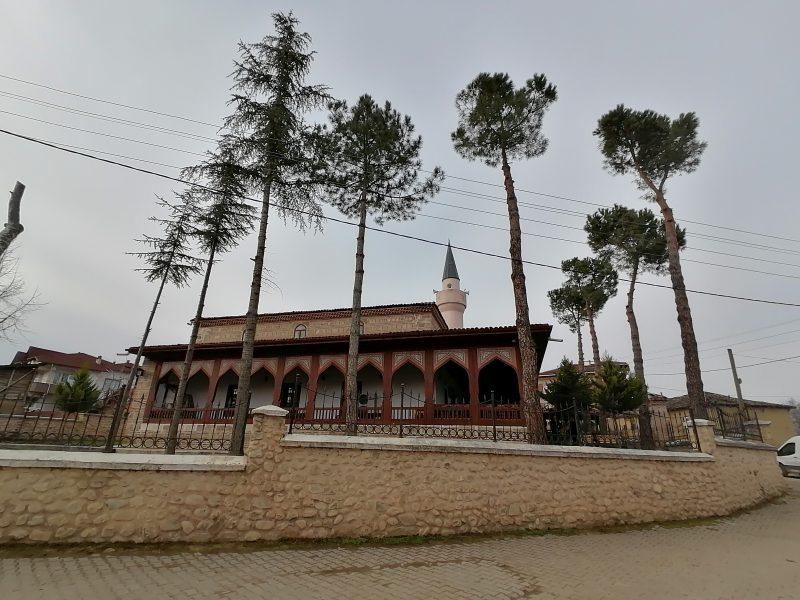
Silahtar Ömer Paşa Camii
Silahtar Omar Pasha Camii is located in the Akça (Fidi) village and is among the notable mosques of Anatolia’s wood. building was constructed with an understanding influenced by Selçuklu style while retaining Ottoman architectural features. Although no definitive date exists for its construction, it is known from inscriptions on the existing copper candlesticks that it underwent a major restoration in 1688. The mosque derives its name from Silahtar Ömer Paşa, of whom legends recount his rise fro
EN
Muhammet Ali Demir
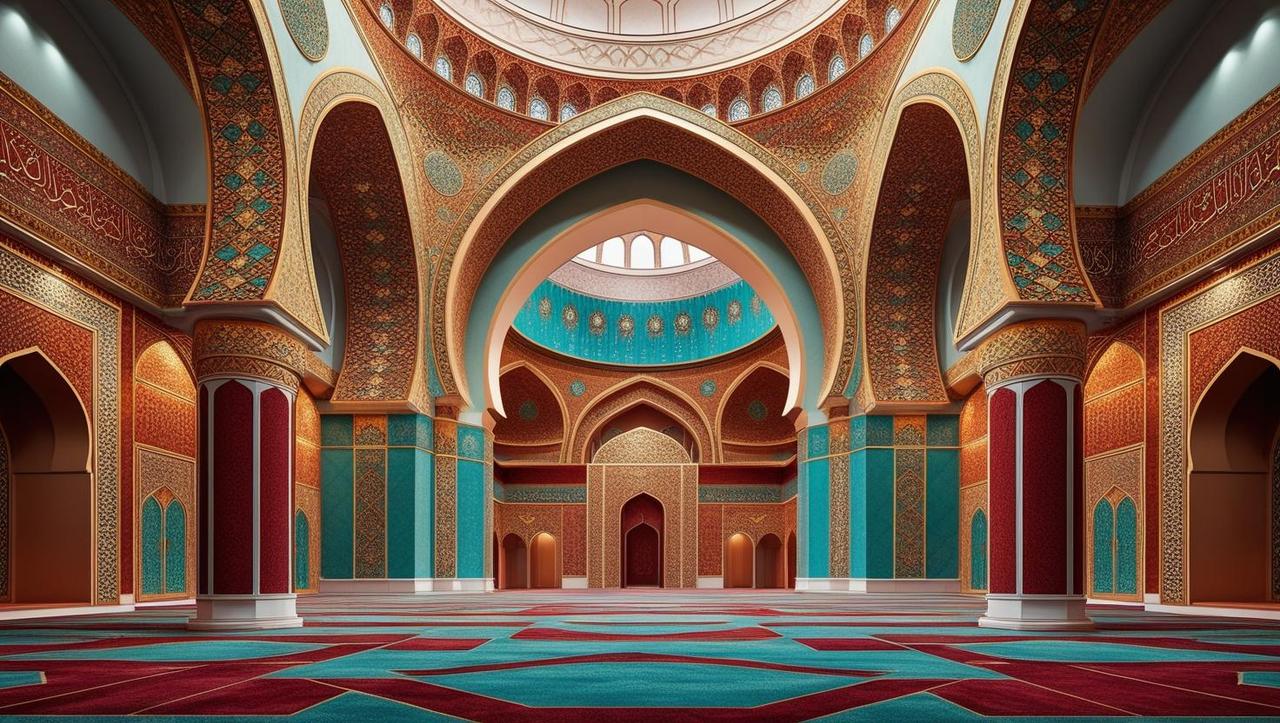
What is Decoration?
Ornamentation is the art of decoration used to adorn and make something beautiful and visually striking. The patterns you can find in books, mosques, palaces, ancient manuscripts, and tiles are part of ornamentation, featuring gold embellishments and colorful motifs. There are many different types of ornamentation. Calligraphy: The art of beautiful writing. Especially in ancient books and mosques, decorations are made using Arabic letters. Ceramic Decoration: Decorations made with colored cerami
EN
Meryem Şentürk Çoban
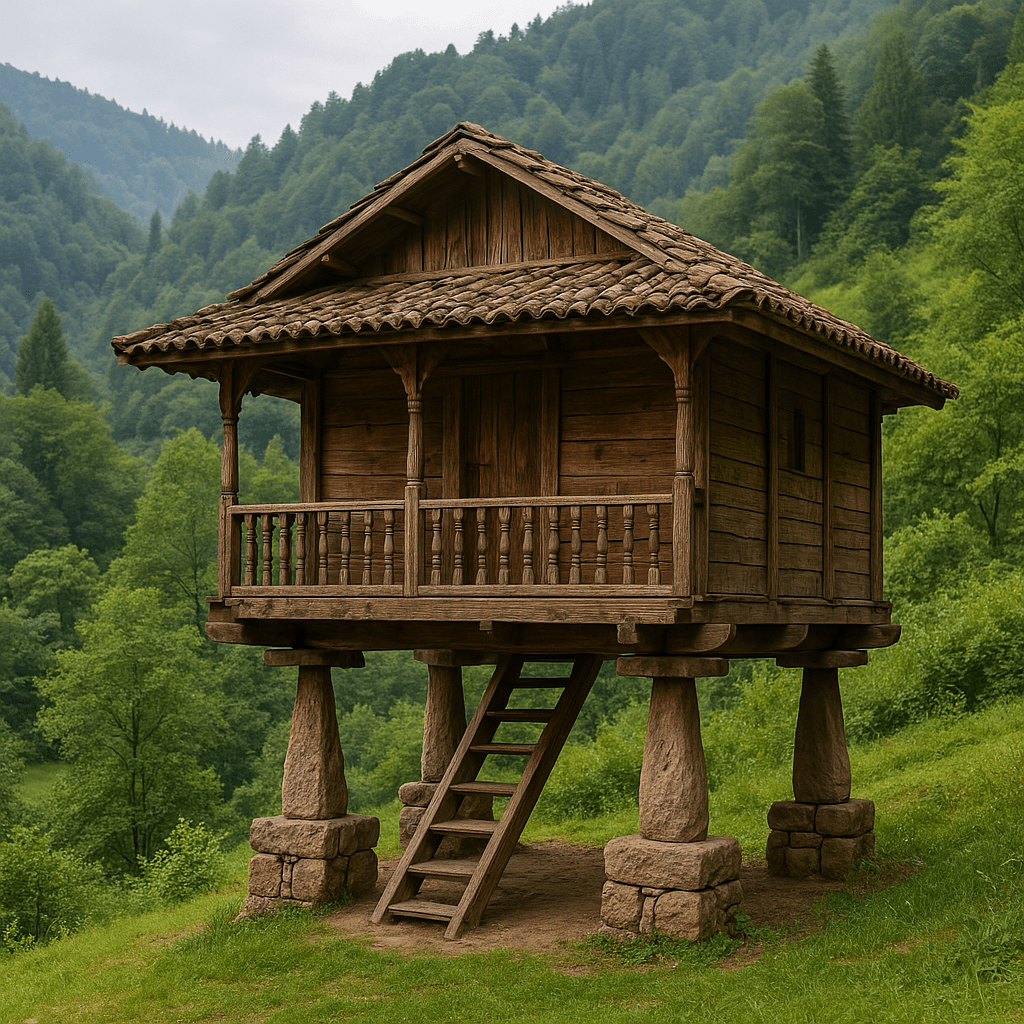
Nayla (Serender)
Nayla (serender), East is a traditional storage structure commonly found in the Black Sea region, especially in Rize, Artvin and Trabzon, constructed on wooden pillars and typically adorned with wooden decorations. These structures are used to dry and store agricultural products such as maize, legumes, potato, oil and cheese, protecting them from pests. Nayla (Ministry of Culture and Tourism) " image-alternate="" image-element-format="right"> History Serender is a traditional wooden structure
EN
Ömer Faruk Mamat
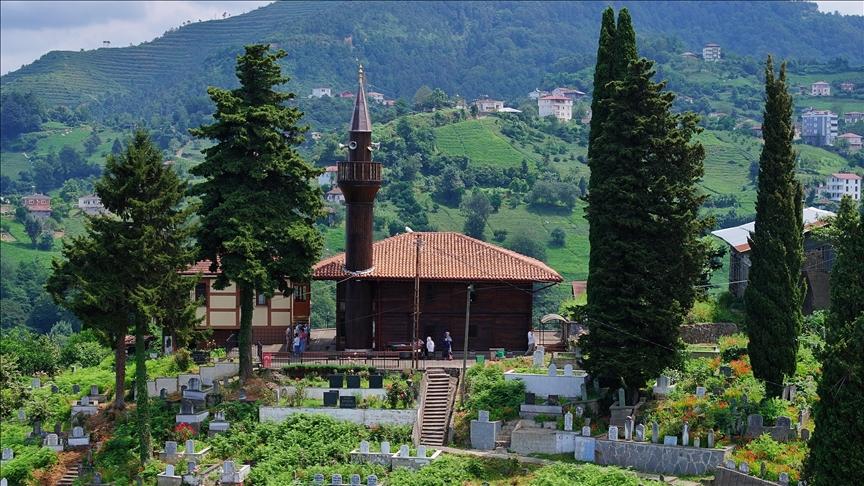
Kuşluca Mosque
Kuşluca Cami is a two-story place of worship located in the Kuşluca neighborhood of the Sürmene district in Trabzon province. Constructed using the traditional timber-frame (çantı) technique, the building exemplifies the regional wooden architectural heritage of the Black Sea region. With its plan layout, material selection, and decorative approach, it stands as an original representative of the local construction culture. The prayer hall has a rectangular plan and connects to the main congregat
EN
Metin Terzioğlu
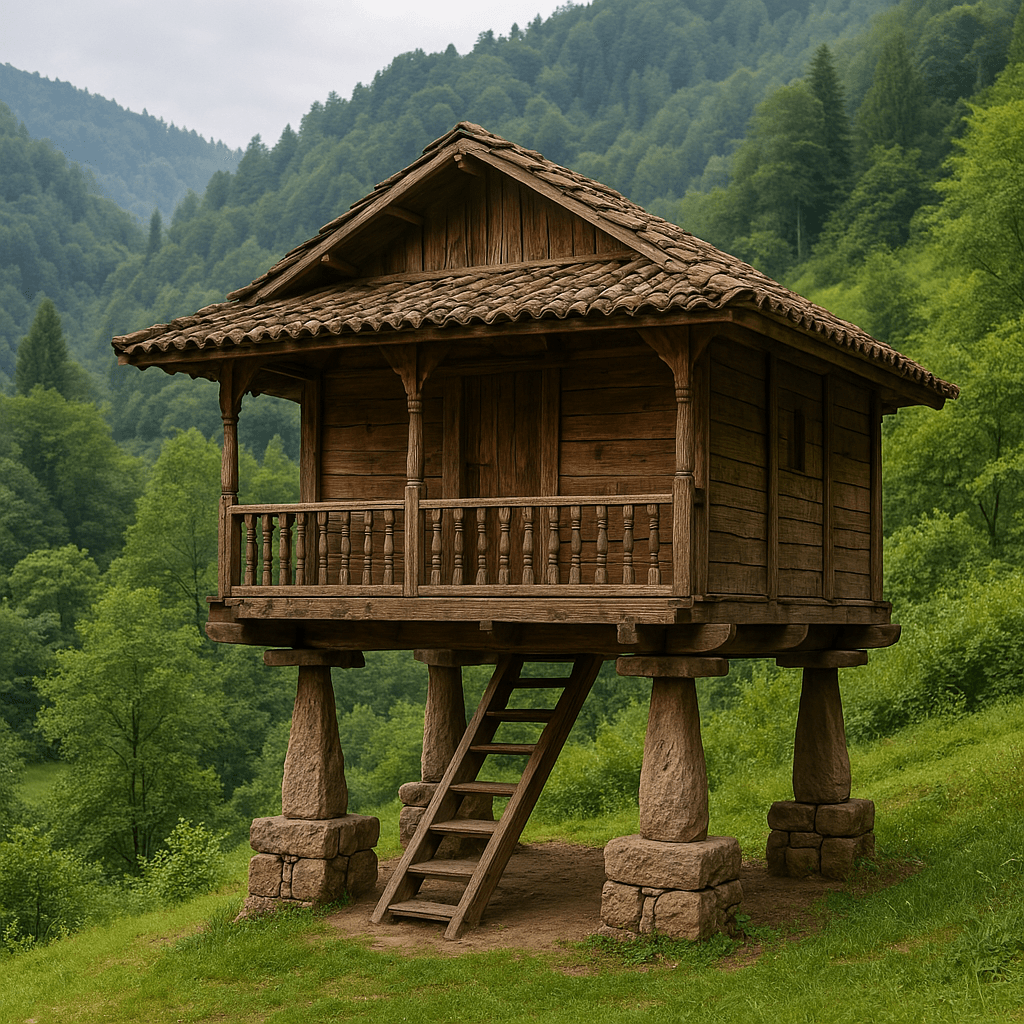
Nayla (Serender)
Nayla (serender) is a traditional structure built on wooden pillars, commonly found in the Eastern Black Sea region, especially in Rize, Artvin, and Trabzon. These structures are typically roofed and adorned with wooden decorations. They are used to dry and store foodstuffs such as maize, legumes, potatoes, oil, and cheese, protecting them from pests. History Serender is a traditional wooden structure that has been used for centuries to adapt to the unique geographical and climatic conditions of
EN
Ömer Faruk Mamat