

This article was automatically translated from the original Turkish version.
+2 More
Location | Kastamonu / Central | ||||||||
|---|---|---|---|---|---|---|---|---|---|
Institution Collected from | Turkish Education Volunteers Foundation | ||||||||
Type of Building | Konak | ||||||||
Period of Construction | Ottoman | ||||||||
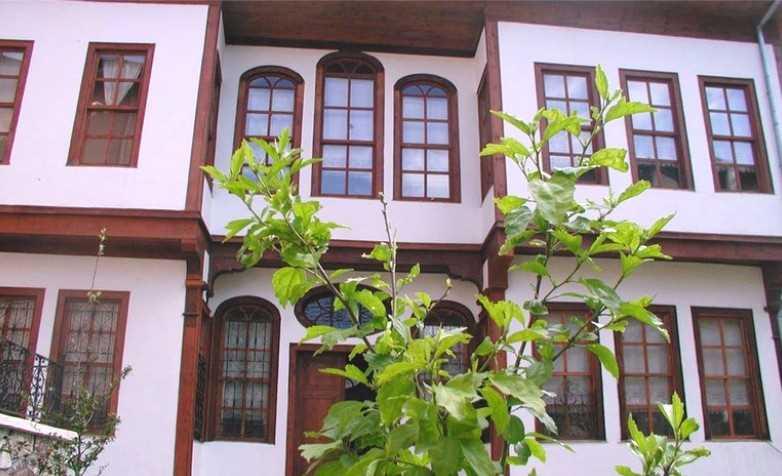
Sepetçioğlu Konağı is a residential building in Kastamonu, Türkiye, reflecting the characteristic features of Ottoman-era civil architecture. It is among the representative examples of the region’s traditional housing structure, offering insights into the lifestyle of the period through its floor plan, material usage, and decorative elements.
Sepetçioğlu Konağı is located in the center of Kastamonu city, embedded within the town’s traditional urban fabric. Although its exact construction date is unknown, it is generally accepted to have been built during the late period of the Ottoman Empire.【1】
Kastamonu is a settlement notable for its civil architectural examples developed especially during the 18th and 19th centuries, and Sepetçioğlu Konağı is regarded as one of the structures reflecting the residential concepts of that era.【2】
Restoration work on the building began with roof repairs on 25 November 1998, followed by full restoration on 22 June 1999, which was completed on 23 September 2000.
Sepetçioğlu Konağı exhibits a layout consistent with the traditional Turkish house typology. The structure commonly combines wood and stone materials, with the ground floor predominantly built in stone and the upper floors primarily in wood, reflecting the construction techniques of the period.
The spatial organization centered around the sofa area is of particular interest to visitors. Rooms are typically designed for multifunctional use, accommodating various aspects of daily life.
On the façade, projecting bay windows (cumba) and wooden ornamentation hold significant historical value. These elements served both aesthetic and functional purposes, with the placement and proportions of windows playing a decisive role in the interior’s lighting and ventilation.
During its time of construction, Sepetçioğlu Konağı was used as a residence, designed to accommodate extended families in accordance with the traditional Turkish family structure.
Over time, the building has become recognized as a cultural heritage asset within conservation and tourism contexts. Today, it remains among the historic structures reflecting Kastamonu’s urban fabric and continues to serve as one of the city’s visited sites.
Additionally, it has been allocated to the Turkish Volunteer Educators Foundation, headquartered in Istanbul, for community and student activities in the neighborhood. The foundation currently uses the building for social and cultural events.
GeziBilen Dijital Rehber. "Sepetçioğlu Konağı." GeziBilen Dijital Rehber. Accessed March 19, 2026. https://gezibilen.com/travelpoint/kastamonu/sepetcioglu-konagi
T.C. Ministry of Culture and Tourism. "Sepetçioğlu Konağı." *Kültür Portalı*. Accessed March 19, 2026. https://www.kulturportali.gov.tr/turkiye/kastamonu/gezilecekyer/sepetcoglu-konagi
Turk Eczacıları Birliği. Kastamonu 4. Ankara: TEB Yayınları, n.d. p. 8. Accessed March 19, 2026. https://e-kutuphane.teb.org.tr/pdf/eczaciodasiyayinlari/kastamonu_4/4.pdf
[1]
T.C. Kültür ve Turizm Bakanlığı. “Sepetçioğlu Konağı.” Kültür Portalı. Access date: 19 March 2026. https://www.kulturportali.gov.tr/turkiye/kastamonu/gezilecekyer/sepetcoglu-konagi
[2]
GeziBilen Dijital Rehber. “Sepetçioğlu Konağı.” GeziBilen Dijital Rehber. Access date: 19 March 2026. https://gezibilen.com/travelpoint/kastamonu/sepetcioglu-konagi
Location | Kastamonu / Central | ||||||||
|---|---|---|---|---|---|---|---|---|---|
Institution Collected from | Turkish Education Volunteers Foundation | ||||||||
Type of Building | Konak | ||||||||
Period of Construction | Ottoman | ||||||||
No Discussion Added Yet
Start discussion for "Sepetçioğlu Mansion" article
Location and History
Architectural Features
Use and Function of the Mansion