


This article was automatically translated from the original Turkish version.
+1 More
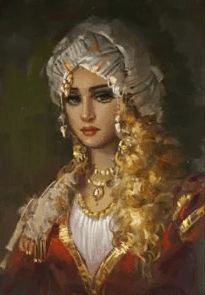
Fig.1 | Sarı Gelin (Representation) | ||||||||
|---|---|---|---|---|---|---|---|---|---|
Sarı Gelin türküsü is a melody enriched by varying narratives across the Anatolia region, with multiple legends regarding its origins. One of these narratives is based on a tragic love story believed to have taken place in Erzurum and its surroundings.
According to this version, a young man from Erzurum falls in love with the blonde daughter of a Kipchak chief living along the Çoruh River. The Kipchaks formed one of the branches of the Turkic peoples and were historically also known as “Cumans.” Since the word “Cuman” means “blonde,” it is thought that the name “Yellow Bride” derives from this association. However, their love is not approved by either family, and the young man decides to abduct the girl. The chief’s men pursue the couple and kill the young man. This tragic event, recounted for generations among the people, became the inspiration for the Sarı Gelin türküsü.
Another narrative linking the origins of the Sarı Gelin türküsü is tied to a Sufi tale. According to this legend, Sheikh Senan, a disciple of Abdulqadir Geylani, travels to Erzurum after seeing a vision of a beautiful woman. There, he falls in love with Humar, the daughter of Georgian King David IV. Because of the Indian-style attire she wore, she came to be called “Sarı Gelin” (Yellow Bride).
Sheikh Senan, driven by his love, makes great sacrifices to fulfill Humar Hatun’s wishes: he drinks wine, embraces Christianity, and even works as a shepherd. These actions disturb his dervishes, who return to their order. Later, it becomes clear that Sheikh Senan’s sacrifices were in fact trials endured for the sake of divine love, and the dervishes return to Erzurum to support him.
Although Sheikh Senan and Humar Hatun eventually reunite, their story ends tragically. The mountains that witnessed their meeting came to be known as “Allahu Akbar Mountains” thereafter.
The Sarı Gelin türküsü deeply explores themes of love and sacrifice. Both the tragic romance between the Erzurum youth and the Kipchak chief’s daughter and the Sufi dimension of Sheikh Senan and Humar Hatun’s story have enriched the song’s emotional depth. The Sarı Gelin türküsü symbolizes not merely an individual love but also cultural interaction, religious differences, and the power of human sacrifice. This rich content has secured the Sarı Gelin türküsü an important place in Anatolian folk culture and transformed it into a powerful legacy passed from generation to generation.
Erzurum bazaar market Leylim aman aman leylim aman aman Leylim aman aman sarı gelin
Inside walks a girl Hop ninen ölsün sarı gelin aman Sarı gelin aman sarı gelin aman suna yarim
In her hand divit pen Leylim aman aman leylim aman aman Leylim aman aman sarı gelin
Katlime decree author Hop ninen ölsün sarı gelin aman Sarı gelin aman sarı gelin aman suna yarim
Palandöken exalted mountain Leylim aman aman leylim aman aman Leylim aman aman sarı gelin
Six black with vine Hop ninen ölsün sarı gelin aman Sarı gelin aman sarı gelin aman suna yarim
I will not give you to strangers Leylim aman aman leylim aman aman Leylim aman aman sarı gelin
How many times my soul right Hop ninen ölsün sarı gelin aman Sarı gelin aman sarı gelin aman suna yârim
Gedik Üniversitesi. "Sarı Gelin Türküsünün Hikayesi." İGÜNSEM. Accessed March 18, 2025. https://uzemigunsem.gedik.edu.tr/sari-gelin-turkusunun-hikayesi.
T.C. Ministry of Culture and Tourism. "Hikayelerle Erzurum Türküleri." Erzurum İl Kültür veTurizm Müdürlüğü. Accessed March 18, 2025. https://erzurum.ktb.gov.tr/TR-308649/hikayelerle-erzurum-turkuleri.html.

Fig.1 | Sarı Gelin (Representation) | ||||||||
|---|---|---|---|---|---|---|---|---|---|
No Discussion Added Yet
Start discussion for "Sarı Gelin Folk Song" article
The Story of the Erzurum Youth and the Yellow Bride
The Story of Sheikh Senan and Humar Hatun
The Meaning of the Sarı Gelin Türküsü
Sarı Gelin Türküsü