


This article was automatically translated from the original Turkish version.
+2 More
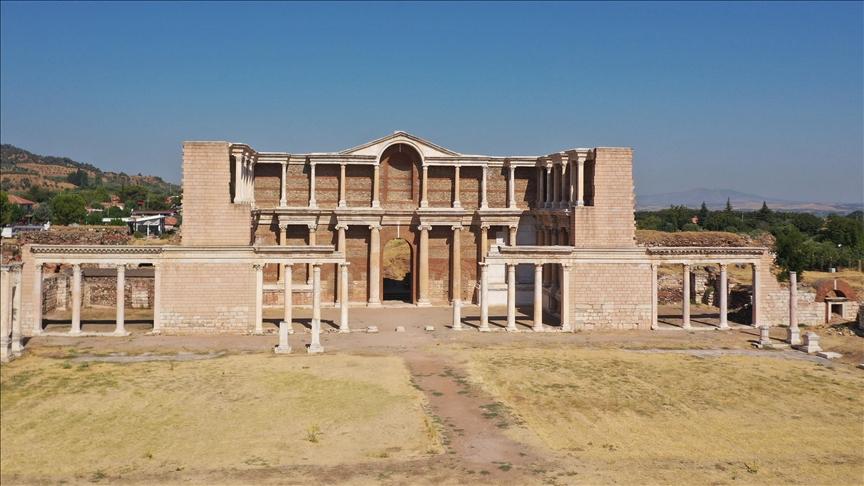
Sardis Ancient City
Location | Manisa Province Salihli district Sart township | ||||||||
|---|---|---|---|---|---|---|---|---|---|
History | Settlement since the 3rd millennium BCE, capital of the Lydian Kingdom, and an important cultural center under the rule of the Persian and Roman Empires | ||||||||
Important Features | The site of the world's first minted coins. Famous for the wealth of King Croesus of Lydia. Major structures such as the Temple of Artemis and the Gymnasium | ||||||||
Economy | Center of production of the first minted coins Important trade hub | ||||||||
Architecture and Excavations | Large theater, temples, and an advanced water distribution system. Lydian-period remains uncovered through archaeological excavations | ||||||||
Tourism | On UNESCO's World Heritage Tentative List, the ancient city ruins, temples, and other structures offer visitors a historical experience | ||||||||
Sardis, located in what is now the boundaries of Manisa province, was the capital of the Lydian Kingdom in antiquity and remains one of Türkiye’s most significant archaeological sites. Renowned in antiquity for its wealth, cultural diversity, and strategic location, Sardis served as a regional center both politically and economically. The reign of King Croesus (6th–5th century BCE), the last ruler of the Lydian Kingdom, marks the peak of Sardis’s economic and cultural development. Under Persian, Roman, and Byzantine rule, Sardis continued to function as a commercial and cultural hub. Modern excavations have revealed the city’s history, architecture, artistic achievements, and daily life.
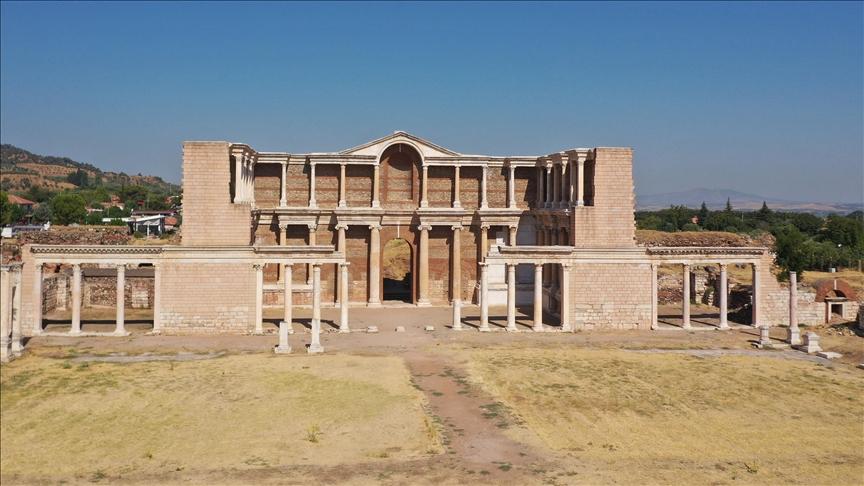
Sardes Antik Kenti - Anadolu Ajansı
Sardis is situated on the right bank of the Pactolus River in western Anatolia. The Pactolus River was known in antiquity as a watercourse carrying gold and played a vital role in Sardis’s economic structure. The gold extracted from this river provided the Lydian Kingdom with substantial economic power. The Lydian Kingdom was among the first civilizations to mint gold coins in the 7th century BCE, thereby revolutionizing trade systems. This innovation established Sardis as a central hub of commerce.
In addition to precious metals such as gold and silver, Sardis developed expertise in textile and craft production. Excavations in the city have uncovered evidence of ancient textile manufacturing. Textile products known as Lydian cloth represent one of the key examples of industrial activity during this period. Furthermore, Sardis’s position at the intersection of land routes connecting the Aegean Sea with central Anatolia contributed significantly to the growth of both domestic and international trade.
The history of Sardis dates back to the foundation of the Lydian Kingdom. Established in the 8th century BCE, the Lydian Kingdom experienced significant economic and cultural growth during the reign of King Croesus in the 6th century BCE. Croesus supported the minting of gold coinage and the construction of major buildings in the city.
In 546 BCE, Sardis was conquered by Cyrus the Great, founder of the Achaemenid Persian Empire, and became the administrative center of a satrapy. During this period, traces of Hellenistic culture began to appear in Sardis. Following Alexander the Great’s conquest of Anatolia, the city came under the influence of the Hellenistic world.
Sardis remained an important settlement during the Roman Empire and became a center of early Christianity. Under Emperor Diocletian’s administrative reforms, Sardis was reorganized as an administrative hub. During the Byzantine period, churches and other Christian structures were constructed throughout the city.
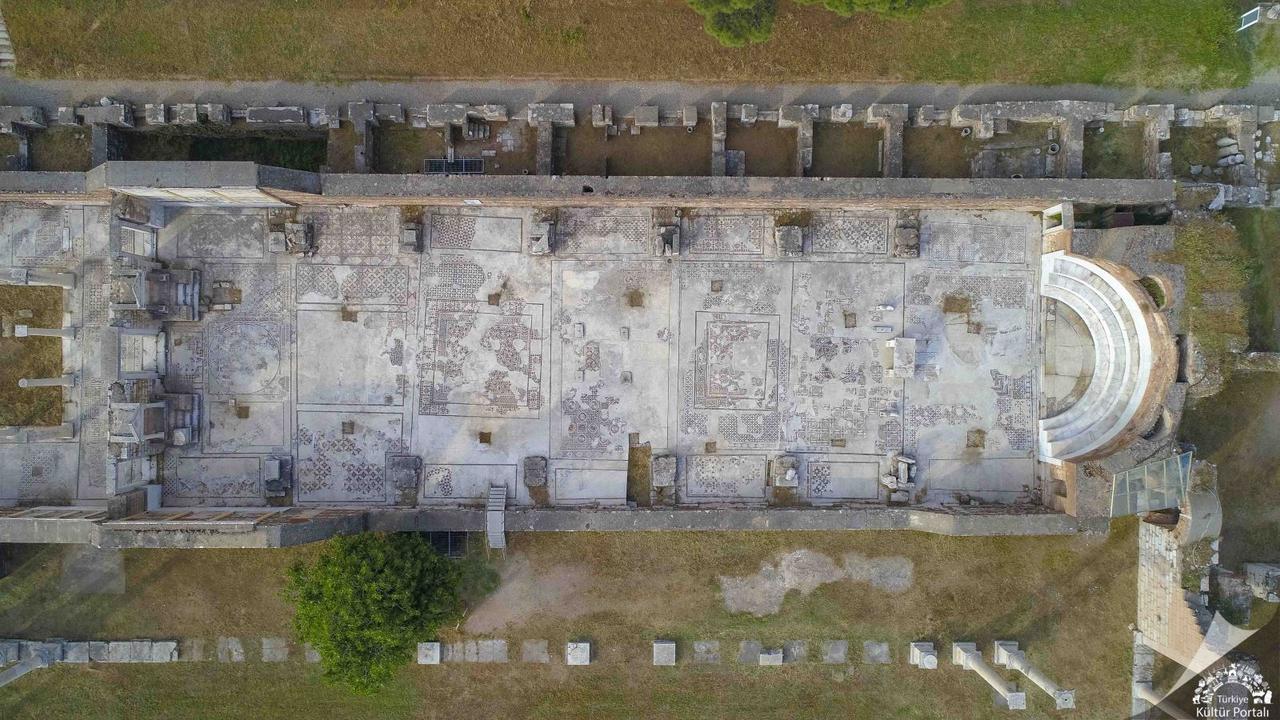
Sardes Antik Kenti - Kültür Portalı
Excavations at Sardis were initiated in the early 1900s by Howard Crosby Butler of Princeton University. Between 1910 and 1914, the Temple of Artemis, the Lydian necropolis, and burial sites along the eastern bank of the Pactolus River were discovered. Excavations were suspended for a time due to the First World War and the Greco-Turkish War, resulting in the loss of some artifacts.
Excavations resumed in the late 1940s and were expanded from 1958 onward through a collaboration between Harvard and Cornell Universities. Between 1977 and 2008, under the leadership of Crawford Greenewalt Jr., excavations yielded significant findings regarding the administrative structure and cultural richness of the Lydian Kingdom. Artifacts from the Temple of Artemis and other structures and tombs have provided valuable insights into Lydian religious beliefs and daily life.
Since 2008, excavations have continued under the direction of Professor Nicholas Cahill. During this phase, detailed investigations have been conducted on the theater, baths, bridges, and other structures. Additionally, ancient mosaics, sculptures, and other artistic works have been uncovered.
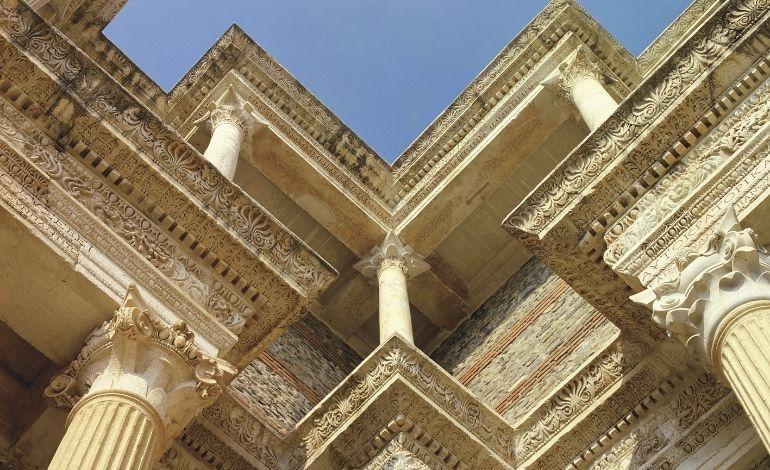
Sardes Antik Kenti(Kültür ve Turizm Bakanlığı)
The Ancient City of Sardis has been rebuilt multiple times throughout various historical periods. Large portions of the city have been destroyed due to erosion, agricultural activity, and the reuse of building materials. Today, Sardis is preserved as one of Türkiye’s key archaeological sites and continues to be uncovered through ongoing excavations.
Sardis is listed on UNESCO’s Tentative List of World Heritage Sites. Ongoing conservation and restoration efforts aim to preserve the ancient city’s remains for future generations. These initiatives provide valuable information for historians, archaeologists, and cultural researchers.
The Ancient City of Sardis - TRT2
Anadolu Ajansı. "Sardes Antik Kentindeki Sürün İhtişamı Kazıyla Ortaya Çıkarılıyor." Accessed May 15, 2025.https://www.aa.com.tr/tr/kultur/sardes-antik-kentindeki-surun-ihtisami-kaziyla-ortaya-cikariliyor/3300851
Culture Portal. "Sardes Antik Kenti." Accessed May 15, 2025.https://www.kulturportali.gov.tr/turkiye/manisa/gezilecekyer/sart
Manisa İl Kültür ve Turizm Müdürlüğü. "Sardes Antik Kenti." Accessed May 15, 2025.https://manisa.ktb.gov.tr/TR-73014/sardes-antik-kenti-salihli.html
Ministry of Culture and Tourism. "Sardes Antik Kenti ve Bin Tepeler Lidya Tümülüsleri." Accessed May 15, 2025.https://kvmgm.ktb.gov.tr/TR-51373/sardes-antik-kenti-ve-bintepeler-lidya-tumulusleri-manisa.html
Tosun, Erkan. Paranın Doğduğu Yer: Sardes Antik Kenti. Accessed May 15, 2025.https://scholar.google.com.tr/citations?view_op=view_citation&hl=tr&user=39N8dMUAAAAJ&citation_for_view=39N8dMUAAAAJ:isC4tDSrTZIC
Yegül, Fikret K. "Sardes: Tarih, Mimarlık ve Şehircilik." Anadolu Araştırmaları / Anatolian Research 23 (2020): 135–158. Accessed May 15, 2025.
YouTube. "Sardes Antik Kenti - Tarih ve Arkeoloji." YouTube video. Accessed May 15, 2025.https://www.youtube.com/watch?v=W7HTXauwsuA

Sardis Ancient City
Location | Manisa Province Salihli district Sart township | ||||||||
|---|---|---|---|---|---|---|---|---|---|
History | Settlement since the 3rd millennium BCE, capital of the Lydian Kingdom, and an important cultural center under the rule of the Persian and Roman Empires | ||||||||
Important Features | The site of the world's first minted coins. Famous for the wealth of King Croesus of Lydia. Major structures such as the Temple of Artemis and the Gymnasium | ||||||||
Economy | Center of production of the first minted coins Important trade hub | ||||||||
Architecture and Excavations | Large theater, temples, and an advanced water distribution system. Lydian-period remains uncovered through archaeological excavations | ||||||||
Tourism | On UNESCO's World Heritage Tentative List, the ancient city ruins, temples, and other structures offer visitors a historical experience | ||||||||
No Discussion Added Yet
Start discussion for "Sardis Ancient City" article
Geographical Location and Economic Structure
Historical Development and Periods
Archaeological Excavations and Discoveries
Cultural Heritage and Conservation Efforts