


This article was automatically translated from the original Turkish version.
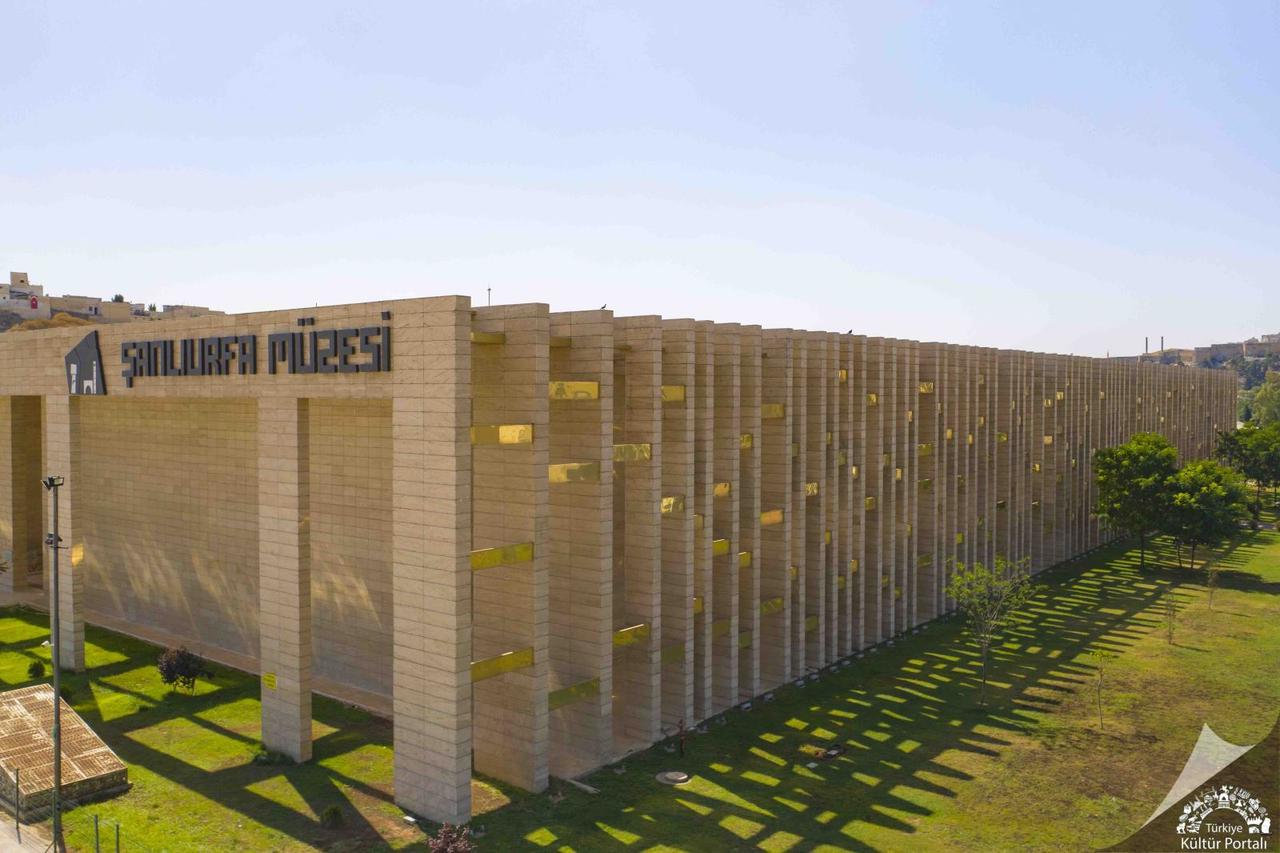
Şanlıurfa Archaeological Museum
Area | 29,000 m² | ||||||||
|---|---|---|---|---|---|---|---|---|---|
Location | Türkiye Şanlıurfa | ||||||||
Exhibition Area | 14 | ||||||||
Recreation Area | 32 | ||||||||
Opening Year | 2015 | ||||||||
Periods | Hellenistic Islamic Period Roman and Byzantine Chalcolithic and Iron Age Chalcolithic Neolithic Paleolithic | ||||||||
Main Attractions | Mythological Works: Eros-Psyche Relief, Statue of the Goddess of Victory Nike Balıklıgöl Statue (Urfa Man): The oldest statue in the world in human dimensions Replica of Göbeklitepe Temple D: Stone blocks with animal figures and temple architecture Late Roman Glass Bottles: Decorated glass objects made using the free-blown technique | ||||||||
Şanlıurfa Arkeoloji Müzesi is a comprehensive museum complex that systematically displays tens of thousands of artifacts from the Paleolithic, Chalcolithic, Bronze, Iron, Hellenistic, Roman, Byzantine and Islamic periods, with a primary focus on the Neolithic era, as one of Türkiye’s key institutions for preserving its cultural heritage. It ranks among Türkiye’s largest archaeological museums in terms of both exhibition techniques and diversity of artifacts, documenting the prehistoric and historic processes of Anatolia through finds from historical sites such as Göbeklitepe, Nevalı Çori, Balıklıgöl and Harran.
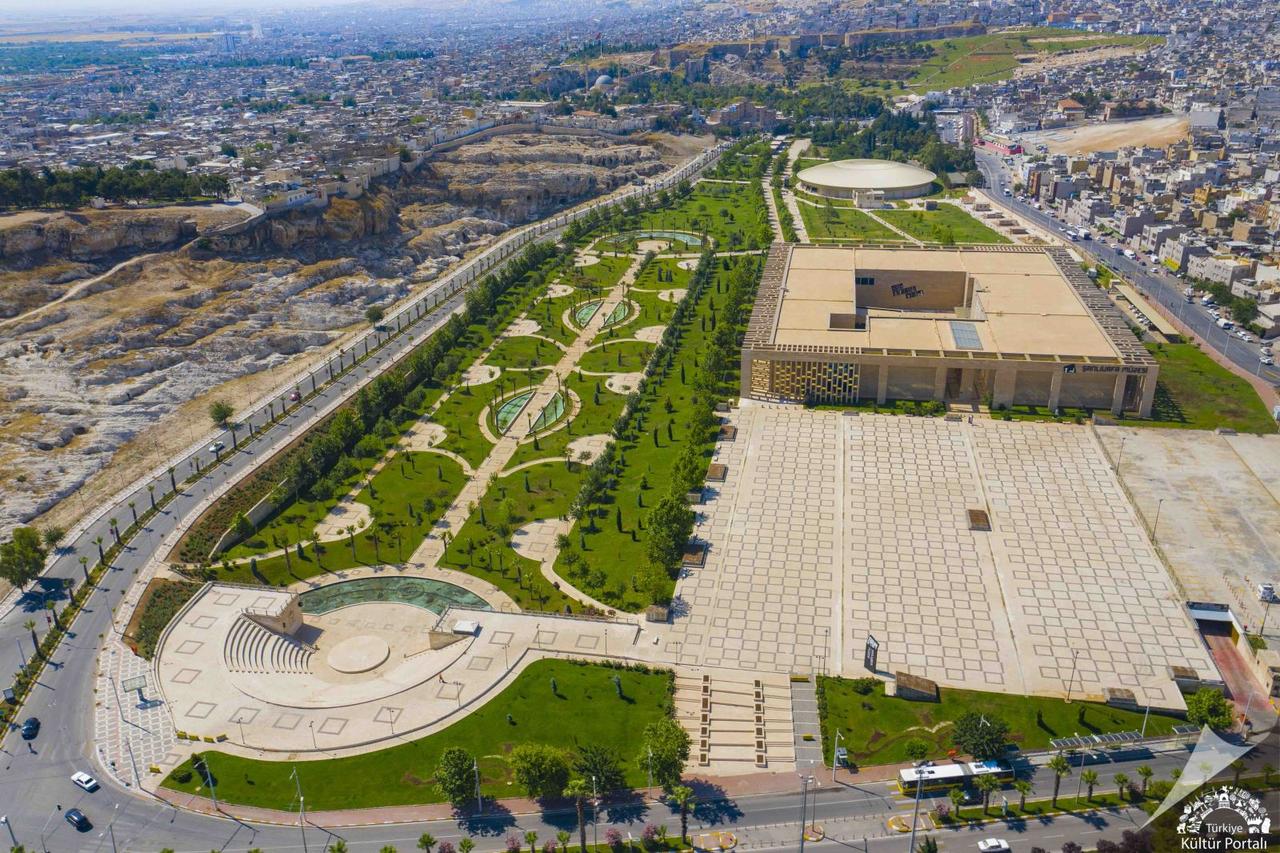
Şanlıurfa Arkeoloji Müzesi (Türkiye Kültür Portalı)
The idea of a museum in Şanlıurfa first emerged in 1948. The process began with the storage of artifacts at Atatürk Primary School and later developed when the collection was moved to Şehit Nusret Primary School in 1956. However, the existing physical conditions proved inadequate to display Şanlıurfa’s thousands of years of historical accumulation, leading to the decision to construct a new museum building. Construction of the museum building at the Şehitlik site commenced in 1965 and it was opened to the public in 1969 on a 1,500 square meter area.
As this structure also became insufficient over time, a new museum complex with a covered area of 29,000 square meters was put into service in 2015. This new building has become a model in Turkish museology not only due to its physical scale but also because of its scientific, educational and cultural functions.
The museum complex comprises 14 main exhibition halls, 33 reconstruction areas, temporary exhibition galleries, cinemavision rooms, children’s workshops and souvenir sales units. Within the archaeopark area located between the archaeological and mosaic museums, architectural examples reflecting period-specific features and an excavation training area are displayed. Experimental archaeology activities are also conducted in this area, particularly to introduce excavation processes to children.
The exhibition route extends to 4.5 kilometers, making it one of the longest indoor museum pathways in Türkiye. In this respect, it meets international museum standards in terms of both physical capacity and exhibition design.
The artifacts in the museum are presented according to historical chronology. Each hall is enriched with finds illuminating the social, religious and economic life of its period, supplemented by reconstructions and replicas.
This hall is one of the museum’s most important sections. Sculptures, reliefs and architectural fragments obtained from the Göbeklitepe excavations are displayed here. A full-scale replica of Göbeklitepe and the animal figures from the temples—such as leopards, snakes, scorpions, gazelles and wild boars—provide significant insights into the belief systems of the Neolithic period.
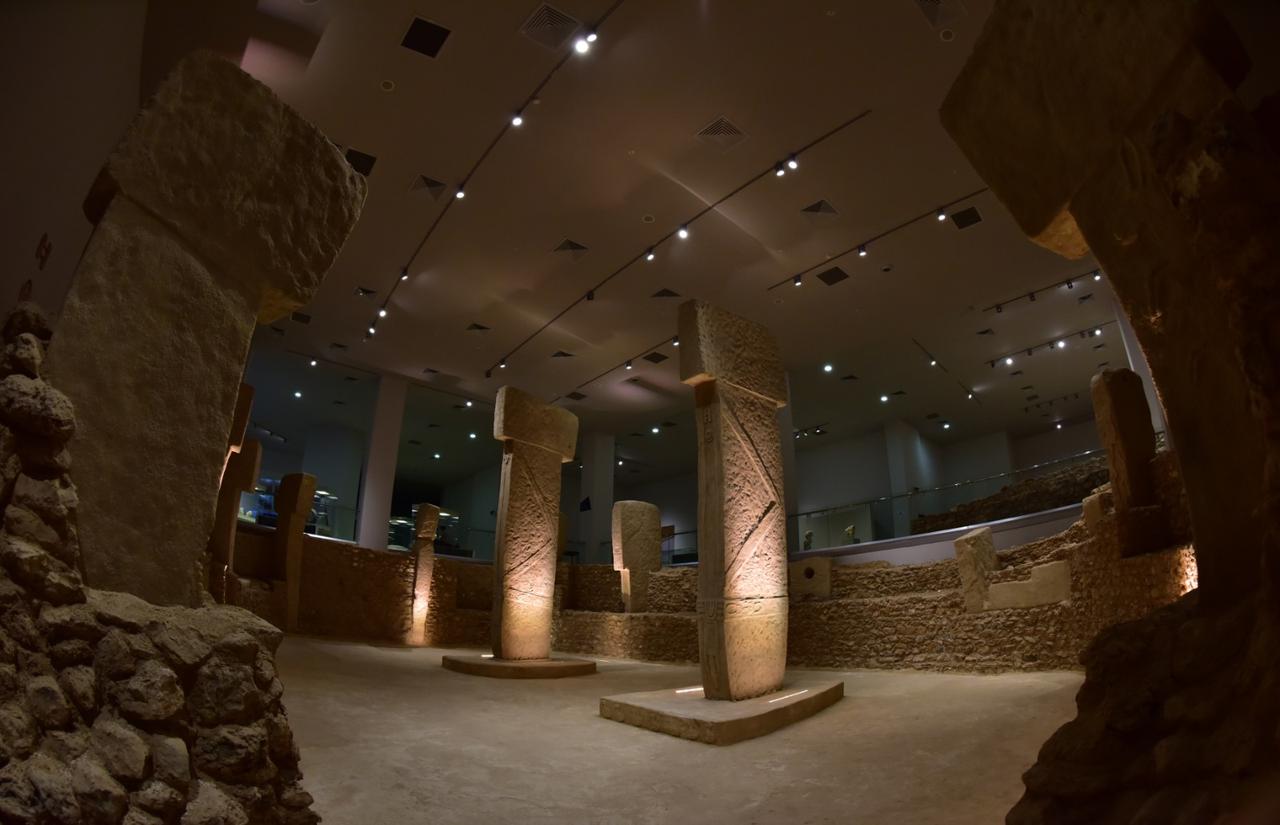
Neolitik Dönem Salonu (Türkiye Kültür Portalı)
Discovered in the 1990s in the ancient settlement areas of Urfa, north of Balıklıgöl, this statue, also known as “Urfa Man,” is recognized as the oldest life-sized human statue in the world. Made of limestone and measuring 180 cm in height, its eye sockets are inlaid with black obsidian pieces. It depicts a completely nude human figure with hands clasped in front and a base carved in a “U” shape. The artifact is dated to the Pre-Pottery Neolithic period.
The glass artifacts on display in the museum, particularly bottles from the Late Roman period, attract significant attention. These bottles were typically used for storing perfume or liquids and were produced using free-blown and tool-shaped techniques. Among the glass artifacts are:
The museum’s collection also includes depictions related to mythology:
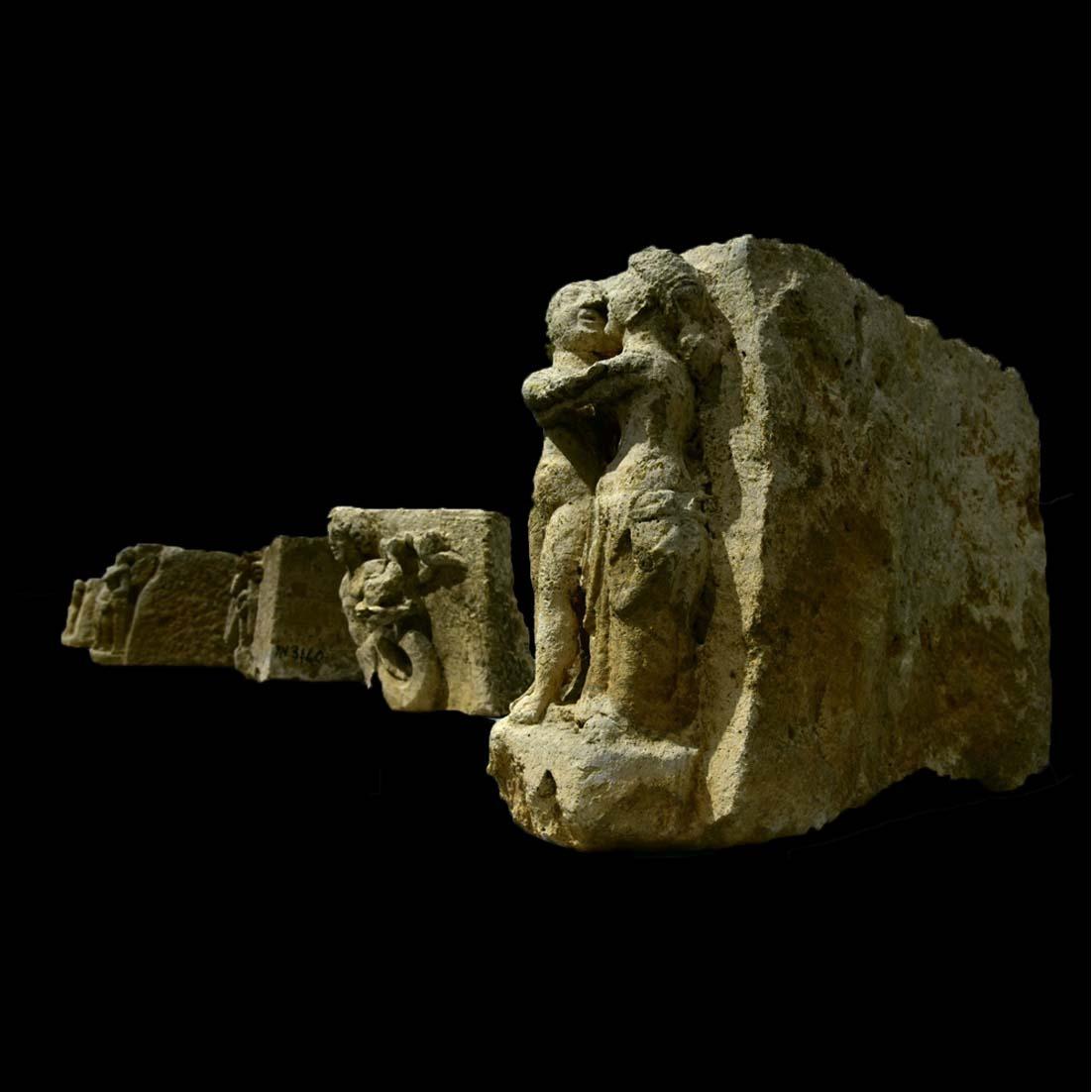
Eros ve Psykhe Heykeli (Türkiye Kültür Portalı)
Şanlıurfa Müzesi (Turkish Museums)
Eker, Kasım, and Serap Zencirkıran. “Şanlıurfa Müzesi’nden Geç Roma Dönemi Bir Grup Cam Şişe.” *Milli Kültür Araştırmaları Dergisi* 8, no. 2 (2024): 194–202. Accessed May 2, 2025.
Ercan, Müslüm, and Bahattin Çelik. “Şanlıurfa Müzesi’nden Neolitik Döneme Ait Bir Grup Eser.” *Anadolu* 39 (May 2013). Accessed May 2, 2025.
T.C. Kültür ve Turizm Bakanlığı. "Şanlıurfa Arkeoloji Müzesi." *Kültür Portalı*, 2020.https://kulturportali.gov.tr/turkiye/sanliurfa/gezilecekyer/sanliurfa-arkeoloji-muzesi-1. Accessed May 2, 2025.
Şanlıurfa Archaeological Museum
Area | 29,000 m² | ||||||||
|---|---|---|---|---|---|---|---|---|---|
Location | Türkiye Şanlıurfa | ||||||||
Exhibition Area | 14 | ||||||||
Recreation Area | 32 | ||||||||
Opening Year | 2015 | ||||||||
Periods | Hellenistic Islamic Period Roman and Byzantine Chalcolithic and Iron Age Chalcolithic Neolithic Paleolithic | ||||||||
Main Attractions | Mythological Works: Eros-Psyche Relief, Statue of the Goddess of Victory Nike Balıklıgöl Statue (Urfa Man): The oldest statue in the world in human dimensions Replica of Göbeklitepe Temple D: Stone blocks with animal figures and temple architecture Late Roman Glass Bottles: Decorated glass objects made using the free-blown technique | ||||||||
No Discussion Added Yet
Start discussion for "Şanlıurfa Archaeological Museum" article
Foundation and Institutional Development
Architectural and Functional Features
Chronological Halls and Thematic Exhibits
Neolithic Period Hall
Balıklıgöl Statue
Other Period Halls
Late Roman Glass Artifacts
Mythological and Symbolic Artifacts