+2 More

Father | Salvador Dalí i Cusí | ||||||||
|---|---|---|---|---|---|---|---|---|---|
Spouse | Gala Dalí | ||||||||
Mother | Felipa Domènech Ferrés | ||||||||
Date of birth | 1904-05-11 | ||||||||
Place of birth | Figueres Spain | ||||||||
Most famous painting | The Persistence of Memory – 1931 | ||||||||
Date of death | 1989-01-23 | ||||||||
Place of death | Figueres Spain | ||||||||
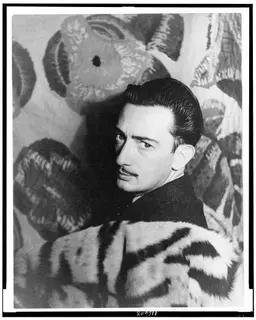
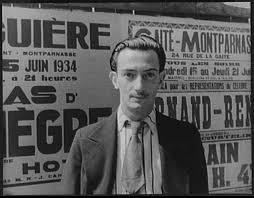
Salvador Domingo Felipe Jacinto Dalí (11 May 1904, Figueres, Spain – 23 January 1989, Figueres, Spain) was a Spanish painter sculptor and film producer. His work is best known for its association with the Surrealist movement. Dalí also produced works in diverse artistic fields including printmaking film and sculpture.
During Salvador Dalí’s childhood the tragic death of his older brother who shared the same name left a lasting imprint on the artist’s subconscious. This event led Dalí to perceive himself as the reincarnation of his deceased sibling and formed the psychological foundation for themes that would recur throughout his later works. Additionally trips with his family to the Catalan countryside during his childhood heightened his interest in nature and detail which later manifested in his art as an extraordinary level of realism.
While receiving classical art training at the San Carlos Academy of Fine Arts in Madrid Dalí also showed intense interest in literature and philosophy. He was particularly influenced by Sigmund Freud’s theories of psychoanalysis and successfully integrated the concept of the unconscious into his art. Although he struggled to conform to academic discipline and frequently clashed with his teachers due to his unconventional behavior this contributed to the development of his unique artistic vision. His departure from school before completing his education enabled Dalí to chart his own independent path in the art world.
After encountering the Surrealist movement in Paris Dalí became one of its leading figures and established close relationships with its leaders such as André Breton. However Dalí’s distinctive commercial acumen and eccentric personality eventually caused ideological rifts with the Surrealist circle. In addition to painting Dalí produced works in sculpture film and photography. The Surrealist short film Un Chien Andalou which he co-created with Luis Buñuel holds a significant place in cinema history. In the 1940s Dalí moved to the United States where he gained a wide fan base and collaborated with Hollywood and the fashion industry. He actively engaged in fashion design and advertising transcending the boundaries of traditional art; for instance he participated in Chanel’s advertising campaigns and designed Surrealist jewelry. The Salvador Dalí Museum opened in his birthplace Figueres in 1980 comprehensively showcases the artist’s life and works and has made a vital contribution to preserving his legacy.
The Persistence of Memory 1931 is Dalí’s most iconic painting. With its melting clocks it represents the fluid and relative nature of time. This work established Dalí’s international reputation.
This painting is Dalí’s most famous work and is regarded as one of the symbols of Surrealism. The melting and bending clocks represent the relativity of time and the irrational nature of the unconscious. Here Dalí questions the boundary between dreams and reality. The work is part of the collection at the Museum of Modern Art MoMA in New York.
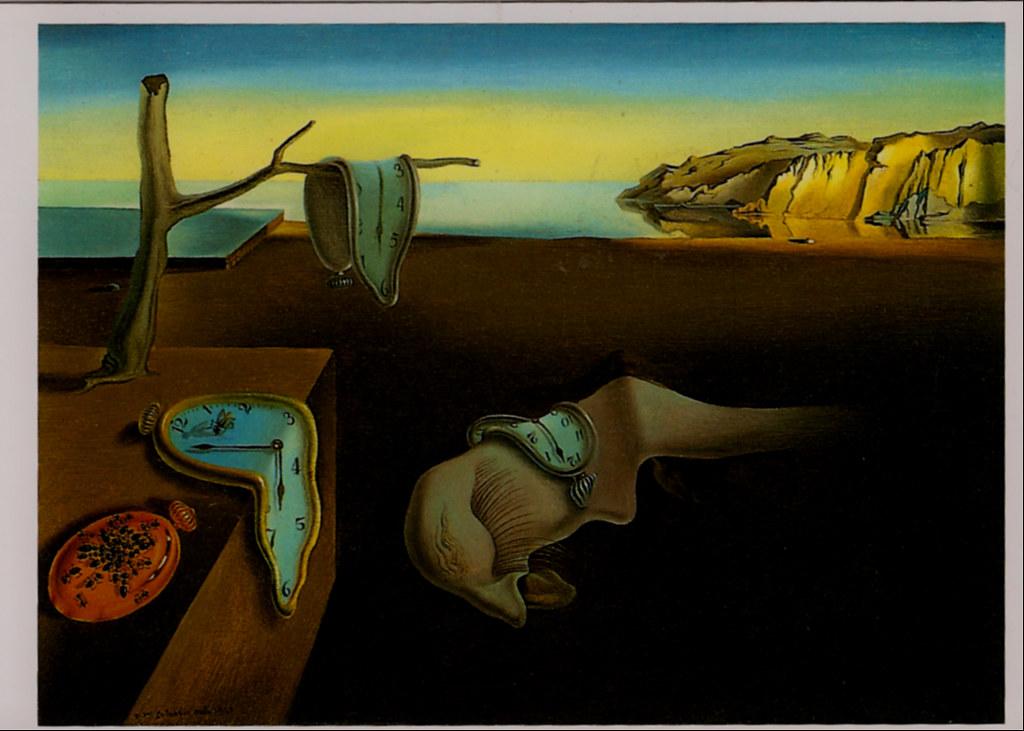
The Persistence of Memory Painting – 1931 (Flickr)
This large-scale painting depicts the destructive impact of the Spanish Civil War symbolizing the chaos and fragmentation brought by conflict. Dalí presents the devastation wrought by war on human nature in grotesque and dramatic form.
Dalí’s wife Gala was one of the most frequently portrayed models in his work. Her portraits reflect her significant role in both his personal life and artistic production. Gala was Dalí’s source of inspiration and the driving force behind his career.
Dalí designed the face of the famous actress Mae West as a living room interior. This work demonstrates Dalí’s skill in combining objects in unusual ways and playing with optical illusions.
The painting interprets the scene of the Last Supper a pivotal moment in Christianity. It depicts the sacred moment when Jesus shares his final meal with his disciples in a modern and mystical style. A painting with the same title was also created by Leonardo da Vinci between the early 1490s and 1498.
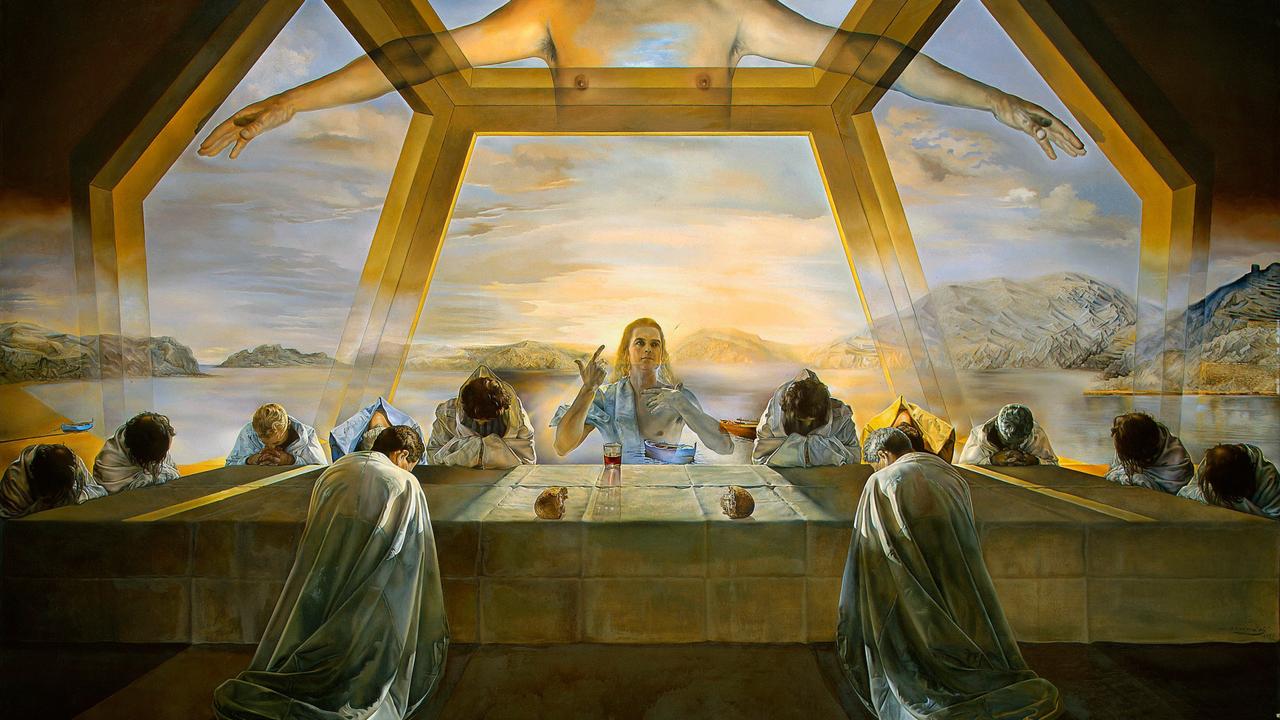
The Sacrament of the Last Supper Painting – 1955 (GoodFon)
A work featuring slender long and bizarre elephant figures.
A Surrealist object work containing an uncanny combination of elements.
A double-image composition depicting the transformation of nature and animals.
A Surrealist composition filled with human figures and symbols.
An artwork inspired by Greek mythology centered on the theme of transformation.
A painting depicting two figures merging into one known as a symbol of passion and unity.
A dark composition featuring figures bearing the horror and destruction of war on their faces.
A painting exploring religious and mystical themes rich in cultural symbols.
It reflects dreams and unconscious imagery in a detailed and symbolic manner.
This short film co-directed with Luis Buñuel is one of the earliest examples of Surrealist cinema. Unlike traditional narrative structures it is based on dream logic. It contains sharp imagery and startling scenes. This work represents one of Dalí’s efforts to express his art through cinema.
A self-portrait in which Dalí depicts himself ironically and unconventionally in oil paint. It is housed in the Dalí Theatre-Museum in Figueres Spain.
Salvador Dalí made significant contributions not only in painting and sculpture but also in the world of fashion and design. In the 1930s he collaborated with the renowned Italian fashion designer Elsa Schiaparelli participating in creative projects that challenged the boundaries of the era. Iconic designs such as the Lobster Dress emerged from this collaboration and are among the most important examples of Dalí’s artistic vision intersecting with fashion. Moreover the artist turned his attention to jewelry and furniture design bringing Surrealist aesthetics into everyday objects. These multifaceted endeavors reflect Dalí’s efforts to reinterpret his art across disciplines and reach broader audiences.
From the 1960s onward Dalí increasingly reflected his fascination with modern science and technology in his work. His curiosity about scientific subjects such as atomic energy and the structure of DNA molecules deepened the themes in his art. During this period his works prominently featured molecular structures and scientific imagery demonstrating a fusion of his artistic vision with modern science. This approach enabled Dalí to move beyond traditional Surrealism and establish a distinctive and original position in the contemporary art world. Dalí’s scientific interests added an intellectual dimension to his creative process and enhanced the universality of his art.
Opened in 1974 in his birthplace Figueres the Dalí Theatre-Museum is a major venue displaying the artworks and personal collection amassed by the artist throughout his life. Dalí personally designed the museum to preserve his memory and transmit his art to future generations arranging its architecture so that it would itself become part of the artwork. The museum is a unique artistic creation both in its structural design and in the works it contains offering visitors a comprehensive experience of Dalí’s creative universe. Completed before the artist’s death this project played a crucial role in preserving and promoting his artistic legacy.
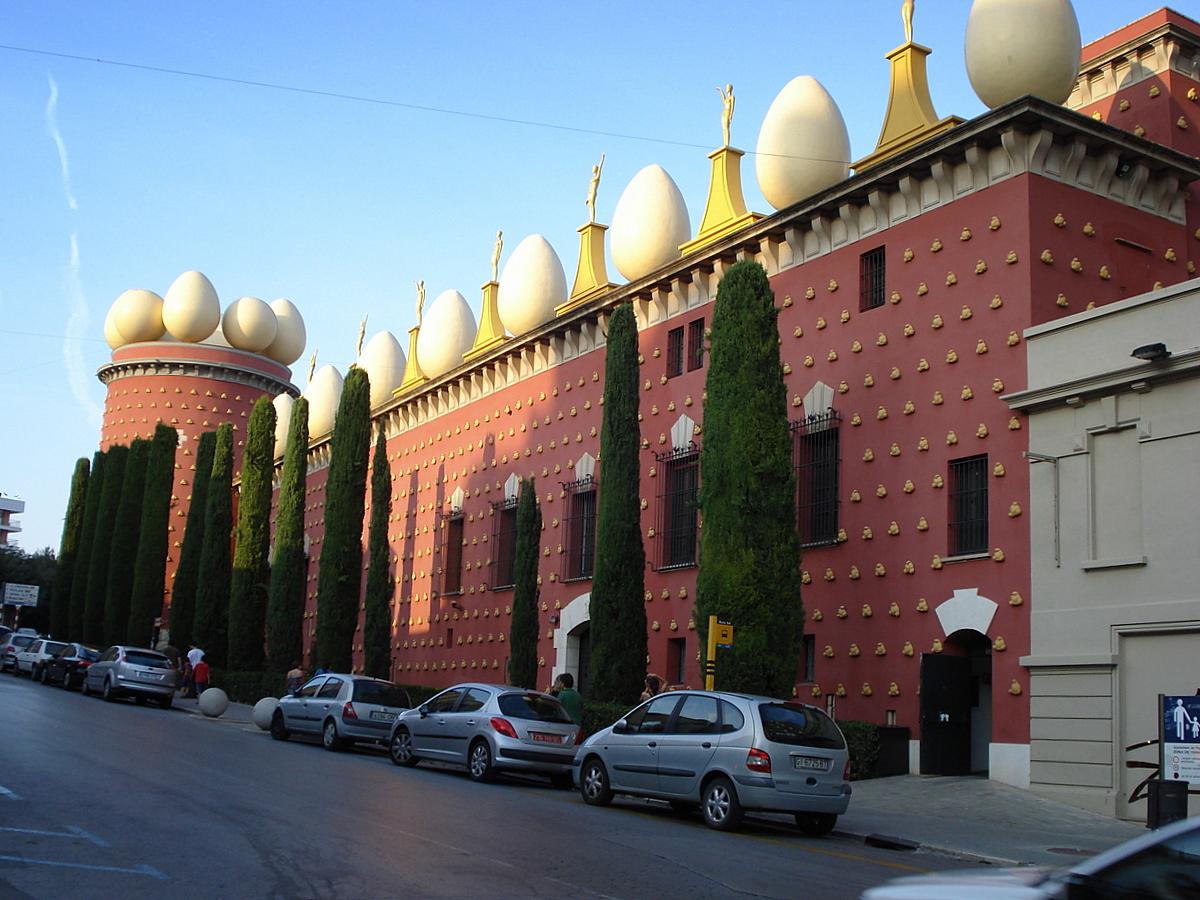
A view from the Dalí Museum – Spain (Picryl)
In 1969 Enric Bernat founder of the famous lollipop brand Chupa Chups approached Salvador Dalí to design a new logo for the brand. Dalí accepted the commission and designed the logo in the shape of a daisy aiming to visually convey the product’s cheerfulness freshness and appeal. He also proposed placing the logo on the top surface of the lollipop ensuring it was clearly visible from multiple angles. This creative approach increased the brand’s recognition and stands as a significant example of Dalí’s influence in design. The design not only added artistic value to the brand identity but also strengthened its visual communication with consumers.
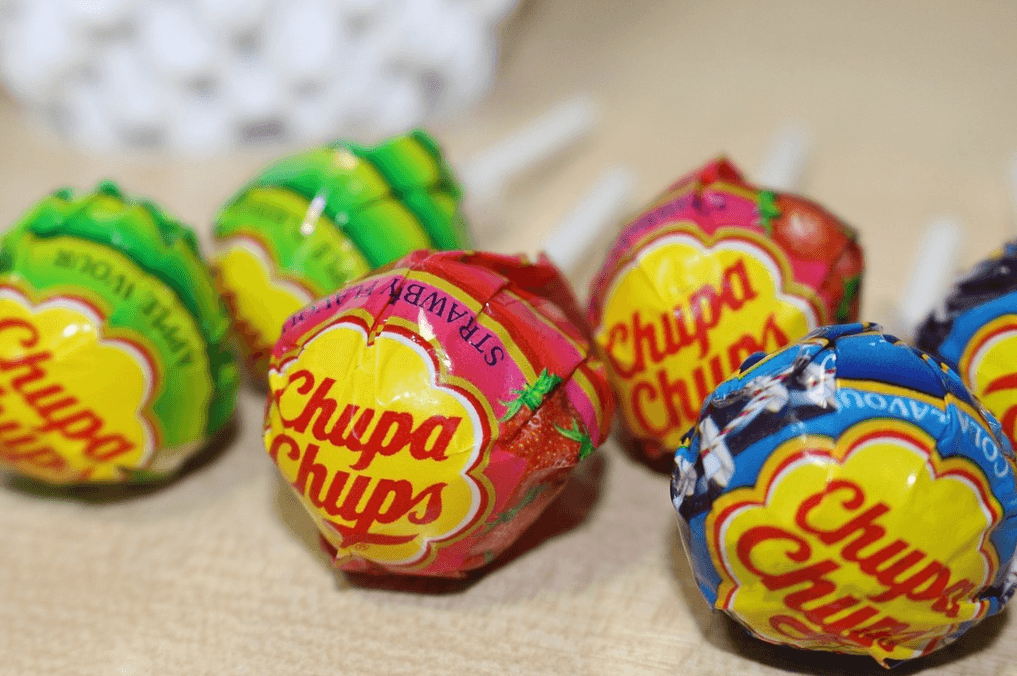
Chupa Chups Logo (Picryl)
His father Salvador Dalí i Cusí was a notary and local official; his mother Felipa Domènech Ferrés was a woman interested in art who supported her son’s creative talents. Dalí had a younger sister named Anna Maria. The family recognized his artistic passion early and encouraged it. In 1934 Dalí married Gala Éluard of Russian descent. Gala was both his life partner and his source of inspiration. Previously married to the poet Paul Éluard Gala played a pivotal role in Dalí’s career serving as his manager model and life guide. Dalí held deep admiration for Gala and portrayed her in many of his works.
Dalí had an eccentric and attention-grabbing personality. He was known for his distinctive long curled mustache theatrical gestures and unconventional behavior. He viewed himself and cultivated his public image as a “genius” frequently using this persona in the media. He made mystical and sometimes exaggerated statements about his creative process. He lived a luxurious and flamboyant lifestyle in both Spain and the United States maintaining close ties with the art and fashion worlds. He also showed interest in science philosophy and religion. In particular mystical and religious themes became increasingly prominent in his works during the later years of his life.
The death of his wife Gala in 1982 had a profound impact on Dalí. After this date his artistic output declined significantly and he suffered from health problems. Salvador Dalí passed away on 23 January 1989 in his birthplace Figueres. In accordance with his will his body was interred in a special tomb within the Dalí Theatre-Museum.
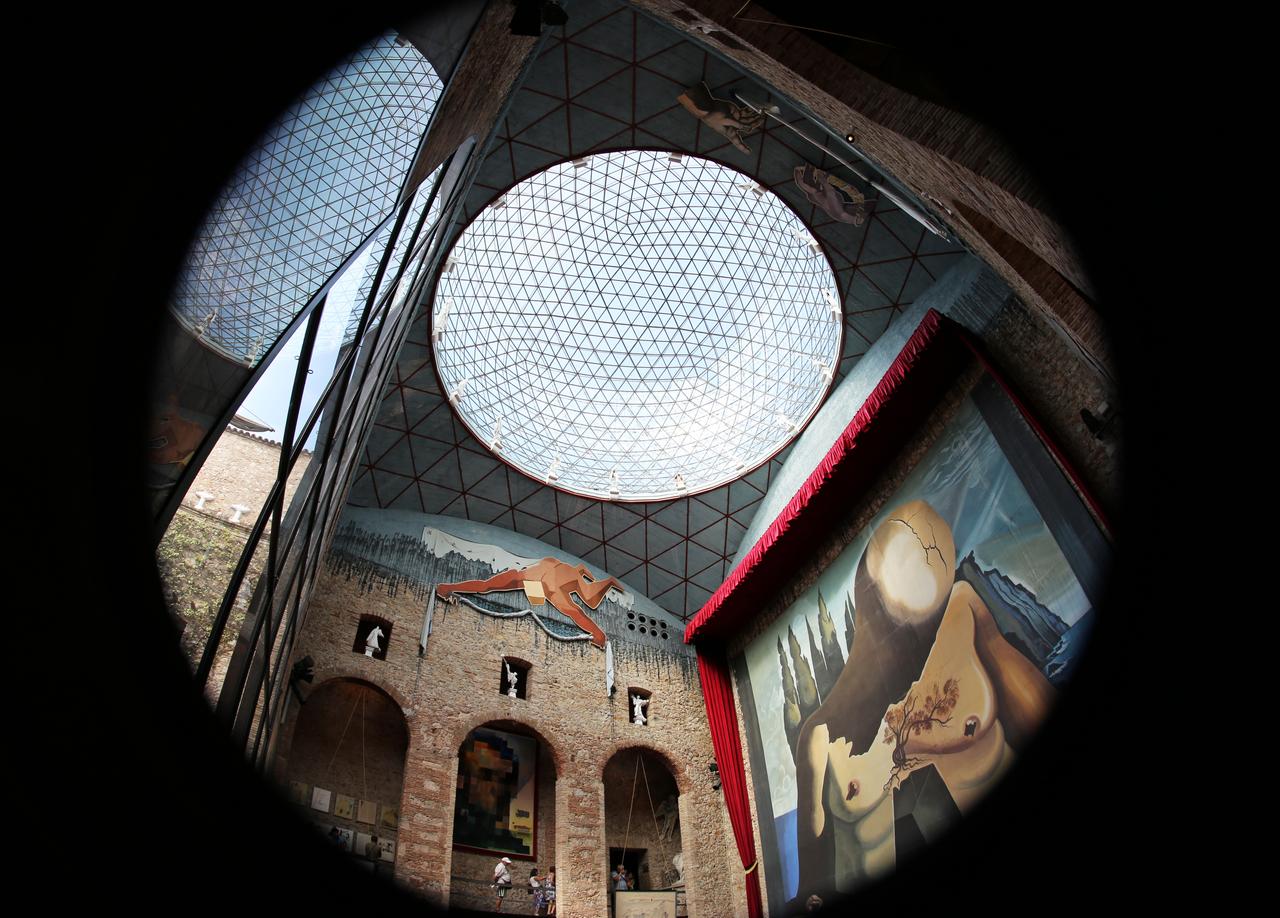
An interior view of the Dalí Theatre (Pxhere)
Academy Museum. "Un chien andalou with L'Age d'Or." Accessed October 25, 2025.
Fundació Gala-Salvador Dalí. "Dalí Theatre-Museum." Accessed October 25, 2025.https://www.salvador-dali.org/en/dali-foundation/get-to-know-the-foundation/who-we-are/.
Jerry. “Salvador Dali Museum at Figueres.” Flickr, September 30, 2007. Photograph.
Larry Agency. "Famous logos: the story of Chupa Chups and Dalì." Accessed October 25, 2025.
Pixabay. “Sweets Lollipop Color (eeb3ce).” 2016. Photograph. PICRYL. Photograph.https://picryl.com/media/sweets-lollipop-color-eeb3ce
PxHere. "Untitled Photo." January 13, 2017. Photograph.https://pxhere.com/tr/photo/346230.
Vitya_maly. The Last Supper. December 13, 2017. GoodFon.com. Photograph.https://www.goodfon.com/painting/wallpaper-siurrealizm-kartina-salvador-dali-salvador-dali-tainaia-vech.html
koiart71. *Salvador Dali - Modern Art*. Photograph. Flick. September 19, 2009. Photograph.https://www.flickr.com/photos/koiart66/3933529394.
İstanbul Sanat Evi. 2025. "Salvador Dali Hayatı ve Eserleri." Accessed October 25, 2025.

Father | Salvador Dalí i Cusí | ||||||||
|---|---|---|---|---|---|---|---|---|---|
Spouse | Gala Dalí | ||||||||
Mother | Felipa Domènech Ferrés | ||||||||
Date of birth | 1904-05-11 | ||||||||
Place of birth | Figueres Spain | ||||||||
Most famous painting | The Persistence of Memory – 1931 | ||||||||
Date of death | 1989-01-23 | ||||||||
Place of death | Figueres Spain | ||||||||
Childhood and Youth
Education
Career and Achievements
Works and Projects
Major Paintings Sculptures and Illusions
The Persistence of Memory – 1931
Soft Construction with Boiled Beans – 1936
Galatea of the Spheres – 1952
The Face of Mae West – 1935
The Sacrament of the Last Supper – 1955
The Elephants – 1948
Lobster Telephone – 1936 (Sculpture/painting hybrid)
Swans Reflecting Elephants – 1937
The Burning Giraffe – 1937
Metamorphosis of Narcissus – 1937
The Kiss – 1931
The Face of War – 1940
The Virgin of Guadalupe – 1957
Dream Caused by the Flight of a Bee Around a Pomegranate a Second Before Awakening – 1944
Film
Un Chien Andalou – 1929
Self-Portraits
Self-Portrait with Fried Bacon – 1941
Fashion and Design Projects (1930s–1970s)
Interest in Science and Technology (1960s–1980s)
Dalí Theatre-Museum – 1974
Chupa Chups
Personal Life
Final Years and Death