This article was automatically translated from the original Turkish version.
The lipstick effect refers to a consumer behavior in which, during periods of economic stagnation or crisis, individuals—particularly women—reduce their overall spending but increase purchases of attractiveness-enhancing, relatively low-cost products such as cosmetics and personal care items. The concept is based on the tendency for consumers to seek mood improvement through smaller, affordable indulgences during economic hardship, substituting expensive luxury goods with more accessible alternatives. Research shows that during crises, spending declines in categories unrelated to appearance, such as electronics, furniture, or hobby products, while expenditures on attractiveness-enhancing categories like cosmetics and apparel rise.
The historical roots of the lipstick effect trace back to the economic hardships of the 1930s. The concept gained popularity after Leonard Lauder noted in 2001 and 2003 that lipstick sales increased during periods of economic uncertainty. During this time, the cosmetics industry maintained demand despite contractions in other sectors, prompting discussion within economic literature.
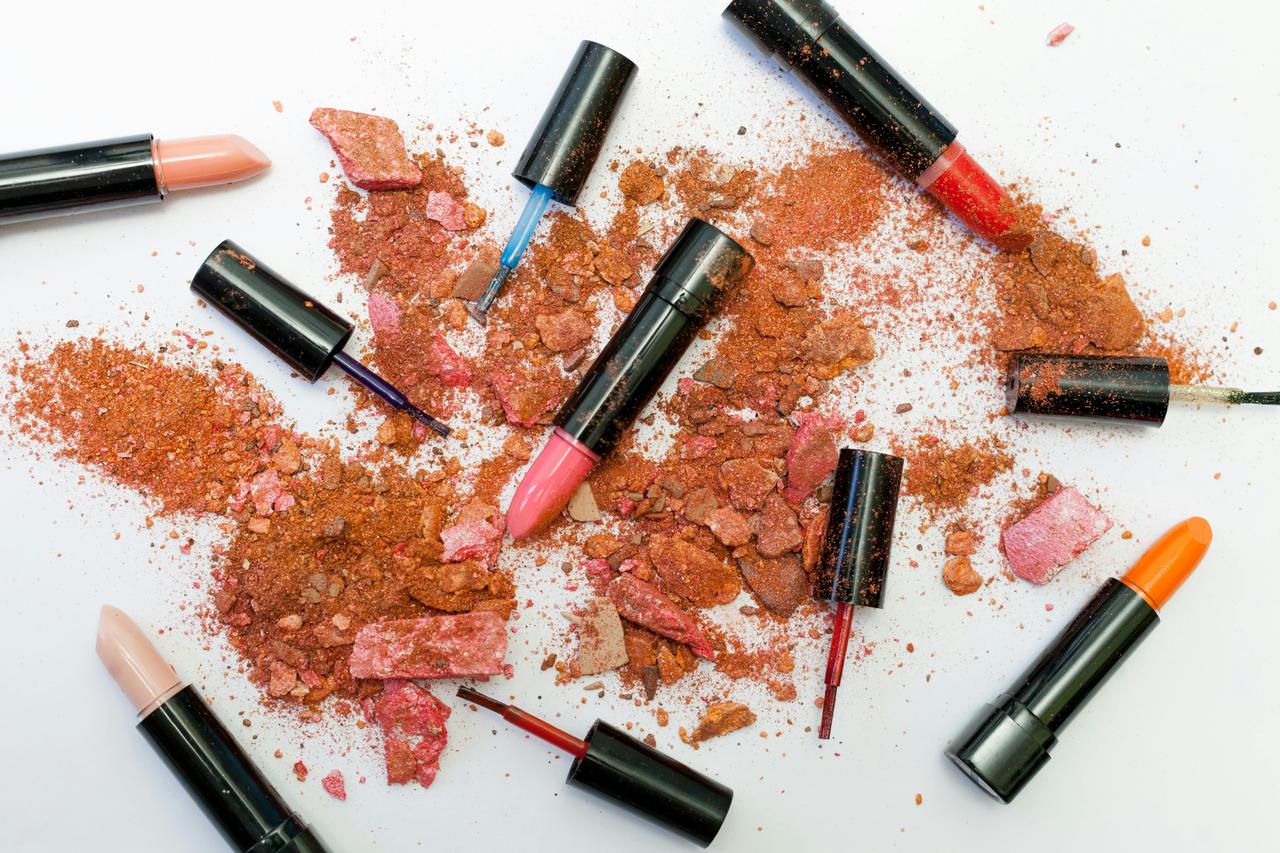
Image of Powder Compacts and Various Colored Lipsticks (Pexels)
In line with economic downturns, consumers reduce spending in many nonessential categories. However, various studies have demonstrated that women increase their willingness to purchase cosmetics during periods of economic strain.
During crises, particularly when unemployment rates rise, relative demand increases for categories that enhance outward appearance—such as cosmetics and clothing—while spending declines in sectors unrelated to personal appearance.
The lipstick effect is not only economic but also explained through distinct psychological processes. Economic crises generate emotional states such as increased stress, anxiety, reduced life satisfaction, feelings of powerlessness, and heightened need for social connection.
During such periods, cosmetics become tools for feeling better; individuals turn to low-cost products to support their sense of self-worth, and minor improvements in appearance can enhance self-esteem and mood.
Research has shown that cosmetic use both improves individuals’ self-evaluation and contributes to more positive social perceptions.
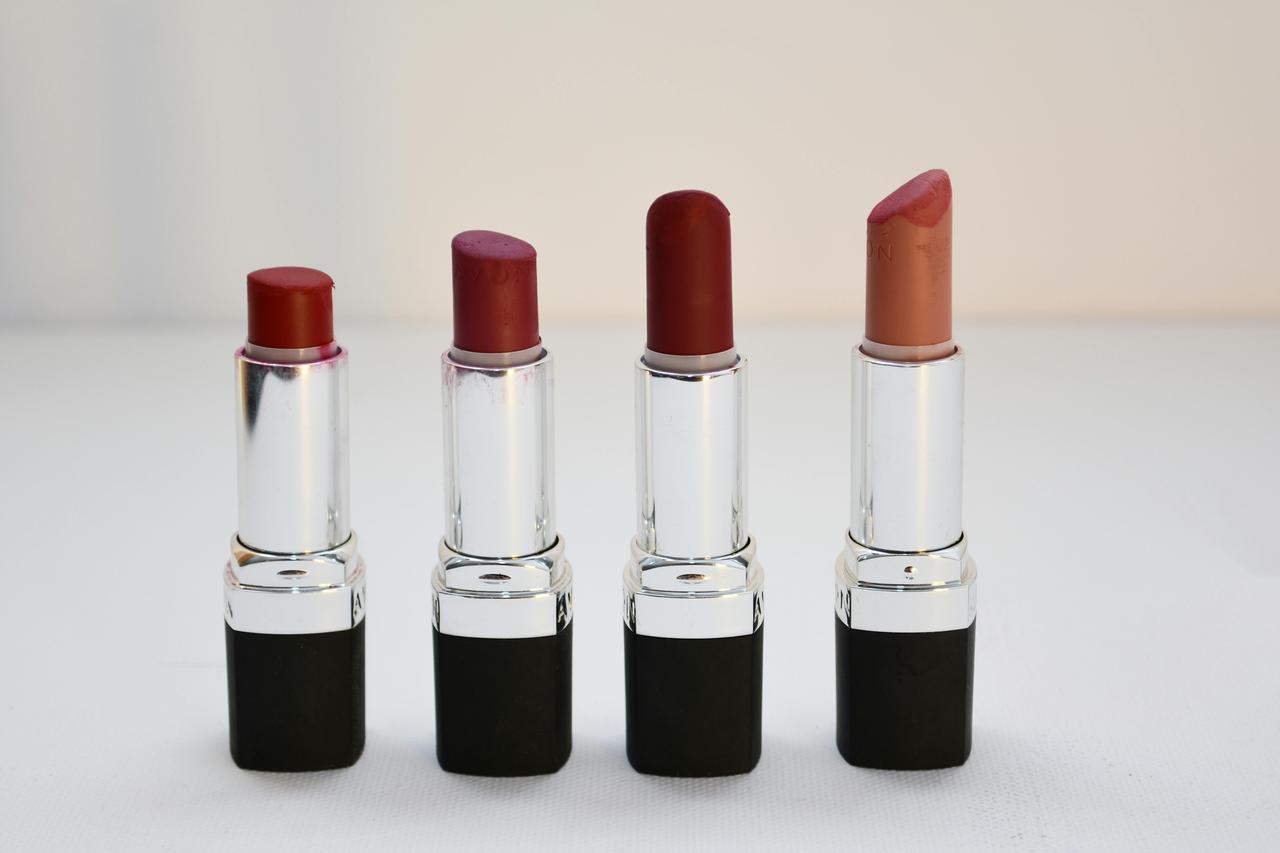
Image of Four Aligned Mixed-Colored Lipsticks (Pexels)
In various cultures, physical appearance holds significant importance as a marker of social acceptance and personal expression. There is a widespread social association that attractive individuals are perceived as more sociable, successful, and happy. During crises, women’s increased focus on cosmetics is reinforced by the influence of cultural beauty standards and social evaluation mechanisms.
During economic downturns, people’s need for support and social connection intensifies. Cosmetic use can help individuals feel more secure in social interactions. The behavior of appearing “well-groomed” becomes a functional social strategy during crises, as it is socially rewarded and positively perceived.
Qualitative research in the cosmetics industry reveals that the lipstick effect plays a balancing role in demand from a business perspective. Even during economic stagnation, sustained consumer demand for certain cosmetic products leads firms to incorporate this phenomenon into their strategic planning processes.
Within the framework of sustainable management strategies, companies analyze consumers’ psychological tendencies, low-cost self-enhancement behaviors, and loyalty patterns during crises to adapt their marketing and product strategies accordingly.
Diana. "Dört Hizalanmış Karışık Renkli Ruj." *Pexels*. Accessed November 24, 2025. https://www.pexels.com/tr-tr/fotograf/dort-hizalanmis-karisik-renkli-ruj-1625037/
Motta de Nadai, Maria Isabel. "The Lipstick Effect and the Self-Enhancement Motives." Master’s thesis, Université Paris 1 Panthéon-Sorbonne, 2015. Accessed November 24, 2025. https://dumas.ccsd.cnrs.fr/dumas-01355226v1/document
Pădureț, Dan Cristian. “Pulverize Tozlar ve Çeşitli Renkli Lipsticks.” Pexels. Accessed November 24, 2025. https://www.pexels.com/tr-tr/fotograf/pulverize-tozlar-ve-cesitli-renkli-lispticks-1377034/
Çelikkol, Şimal, and Candide Çulhaoğlu Uludağ. “Ruj Etkisinin, İşletmelerin Sürdürülebilir Yönetim Süreçleri ile İlişkisi: Kozmetik Sektörü Yöneticileri Üzerinde Nitel Araştırma (The Relationship of Lipstick Effect with Sustainable Management Processes of Businesses: A Qualitative Research on Cosmetics Industry Executives).” *Doğuş Üniversitesi Dergisi* 23, no. 2 (2022): 105–127. Accessed November 24, 2025. https://dergipark.org.tr/tr/pub/doujournal/issue/71547/1091245
Origin
Economic Context
Psychological Dimension
Sociological and Cultural Dimension
Social Beauty Norms
Social Connectedness and Societal Expectations
Business and Management Dimension