

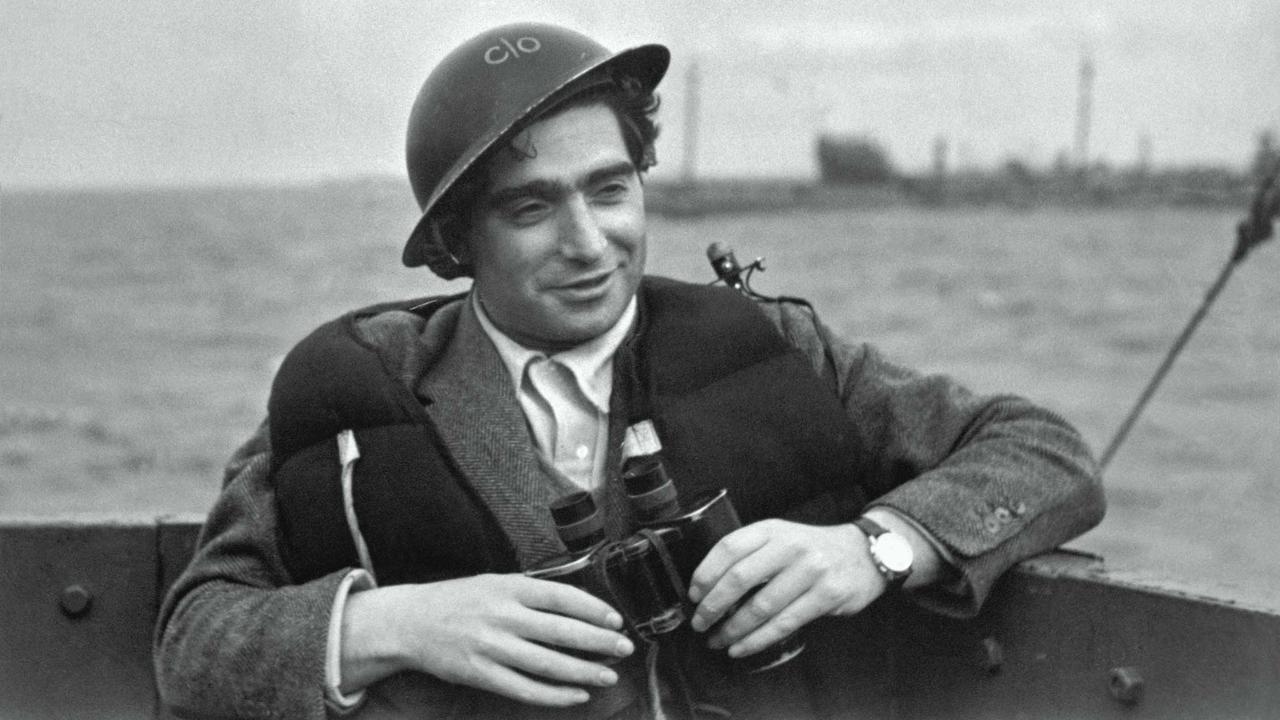

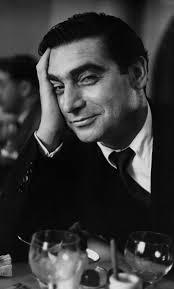
Robert Capa
Occupation | Photographer War correspondent | ||||||||
|---|---|---|---|---|---|---|---|---|---|
Place of Death | Vietnam | ||||||||
Real Name | Endre Ernő Friedmann | ||||||||
Date of Death | 1954-05-25 | ||||||||
Date of Birth | 1913-10-22 | ||||||||
Robert Capa (born Endre Ernő Friedmann, 22 October 1913 – 25 May 1954) is regarded as one of the most important war photographers of the 20th century. He documented five different wars, capturing powerful images that revealed the brutal reality of conflict. As one of the founding members of Magnum Photos, Capa left an indelible mark on the history of photography.
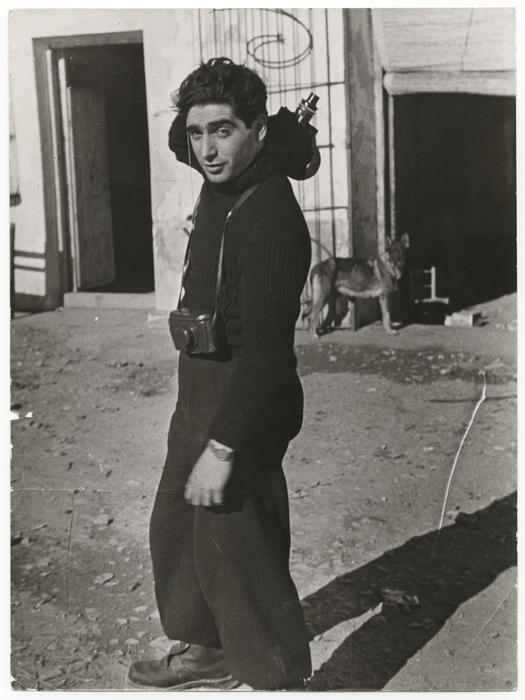
(A photograph of Capa on duty - Magnum)
Capa was born in 1913 in Budapest, Hungary, to a Jewish family. In the 1930s, due to political unrest, he left Hungary and moved to Germany. After receiving training in photography in Berlin, he relocated to France due to the rise of the Nazi regime. There, working with Gerda Taro, he began using the pseudonym Robert Capa.
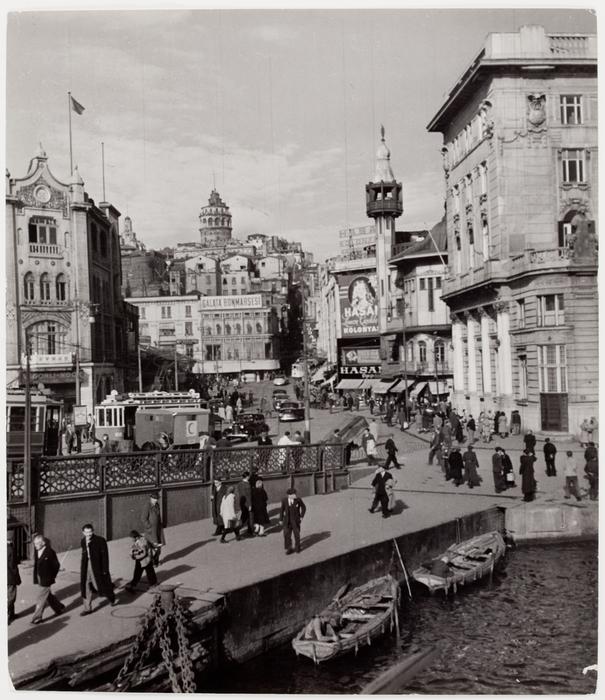
(Capa’s frame of Galata - Magnum)
He achieved his first major recognition through photographs documenting the Spanish Civil War. The 1936 image titled “The Falling Soldier” is considered one of the most striking frames in the history of war photography.
Capa documented five major conflicts:
1. Spanish Civil War (1936–1939)
2. Second Sino-Japanese War (1938)
3. World War II (1941–1945)
4. Arab-Israeli War (1948)
5. First Indochina War (1954)
He was among the few photographers to document the Normandy landings (D-Day) during World War II. On 6 June 1944, he captured images of American troops landing on Omaha Beach. Although most of the photographs he took were lost due to a darkroom error, the few surviving frames were sufficient to convey the horror of the war.
In 1947, alongside Henri Cartier-Bresson, David Seymour, and George Rodger, he co-founded Magnum Photos. This collective became one of the world’s most prestigious agencies, enabling photographers to work independently.
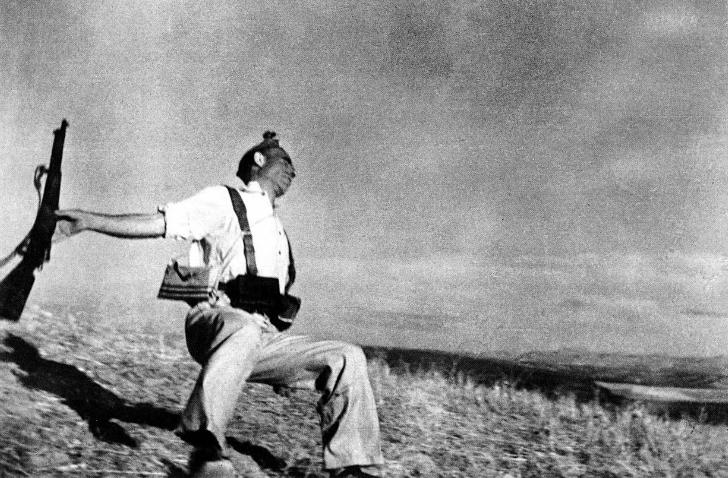
(Capa’s famous photograph The Falling Soldier from the Cordoba front - Magnum)
In 1954, while covering the First Indochina War for Life magazine, Capa traveled to Vietnam to document clashes between Viet Minh forces and French troops. On 25 May 1954, he was killed by stepping on a landmine. He completed the dangerous mission he dedicated his life to by dying on the battlefield.
Robert Capa rose to prominence in war photography for his courage and ability to convey events in a dramatic manner. His famous quote, “If your pictures aren’t good enough, you aren’t close enough,” reflects his willingness to take risks and his preference for placing himself at the heart of the action.
Capa’s works are preserved in the archives of the International Center of Photography (ICP) and Magnum Photos. His role in founding Magnum continues to serve as an inspiration for still documentary photography and war correspondence today.
About Photography Blog. "Robert Capa’nın Hayatı ve Fotoğrafçılığı." Accessed March 13, 2025.Link
Imperial War Museums (IWM). Robert Capa ve Omaha Sahili Çıkarması. Accessed March 13, 2025.Link
International Center of Photography (ICP). Robert Capa Arşivi. Accessed March 13, 2025.
Magnum Photos. Robert Capa’nın Çalışmaları ve Biyografisi. Accessed March 13, 2025.Link

Robert Capa
Occupation | Photographer War correspondent | ||||||||
|---|---|---|---|---|---|---|---|---|---|
Place of Death | Vietnam | ||||||||
Real Name | Endre Ernő Friedmann | ||||||||
Date of Death | 1954-05-25 | ||||||||
Date of Birth | 1913-10-22 | ||||||||
Early Life and Career Beginnings
War Photography and Magnum Photos
Death
Legacy and Influence